Compressed Air Monitoring System
Compressed Air Monitoring System
Compressed air is often referred to as the "fourth utility" in industrial environments, alongside electricity, water, and gas. However, it is frequently the most expensive utility to produce, with energy costs often accounting for over 70% of the total lifecycle cost of a compressor. A robust compressed air monitoring system is no longer a luxury but a fundamental requirement for facilities seeking to optimize energy efficiency, ensure product quality, and reduce operational downtime.
By integrating various sensors and data acquisition tools, a compressed air monitoring system provides real-time visibility into the health and performance of the entire air circuit. This article explores the technical principles, selection criteria, and installation best practices for these systems, with a specific focus on how precise measurement instruments—including level sensors for condensate management—contribute to overall system reliability.
Core Measurement Principles in Compressed Air Systems
To effectively monitor a compressed air network, several physical parameters must be measured. Understanding the principles behind these measurements is the first step in designing an effective system.
1. Flow Measurement
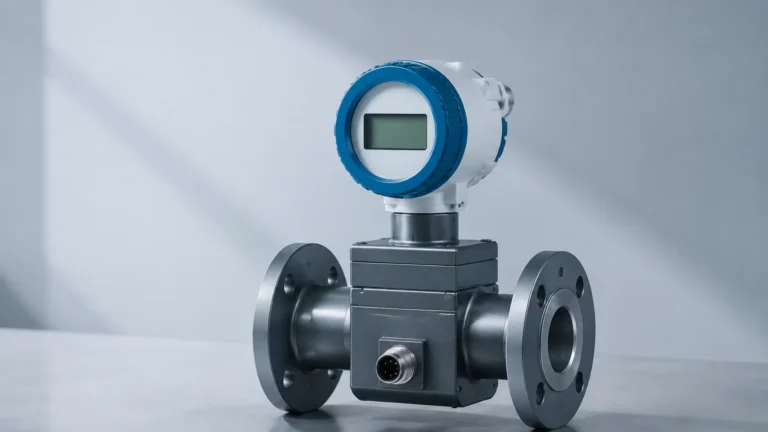
Flow meters track the volume of air consumed by the plant. The most common principle used in compressed air applications is thermal mass flow measurement. This method involves two sensors: one heated and one reference sensor. The air flowing past the heated sensor carries away heat; the amount of energy required to maintain a constant temperature difference between the two sensors is directly proportional to the mass flow rate. This method is preferred because it does not require additional pressure or temperature compensation.
2. Pressure Monitoring
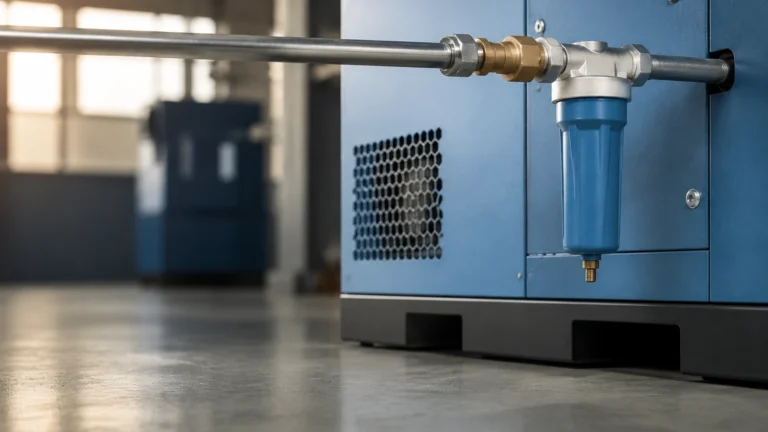
Pressure sensors are typically based on piezoresistive or capacitive principles. In a compressed air monitoring system, pressure is monitored at the receiver tank, after the filters, and at the end-of-line points of use. Monitoring pressure drop across filters is critical for identifying when filter elements need replacement, preventing the compressor from working harder than necessary to overcome resistance.
3. Dew Point Analysis
Compressed air must be dry to prevent corrosion and microbial growth. Dew point sensors often use capacitive polymer technology. As the moisture content in the air changes, the dielectric constant of the polymer layer in the sensor changes, which is then converted into a dew point temperature reading. This is vital for verifying the performance of refrigerated or desiccant dryers.
4. Level Measurement for Condensate Management
While flow and pressure are the primary focus, the management of liquid condensate is a critical, often overlooked aspect. Level measurement instruments are used in condensate collection tanks and centrifugal separators to ensure that liquid is drained efficiently without losing compressed air. High-level alarms in these tanks prevent moisture carryover into the downstream piping. For these applications, hydrostatic level transmitters or ultrasonic level sensors are frequently employed to monitor the liquid levels in drainage traps and collection sumps.
For engineers looking to integrate high-quality sensing technology into their infrastructure, visiting the Welk Main Page provides access to a wide range of industrial measurement solutions designed for harsh process environments.
The Role of Level Measurement in Air Quality
In a comprehensive compressed air monitoring system, the "wet side" of the system—where air is cooled and moisture drops out—requires precise level control. If a condensate drain fails in the closed position, the water level rises, eventually entering the air stream and damaging pneumatic tools or contaminating products. Conversely, if a drain fails open, it creates a massive air leak.
Welk’s expertise in level measurement provides specific advantages here:
- Hydrostatic Level Transmitters: These measure the pressure exerted by the column of condensate to determine the exact level. They are robust and unaffected by the foam or turbulence often found in separator tanks.
- Ultrasonic Level Sensors: These offer non-contact measurement, which is ideal for corrosive condensates that might contain acidic oil-water emulsions.
- Level Switches: Used as redundant safety measures, these provide a simple binary signal (high/low) to trigger emergency drainage or system alerts.
Key Evaluation Criteria for System Selection
When selecting components for a compressed air monitoring system, engineering teams should evaluate the following factors to ensure long-term accuracy and return on investment (ROI).
| Criteria | Description | Importance |
| :— | :— | :— |
| Accuracy & Repeatability | The ability of the sensor to provide consistent readings over time. | High – Essential for leak detection and energy auditing. |
| Turndown Ratio | The ratio between the maximum and minimum flow the sensor can accurately measure. | Medium – Important if the plant has highly variable air demand. |
| Ease of Integration | Support for protocols like Modbus RTU, 4-20mA, or IO-Link. | High – Determines how easily the data reaches the PLC or SCADA system. |
| Maintenance Requirements | How often the sensors need cleaning or recalibration. | Medium – Sensors in oily or dusty environments need higher protection ratings. |
| Pressure Rating | The maximum operating pressure the sensor body can withstand. | High – Standard systems run at 7-10 bar, but some reach 40 bar or higher. |
Practical Selection Table for Monitoring Components
Selecting the right technology depends on the specific goals of the monitoring project. The table below outlines typical recommendations based on application needs.
| Application | Recommended Technology | Primary Benefit |
| :— | :— | :— |
| Main Header Flow | Thermal Mass Flow Meter | Direct mass flow reading without compensation. |
| Filter Health | Differential Pressure Sensor | Precise identification of filter clogging. |
| Condensate Tank | Hydrostatic Level Transmitter | Reliable level tracking in pressurized vessels. |
| Point of Use | Compact Pressure/Flow Sensors | Cost-effective monitoring for individual machines. |
| Dryer Verification | Chilled Mirror or Capacitive Dew Point | Ensures air meets ISO 8573-1 quality classes. |

Installation Considerations and Best Practices
Even the most advanced compressed air monitoring system will fail to provide accurate data if installed incorrectly. Follow these guidelines to ensure data integrity:
Flow Meter Placement
Flow meters require a "laminar" flow profile to measure accurately. This usually means installing the sensor in a straight run of pipe. A common rule of thumb is to have 10 to 15 pipe diameters of straight pipe upstream of the sensor and 5 diameters downstream. If there are elbows, valves, or diameter changes, these distances may need to increase.
Level Sensor Mounting
When installing level sensors in condensate collection tanks, ensure the sensor is mounted away from the inlet flow to avoid false readings caused by splashing. For hydrostatic sensors, the capillary tube in the cable must be vented to the atmosphere to compensate for changes in barometric pressure, though in pressurized tanks, a differential pressure setup may be required.
Dealing with Contaminants
Compressed air can contain oil aerosols and particulates. Sensors, particularly dew point and thermal flow sensors, should be installed after the filtration stage whenever possible. If they must be installed in "dirty" air, a regular cleaning schedule must be established to prevent sensor drift.
Calibration and Verification
Industrial sensors should be calibrated annually. In a compressed air monitoring system, even a 0.5 bar error in pressure measurement or a 5% error in flow measurement can lead to significant miscalculations in energy efficiency and leak detection.
Common Risks and Limitations
While a monitoring system is a powerful tool, users should be aware of several limitations:
1. Data Overload: Simply collecting data is not enough. Without a software layer to analyze the information, users may be overwhelmed by raw numbers. The system should ideally calculate "Specific Power" (kW per m³/min) to track true efficiency.
2. Ignoring the "No-Load" Power: Many compressors consume 20-30% of their full-load power even when they are not producing air. A monitoring system must include power meters on the compressor motors to identify these inefficiencies.
3. Sensor Fouling: In lubricated compressor systems, oil carryover can coat sensor elements. This is particularly problematic for thermal mass flow meters, as the oil layer acts as an insulator, leading to under-reporting of air flow.
4. Pressure Drop Mismanagement: Installing too many sensors or using restrictive sensor types can actually increase the pressure drop in the system, forcing the compressor to run at a higher setpoint and negating the energy savings found through monitoring.
Frequently Asked Questions (FAQs)
Q: How does a compressed air monitoring system help in leak detection?
A: By monitoring flow during non-production hours (e.g., weekends or night shifts), the system establishes a "base load." Since no machines are running, any air flow recorded is attributed to leaks. This allows maintenance teams to quantify the cost of leaks and prioritize repairs.
Q: Can I use ultrasonic level sensors on pressurized condensate tanks?
A: Yes, but with caution. Standard ultrasonic sensors work by measuring the time-of-flight of sound waves. Changes in air pressure and gas composition (if there are high concentrations of gases other than air) can affect the speed of sound, leading to errors. For high-pressure vessels, hydrostatic transmitters are often more reliable.
Q: What is the ROI of a compressed air monitoring system?
A: Most industrial facilities see a return on investment within 6 to 18 months. Savings typically come from a 20% reduction in leak-related energy loss and optimized compressor sequencing.
Q: Is it necessary to monitor every machine in the plant?
A: No. It is usually best to monitor the main supply lines and then focus on high-consumption departments or specific machines that are critical to the production process.
Conclusion
A comprehensive compressed air monitoring system is essential for modern industrial operations. By combining flow, pressure, dew point, and level measurement, facilities can transform their compressed air utility from a "black box" expense into a transparent, optimized process. Whether it is ensuring that condensate is properly managed through precise level sensing or identifying costly leaks in the distribution header, the right instrumentation is the foundation of energy efficiency.
For technical specifications on the sensors required for these systems, including advanced level measurement technology, professionals are encouraged to explore the resources available on the Welk Main Page.