Conductivity Level Probe
Conductivity Level Probe
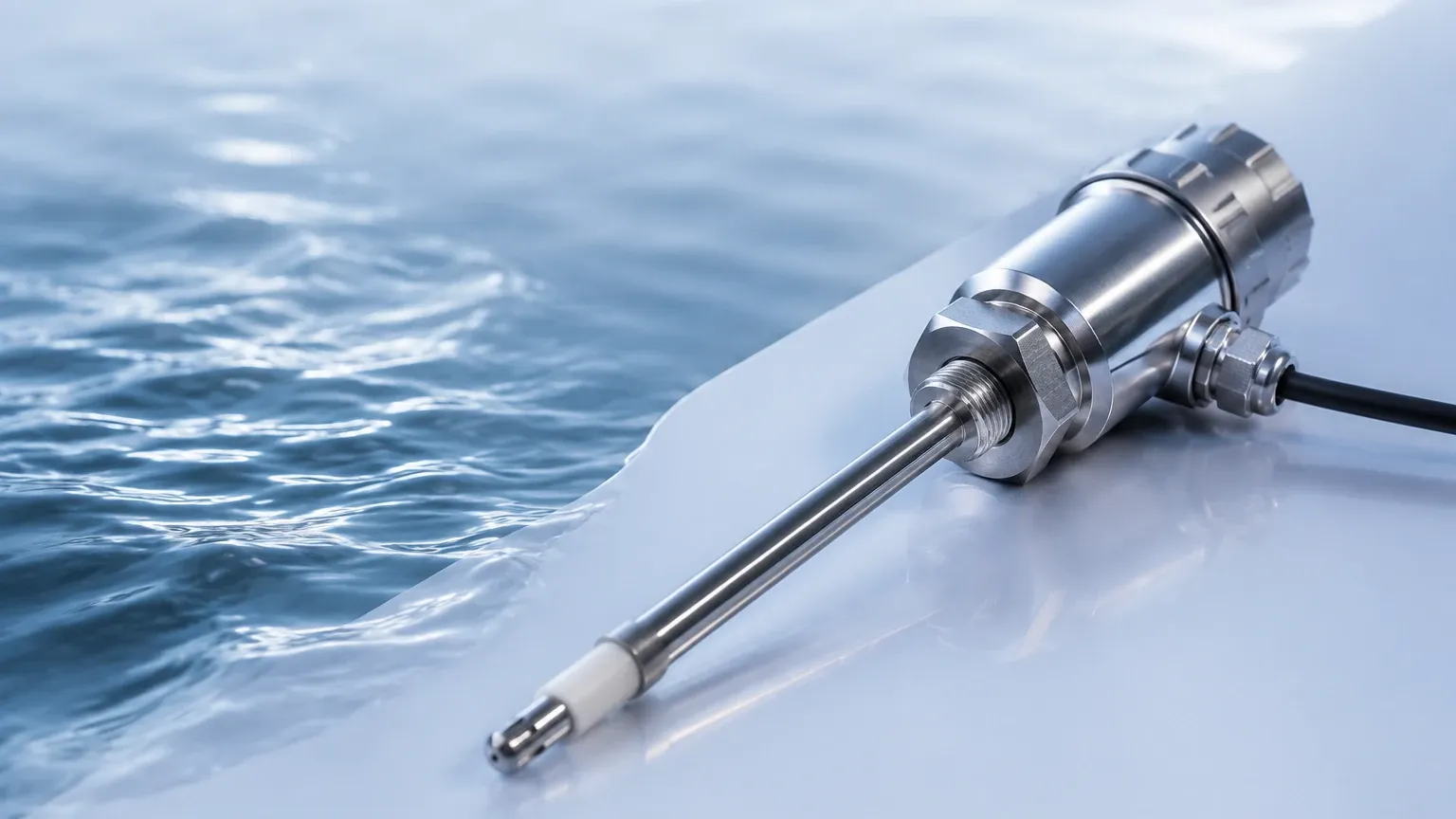
In the landscape of industrial automation, the conductivity level probe remains one of the most reliable and cost-effective solutions for point-level detection in conductive liquids. Often referred to as conductive level switches or electrode level sensors, these devices are essential in applications ranging from simple water tank management to complex chemical processing. Unlike continuous measurement technologies like radar or ultrasonic sensors, conductivity probes provide discrete signals—indicating whether a liquid has reached a specific height—making them ideal for pump control, overflow prevention, and dry-run protection.
As a professional manufacturer, Welk specializes in providing robust level measurement instruments designed to withstand the rigors of industrial environments. This guide serves as a practical engineering reference for selecting, installing, and maintaining conductivity level probes to ensure long-term operational accuracy.
Understanding the Conductivity Measurement Principle
The operation of a conductivity level probe is based on the electrical conductivity of the process medium. For the sensor to function, the liquid must be capable of conducting an electrical current. This typically includes water-based liquids, acids, alkalis, and various aqueous solutions.
The Electrical Circuit
The system consists of a probe (containing one or more electrodes) and a controller (relay). A low-voltage AC signal is applied to the electrodes. When the conductive liquid rises and makes contact with the electrode, it completes an electrical circuit between the electrode and a reference point. This reference point can be the metallic wall of the tank or a separate "ground" or "common" electrode provided within the probe assembly.
Why AC Power is Used
Industrial conductivity probes utilize Alternating Current (AC) rather than Direct Current (DC) for the measurement signal. Using DC would cause electrolysis at the electrodes, leading to the buildup of bubbles and material degradation (corrosion), which would eventually insulate the probe and cause false readings. AC prevents this polarization effect, ensuring the longevity of the stainless steel or alloy electrodes.
Sensitivity and Resistance
The controller measures the resistance (or its reciprocal, conductance) of the circuit. When the liquid touches the probe, the resistance drops significantly. Most modern controllers feature adjustable sensitivity, allowing the user to set a threshold that distinguishes between the actual liquid level and residual moisture or foam on the probe surface. This sensitivity is usually measured in kilo-ohms (kΩ).
Types of Conductivity Level Probes and Components
Conductivity probes are categorized based on their mechanical construction and the number of detection points they provide. Selecting the right physical configuration is critical for both installation ease and measurement reliability.
Single-Point vs. Multi-Point Probes
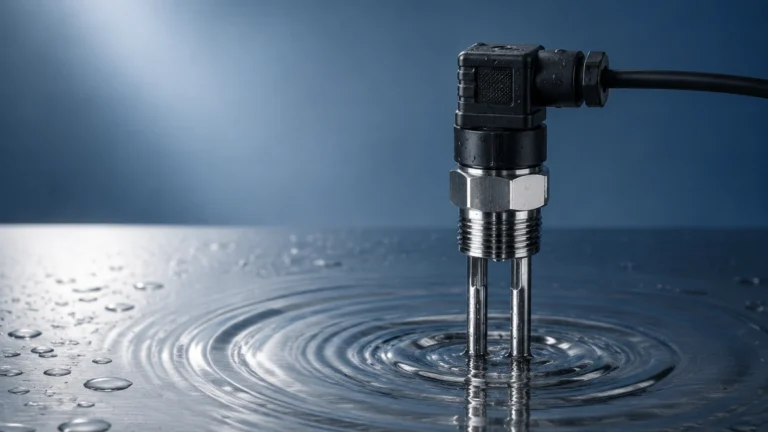
* Single-Point Probes: These consist of a single electrode rod. They are typically used for high-level alarms or as part of a multi-sensor array where each probe is mounted at a different height.
* Multi-Point Probes: These feature multiple electrodes of varying lengths housed within a single process connection. A single multi-point probe can manage "Pump Start," "Pump Stop," and "High-Level Alarm" functions simultaneously, reducing the number of tank penetrations required.
Rod vs. Wire (Cable) Electrodes
* Rigid Rods: Suitable for shorter distances (typically up to 3 meters or 10 feet). They are made of solid stainless steel or specialized alloys and are highly resistant to turbulence.
* Flexible Cables: Used for deep wells, sumps, or tall tanks where a rigid rod would be impractical to ship or install. These involve a weighted sensor head suspended by a high-quality insulated cable.
Material Composition
The wetted parts must be compatible with the process liquid. While 316L stainless steel is the standard for water and mild chemicals, aggressive media may require Hastelloy, Titanium, or electrodes coated with PTFE (Teflon) to prevent chemical attack.
Key Selection Criteria for Industrial Applications
Before specifying a conductivity level probe for a project, engineers must evaluate the following four criteria to ensure the technology is appropriate for the medium and the environment.
1. Fluid Conductivity
The most fundamental requirement is that the liquid must have a minimum conductivity level, usually at least 5 to 10 μS/cm (microsiemens per centimeter).
* Suitable liquids: Tap water, wastewater, seawater, acids (HCl, H2SO4), caustic soda, and beer.
* Unsuitable liquids: Deionized water, distilled water, oils, hydrocarbons (diesel, gasoline), and pure alcohols.
2. Process Temperature and Pressure
The insulation material and the process connection (thread or flange) must be rated for the operating environment. High-pressure steam boilers require specialized ceramic-to-metal seals, whereas plastic-housed probes are sufficient for ambient-pressure water tanks.
3. Coating and Buildup Potential
If the liquid is prone to leaving deposits (such as lime scale or thick sludge), the probe may eventually experience "bridging." This occurs when a conductive layer forms across the insulators, tricking the controller into thinking the tank is full even when it is empty. In such cases, probes with longer insulation sleeves or alternative technologies like ultrasonic sensors may be preferred.
4. Tank Material
In a metal tank, the tank wall itself can serve as the ground reference. In plastic or concrete tanks, an additional electrode must be installed to act as the "common" or ground return for the electrical circuit.
Technical Specifications and Selection Table
When reviewing options on the Main Page of a manufacturer’s catalog, use the following table to narrow down the required hardware specifications.
| Feature | Standard Specification | High-Performance Option |
| :— | :— | :— |
| Electrode Material | SS304 / SS316L | Hastelloy C / Titanium |
| Insulation Material | PVC / Polypropylene | PTFE / Ceramic |
| Max. Temperature | 80°C (176°F) | 200°C+ (392°F+) |
| Max. Pressure | 1.0 MPa (10 bar) | 4.0 MPa (40 bar) |
| Connection Size | G1/2" or G1" Thread | ANSI/DIN Flanges |
| Number of Points | 1 to 3 points | Up to 5 points |
| Sensitivity Range | Fixed (approx. 10kΩ) | Adjustable (5kΩ to 100kΩ) |
Installation Guidelines and Best Practices
Proper installation is the difference between a system that lasts for decades and one that fails within weeks. Follow these engineering best practices for conductivity level probe deployment:
1. Vertical Orientation: Probes should ideally be installed vertically from the top of the tank. This allows gravity to help shed liquid droplets, reducing the risk of false triggers due to moisture buildup on the electrodes.
2. Avoid Turbulence: Do not install probes directly in the path of an inlet pipe. The splashing liquid will cause the relay to chatter (rapidly switch on and off). If the tank is highly turbulent, install the probe inside a "stilling well" (a pipe with vent holes) to provide a calm surface for measurement.
3. Electrode Spacing: Ensure that electrodes are not so close together that a single drop of liquid can bridge the gap between them. For probes with multiple rods, spacers should be used every 1 meter to prevent the rods from touching if there is fluid movement.
4. Grounding: In non-metallic tanks, the ground electrode must be the longest electrode in the assembly, extending below the lowest detection point to ensure the circuit is always capable of closing.
5. Cable Protection: For cable-suspended probes, ensure the cable is not kinked and that the junction box is properly sealed against moisture (IP65 or higher) to prevent internal corrosion.
Limitations and Common Operational Risks
While conductivity probes are highly reliable, they are not "set and forget" devices in all environments. Engineers should be aware of the following risks:
* Fouling and Scaling: In hard water applications, calcium carbonate can build up on the probe. Since scale is often non-conductive, it can insulate the probe and prevent it from detecting the liquid. Periodic cleaning is required.
* Foam Interference: If a process creates a thick, conductive foam, the probe may trigger at the top of the foam layer rather than the actual liquid level. Adjusting the sensitivity on the controller can sometimes mitigate this, but it is a known limitation.
* Vapor Condensation: In high-temperature tanks, steam can condense on the probe head. If the insulation is not designed correctly, this condensation can create a short circuit across the terminals.
* Non-Conductive Media: As mentioned, these probes will not work with oils or pure solvents. Attempting to use them in these fluids will result in a permanent "low level" signal.
Frequently Asked Questions (FAQs)
Q: Can I cut the electrode rods to a custom length?
A: Yes, most stainless steel rod electrodes can be cut to the desired length during installation. However, if the rods are coated (e.g., with PTFE), you must ensure the tips are stripped to expose the metal for conductivity, and the integrity of the remaining coating is maintained.
Q: How far can the controller be from the probe?
A: Depending on the cable quality and the sensitivity of the controller, the distance can typically be up to 100 meters. However, long cable runs increase the risk of electromagnetic interference (EMI), so shielded cables are recommended for distances over 30 meters.
Q: Are conductivity probes safe for food and beverage use?
A: Yes, provided the wetted materials are food-grade (like 316L stainless steel and PTFE) and the process connection is a sanitary fitting (like a Tri-Clamp). They are frequently used in CIP (Clean-in-Place) systems.
Q: What is the maintenance schedule for these probes?
A: In clean water, probes can go years without maintenance. In wastewater or chemical applications, a quarterly inspection is recommended to check for electrode erosion or material buildup.
Conclusion
The conductivity level probe remains a cornerstone of industrial level control due to its simplicity and lack of moving parts. By understanding the electrical requirements of the medium and selecting the appropriate material and configuration, facility managers can implement a highly effective point-level solution. For those seeking comprehensive technical data or customized OEM solutions, visiting the Main Page of a specialized manufacturer like Welk provides access to a broader range of industrial level measurement instruments tailored to specific process needs.