Cooling Tower Level Sensor
Cooling Tower Level Sensor
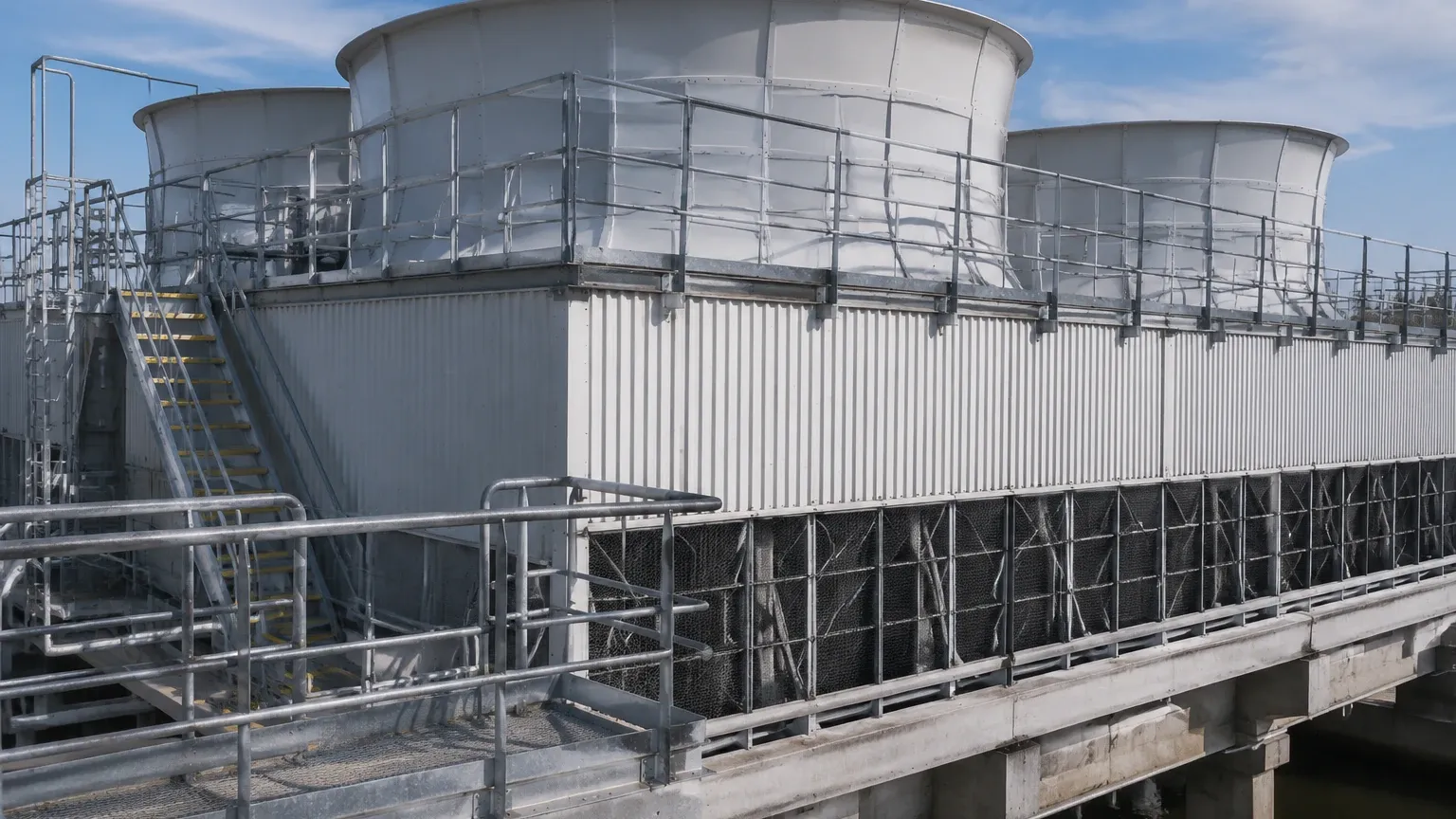
In industrial process cooling and HVAC systems, the cooling tower serves as a critical heat rejection device. To ensure the continuous operation of these systems, maintaining the precise water level within the cold water basin is mandatory. A cooling tower level sensor provides the necessary data to automate makeup water systems, manage blowdown cycles, and protect circulating pumps from damage.
Failure to maintain accurate level control can lead to two primary issues: pump cavitation due to low water levels, which can destroy expensive machinery, or basin overflow, which results in significant water waste and the loss of costly chemical treatments. This guide examines the technical principles, selection criteria, and installation requirements for modern level measurement technologies used in cooling tower applications.
Principles of Level Measurement in Cooling Towers
Selecting the appropriate cooling tower level sensor requires an understanding of how different technologies interact with the specific environment of a cooling tower. These environments are often characterized by turbulence, humidity, and the presence of water treatment chemicals.
Ultrasonic Level Measurement
Ultrasonic sensors are a common choice for non-contact level measurement. These devices emit high-frequency sound pulses that travel through the air, reflect off the water surface, and return to the sensor. The time-of-flight is used to calculate the distance to the water level.
* Advantages: No moving parts and no contact with the process fluid, which reduces maintenance requirements.
* Limitations: Ultrasonic waves can be affected by heavy steam, foam, or extreme air temperature fluctuations. In cooling towers with high-velocity fans, the air turbulence can occasionally disperse the sound signal.
Radar (Microwave) Level Measurement
Radar sensors operate on a similar time-of-flight principle but use electromagnetic waves instead of sound. Because radar waves do not require a medium for travel, they are unaffected by air temperature, steam, or vacuum conditions.
* Advantages: Extremely high accuracy (often within ±2 mm) and immunity to the atmospheric conditions inside a cooling tower.
* Limitations: Higher initial capital expenditure compared to ultrasonic or hydrostatic options.
Hydrostatic Pressure Measurement
Hydrostatic sensors are contact-based devices that measure the pressure exerted by the column of water above the sensor diaphragm. Since pressure is directly proportional to the height of the liquid (based on its density), the sensor provides a continuous level reading.
* Advantages: Simple to install, especially in deep basins, and unaffected by surface foam or turbulence.
* Limitations: The sensor is in constant contact with the water, making it susceptible to scaling or chemical corrosion if the diaphragm material is not correctly specified.
Magnetic Level Gauges and Switches
For point-level detection (high/low alarms) or visual indication, magnetic level gauges use a float containing a magnet that moves with the water level. This magnet either flips external flags for visual confirmation or triggers reed switches for automation.
* Advantages: Provides a clear visual reference for maintenance personnel and does not require power for the visual component.
* Limitations: Mechanical floats can become stuck due to mineral scaling or biological growth common in open-loop cooling systems.
Key Evaluation Criteria for Sensor Selection
When evaluating a cooling tower level sensor, engineers must consider the specific operational parameters of the facility. For a comprehensive range of industrial measurement solutions, technical teams often consult the Welk Main Page to compare specific model specifications against project requirements.
1. Environmental Conditions
Cooling towers are inherently humid. Sensors must have a high Ingress Protection (IP) rating, typically IP67 or IP68, to withstand constant moisture and potential splashing. Furthermore, if the tower is located outdoors in cold climates, the sensor must be rated for sub-zero temperatures or equipped with internal heating elements.
2. Water Chemistry and Scaling
Cooling water is often treated with biocides, corrosion inhibitors, and anti-scaling agents. Over time, calcium and magnesium can precipitate out of the water, forming a hard scale on any submerged components. Non-contact sensors (Radar/Ultrasonic) are generally preferred in high-scaling environments to avoid frequent cleaning of the sensing element.
3. Turbulence and Surface Conditions
The return flow of water into the basin can create significant surface turbulence and foam. Foam can absorb ultrasonic signals, leading to "lost echo" errors. In such cases, radar or hydrostatic sensors are more reliable as they are less affected by surface disturbances.
Technical Selection Table
The following table provides a comparison of the most common technologies used for cooling tower level monitoring.
| Technology | Measurement Type | Accuracy | Resistance to Steam/Vapor | Maintenance Requirement |
| :— | :— | :— | :— | :— |
| Ultrasonic | Non-contact | Moderate | Low to Moderate | Low |
| Radar | Non-contact | High | Excellent | Very Low |
| Hydrostatic | Contact | Moderate | Excellent | Moderate (Cleaning) |
| Magnetic Float | Contact | N/A (Point) | Excellent | Moderate (Scaling) |
| Capacitance | Contact | Moderate | Good | High (Coating) |
Installation Considerations and Best Practices
Proper installation is as critical as sensor selection. Even the most advanced cooling tower level sensor will fail if it is poorly positioned.
Stilling Wells
In basins with high turbulence, a stilling well (a vertical pipe with vent holes) should be used. The sensor is mounted at the top of the pipe, which acts as a mechanical filter, providing a calm surface for the sensor to measure. This is particularly important for ultrasonic and radar technologies.
Dead Zones (Blanking Distance)
Non-contact sensors have a "dead zone" or "blocking distance" directly beneath the sensor face where measurements cannot be taken. Ensure the sensor is mounted high enough so that the maximum water level never enters this zone, typically 100 mm to 500 mm (approx. 4 to 20 inches) depending on the model.
Mounting Location
Avoid mounting sensors directly above the makeup water inlet or near the suction of the circulating pumps. The localized turbulence and vortexing in these areas will result in unstable readings. The sensor should be positioned in a relatively quiet area of the basin, ideally away from the direct path of the fan discharge to minimize the impact of moisture-laden air on the signal.
Wiring and Signal Integration
Most modern sensors provide a 4-20 mA analog signal or a digital output (such as Modbus or HART). Ensure that the cabling is shielded to prevent electromagnetic interference from the large motors used in cooling tower fans. Integration with the Building Management System (BMS) or Programmable Logic Controller (PLC) allows for sophisticated control logic, such as timed makeup water delays to prevent rapid cycling of valves.
Common Risks and Limitations
Understanding the limitations of your chosen technology prevents unexpected system downtime.
* Signal Absorption: In extremely dense steam conditions, ultrasonic signals may be attenuated. If the cooling tower operates at very high temperatures, radar is the more robust non-contact choice.
* Chemical Compatibility: Hydrostatic sensors must use materials compatible with the water treatment chemicals. 316L Stainless Steel is standard, but for highly corrosive environments, Hastelloy or ceramic diaphragms may be required.
* Biological Growth: Algae and biofilm can accumulate on floats and submerged sensors. Regular inspection cycles (typically every 3 to 6 months) are necessary to ensure mechanical parts move freely and diaphragms remain clear of debris.
Frequently Asked Questions (FAQ)
Q: Can I use a simple float switch for cooling tower level control?
A: Yes, float switches are effective for basic high/low alarms. However, they do not provide continuous level data, which is necessary for optimizing makeup water usage and monitoring for slow leaks in the system.
Q: How does ambient temperature affect ultrasonic sensors in cooling towers?
A: The speed of sound changes with air temperature. Most high-quality ultrasonic sensors include an integrated temperature sensor to compensate for this, but extreme gradients (hot water vs. cold air) can still introduce small errors.
Q: Is radar overkill for a standard HVAC cooling tower?
A: While radar has a higher initial cost, its reliability in the presence of steam and its lack of maintenance requirements often result in a lower Total Cost of Ownership (TCO) over the life of the cooling tower compared to technologies that require frequent cleaning or calibration.
Q: How often should a cooling tower level sensor be calibrated?
A: For most industrial applications, an annual calibration check is sufficient. However, if the sensor is used for environmental compliance or billing (makeup water metering), semi-annual verification may be required.
By carefully matching the sensor technology to the physical and chemical characteristics of the cooling tower basin, plant operators can ensure reliable system performance and significant water savings. For detailed technical specifications and customized measurement solutions, visiting the Main Page of a professional manufacturer like Welk is the recommended next step for procurement and engineering teams.