Coriolis Flow Meter Accuracy
Coriolis Flow Meter Accuracy
In the landscape of industrial process control, Coriolis flow meters are widely regarded as the most accurate and versatile instruments available for measuring fluid flow. Unlike traditional volumetric flow meters, which require compensation for temperature and pressure to calculate mass, Coriolis meters measure mass flow directly. This fundamental difference is the primary reason why coriolis flow meter accuracy remains superior across a broad spectrum of applications, from chemical processing to food and beverage production.
Understanding the nuances of accuracy in these devices requires a deep dive into their operating principles, the variables that influence their performance, and the practical steps engineers must take during installation to ensure theoretical precision translates into real-world reliability.
Measurement Principles of Coriolis Flow Meters
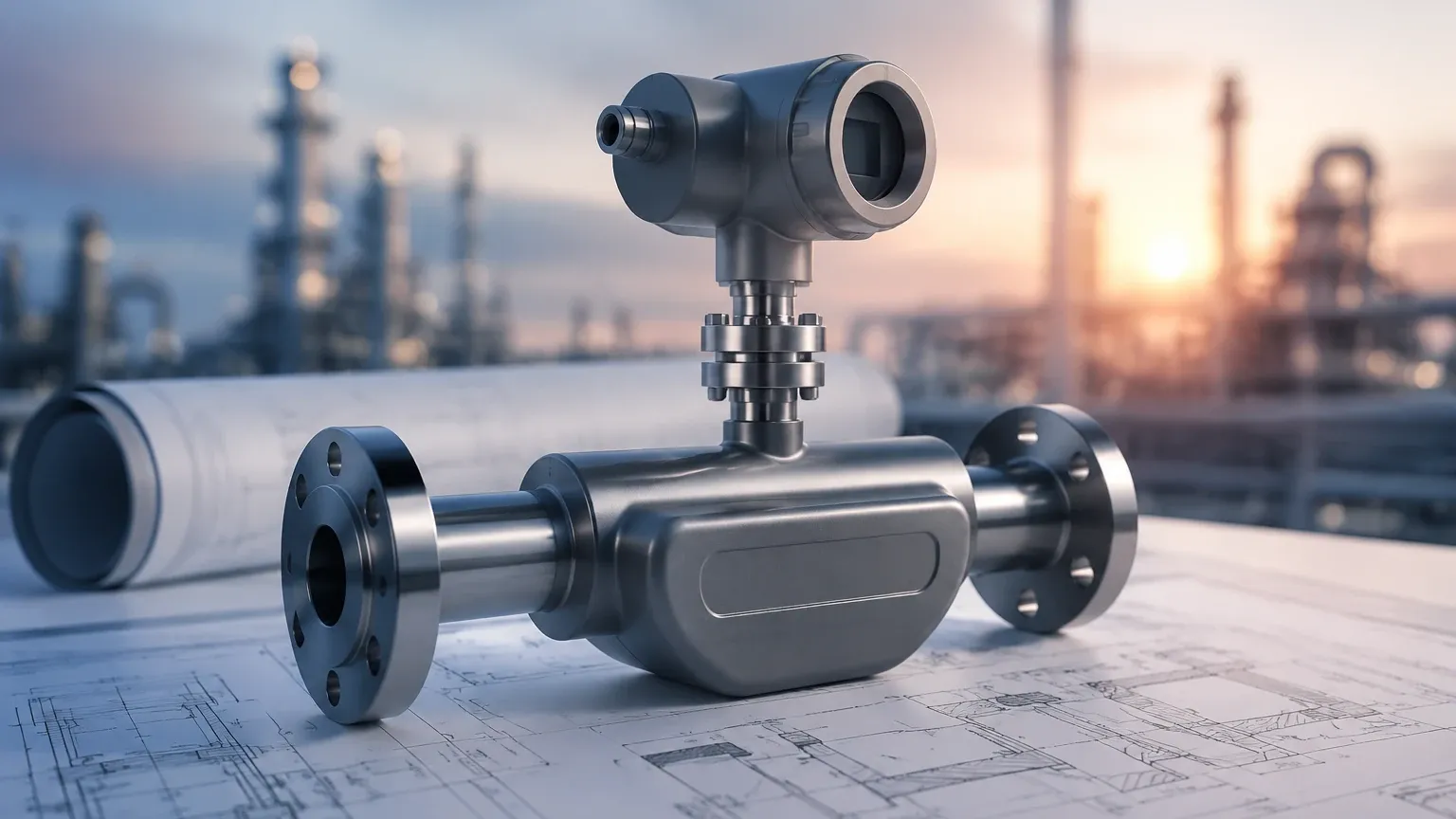
To appreciate the high level of coriolis flow meter accuracy, one must first understand the Coriolis effect upon which these instruments are based. A Coriolis flow meter typically consists of one or two vibrating tubes, usually made of stainless steel or specialized alloys. An internal drive coil causes the tubes to oscillate at their resonant frequency.
When a fluid (liquid or gas) enters the meter and flows through these vibrating tubes, it is subjected to a Coriolis force. Because the tubes are vibrating upward and downward while the fluid moves horizontally, the fluid resists the vertical motion. This results in a twisting or "phase shift" in the vibration of the tubes.
Sensors located at the inlet and outlet of the tubes measure this phase shift. The time delay between the two signals is directly proportional to the mass flow rate. Because mass is a conserved quantity that does not change with temperature or pressure, the measurement is inherently more stable than volumetric methods. Additionally, the frequency of the vibration changes based on the density of the fluid, allowing the meter to provide simultaneous density and temperature readings.
Defining Coriolis Flow Meter Accuracy
When discussing coriolis flow meter accuracy, it is essential to distinguish between different components of measurement performance. Manufacturers typically provide several specifications that define the instrument's capability.
Mass Flow Accuracy
For most high-end Coriolis meters, the base accuracy for liquid mass flow is often cited between ±0.05% and ±0.1% of the flow rate. For gas applications, where densities are much lower, the accuracy typically ranges from ±0.25% to ±0.5%.
Zero Stability
Zero stability is perhaps the most critical factor in determining the actual accuracy of a meter at the lower end of its flow range. It represents the residual signal the meter produces when there is zero flow. If a meter has a zero stability of 0.01 kg/h and is measuring a flow of 100 kg/h, the impact is negligible. However, if the flow drops to 1 kg/h, that 0.01 kg/h stability error becomes a 1% error.
Repeatability
Repeatability refers to the meter's ability to produce the same result under identical conditions. For Coriolis meters, repeatability is exceptionally high, often reaching ±0.02% to ±0.05%. This makes them ideal for batching and custody transfer applications where consistency is paramount.
Factors Influencing Real-World Accuracy
While the theoretical coriolis flow meter accuracy is high, several environmental and process factors can degrade performance if not properly managed.
1. Entrained Gas (Two-Phase Flow)
The presence of air bubbles in a liquid stream is the most common cause of measurement error in Coriolis meters. Large bubbles can dampen the vibration of the tubes, leading to a "stalling" of the drive system. Even small amounts of entrained gas can cause the tubes to vibrate erratically, leading to significant inaccuracies in both mass flow and density readings. Modern digital signal processing (DSP) has improved the ability of meters to handle two-phase flow, but for maximum accuracy, entrained gas should be eliminated using air eliminators or by maintaining sufficient backpressure.
2. Temperature and Pressure Extremes
Although Coriolis meters are less sensitive to temperature and pressure than volumetric meters, extreme conditions can cause the physical properties of the measurement tubes to change. For instance, high pressure can slightly stiffen the tubes, while high temperatures can expand the metal. High-quality meters include internal temperature sensors to compensate for these effects automatically, but manual pressure compensation may be required for the highest precision in high-pressure applications.
3. Mechanical Vibration
Because Coriolis meters rely on precise vibration measurements, external mechanical noise from pumps, motors, or vibrating pipes can interfere with the sensor signals. This interference is most pronounced if the external vibration frequency matches the resonant frequency of the meter tubes.
Selection Criteria for Different Applications
Choosing the right meter involves balancing the required accuracy with the physical properties of the fluid. The following table provides a general guideline for expected performance across various media.
| Fluid Type | Typical Mass Flow Accuracy | Density Accuracy | Common Applications |
| :— | :— | :— | :— |
| Clean Liquids | ±0.05% to ±0.1% | ±0.5 kg/m³ | Custody transfer, chemical blending |
| Viscous Fluids | ±0.1% to ±0.2% | ±1.0 kg/m³ | Oil and gas, polymers, resins |
| Cryogenic Liquids | ±0.2% to ±0.5% | ±2.0 kg/m³ | LNG bunkering, liquid nitrogen |
| Gases (High Pressure) | ±0.25% to ±0.5% | N/A | CNG dispensing, industrial gas mixing |
| Slurries | ±0.2% to ±0.5% | ±2.0 kg/m³ | Mining, pulp and paper |
For engineers looking to integrate these sensors into broader automated systems, it is helpful to Review product options and application support to ensure the selected hardware meets the specific demands of the process environment.
Installation Considerations for Maximum Precision
To maintain the highest coriolis flow meter accuracy, installation must follow strict engineering guidelines. Even the best meter will perform poorly if installed incorrectly.
Orientation
* Liquids: The meter should ideally be installed in a "U" shape pointing downward (for horizontal lines) or in a vertical line with upward flow. This ensures the tubes remain full and prevents air from becoming trapped.
* Gases: The meter should be installed in a "U" shape pointing upward to prevent liquids or condensates from collecting in the tubes.
Piping Stress
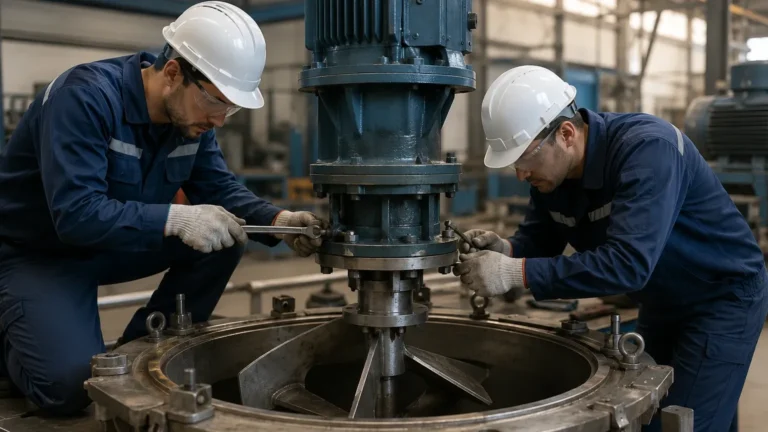
Coriolis meters are sensitive to torsional and axial stress from the connected piping. If the pipes are not properly aligned or supported, the resulting stress can deform the measurement tubes, leading to a shift in the zero point. Flexible connectors are sometimes used, but rigid, well-supported piping is generally preferred.
Zero Calibration (Zeroing)
After installation and once the meter is filled with the process fluid at operating temperature and pressure, a "zero calibration" must be performed. This involves closing valves on both sides of the meter to ensure a state of absolute zero flow. The transmitter then records the residual signal and offsets it to ensure that zero flow truly equals a zero reading. This is the single most important step in commissioning for low-flow accuracy.
Limitations and Technical Trade-offs
Despite their advantages, Coriolis meters are not a universal solution for every flow measurement challenge.
1. Initial Cost: Coriolis meters are significantly more expensive than magnetic, ultrasonic, or vortex meters. The investment is usually justified only when high accuracy or direct mass measurement is required.
2. Pressure Drop: The flow path inside a Coriolis meter is often narrower than the process piping, and the "U" tube design introduces directional changes. This can result in a higher pressure drop compared to straight-through meters like electromagnetic flow meters.
3. Size and Weight: Large-diameter Coriolis meters (above 10 inches or 250 mm) are extremely heavy and bulky, making them difficult to install in existing piping systems without significant structural support.
Frequently Asked Questions (FAQ)
Q: Does coriolis flow meter accuracy depend on the Reynolds number?
No. One of the greatest advantages of Coriolis technology is that it is independent of the flow profile. Whether the flow is laminar, transitional, or turbulent, the mass flow measurement remains accurate. This eliminates the need for long straight pipe runs before and after the meter.
Q: How often should a Coriolis meter be recalibrated?
Because there are no moving parts in the fluid stream to wear out, Coriolis meters are incredibly stable. Many industries perform a "verification" check annually using internal diagnostics, but full laboratory recalibration may only be necessary every 3 to 5 years, depending on the criticality of the application and local regulations.
Q: Can Coriolis meters measure the level of a tank?
While Coriolis meters are flow and density instruments, they are often used in conjunction with level measurement systems. By providing accurate density data, they allow for the conversion of hydrostatic pressure readings into precise level or volume measurements in tanks containing non-homogeneous fluids.
Q: What is the impact of viscosity on accuracy?
Coriolis meters are largely immune to changes in viscosity. However, extremely high viscosity fluids will result in a higher pressure drop across the meter, which may require a larger meter size to maintain the desired flow rate.
Conclusion
Achieving the highest possible coriolis flow meter accuracy requires a combination of high-quality hardware and rigorous engineering practices. By measuring mass directly and providing secondary data like density and temperature, these meters offer a level of process insight that volumetric meters cannot match. When properly selected, installed, and zeroed, the Coriolis flow meter stands as a cornerstone of modern industrial precision. For those evaluating these technologies for water treatment, chemical, or oil and gas applications, visiting the Main Page of a dedicated instrument manufacturer can provide the necessary technical specifications to make an informed decision.