Diatomaceous Earth Wine Filtration
Diatomaceous Earth Wine Filtration
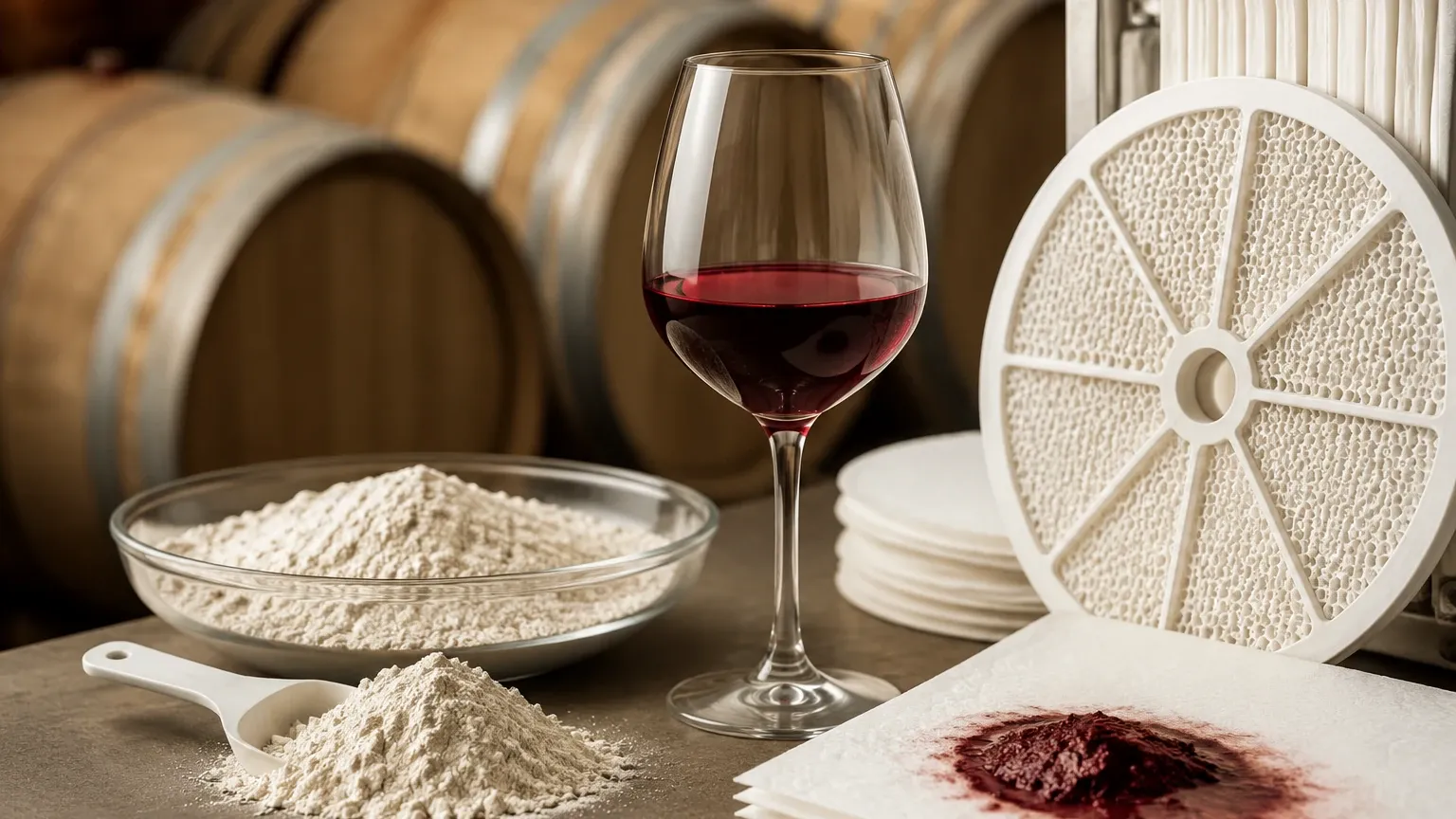
Diatomaceous earth wine filtration remains one of the most reliable and cost-effective methods for achieving clarity and stability in large-scale wine production. Often referred to as "DE filtration" or "earth filtration," this process utilizes the unique physical properties of fossilized microscopic algae—diatoms—to remove suspended solids, yeasts, and bacteria from the liquid. For engineers and cellar masters, the efficiency of this process depends not only on the quality of the filter media but also on the precision of the instrumentation used to monitor the filtration vessels and slurry tanks.
In a modern winery, managing the flow and dosing of diatomaceous earth requires integrated automation. Precise level measurement is critical to ensure that the filtration cycle remains continuous, preventing costly downtime or the contamination of the filtrate. This guide explores the technical principles of diatomaceous earth wine filtration and the instrumentation strategies required to optimize the process.
The Principles of Diatomaceous Earth Filtration
Diatomaceous earth is a naturally occurring, soft, siliceous sedimentary rock that is easily crumbled into a fine white to off-white powder. Because it is composed of the silica-rich cell walls of diatoms, it possesses an incredibly high porosity (up to 90% of its volume) and a massive surface area.
In the context of winemaking, DE filtration works through two primary mechanisms: mechanical straining and adsorption. The microscopic pores within the DE particles trap solids, while the irregular shapes of the particles create a complex labyrinth that slows the passage of smaller particles, allowing them to be captured by the surface of the media.
The Filtration Cycle
A typical diatomaceous earth wine filtration cycle consists of three distinct phases, each requiring careful monitoring of liquid levels and pressure differentials:
1. Pre-coating: Before the wine is introduced, a "pre-coat" of DE is established on a supporting structure, such as a stainless steel mesh screen or a filter leaf. A slurry of DE and water (or wine) is circulated through the filter until a uniform layer of approximately 1.5 to 3.0 mm is formed. Level sensors in the slurry tank ensure that enough volume is available to complete this coating without drawing air into the pump.
2. Body Feeding (Dosing): As the wine begins to flow through the filter, additional DE—known as body feed—is continuously added to the incoming wine. This prevents the surface of the pre-coat from becoming blinded by solids. The body feed maintains the porosity of the filter cake, allowing for longer filtration runs. Monitoring the level in the dosing tank is essential to prevent the system from running dry.
3. Filtration and Cake Discharge: The filtration continues until the pressure drop across the filter reaches a maximum limit or the filter vessel is full of solids. Once the cycle is complete, the "spent" filter cake is removed, and the system is cleaned (often via CIP) for the next batch.
The Role of Level Measurement in Filtration Automation
To maintain the efficiency of diatomaceous earth wine filtration, several tanks within the filtration skid must be monitored. Inaccurate level readings can lead to pump cavitation, inconsistent dosing ratios, or overflow of wine and slurry.
Slurry and Dosing Tanks
In these tanks, DE is mixed with liquid to create a suspension. These tanks often feature high-speed agitators to prevent the heavy DE particles from settling at the bottom. The level measurement solution must be able to withstand turbulence and the abrasive nature of the silica particles.
Filtration Vessels
In pressure leaf filters or horizontal plate filters, monitoring the liquid level during the filling and emptying stages is necessary for process safety. Furthermore, detecting the interface between the wine and the cleaning solution during transitions helps minimize product loss.
Buffer and Collection Tanks
Filtered wine is typically sent to a buffer tank before bottling or further aging. Precise level control here ensures that the filtration rate matches the downstream demand, preventing frequent starts and stops that can disturb the filter cake.
Selecting Level Measurement Technologies
When choosing instrumentation for a diatomaceous earth wine filtration system, engineers must consider the physical properties of the media, the sanitary requirements of the wine industry, and the mechanical constraints of the tanks. For a comprehensive range of industrial measurement tools, engineers can Review product options and application support to find the specific sensor for their configuration.
1. Radar Level Meters (Non-Contact)
Radar technology, specifically High-Frequency (80GHz) Radar, is increasingly preferred in wine filtration. It works on the Time-of-Flight (ToF) principle, where microwave pulses are emitted, reflected off the liquid surface, and received by the sensor.
* Advantages: Non-contact measurement means no wear from abrasive DE particles. It is unaffected by changes in density, temperature, or pressure. Modern radar units can see through foam and ignore the effects of agitators via sophisticated software filtering.
* Application: Ideal for dosing tanks and main wine storage tanks.
2. Ultrasonic Level Sensors
Ultrasonic sensors use sound waves to measure the distance to the liquid surface. They are a cost-effective alternative to radar for many applications.
* Advantages: Non-contact and easy to install.
* Limitations: In winemaking, ultrasonic sensors can struggle with heavy foam or steam during hot CIP cycles. Sound speed is also affected by air temperature gradients within the tank.
* Application: Suitable for water supply tanks or atmospheric buffer tanks where foam is minimal.
1.
3. Hydrostatic Level Transmitters
These sensors measure the pressure exerted by the liquid column. Since pressure is directly proportional to the height of the liquid (Level = Pressure / Density), they provide a continuous level reading.
* Advantages: Highly accurate and can be mounted at the bottom of the tank. They are robust and familiar to most maintenance teams.
* Limitations: Because they rely on density, the reading will shift if the concentration of the DE slurry changes significantly. They are also "contact" sensors, meaning the diaphragm must be made of wear-resistant materials if used in abrasive slurries.
* Application: Excellent for clean wine tanks and balanced water tanks.
4. Point Level Switches
While continuous measurement provides a 0-100% scale, point level switches act as safety triggers for high-level (overflow) or low-level (pump protection) states.
* Technologies: Tuning forks (vibrating level switches) or capacitive probes are common.
* Application: Mandatory for redundant overfill protection on all process vessels.
Technical Selection Table for Wine Filtration Tanks
| Tank Type | Recommended Technology | Primary Benefit | Potential Challenge |
| :— | :— | :— | :— |
| DE Slurry Tank | Radar (80GHz) | Ignores agitation and abrasion | Higher initial investment |
| Wine Buffer Tank | Hydrostatic | High precision for inventory | Requires density compensation |
| Filtration Vessel | Radar or Level Switch | Detects liquid presence in pressure | High-pressure seals required |
| CIP/Wash Tank | Ultrasonic | Cost-effective for water | Steam/Vapor interference |
| Waste/Lees Tank | Tuning Fork Switch | Reliable high-level alarm | Build-up on the probe |
Installation and Engineering Considerations
Successful integration of level sensors into a diatomaceous earth wine filtration system requires attention to several engineering details:
* Sanitary Design: All sensors must meet food-grade standards (e.g., 3-A or EHEDG). This involves using 316L stainless steel for wetted parts and ensuring that process connections are tri-clamp or other sanitary fittings to prevent bacterial growth.
* Agitator Interference: In dosing tanks, the sensor should be mounted in a position where the radar or ultrasonic beam does not hit the agitator blades. If this is impossible, the sensor’s software must be configured with a "false echo suppression" map.
* Abrasiveness: Diatomaceous earth is abrasive. For hydrostatic sensors, a ceramic diaphragm is often superior to stainless steel as it resists pitting and wear from the moving slurry.
* Foam Management: Wine filtration can generate foam, especially during the initial filling of the vessel. Radar sensors with high signal-to-noise ratios are better equipped to penetrate foam and track the true liquid level.
Limitations of Diatomaceous Earth Filtration
While highly effective, DE filtration has limitations that engineers must manage through proper instrumentation and process design:
* Media Handling: DE is a fine powder that can be a respiratory hazard if not handled correctly. Automated dosing systems that monitor levels in enclosed hoppers and tanks help mitigate this risk.
* Waste Disposal: The spent filter cake (DE mixed with organic wine solids) must be disposed of, which can be an environmental and logistical challenge. Efficient level monitoring ensures that the maximum amount of wine is recovered before the cake is discharged, reducing waste volume.
* Oxygen Pickup: If the filtration system draws air due to a low-level condition in the feed tank, the wine can become oxidized, ruining its sensory profile. Reliable low-level interlocks are the primary defense against this issue.
Frequently Asked Questions (FAQ)
Q: Can I use the same level sensor for both red and white wine?
A: Yes. Technologies like radar and ultrasonic are independent of the liquid's color. However, if using hydrostatic sensors, ensure the density settings are adjusted if there is a significant difference in the specific gravity of the wines.
Q: How does the concentration of DE in the slurry affect measurement?
A: For non-contact sensors (Radar/Ultrasonic), it has no effect. For hydrostatic sensors, a higher concentration of DE increases the density of the fluid, which will cause the sensor to report a higher level than actually exists unless compensated.
Q: How often should level sensors in DE systems be calibrated?
A: For critical dosing applications, an annual calibration check is recommended. Because DE is abrasive, wetted parts should be inspected for wear during the off-season maintenance cycle.
Q: Is radar overkill for a small winery?
A: While the initial cost is higher, the lack of maintenance and the high reliability of radar often lead to a lower total cost of ownership compared to sensors that fail due to abrasion or provide inaccurate readings due to foam.
Conclusion
Optimizing diatomaceous earth wine filtration is a balance of traditional winemaking expertise and modern process control. By understanding the physical principles of the filtration media and implementing robust level measurement strategies, wineries can ensure consistent product quality, minimize losses, and maintain a safe, automated production environment. Whether selecting a radar meter for a turbulent slurry tank or a hydrostatic transmitter for a finished wine vessel, the goal remains the same: precision in every drop. For more information on selecting the right tools for your facility, visit the Main Page to explore the full range of industrial level measurement solutions.