Dissolved Oxygen Analyser
Dissolved Oxygen Analyser
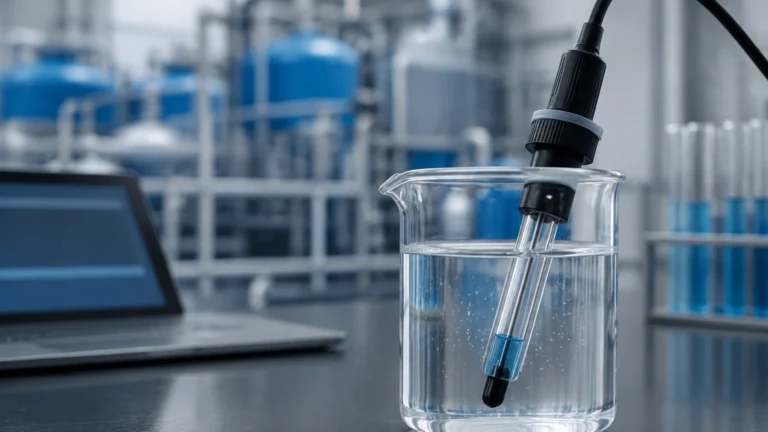
In industrial liquid analysis, the dissolved oxygen analyser stands as a critical instrument for monitoring water quality and process efficiency. Dissolved oxygen (DO) refers to the concentration of free, non-compound oxygen present in liquids. For industries ranging from municipal wastewater treatment to high-pressure steam generation in power plants, maintaining precise DO levels is not merely a matter of compliance but a fundamental requirement for operational stability and asset protection.
This guide provides a technical overview of dissolved oxygen measurement technologies, selection criteria, and installation best practices for engineering and maintenance professionals.
Measurement Principles
Understanding the underlying physics of a dissolved oxygen analyser is essential for selecting the correct technology for a specific environment. Currently, two primary methods dominate the industrial landscape: electrochemical (amperometric) and optical (fluorescence quenching).
1. Electrochemical Sensors (Polarographic and Galvanic)
Electrochemical sensors operate by reducing oxygen at a cathode, which generates an electrical current proportional to the partial pressure of oxygen in the liquid.
* Polarographic Sensors: These require an external polarizing voltage. They consist of a gold cathode and a silver anode immersed in an electrolyte (typically KCl), separated from the process by a semi-permeable membrane. Oxygen diffuses through the membrane and is reduced at the cathode.
* Galvanic Sensors: These are self-polarizing. They use dissimilar metals (such as a lead anode and a silver/gold cathode) that create a spontaneous potential difference.
Key Characteristic: Both types consume oxygen during the measurement process. Consequently, they require a minimum flow rate (typically 0.3 m/s) to ensure a fresh supply of oxygen reaches the membrane, preventing artificially low readings.
2. Optical Sensors (Fluorescence Quenching)
Optical dissolved oxygen analysers represent the modern standard for many B2B applications due to their reduced maintenance requirements. These sensors use a luminophore—a chemical layer that fluoresces when exposed to blue light.
When oxygen molecules come into contact with the luminophore, they "quench" the fluorescence. The sensor measures the phase shift or the decay time of the reflected red light. The higher the oxygen concentration, the shorter the decay time. Unlike electrochemical versions, optical sensors do not consume oxygen and do not require a minimum flow rate.
Selection Criteria for Industrial Applications
Choosing the right dissolved oxygen analyser involves evaluating the process environment against sensor limitations. The following table summarizes the primary selection factors:
| Feature | Polarographic/Galvanic | Optical (Fluorescence) |
| :— | :— | :— |
| Maintenance Frequency | High (Membrane/Electrolyte replacement) | Low (Annual cap replacement) |
| Flow Dependency | Requires constant flow | Independent of flow |
| Warm-up Time | 5–20 minutes | Near-instantaneous |
| H2S Resistance | Poor (Poisons the anode) | Excellent |
| Calibration Stability | Moderate (Drifts as electrolyte ages) | High (Long-term stability) |
| Initial Cost | Lower | Higher |
| Response Time (T90) | 30–90 seconds | 30–60 seconds |
System Architecture and Components
A complete dissolved oxygen analyser system typically comprises three main components:
1. The Sensor (Probe): The primary sensing element in contact with the process fluid. In industrial settings, these are often housed in robust stainless steel or PVC bodies.
2. The Transmitter/Controller: This unit processes the raw signal from the sensor, applies temperature compensation, and converts it into a standardized output (such as 4-20mA, HART, or Modbus). It also provides the local display for operators.
3. Mounting Hardware: Depending on the application, this may include immersion assemblies for open tanks, flow cells for bypass lines, or retractable housings for pressurized pipes.
For comprehensive process control, these systems are often integrated with other instrumentation. For example, in large-scale tank management, users often refer to the Main Page of instrumentation providers like Welk to coordinate DO data with liquid level and volume measurements.
Installation Considerations
Correct installation is vital to ensure the longevity and accuracy of a dissolved oxygen analyser. Engineers should adhere to the following guidelines:
Orientation and Placement
* Angle of Entry: Sensors should ideally be installed at a 45-degree angle to the horizontal. This prevents air bubbles from collecting on the sensor face (which would cause false high readings) and prevents sediment from settling on the membrane (which would cause false low readings).
* Representative Sampling: Place the sensor in a location where the liquid is well-mixed. Avoid "dead zones" or areas immediately adjacent to chemical injection points.
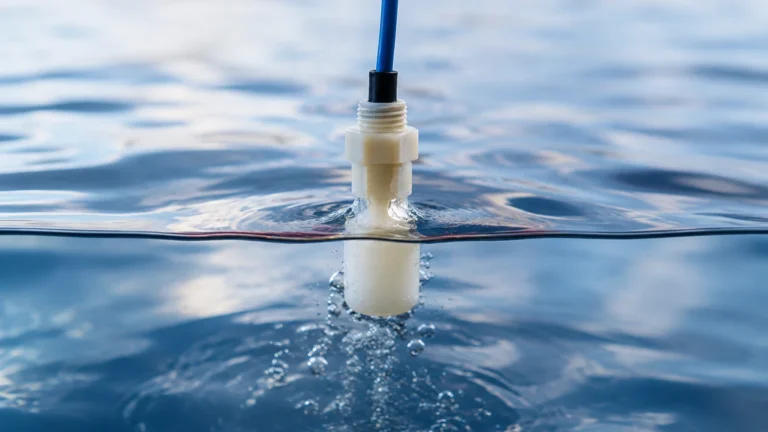
* Submergence Depth: In open basins (like aeration tanks), ensure the sensor is submerged at least 500 mm below the surface to avoid atmospheric interference, but high enough to avoid the sludge layer.
Temperature and Pressure
Oxygen solubility is highly dependent on temperature and, to a lesser extent, salinity and pressure. Most industrial dissolved oxygen analysers include an integrated Thermistor or RTD (Pt100/Pt1000) for automatic temperature compensation. Ensure the process temperature remains within the sensor's rated operating range (typically 0°C to 50°C for standard probes).
Calibration and Maintenance
Calibration Methods
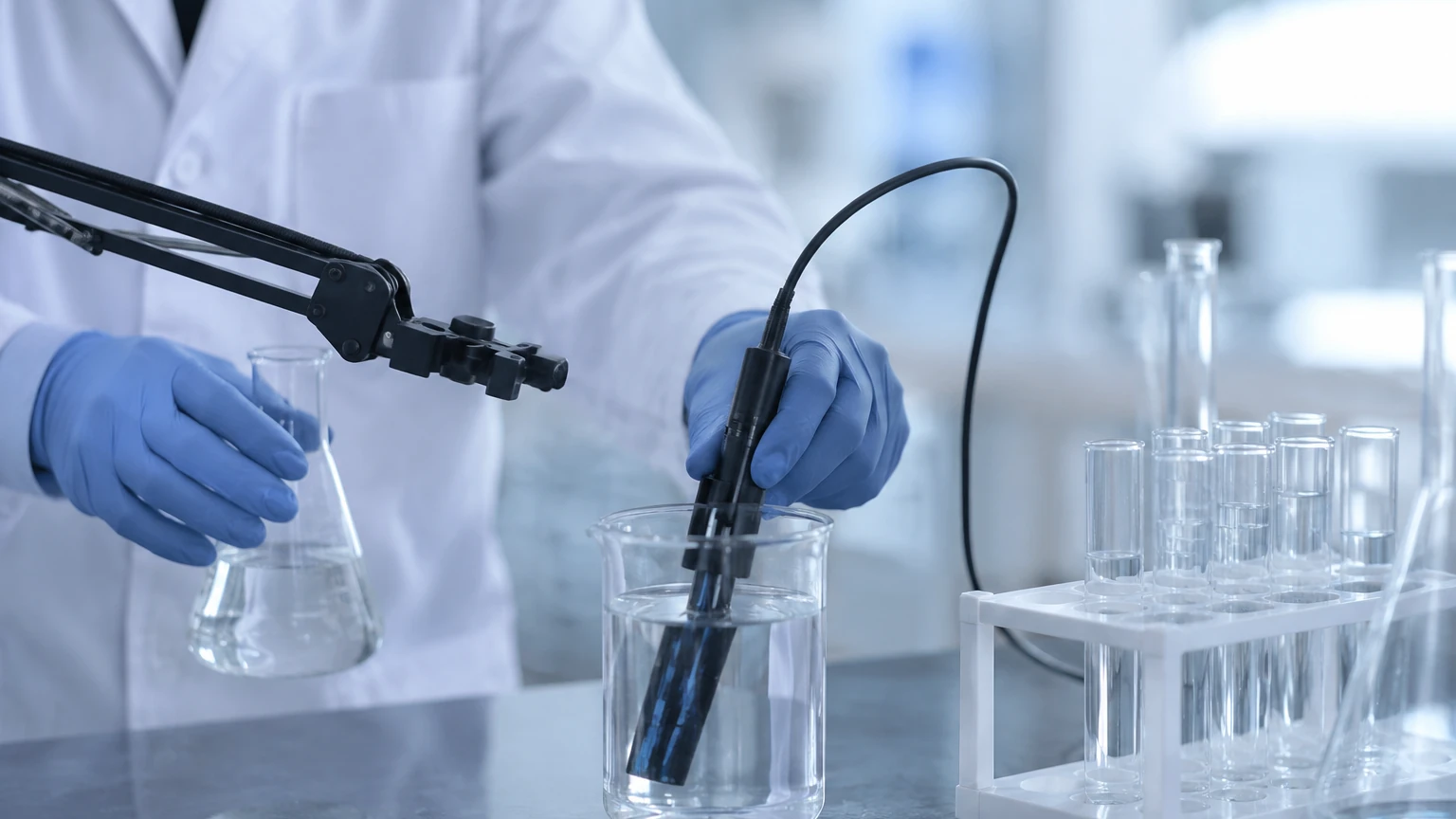
1. Air Calibration (Water-Saturated Air): The most common method. The sensor is held in the air just above the water surface. Since the oxygen content of air is constant (approximately 20.9%), this provides a reliable reference point.
2. Winkler Titration: A laboratory chemical method used to verify the accuracy of the online analyser. This is often used for "grab sample" validation.
3. Zero-Point Calibration: Performed using an oxygen-free solution (such as sodium sulfite dissolved in water) to ensure the sensor reads zero in the absence of oxygen.
Maintenance Tasks
* Optical Sensors: Maintenance is generally limited to cleaning the sensing cap with a soft cloth and replacing the cap once every 12 to 24 months.
* Electrochemical Sensors: These require periodic cleaning of the membrane, replacement of the electrolyte solution, and occasional polishing of the cathode if it becomes tarnished.
Common Risks and Troubleshooting
Industrial environments pose several risks to dissolved oxygen measurement accuracy:
* Membrane Fouling: In wastewater, biological growth or grease can coat the membrane. This slows the response time and reduces sensitivity. Automated cleaning systems (using compressed air or water jets) are recommended for high-fouling environments.
* Chemical Interference: Hydrogen Sulfide (H2S) is a common disruptor for electrochemical sensors, as it can penetrate the membrane and react with the anode. In such cases, optical sensors are the preferred solution.
* Bubble Interference: If a sensor is placed directly above an aeration diffuser, bubbles hitting the sensor face will cause erratic, high readings. Relocate the sensor to a zone with high dissolved oxygen but low turbulent bubbling.
Application-Specific Considerations
Wastewater Treatment
In the activated sludge process, a dissolved oxygen analyser is used to control aeration blowers. Maintaining DO between 1.5 mg/L and 2.0 mg/L is typical. If DO is too low, the bacteria die; if it is too high, energy is wasted. Precision here directly impacts the facility's electricity bill.
Power Plant Boiler Feedwater
In high-pressure boilers, even trace amounts of oxygen cause severe pitting corrosion. Here, the dissolved oxygen analyser must be capable of measuring in the parts-per-billion (ppb) range. These applications almost exclusively use specialized electrochemical sensors designed for ultra-low concentrations.
Aquaculture
Fish and shrimp farming require constant DO monitoring to prevent mass mortality. These applications often prioritize ease of use and portability, though fixed-site analysers are used in recirculating aquaculture systems (RAS).
Integration with Level Measurement
In many industrial B2B scenarios, liquid analysis is only one part of the puzzle. Effective tank and vessel management requires a holistic approach. For instance, when monitoring a fermentation tank or a chemical reactor, the dissolved oxygen levels must be correlated with the total volume of the liquid.
Reliable level measurement instruments, such as those found on the Welk Main Page, provide the necessary data to calculate total oxygen mass balance and ensure that sensors remain properly submerged regardless of batch cycles. Combining high-quality level transmitters with a robust dissolved oxygen analyser ensures a comprehensive view of the process state.
Frequently Asked Questions (FAQs)
Q: How often should I calibrate my dissolved oxygen analyser?
A: For optical sensors, once every 3–6 months is usually sufficient. Electrochemical sensors may require calibration every 2–4 weeks depending on the stability of the process conditions.
Q: Can I use a dissolved oxygen analyser in saltwater?
A: Yes, but you must account for salinity. Salt reduces the solubility of oxygen. Most modern transmitters allow you to input the salinity value (in ppt or mS/cm) to automatically correct the reading.
Q: What is the difference between mg/L and % Saturation?
A: mg/L (or ppm) measures the actual mass of oxygen in a liter of water. % Saturation measures the amount of oxygen relative to the maximum amount the water could hold at that specific temperature and pressure. Most analysers can toggle between these two units.
Q: Why is my sensor reading higher than the theoretical maximum?
A: This is usually caused by air bubbles trapped on the sensor membrane or sensing cap. Ensure the sensor is installed at an angle and in a location where bubbles can freely escape.
Q: Are optical sensors always better than electrochemical ones?
A: While optical sensors require less maintenance and handle H2S better, electrochemical sensors are often more cost-effective for clean water applications and remain the standard for ultra-low ppb measurements in the power industry.