Dissolved Oxygen and Ph Meter
Dissolved Oxygen and Ph Meter
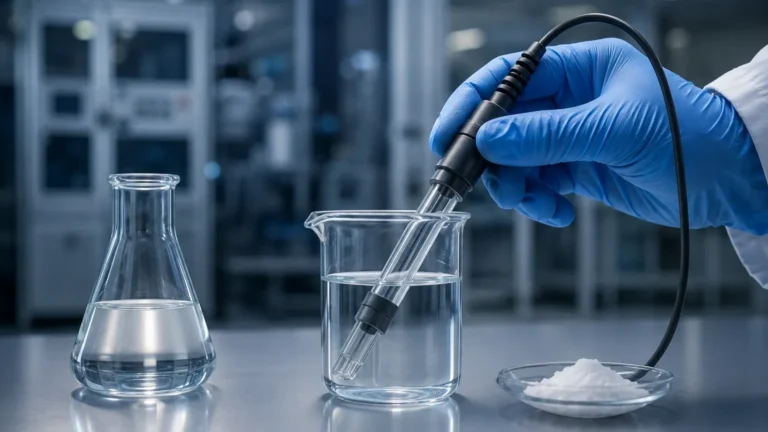
In industrial process control and water treatment, monitoring the chemical composition of a liquid is as critical as managing its physical volume. While level measurement instruments ensure that tanks do not overflow or run dry, analytical instruments like a dissolved oxygen and ph meter provide the necessary data to maintain biological stability, chemical reactivity, and regulatory compliance. This article explores the technical principles, selection criteria, and installation best practices for integrated DO and pH monitoring systems in B2B environments.
Understanding the Measurement Principles
Before selecting a dissolved oxygen and ph meter, it is essential to understand the underlying physics and chemistry of these two distinct measurements. Although they are often housed in a single multi-parameter transmitter, the sensing technologies differ significantly.
pH Measurement Principles
pH is a measure of the hydrogen ion activity in a solution, indicating its acidity or alkalinity on a scale of 0 to 14. The most common industrial method utilizes a potentiometric sensor consisting of a glass electrode and a reference electrode.
When the glass membrane comes into contact with the process liquid, a relative millivolt (mV) potential is generated based on the difference in hydrogen ion concentration between the internal buffer and the external sample. This relationship is governed by the Nernst Equation. Because the potential is temperature-dependent, modern pH meters incorporate an Automatic Temperature Compensation (ATC) element (typically a Pt100 or Pt1000 RTD) to ensure accuracy across varying process conditions.
Dissolved Oxygen (DO) Measurement Principles
Dissolved oxygen refers to the amount of gaseous oxygen (O2) dissolved in a liquid. In industrial settings, two primary technologies are used:
1. Electrochemical (Membrane-covered): These sensors (either Polarographic or Galvanic) use a gas-permeable membrane. Oxygen diffuses through the membrane and is reduced at a cathode, creating an electrical current proportional to the partial pressure of oxygen. These require regular electrolyte replacement and membrane maintenance.
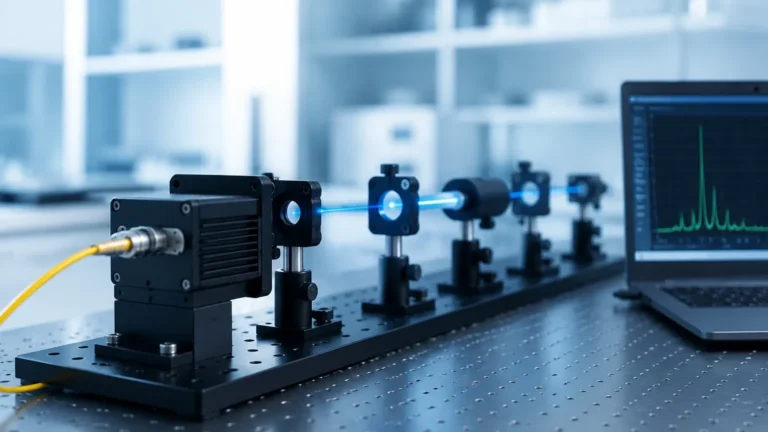
2. Optical (Luminescence-based): This newer technology uses a sensor cap coated with a luminescent dye. A blue light excites the dye, and as it returns to its ground state, it emits red light. Oxygen molecules "quench" this luminescence. By measuring the phase shift or decay time of the red light, the meter calculates the oxygen concentration. Optical sensors are increasingly preferred in industrial B2B applications due to their lack of oxygen consumption and lower maintenance requirements.
The Role of Combined Monitoring in Process Control
In many industrial sectors, pH and DO are inextricably linked. For example, in aerobic wastewater treatment, the rate of oxygen consumption by microorganisms can influence the CO2 balance, which in turn affects the pH of the liquor.
Integrating a dissolved oxygen and ph meter into a single control loop allows engineers to:
* Optimize aeration energy costs by adjusting blower speeds based on real-time DO levels.
* Protect downstream equipment from corrosion by maintaining strict pH limits.
* Ensure the efficacy of chemical dosing (e.g., neutralization or flocculation) which is often pH-dependent.
While these analytical parameters define the "quality" of the process, they must be paired with accurate "quantity" data. For comprehensive tank management, operators often refer to the Main Page of their instrumentation providers to select complementary radar or ultrasonic level sensors that work alongside analytical probes.
Selection Criteria for Industrial Applications
Choosing the right dissolved oxygen and ph meter requires an evaluation of the process environment and the required data output. The following table provides a comparison of key factors for sensor selection.
Selection Comparison Table
| Feature | pH Sensor (Glass) | DO Sensor (Optical) | DO Sensor (Electrochemical) |
| :— | :— | :— | :— |
| Primary Application | Neutralization, Chemical Synthesis | Aeration, Aquaculture, Fermentation | High-pressure steam, Power plants |
| Maintenance Frequency | High (Cleaning & Calibration) | Low (Annual Cap Replacement) | Medium (Electrolyte Refills) |
| Response Time | Fast (10–30 seconds) | Moderate (30–90 seconds) | Fast (15–60 seconds) |
| Interference Risks | Hydrofluoric acid, High Na+ | High turbidity (minimal impact) | H2S, CO2 poisoning |
| Calibration Method | Buffer Solutions (pH 4, 7, 10) | Water-saturated air | Zero-oxygen solution / Air |
Installation Considerations and Best Practices
The physical placement of a dissolved oxygen and ph meter significantly impacts its reliability and the lifespan of the electrodes.
Flow and Turbulence
For electrochemical DO sensors, a minimum flow velocity (typically 0.3 m/s) is required across the membrane to prevent oxygen depletion at the cathode. Optical DO sensors do not consume oxygen and are therefore less sensitive to flow rates, making them ideal for stagnant or low-flow applications. pH sensors should be installed in areas with sufficient mixing to ensure the reading represents the bulk fluid, but away from extreme turbulence that could cause mechanical stress on the glass bulb.
Submersion and Mounting
In large tanks or open channels, sensors are often mounted on immersion assemblies. It is vital to ensure the sensors are submerged deep enough (at least 150 mm to 300 mm) to avoid surface effects but are accessible for routine maintenance. In pressurized pipelines, retractable housings allow the sensors to be removed for cleaning and calibration without shutting down the process line.
Temperature and Pressure Limits
Standard industrial pH and DO probes are typically rated for temperatures up to 80°C (176°F) and pressures up to 6 bar (87 psi). For high-temperature applications, such as boiler feed water or chemical reactors, specialized high-temperature glass and pressure-compensated reference systems are required.

Maintenance, Calibration, and Troubleshooting
Analytical sensors are consumables; their performance degrades over time due to electrode aging and environmental fouling.
1. pH Calibration: This should be performed using at least two-point calibration with certified buffer solutions. In heavy industrial use, weekly or bi-weekly calibration is standard. If the "slope" of the sensor falls below 85% of the theoretical Nernst value, the sensor should be replaced.
2. DO Calibration: Optical DO sensors are remarkably stable and often only require a single-point calibration in water-saturated air. This can be done by holding the probe just above the water surface in a humid environment.
3. Cleaning: Fouling is the most common cause of measurement drift. In wastewater applications, fats, oils, and greases (FOG) can coat the sensor. Automated cleaning systems using compressed air or water jets can significantly extend the interval between manual cleanings.
Limitations and Potential Risks
While a dissolved oxygen and ph meter is a powerful tool, users must be aware of its limitations:
* Salinity Correction: For DO measurements, the solubility of oxygen decreases as salinity increases. Industrial meters must allow for salinity compensation (either manually entered or via a conductivity input) to provide accurate mg/L or ppm readings.
* Dehydration: pH electrodes must never be allowed to dry out. If left in an empty tank, the hydration layer on the glass membrane will be damaged, leading to sluggish response or total failure.
* Ground Loops: In large metal tanks, electrical noise can interfere with the low-voltage signals of pH probes. Using a transmitter with a solution ground or differential pre-amplifier is often necessary to eliminate these errors.
Frequently Asked Questions (FAQ)
Q: Can I use one transmitter for both pH and DO sensors?
A: Yes, most modern industrial multi-parameter controllers support dual-channel inputs, allowing you to view and transmit both pH and DO data from a single device.
Q: How often should I replace the DO sensor cap?
A: For optical sensors, the sensing cap typically lasts 12 to 24 months, depending on the abrasive nature of the process fluid.
Q: Why does my pH reading drift in high-purity water?
A: High-purity water has very low conductivity, which makes the reference junction potential unstable. Specialized low-conductivity pH probes with a high flow rate of electrolyte are required for these applications.
Conclusion
Effective liquid analysis is a multi-faceted challenge that requires the right combination of sensing technology and physical installation. A dissolved oxygen and ph meter provides the essential chemical data needed to optimize industrial processes, protect the environment, and ensure product quality. By understanding the principles of potentiometric pH sensing and optical or electrochemical DO measurement, engineering teams can implement robust monitoring solutions.
For professionals looking to integrate these analytical measurements with reliable tank level monitoring, it is important to consult technical specifications and application guides. You can Review product options and application support to find the appropriate instrumentation for your specific industrial automation needs, ensuring that both the quantity and quality of your process fluids are managed with precision.