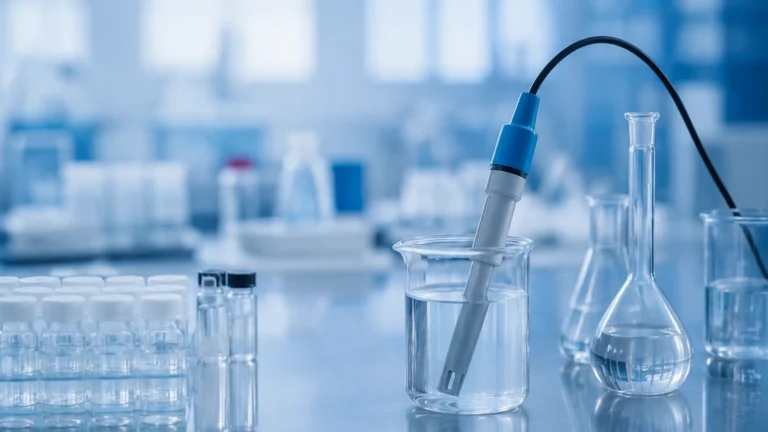
Dissolved Oxygen Unit
Dissolved Oxygen Unit
In industrial process control and environmental monitoring, the term "dissolved oxygen unit" refers to two distinct but inseparable concepts: the physical instrumentation used to detect oxygen levels in liquids and the specific units of measurement used to quantify that concentration. For engineers and plant managers in water treatment, chemical processing, and industrial automation, understanding both the hardware and the data units is essential for maintaining process efficiency and regulatory compliance.
Dissolved oxygen (DO) is a measure of the amount of free, non-compound oxygen present in water or other liquids. Because oxygen is a key driver of both biological activity and chemical oxidation, its measurement is a cornerstone of liquid analysis. This guide provides a technical overview of dissolved oxygen measurement principles, unit definitions, selection criteria, and installation best practices.
Measurement Principles of Dissolved Oxygen Units
Before selecting a dissolved oxygen unit, it is necessary to understand the physics behind the measurement. Industrial DO sensors generally fall into two primary categories: electrochemical and optical.
1. Electrochemical Sensors (Polarographic and Galvanic)
Electrochemical sensors operate by using a semi-permeable membrane to separate the sample liquid from an internal electrolyte solution. Oxygen molecules diffuse through the membrane and are reduced at a cathode, creating an electrical current proportional to the partial pressure of oxygen.
* Polarographic Sensors: These require an external polarizing voltage to drive the chemical reaction. They typically have a warm-up period but offer high precision in stable environments.
* Galvanic Sensors: These use dissimilar metals (such as silver and lead) to create a self-polarizing potential. They are ready for immediate use upon power-up and are often preferred for portable applications or remote installations.
2. Optical Sensors (Fluorescence Quenching)
Optical dissolved oxygen units, often called Luminescent Dissolved Oxygen (LDO) sensors, represent the modern standard for many industrial applications. These sensors use a blue LED to excite a luminescent material (luminophore) on the sensor cap. As the luminophore returns to its ground state, it emits red light. If oxygen is present, it "quenches" this reaction. The sensor measures the phase shift or the lifetime of the luminescence to determine the oxygen concentration.
Optical sensors are increasingly popular because they do not consume oxygen during measurement, do not require a minimum flow rate, and are less susceptible to interference from hydrogen sulfide or other chemicals that can "poison" electrochemical membranes.
Understanding the Dissolved Oxygen Unit of Measure
When configuring a transmitter or analyzing process data, the choice of the dissolved oxygen unit of measure significantly impacts how the data is interpreted. There are three primary ways to express DO concentration.
Concentration: mg/L and ppm
The most common units for industrial and environmental reporting are milligrams per liter (mg/L) or parts per million (ppm). In aqueous solutions, these two units are effectively equivalent (1 mg/L ≈ 1 ppm). This unit represents the absolute mass of oxygen dissolved in a specific volume of liquid. It is the critical metric for wastewater aeration basins, where a specific mass of oxygen is required to sustain microbial life.
Percent Saturation (% Sat)
Percent saturation measures the amount of oxygen in the liquid relative to the maximum amount of oxygen that the liquid could hold at that specific temperature and atmospheric pressure. At 100% saturation, the liquid is in equilibrium with the atmosphere. This unit is vital for aquaculture and environmental monitoring because it accounts for the fact that cold water can hold more oxygen than warm water.
Partial Pressure (mmHg or hPa)
In some specialized chemical processes, DO is measured as partial pressure. This unit describes the individual pressure exerted by oxygen molecules within the liquid mixture. It is the raw physical property that both electrochemical and optical sensors actually detect before the transmitter converts it into mg/L or % saturation.
Technical Selection Criteria for Industrial DO Units
Selecting the right dissolved oxygen unit requires balancing accuracy, maintenance requirements, and the specific characteristics of the process media. The following table compares the two primary sensor technologies used in industrial automation.
| Feature | Electrochemical (Membrane) | Optical (LDO/RDO) |
| :— | :— | :— |
| Maintenance Frequency | High (Membrane/Electrolyte replacement) | Low (Annual cap replacement) |
| Flow Requirement | Requires constant flow (0.3 m/s) | No flow required |
| Warm-up Time | 10 to 60 minutes | Instantaneous |
| Interference | Sensitive to H2S, CO2, and pH extremes | Highly resistant to chemical interference |
| Initial Cost | Lower | Higher |
| Long-term Cost | Higher (Labor and consumables) | Lower (Minimal maintenance) |
| Accuracy | High (if calibrated frequently) | High and stable over time |
Integration with Level and Process Control Systems
In industrial tank management, a dissolved oxygen unit rarely operates in isolation. It is typically part of a broader instrumentation suite that includes temperature, pH, and level measurement. For instance, in an aeration tank or a chemical reactor, knowing the dissolved oxygen level is only useful if the volume of the liquid is also known.
For comprehensive monitoring of tank environments, integrating DO sensors with reliable level measurement solutions from the Main Page ensures full process visibility. When the liquid level drops, the oxygen demand or the concentration dynamics may change, requiring the control system to adjust aeration blowers or chemical feed pumps accordingly. Modern transmitters often support multi-parameter inputs, allowing a single "unit" to process signals from both a DO probe and a hydrostatic or ultrasonic level transmitter.

Installation and Engineering Considerations
Proper installation is critical to the longevity and accuracy of a dissolved oxygen unit. Engineers should adhere to the following guidelines during the design phase:
1. Avoid Dead Zones: Sensors should be placed in areas with representative flow. If using an electrochemical sensor, ensure the velocity is at least 0.3 meters per second (m/s) to prevent oxygen depletion at the membrane surface.
2. Submersion Depth: The sensor must remain fully submerged even at the lowest operating levels of the tank. Integrating the DO reading with a level meter helps prevent "dry run" conditions that can damage membrane sensors.
3. Bubble Interference: Do not install DO units directly above aeration diffusers. Rising air bubbles can collect on the sensor face, leading to artificially high and erratic readings.
4. Temperature Compensation: Oxygen solubility is highly temperature-dependent. Ensure the dissolved oxygen unit includes an integrated PT100 or PT1000 temperature sensor for automatic compensation.
5. Mounting Orientation: Most sensors should be mounted at an angle (typically 15 to 45 degrees from vertical) to prevent air bubbles from becoming trapped on the sensing element.
Limitations and Potential Risks
While modern dissolved oxygen units are robust, they are not infallible. Users must be aware of the following limitations:
* Fouling: In wastewater or biological processes, biofilm and algae can grow on the sensor head. This "biofouling" creates a barrier that slows response time and reduces accuracy. Automated cleaning systems (using compressed air or water jets) are often necessary.
* Salinity Effects: High salt concentrations (salinity) decrease oxygen solubility. If measuring DO in seawater or brine, the transmitter must be programmed with the salinity value to provide an accurate mg/L concentration.
* Pressure Shocks: Rapid pressure changes in a pipe can damage the delicate membranes of electrochemical sensors. Optical sensors are generally more resistant to pressure fluctuations but still have maximum pressure ratings (typically 10-20 bar).
Frequently Asked Questions (FAQ)
Q: How often should I calibrate my dissolved oxygen unit?
A: For electrochemical sensors, weekly or bi-weekly calibration is often required due to membrane aging. Optical sensors are much more stable and may only require calibration every 3 to 6 months, depending on the severity of the application.
Q: Can I use a dissolved oxygen unit in non-aqueous liquids?
A: Most industrial DO units are designed for water-based solutions. Using them in oils or aggressive solvents requires specialized materials (such as FFKM O-rings) and may require a specific calibration curve for that solvent's oxygen solubility.
Q: What is the difference between "Dissolved Oxygen" and "Oxygen Demand"?
A: Dissolved Oxygen (DO) is the actual amount of oxygen currently in the water. Biological Oxygen Demand (BOD) or Chemical Oxygen Demand (COD) is a measure of how much oxygen *will be consumed* by substances in the water over time. A DO unit measures the current state, not the potential demand.
Q: Why does my DO reading change when the temperature stays the same?
A: If the temperature is constant, changes in barometric pressure or salinity can change the DO concentration. Additionally, if the flow rate drops below the minimum threshold for a membrane sensor, the reading will artificially decline as the sensor consumes the oxygen in its immediate vicinity.
Conclusion
The effective deployment of a dissolved oxygen unit requires a dual focus on the physics of the sensor and the requirements of the process. By selecting the appropriate technology—whether the cost-effective electrochemical membrane or the low-maintenance optical sensor—and ensuring proper integration with level and temperature controls, industrial operators can achieve precise oxygen management. This precision leads to reduced energy costs in aeration, higher yields in chemical synthesis, and stricter adherence to environmental discharge permits.