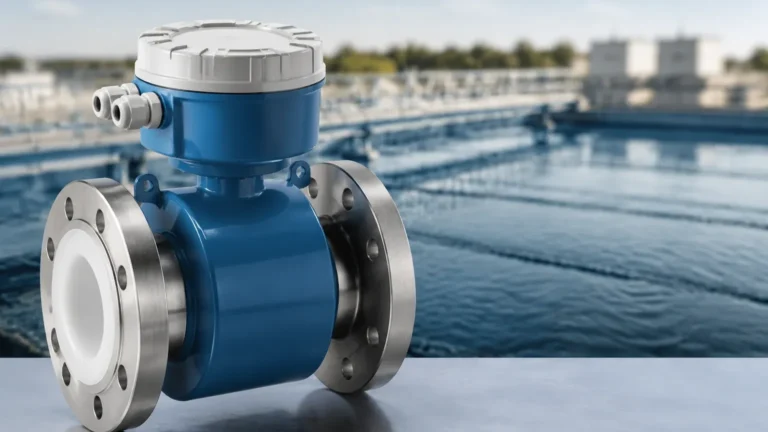
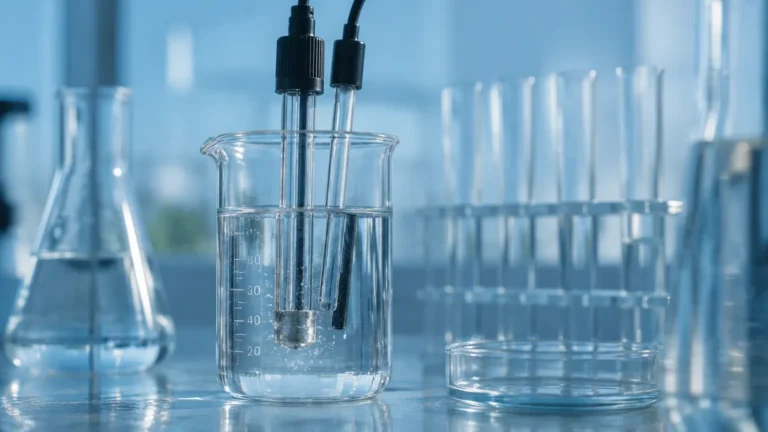
Clo2 Analyzer
Clo2 Analyzer
In modern industrial water treatment and process automation, the precise measurement of disinfectants is critical for both safety and operational efficiency. A Chlorine Dioxide (ClO2) analyzer is a specialized instrument designed to monitor the concentration of chlorine dioxide in aqueous solutions. Unlike elemental chlorine, chlorine dioxide is a powerful oxidant that does not react with organic matter to form trihalomethanes (THMs), making it a preferred choice in food and beverage processing, municipal water treatment, and cooling tower maintenance.
Selecting the right clo2 analyzer requires a deep understanding of the chemical environment, the physical constraints of the installation site, and the integration of the analyzer within a broader chemical dosing system. This guide provides a technical overview of measurement principles, selection criteria, and the essential role of ancillary instrumentation, such as level measurement, in maintaining a robust disinfection process.
Measurement Principles of Chlorine Dioxide Analyzers
Before selecting an instrument, engineers must evaluate the underlying technology used to detect ClO2. The two most common methods in industrial applications are amperometric measurement and colorimetric (DPD) analysis.
Amperometric Sensors
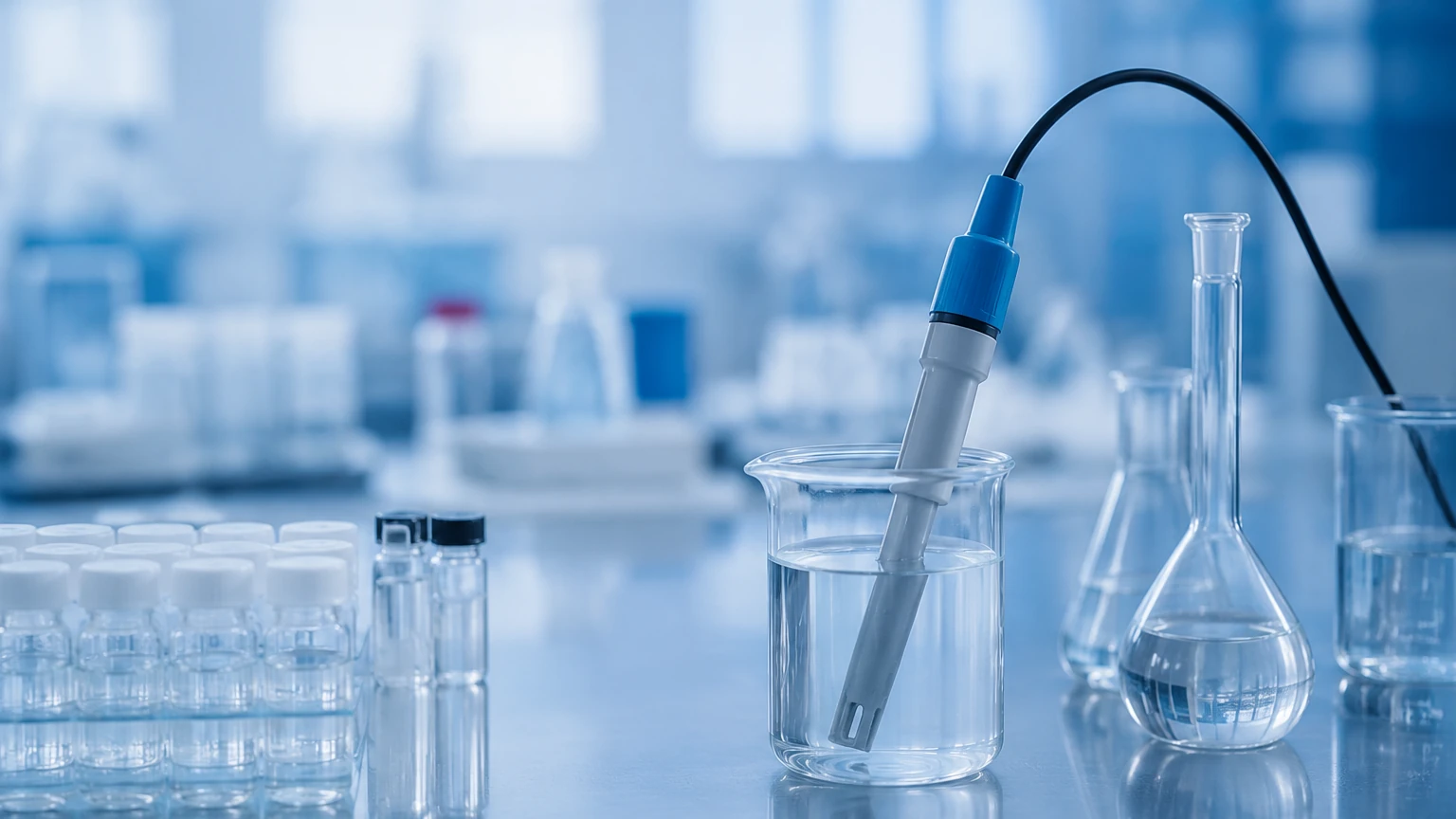
Amperometric measurement is the most common method for continuous, real-time monitoring. This electrochemical technique measures the current generated by the reduction of chlorine dioxide molecules at a working electrode. There are two primary types of amperometric sensors:
1. Membrane-Covered Sensors: These sensors utilize a gas-permeable membrane that separates the electrodes and electrolyte from the process water. Only dissolved ClO2 gas passes through the membrane, which significantly reduces interference from other ions or solids in the water. This design is highly stable and requires less frequent calibration.
2. Bare Electrode Sensors: These sensors lack a membrane and are in direct contact with the process fluid. While they offer a faster response time, they are more susceptible to fouling and changes in water conductivity or pH, often requiring sophisticated compensation algorithms.
Colorimetric (DPD) Analyzers
Colorimetric analyzers operate on a batch basis. A sample of water is collected, and a reagent (typically N,N-diethyl-p-phenylenediamine, or DPD) is added. The reagent reacts with the chlorine dioxide to produce a pink color, the intensity of which is measured photometrically. While highly accurate and often used as a laboratory standard, colorimetric analyzers involve moving parts, reagent consumption, and periodic waste disposal, making them more maintenance-intensive than amperometric systems.
Key Evaluation Criteria for Selection
When specifying a clo2 analyzer, several technical factors must be confirmed to ensure the device performs reliably in the specific application environment.
Measurement Range and Resolution
Most industrial applications require a range between 0 and 2.0 mg/L (ppm) or 0 to 10.0 mg/L. For high-concentration disinfection or pulp bleaching, ranges may extend significantly higher. The resolution should typically be 0.01 mg/L to allow for precise dosing control.
Temperature and pH Compensation
The solubility and reaction rate of chlorine dioxide are temperature-dependent. A high-quality analyzer must include an integrated Pt100 or Pt1000 temperature sensor to provide automatic compensation. Furthermore, while chlorine dioxide is less sensitive to pH fluctuations than free chlorine, extreme pH shifts can still affect sensor membrane permeability or chemical stability, necessitating pH compensation in certain process conditions.
Hydraulic Requirements
Amperometric sensors are flow-sensitive. They require a constant flow of water across the membrane to prevent the depletion of the analyte at the electrode surface. Most manufacturers specify a flow rate between 30 and 60 liters per hour (L/h). Selection should include a dedicated flow cell with a flow regulator to maintain these conditions regardless of main line pressure fluctuations.
The Role of Level Measurement in Dosing Systems
A clo2 analyzer does not operate in isolation. It is the "eyes" of a dosing loop that typically involves a chlorine dioxide generator or a chemical feed pump drawing from storage tanks. To ensure the analyzer always has a chemical supply to measure, and to prevent pump cavitation or dry running, accurate level measurement of the precursor chemicals (such as sodium chlorite and hydrochloric acid) is essential.
For engineers managing these systems, consulting a comprehensive Main Page for level measurement solutions is a standard step in system design. For instance, ultrasonic level sensors or non-contact radar level meters are frequently used to monitor the volume of corrosive precursors in storage tanks. If the level of a precursor drops too low, the dosing system may fail, leading to under-disinfection that the ClO2 analyzer will eventually report—but by then, the process integrity may already be compromised. Integrating level data with analyzer output provides a holistic view of the disinfection station's health.
Installation Considerations and Best Practices
Proper installation is as important as the choice of technology. Failure to follow hydraulic and electrical guidelines often leads to unstable readings and premature sensor failure.
* Bypass Assembly: It is recommended to install the analyzer on a bypass line rather than directly in a large diameter pipe. This allows for easier maintenance, calibration, and flow control without interrupting the main process.
* Pressure Regulation: Sensors are often rated for specific pressure limits (e.g., 1 bar or 14.5 psi for membrane types). If the process pressure is higher, a pressure-reducing valve must be installed before the flow cell.
* Point of Injection: The analyzer's sample point should be located far enough downstream from the ClO2 injection point to ensure the chemical is fully mixed, but close enough to provide a timely feedback signal for the dosing pump.
* Electrical Interference: Ensure the analyzer controller is shielded from electromagnetic interference (EMI) from large motors or variable frequency drives (VFDs) common in water treatment plants.
Technical Comparison Table: Amperometric vs. Colorimetric
| Feature | Amperometric (Membrane) | Colorimetric (DPD) |
| :— | :— | :— |
| Measurement Type | Continuous | Batch (Intermittent) |
| Response Time | Fast (seconds) | Slow (minutes) |
| Reagents Required | No | Yes |
| Maintenance Level | Low to Moderate | High (Reagent replacement) |
| Initial Cost | Moderate | High |
| Accuracy | Good (requires flow control) | Excellent (Laboratory standard) |
| Interferences | Ozone, Chlorine (low) | Turbidity, Manganese |
Common Risks and Maintenance Requirements
Operating a clo2 analyzer involves managing several operational risks to maintain data integrity:
1. Membrane Fouling: In water with high organic loading or calcium carbonate, the sensor membrane can become coated, slowing the response time. Periodic cleaning with dilute acid or specialized detergents is required.
2. Electrolyte Depletion: In amperometric sensors, the internal electrolyte solution is consumed over time. Depending on the model, this typically requires replenishment every 3 to 6 months.
3. Calibration Drift: All sensors drift. A weekly or bi-weekly manual check using a handheld DPD photometer is recommended to verify the analyzer's accuracy and perform a single-point calibration if necessary.
4. Air Bubbles: If air bubbles accumulate on the sensor membrane, they block the diffusion of ClO2, leading to falsely low readings. Flow cells should be designed to vent air automatically.
Frequently Asked Questions (FAQs)
1. Does pH affect a chlorine dioxide analyzer as much as a chlorine analyzer?
No. Unlike free chlorine, which exists as hypochlorous acid or hypochlorite ion depending on pH, chlorine dioxide remains a dissolved gas over a wide pH range (typically pH 4 to pH 10). However, very high pH levels can lead to the disproportionation of ClO2, which may indirectly affect readings.
2. Can I use a chlorine sensor to measure chlorine dioxide?
Generally, no. While both are oxidants, the electrochemical potential and the reaction kinetics at the electrode are different. Using a sensor not calibrated or designed for ClO2 will result in significant measurement errors.
3. How often should I replace the sensor membrane?
In clean water applications, a membrane can last 6 to 12 months. In harsh industrial environments or wastewater, replacement may be required every 2 to 4 months.
4. What is the impact of zero-flow on the sensor?
If the flow stops, the ClO2 near the sensor is consumed, and the reading will drop to zero even if the concentration in the main line is high. This is why flow switches are often integrated into the analyzer's alarm logic.
Conclusion
Implementing a clo2 analyzer is a vital step for any facility requiring precise disinfection control. By understanding the electrochemical principles of the sensors and ensuring the hydraulic conditions are met, operators can achieve high levels of accuracy. Furthermore, recognizing the dependency of the dosing system on auxiliary measurements—such as the level of chemical precursors—ensures a more resilient and automated process. For those looking to optimize their chemical storage and dosing infrastructure, reviewing the latest in level measurement technology is a recommended next step to complement their analyzer installation.