Durable Ph Sensor
Durable Ph Sensor
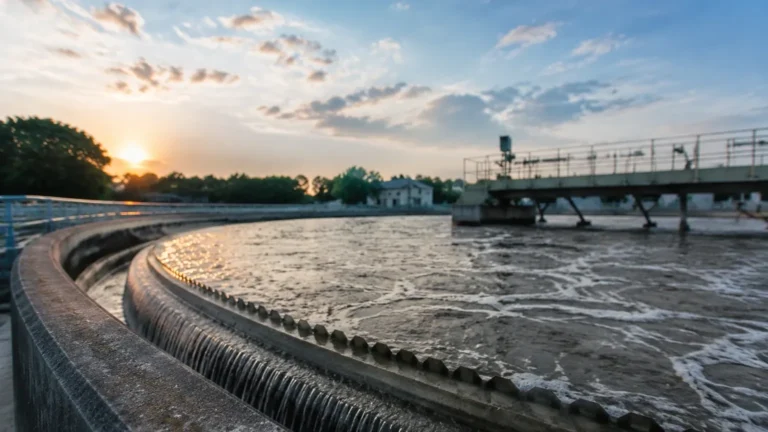
In industrial process control, the longevity and reliability of analytical instrumentation are paramount. Among the most critical yet sensitive instruments is the pH sensor. In environments ranging from aggressive chemical processing to municipal wastewater treatment, a standard laboratory-grade probe will fail within days or even hours. This necessitates the use of a durable ph sensor—an instrument engineered specifically to withstand high pressures, extreme temperatures, and chemically abrasive environments.
Understanding the engineering behind these sensors is essential for plant managers and instrumentation engineers who aim to reduce maintenance overhead and prevent process downtime. This guide explores the fundamental principles of pH measurement, the design characteristics that impart durability, and how to integrate these sensors into broader process automation systems, often alongside level measurement technologies found on our Main Page.
Understanding pH Measurement Principles
To appreciate what makes a pH sensor durable, one must first understand how it functions. Most industrial pH sensors operate on a potentiometric principle, utilizing a glass electrode and a reference electrode.
The Glass Electrode
The heart of the sensor is a hydrogen-ion-sensitive glass membrane. When immersed in a liquid, a hydrated layer forms on the outer surface of the glass. A similar layer exists on the inner surface, which is in contact with an internal buffer solution of known pH (usually pH 7). The difference in hydrogen ion concentration between the process liquid and the internal buffer creates a millivolt (mV) potential across the glass membrane. This potential is governed by the Nernst Equation, which dictates that for every unit change in pH, the potential changes by approximately 59.16 mV at 25°C.
The Reference Electrode
To measure this potential, a stable reference point is required. The reference electrode provides a constant voltage against which the glass electrode's potential is compared. Most durable sensors use a Silver/Silver Chloride (Ag/AgCl) reference system immersed in a concentrated potassium chloride (KCl) electrolyte. The electrolyte makes contact with the process liquid through a junction.
The Junction: The Critical Path
The junction is often the "weakest link" in a pH sensor. It allows a small amount of electrolyte to leak into the process to complete the electrical circuit. In a durable ph sensor, the design of this junction is modified to prevent "poisoning" (where process chemicals enter the sensor and react with the Ag/AgCl) or clogging by suspended solids.
Engineering for Longevity: What Defines a Durable Ph Sensor?
Durability in pH sensing is not merely about a rugged outer shell; it involves internal chemistry and material science designed to combat specific failure modes.
1. Advanced Junction Designs
Standard sensors often use a single ceramic frit junction. A durable ph sensor typically employs:
* Double or Triple Junctions: These add extra chambers of electrolyte, creating a longer path for contaminants to travel before they reach the sensitive reference wire.
* PTFE (Teflon) Junctions: Large-surface-area PTFE junctions are resistant to fouling and chemical attack, making them ideal for oily or high-solids wastewater.
* Solid Polymer Electrolytes: Instead of liquid KCl, some sensors use a solid polymer that eliminates the need for a porous junction altogether, making the sensor nearly immune to pressure spikes and poisoning.
2. Specialized Glass Formulations
The glass bulb is susceptible to etching by fluorides, dehydration in high temperatures, and physical breakage. Durable sensors use:
* High-Temperature Glass: Formulated to resist the accelerated aging that occurs above 80°C.
* Hydrofluoric Acid (HF) Resistant Glass: Specifically engineered for mining or semiconductor applications where HF would otherwise dissolve standard glass.
* Flat Surface Bulbs: A flat glass profile allows the flow of the process liquid to "self-clean" the sensor, reducing the buildup of scale or biofilm.
3. Rugged Housing Materials
The body of the sensor must withstand the mechanical stresses of installation and the corrosive nature of the process. Common materials include:
* PVDF (Kynar): Excellent chemical resistance for most acids and bases.
* 316L Stainless Steel: Used for high-pressure applications or where sanitary standards are required.
* Ryton (PPS): Offers superior thermal stability for high-temperature chemical processes.
Selecting the Right Sensor for Industrial Applications
Choosing a durable ph sensor requires a thorough analysis of the process conditions. The following table provides a selection framework based on common industrial challenges.
| Application Challenge | Recommended Sensor Feature | Benefit |
| :— | :— | :— |
| High Suspended Solids | Flat surface glass + PTFE junction | Prevents clogging and physical abrasion. |
| Strong Acids/Alkalis | PVDF body + specialized glass | Resists chemical degradation of the housing and bulb. |
| High Pressure (>5 Bar) | Solid polymer electrolyte | Prevents process ingress due to pressure differentials. |
| Heavy Metal Contamination | Double junction Ag/AgCl | Protects the reference electrode from poisoning. |
| Fluctuating Temperatures | Integrated Pt100/Pt1000 RTD | Provides accurate temperature compensation for the Nernst slope. |
In many of these applications, pH measurement is part of a larger tank management system. For instance, in a neutralization tank, a durable pH sensor controls the chemical dosing, while a radar or ultrasonic level meter from Welk ensures the tank does not overflow during the process. You can explore these integrated level solutions on our Main Page.
Installation Guidelines for Extended Service Life
Even the most durable ph sensor will fail prematurely if installed incorrectly. Follow these engineering best practices:
1. Mounting Angle: Sensors should never be installed horizontally or upside down. A minimum angle of 15° above the horizontal is required to ensure the internal buffer solution stays in contact with the glass bulb and to prevent air bubbles from trapping at the junction.
2. Flow Velocity: In-line sensors should be positioned where there is consistent flow to ensure a representative sample, but not in high-turbulence zones where cavitation could damage the glass bulb. A velocity of 0.5 to 2.0 meters per second (m/s) is generally ideal.
3. Submersion Depth: For tank installations, ensure the sensor is submerged deep enough to remain in the liquid even at the lowest operating level, but avoid placing it directly on the bottom where sediment accumulates. This is where coordinating with level measurement data is vital.
4. Cable Protection: pH signals are high-impedance and extremely sensitive to electromagnetic interference (EMI). Use shielded cables and keep them away from high-voltage power lines or variable frequency drives (VFDs).
Maintenance and Calibration Protocols
"Durable" does not mean "maintenance-free." To maintain accuracy and extend life, a structured regimen is necessary.
Cleaning
If the sensor becomes fouled, it must be cleaned with appropriate agents. For calcium scale, a 5% HCl solution is effective. For oils or greases, a mild detergent or isopropyl alcohol may be used. Always rinse thoroughly with deionized water after cleaning.
Calibration
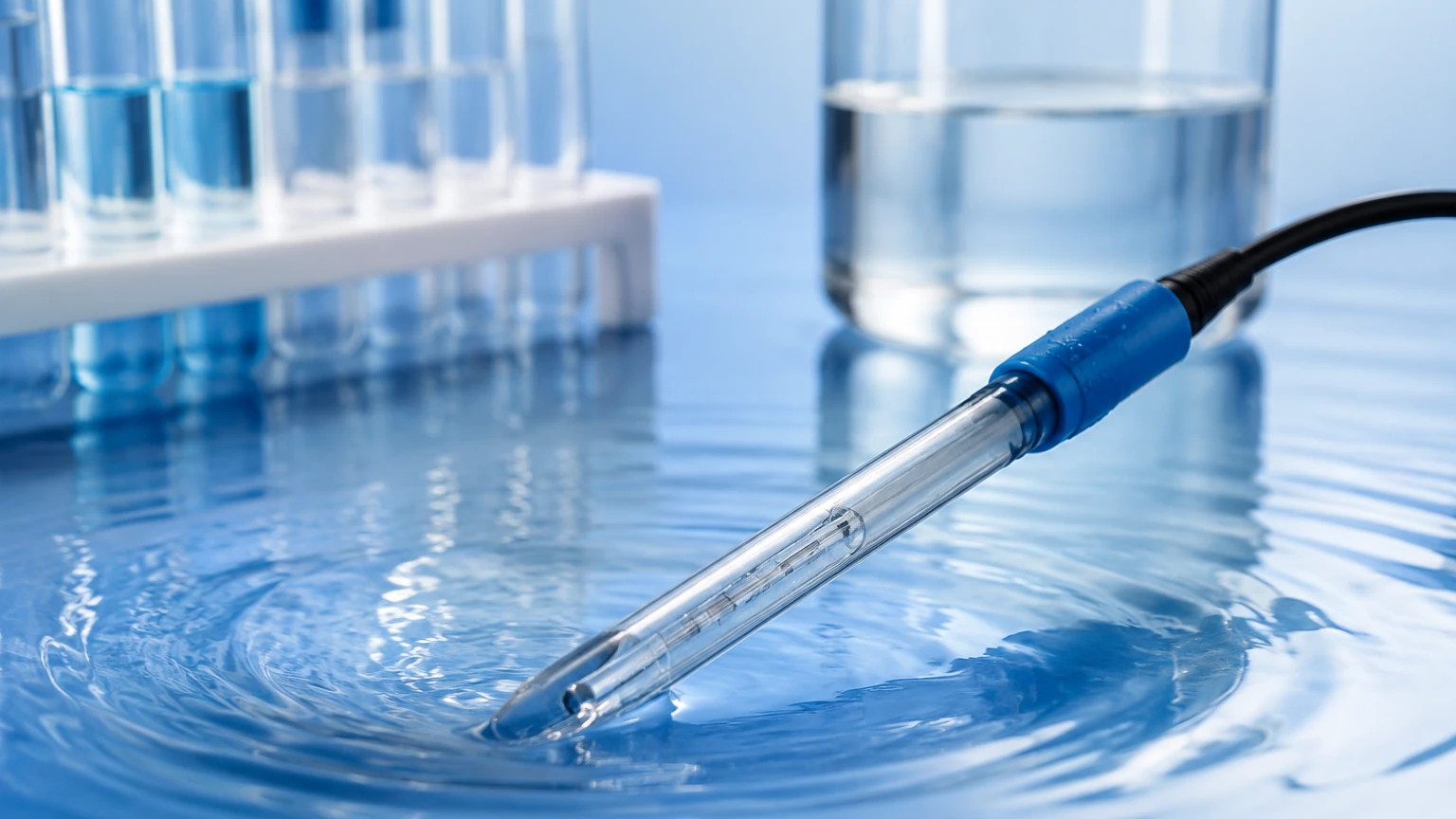
Calibration should be performed using at least two buffer solutions (typically pH 4, 7, or 10).
* Zero Point (Offset): Checked at pH 7.0. A healthy sensor should be within ±30mV of the theoretical 0mV.
* Slope (Efficiency): Checked with a second buffer. A durable ph sensor should maintain a slope between 92% and 102% of the theoretical Nernstian value.
Hydration
Never allow a pH sensor to dry out. If the hydrated layer on the glass membrane dehydrates, the sensor will become sluggish or unresponsive. Always store the sensor in a storage solution (usually 3M or 4M KCl) when not in use.
Limitations and Operational Boundaries
While a durable ph sensor is designed for rigor, it has finite limits:
* Extreme Temperature Cycles: Rapidly cycling between cold and hot (thermal shock) can crack even the toughest glass or cause the internal seals to fail.
* Abrasive Slurries: In mining or cement applications, high-velocity abrasive particles will eventually thin the glass membrane, leading to a drift in readings and eventual breakage.
* Dehydration in Non-Aqueous Liquids: In solvents or alcohols, the hydrated layer of the glass can be stripped away. These applications require specialized sensors and frequent rehydration cycles.
Frequently Asked Questions (FAQ)
Q: How long should a durable ph sensor last?
A: In mild water treatment, a durable sensor can last 12 to 24 months. In harsh chemical processing (high temp/strong acids), 3 to 6 months is often considered a successful service life.
Q: Can I use a durable pH sensor for ORP (Redox) measurement?
A: The housing and reference system may be similar, but ORP sensors use a noble metal (platinum or gold) instead of a glass membrane. Many durable housings are available in both pH and ORP configurations.
Q: Why is my sensor reading drifting even after calibration?
A: This is often a sign of junction potential issues or a depleted reference electrolyte. If the sensor is a sealed "durable" model, it likely needs replacement. If it is refillable, check the electrolyte levels.
Q: Does temperature affect the durability of the sensor?
A: Yes. For every 10°C increase in operating temperature, the chemical life of the glass membrane is roughly halved. This is why selecting a sensor specifically rated for your process temperature is critical.
Conclusion
Investing in a durable ph sensor is a strategic decision that pays dividends in reduced maintenance labor and improved process consistency. By selecting the appropriate junction technology, glass formulation, and housing material, and by adhering to strict installation and maintenance protocols, industrial operators can ensure reliable analytical data even in the most challenging conditions. For comprehensive process control solutions, including the level instrumentation necessary to manage the tanks where these sensors reside, please visit our Main Page.