Efficient Electrolysis
Efficient Electrolysis
In the transition toward sustainable industrial processes, electrolysis has emerged as a cornerstone technology, particularly in the production of green hydrogen and the manufacturing of essential chemicals like chlorine and caustic soda. Achieving efficient electrolysis is not merely a matter of electrochemical cell design; it requires rigorous control over the physical parameters of the process. Among these, precise level measurement of electrolytes and gas-liquid separation stages is critical. Inaccurate level data can lead to reduced current efficiency, equipment damage, or hazardous gas mixing.
For engineers and plant operators, optimizing an electrolysis plant involves selecting instrumentation that can withstand corrosive environments while providing the real-time data necessary for automated control. This guide examines the relationship between level measurement and process efficiency, the principles of various sensing technologies, and practical considerations for implementation.
The Role of Level Measurement in Efficient Electrolysis
Efficient electrolysis depends on maintaining a stable environment within the electrolyzer and its auxiliary systems. Level measurement serves several vital functions in this context:
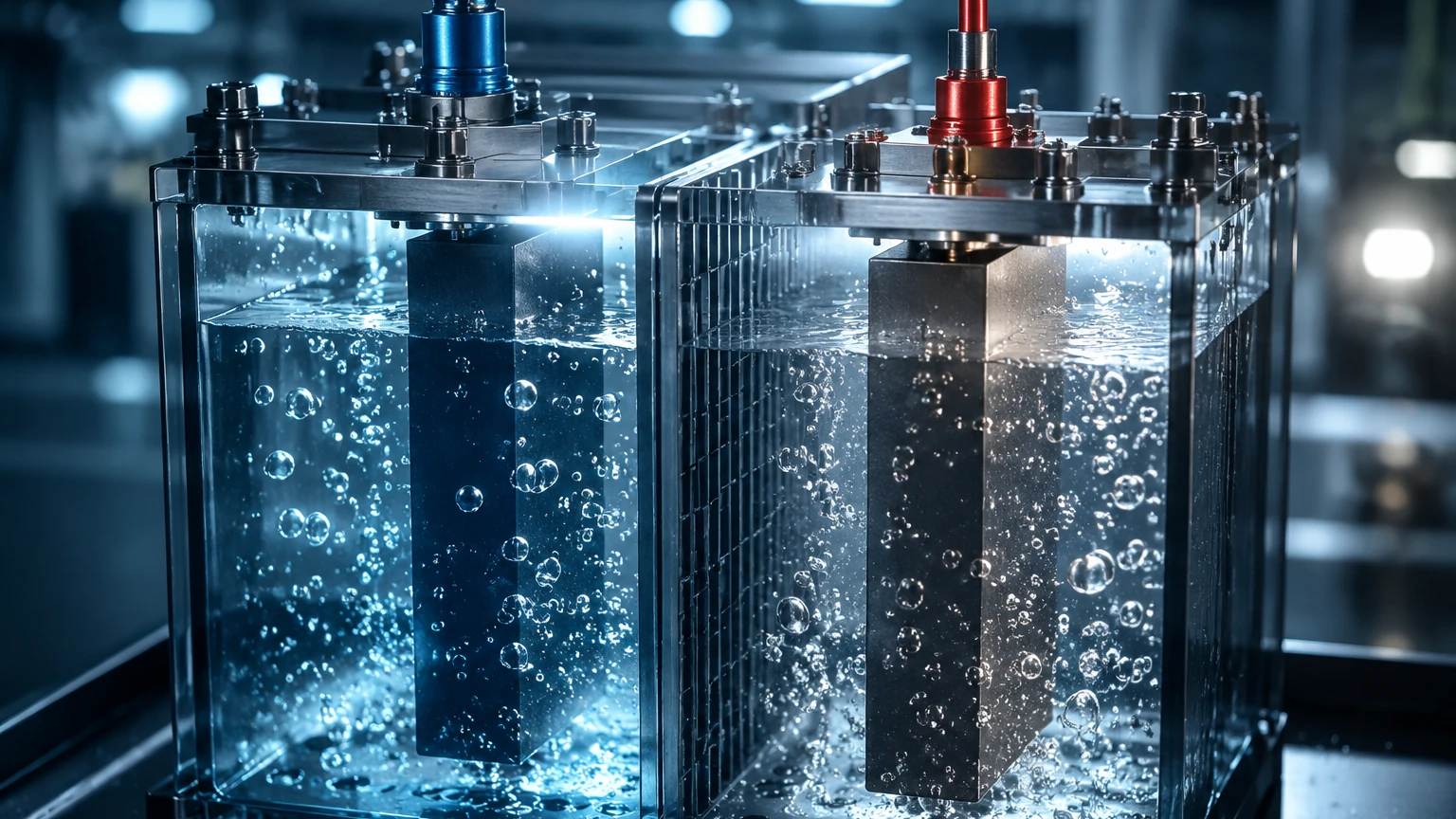
1. Electrolyte Balance: In alkaline or PEM (Proton Exchange Membrane) electrolyzers, the level of the electrolyte (such as potassium hydroxide or deionized water) must be kept within a narrow range. If the level drops too low, electrodes may become exposed, leading to hotspots, reduced active surface area, and potential membrane damage.
2. Gas-Liquid Separation: After the electrolysis reaction, the resulting gases (hydrogen and oxygen) are mixed with electrolyte. High-efficiency separation is required to reclaim the electrolyte and ensure gas purity. Level sensors in separator tanks prevent the carry-over of liquid into gas lines and ensure that gas does not enter the electrolyte return pumps.
3. Safety and Pressure Management: Many electrolysis processes operate under pressure (often up to 30 bar or higher). Maintaining the correct liquid seal through level control is essential to prevent the cross-contamination of hydrogen and oxygen, which could create explosive mixtures.
By ensuring these parameters are tightly controlled, facilities can maximize their "uptime" and minimize energy waste, directly contributing to the goal of efficient electrolysis.
Measurement Principles and Technologies
Selecting the right technology requires an understanding of how different sensors interact with the electrolyte and the process environment. Welk provides a range of solutions tailored for these industrial demands.
Radar Level Measurement (Non-Contact and Guided)
Radar technology is often the preferred choice for electrolysis applications due to its high accuracy and lack of moving parts.
* Non-Contact Radar: These instruments emit high-frequency microwave pulses (typically in the 26 GHz or 80 GHz range). The pulses reflect off the liquid surface and return to the sensor. The time-of-flight determines the distance. For efficient electrolysis, 80 GHz radar is particularly effective because its narrow beam angle avoids internal obstructions like agitators or heating coils. Since the sensor does not touch the medium, it is immune to the corrosive nature of acids or bases, provided a suitable flange or window material (like PTFE) is used.
* Guided Wave Radar (GWR): GWR utilizes a physical probe to guide the microwave signal. This is highly effective in separator tanks where foam may be present. The radar signal can penetrate foam to detect the true liquid level, ensuring that the separation process remains efficient even during high-flow conditions.
Ultrasonic Level Sensors
Ultrasonic sensors function by emitting sound waves that reflect off the liquid surface. They are a cost-effective solution for atmospheric electrolyte storage tanks. However, their use within the electrolysis cell itself is limited because changes in gas density, pressure, and the presence of hydrogen can significantly alter the speed of sound, leading to measurement errors. They are best suited for water treatment stages or bulk chemical storage associated with the plant.
Hydrostatic Level Transmitters
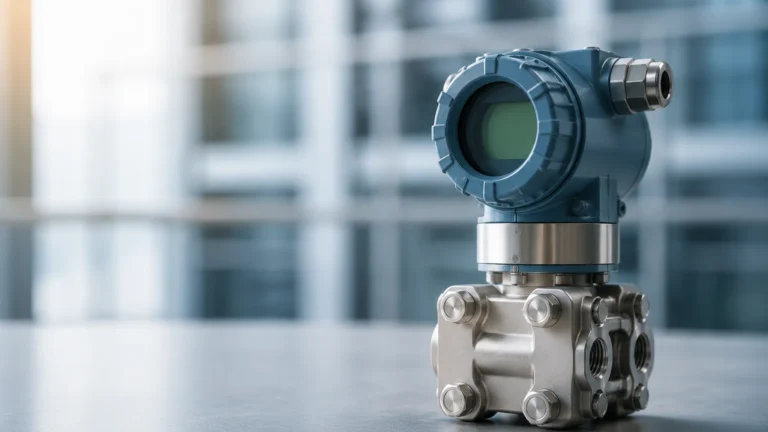
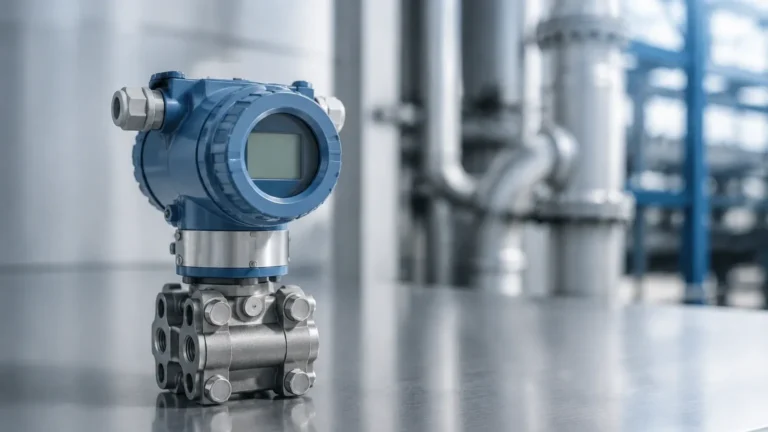
Hydrostatic sensors measure the pressure exerted by the liquid column. The pressure is proportional to the height of the liquid and its density ($P = \rho gh$). In electrolysis, these are often used in balance pipes or external tanks. To ensure longevity, the diaphragms must be constructed from corrosion-resistant materials such as Hastelloy C or coated with tantalum to resist aggressive electrolytes like concentrated sodium hydroxide.
Magnetic Level Gauges
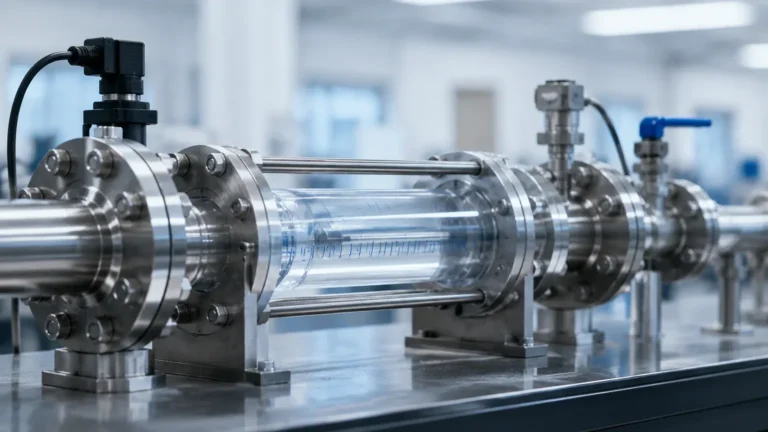
For high-pressure separators, magnetic level gauges provide both a visual indication and an electronic output (via a reed chain or magnetostrictive transmitter). A float containing a magnet moves with the liquid level inside a bypass chamber, flipping external flags and triggering the sensor. This technology is valued for its robustness and the fact that it provides a mechanical fail-safe that operators can read even during a power failure.
Technical Selection Criteria
When designing a system for efficient electrolysis, engineers should evaluate instrumentation based on the following technical table:
| Technology | Typical Accuracy | Pressure Range | Chemical Resistance | Best Use Case |
| :— | :— | :— | :— | :— |
| 80 GHz Radar | ±1 mm | Up to 160 bar | Excellent (with PTFE/PFA) | Electrolyzer cells and separators |
| Guided Wave Radar | ±2 mm | Up to 400 bar | Good (Probe material dependent) | Foaming electrolytes or small tanks |
| Hydrostatic | ±0.1% Span | High (limited by flange) | Excellent (with specialty alloys) | Constant density storage tanks |
| Ultrasonic | ±0.25% Span | Atmospheric | Good (Plastic housings) | Deionized water or wastewater |
| Magnetic Gauge | ±5 mm | Up to 320 bar | Excellent | High-pressure gas separators |
Installation and Engineering Considerations
To maintain the accuracy required for efficient electrolysis, installation must follow specific engineering guidelines:
* Nozzle Geometry: For non-contact radar, the nozzle height should be kept to a minimum to prevent signal interference. If long nozzles are necessary, a wave-guide or a higher frequency radar (80 GHz) should be used to ensure the beam clears the nozzle edge.
* Stilling Wells: In tanks with significant turbulence or gas bubbling, installing a radar sensor inside a stilling well (a perforated pipe) can stabilize the liquid surface and provide a much cleaner signal return.
* Materials of Construction: Electrolysis environments are often both corrosive and subject to "hydrogen embrittlement." All wetted parts, including gaskets and diaphragms, must be verified for compatibility. PTFE, PFA, and high-nickel alloys are standard requirements.
* Temperature Compensation: Since electrolyte density changes with temperature, hydrostatic measurements must be compensated using integrated temperature sensors to maintain accuracy.
For a comprehensive overview of available instrumentation and to consult with application engineers regarding specific site requirements, you can visit the Main Page.
Limitations and Process Challenges
While modern instrumentation is highly advanced, certain factors can still impact the pursuit of efficient electrolysis:
* Gas Bubbles (Entrainment): In the discharge of an electrolyzer, the liquid is often a "froth" of gas and electrolyte. This can confuse ultrasonic and some radar sensors. Using GWR or magnetic gauges in a bypass chamber (where gas can escape) is the standard solution.
* Dielectric Constant: Radar relies on a difference in dielectric constant between the gas and the liquid. While water-based electrolytes have high dielectrics (approx. 80), some non-aqueous processes may have lower values, requiring more sensitive radar electronics.
* Electromagnetic Interference (EMI): Electrolyzers operate with extremely high DC currents, which can generate significant magnetic fields. Level transmitters must have robust shielding and be grounded correctly to prevent signal noise from affecting the 4-20mA or digital (HART/Profibus) outputs.
Frequently Asked Questions (FAQs)
Q: How does level control affect the purity of hydrogen in electrolysis?
A: If the level in the gas-liquid separator is too low, gas can "break through" into the liquid return line. If this occurs on both the oxygen and hydrogen sides, the gases can eventually mix in the electrolyte reservoir, reducing purity and creating a safety hazard. Precise level control ensures a consistent liquid seal.
Q: Can I use standard stainless steel sensors in a chlor-alkali electrolysis plant?
A: Generally, no. Standard 316 stainless steel will corrode rapidly in the presence of wet chlorine or concentrated brine. Titanium or plastic-coated (PTFE/PVDF) sensors are required for these specific wetted parts.
Q: What is the maintenance interval for radar level meters in these applications?
A: Because non-contact radar has no moving parts and does not touch the medium, maintenance is minimal. We recommend a visual inspection of the antenna or seal every 12 to 24 months to check for any crystalline buildup from the electrolyte, which can be easily cleaned.
Q: Is it better to use a top-mounted or side-mounted sensor?
A: Top-mounted (Radar/Ultrasonic) is preferred for ease of maintenance and to keep the electronics away from potential leaks at the bottom of the tank. Side-mounted (Hydrostatic/Magnetic) is often used when overhead space is limited or for direct visual confirmation.
Conclusion
Efficiency in modern electrolysis is a multi-faceted challenge that requires a synergy between electrochemical performance and precise process automation. By implementing reliable level measurement technologies—such as high-frequency radar and robust hydrostatic transmitters—operators can ensure stable electrolyte levels, optimize gas-liquid separation, and maintain the highest safety standards.
Selecting the appropriate instrument involves balancing the chemical properties of the electrolyte, the operating pressure, and the physical constraints of the vessel. For more information on selecting the right tools for your facility, Review product options and application support to find a solution that meets your specific industrial requirements.