Electronic Water Level Meter
Electronic Water Level Meter
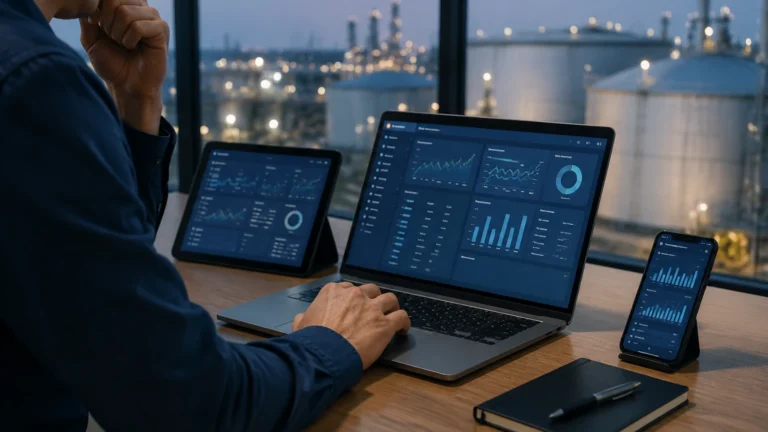
In modern industrial automation, the transition from manual measurement to automated monitoring is driven by the need for precision, safety, and real-time data acquisition. An electronic water level meter is a sophisticated instrument designed to convert the physical height of a liquid into a standardized electrical signal, such as 4-20mA, RS485 (Modbus), or HART. These devices are fundamental to water treatment, chemical processing, and reservoir management, where accurate level data prevents tank overflows, protects pumps from dry running, and ensures process consistency.
Selecting the appropriate electronic water level meter requires an understanding of the underlying physics of measurement. Different technologies—ranging from pressure-based sensors to non-contact microwave pulses—offer varying levels of performance depending on the chemical composition of the water, the presence of vapor, and the physical constraints of the installation site.
Measurement Principles of Electronic Water Level Meters
To choose the right instrument, engineers must first understand the operating principles of the primary categories of level measurement technology.
Hydrostatic Level Measurement
Hydrostatic sensors operate on the principle that the pressure at the base of a liquid column is directly proportional to the height of that liquid. The formula used is $P = \rho \cdot g \cdot h$, where $P$ is pressure, $\rho$ is the density of the liquid, $g$ is gravity, and $h$ is the height of the liquid.
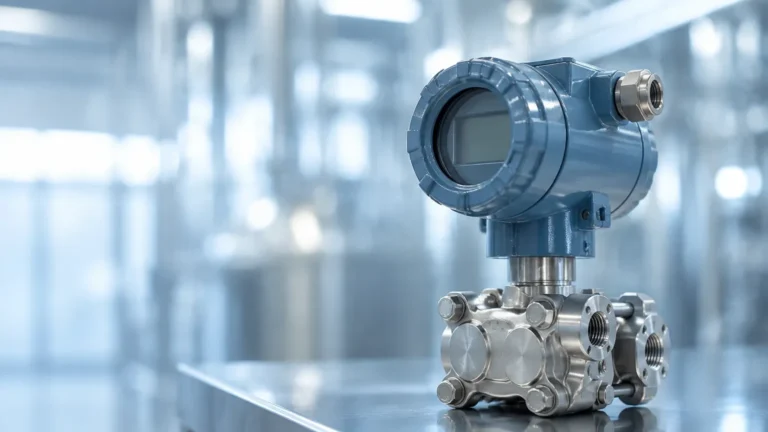
In an electronic water level meter using this principle, a pressure diaphragm detects the weight of the water column. This is then converted into an electronic signal. These sensors are available as submersible probes (dropped into a well or tank) or externally mounted transmitters. They are highly effective for clean water and wastewater but require constant liquid density to maintain accuracy.
Ultrasonic (Non-Contact) Measurement
Ultrasonic level meters emit high-frequency sound waves from a transducer located at the top of the vessel. These waves travel through the air, reflect off the water surface, and return to the sensor. The device measures the "time-of-flight" and calculates the distance based on the speed of sound.
Because they do not touch the liquid, ultrasonic sensors are ideal for corrosive liquids or applications where hygiene is a priority. However, they are sensitive to air temperature fluctuations, heavy foam, and surface turbulence, which can scatter the sound waves.
Radar (Radio Wave) Measurement
Radar level meters, specifically Frequency Modulated Continuous Wave (FMCW) or pulse radar, use high-frequency electromagnetic waves (typically 26GHz or 80GHz). Similar to ultrasonic sensors, they measure time-of-flight. However, radar waves travel at the speed of light and are largely unaffected by temperature, pressure, or vacuum conditions.
An electronic water level meter utilizing radar technology is often the most robust choice for challenging industrial environments involving steam, dust, or varying gas layers above the liquid surface.
Capacitance and Conductivity
Conductive level switches use electrodes to detect the presence of water at specific points. When water touches the probe, an electrical circuit is completed. Capacitive sensors measure the change in capacitance between two electrodes (or one electrode and the tank wall) as the water level rises. These are often used for point-level detection or in small tanks where space is limited.
Selection Criteria and Technology Comparison
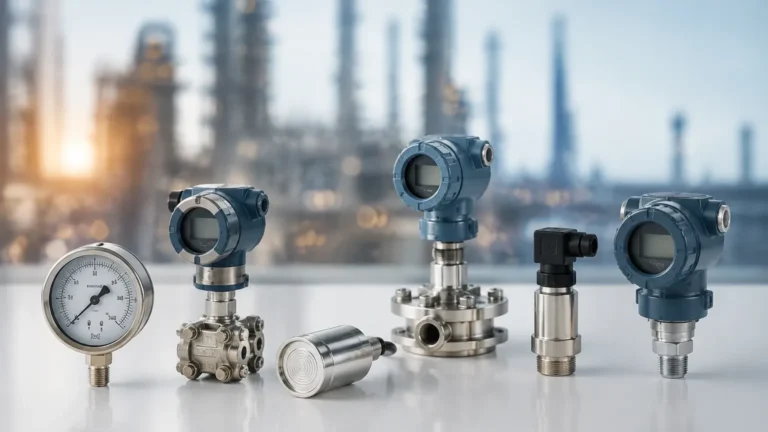
Choosing between these technologies involves balancing cost, accuracy, and environmental constraints. The following table provides a comparison for common industrial scenarios.
| Technology | Accuracy | Range | Media Suitability | Typical Application |
| :— | :— | :— | :— | :— |
| Hydrostatic | ±0.1% to ±0.5% | 1m to 200m (3.3ft to 656ft) | Clean water, wastewater, oils | Deep wells, vented tanks, reservoirs |
| Ultrasonic | ±0.2% of span | 0.3m to 15m (1ft to 49ft) | Corrosive liquids, wastewater | Open channels, chemical sumps |
| Radar | ±1mm to ±3mm | Up to 120m (393ft) | All liquids, including slurry | High-pressure tanks, steam environments |
| Submersible | ±0.5% | 1m to 500m (3.3ft to 1640ft) | Groundwater, borehole water | Boreholes, deep well monitoring |
For a detailed analysis of specific hardware configurations and to browse specialized sensors, engineers should consult the Main Page to review product options and application support.
Key Evaluation Criteria for B2B Procurement
When specifying an electronic water level meter for a project, several technical factors must be confirmed to ensure long-term reliability.
1. Media Characteristics: Is the water pure, or does it contain solids? Hydrostatic sensors can be clogged by sludge, while ultrasonic sensors may struggle with thick foam. For chemical-laden water, the wetted materials (e.g., 316L stainless steel, PTFE, or PVC) must be compatible.
2. Tank Geometry: Internal obstructions like agitators, ladders, or cooling coils can create false echoes for ultrasonic and radar sensors. In these cases, a guided wave radar or a stilling well may be necessary.
3. Environmental Conditions: In outdoor installations, sensors are exposed to lightning, extreme temperatures, and humidity. Ensure the electronic water level meter has an appropriate Ingress Protection (IP) rating (e.g., IP68 for submersible sensors) and surge protection.
4. Signal Output and Integration: Does the existing PLC (Programmable Logic Controller) or SCADA system require a 4-20mA analog signal, or is a digital protocol like Modbus RTU preferred for multi-parameter data transmission?
Installation Considerations and Best Practices
The accuracy of an electronic water level meter is often determined by the quality of its installation. Even the most expensive sensor will fail if placed incorrectly.
Avoiding the "Dead Zone"
All non-contact sensors (ultrasonic and radar) have a "dead zone" or "blocking distance" directly beneath the transducer. If the water level rises into this zone, the sensor cannot provide a reading. Always mount the sensor high enough so that the maximum expected water level remains below the dead zone threshold.
Mounting Position
Sensors should be mounted away from the tank walls to prevent signal interference. For ultrasonic sensors, the beam angle must be considered; if the beam hits the wall, the reflected signal will be distorted. Similarly, avoid mounting sensors directly above the tank inlet, as the falling water will cause turbulence and false readings.
Stilling Wells and Bypass Pipes
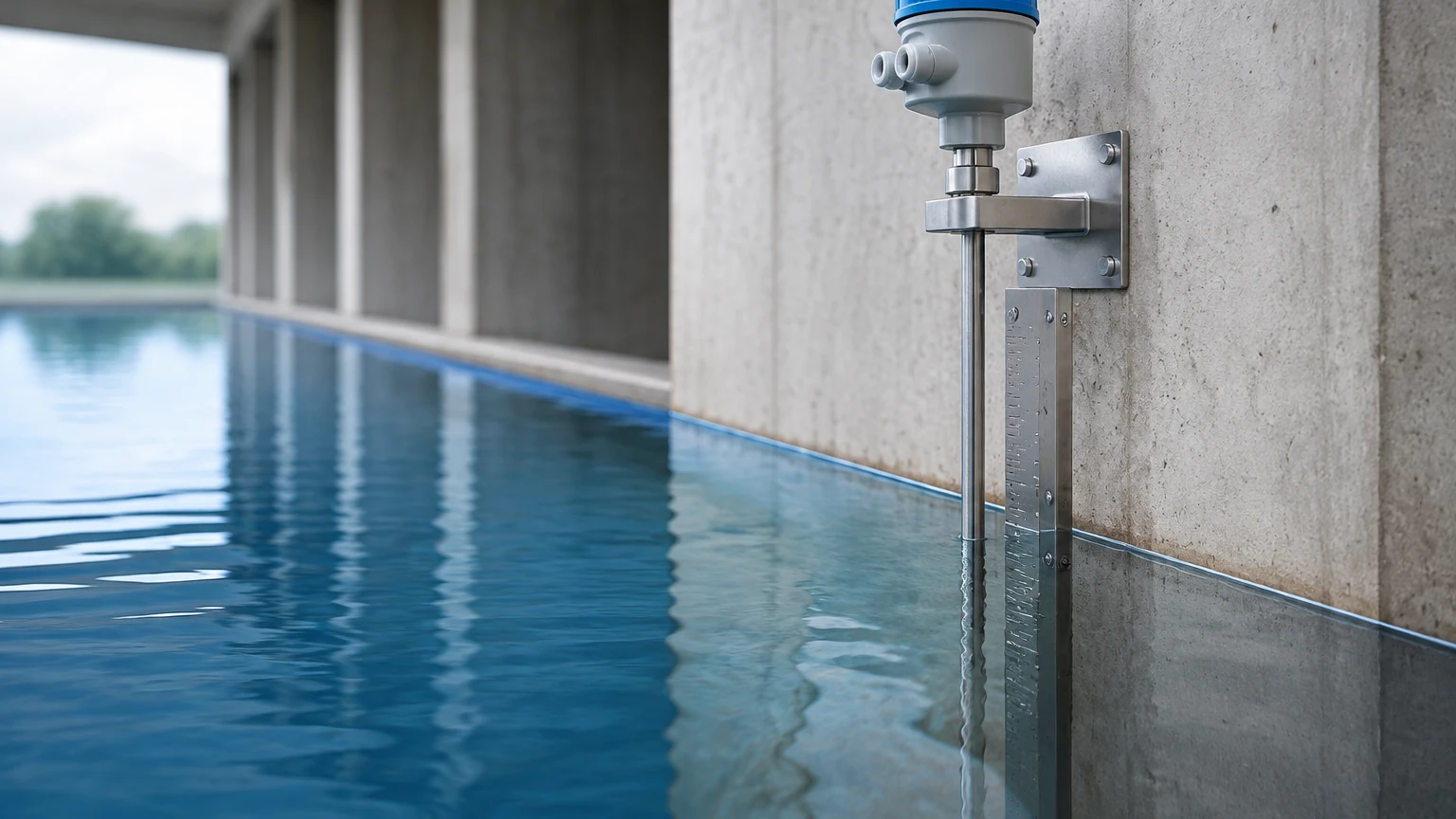
In applications with high turbulence or heavy foam, a stilling well (a vertical pipe submerged in the liquid) can be used. The sensor is mounted at the top of the pipe, which provides a calm surface for measurement. This is particularly useful for hydrostatic and radar sensors in agitated tanks.
Cable Management
For submersible electronic water level meters, the cable contains a vent tube to compensate for atmospheric pressure changes. It is critical that this tube is not kinked or blocked, as this will lead to significant measurement errors. Use a specialized junction box with a breathable membrane to protect the vent tube from moisture.
Common Risks and Limitations
While electronic water level meters are highly reliable, certain conditions can compromise their performance:
* Vapor and Steam: High concentrations of steam can attenuate ultrasonic signals, leading to "lost echo" errors. Radar is generally immune to this.
* Build-up and Scaling: In hard water applications, calcium deposits can build up on the diaphragm of a hydrostatic sensor or the lens of an ultrasonic sensor. Periodic cleaning is required to maintain sensitivity.
* Temperature Gradients: Significant temperature differences between the liquid and the air can affect the speed of sound, impacting ultrasonic accuracy. High-quality ultrasonic meters include integrated temperature compensation to mitigate this.
* Dielectric Constant: For radar measurement, the liquid's ability to reflect radio waves (dielectric constant) is vital. While water has a high dielectric constant and is easy to measure, some hydrocarbons or ultrapure water may require more sensitive radar units.
Frequently Asked Questions (FAQs)
Q: How often should an electronic water level meter be calibrated?
A: For most industrial applications, an annual calibration check is recommended. However, in critical custody transfer or high-precision chemical dosing, semi-annual calibration may be necessary. Many modern electronic meters feature self-diagnostic capabilities that alert the user when a recalibration is required.
Q: Can one sensor be used for different types of liquids?
A: It depends on the technology. Radar and ultrasonic sensors are generally versatile across different liquids as long as the surface properties are similar. Hydrostatic sensors, however, are calibrated for a specific liquid density; if you switch from water to a denser brine, the sensor will report an incorrectly high level unless the scaling factor is adjusted.
Q: What is the maximum distance for signal transmission?
A: A standard 4-20mA signal can typically be transmitted up to 1,000 meters (3,280ft) using shielded twisted-pair cabling. For longer distances, digital protocols or wireless LoRaWAN/GPRS transmitters are often integrated into the electronic water level meter system.
Q: Is it better to use a contact or non-contact sensor?
A: Non-contact sensors (Radar, Ultrasonic) are preferred for corrosive, sticky, or hygienic liquids to reduce maintenance. Contact sensors (Hydrostatic, Guided Wave Radar) are often more cost-effective for deep wells or simple storage tanks where the media is relatively clean.
Conclusion
Implementing an electronic water level meter is a critical step in optimizing industrial processes and ensuring environmental compliance. By understanding the specific strengths and limitations of hydrostatic, ultrasonic, and radar technologies, engineering teams can select a solution that provides accurate, maintenance-free service for years. Before finalizing a purchase, it is essential to confirm the chemical compatibility of wetted parts, the electrical requirements of the local control system, and the physical constraints of the installation site. For comprehensive technical specifications and to explore the full range of industrial level measurement solutions, professionals are encouraged to visit the Main Page for expert guidance and product selection.