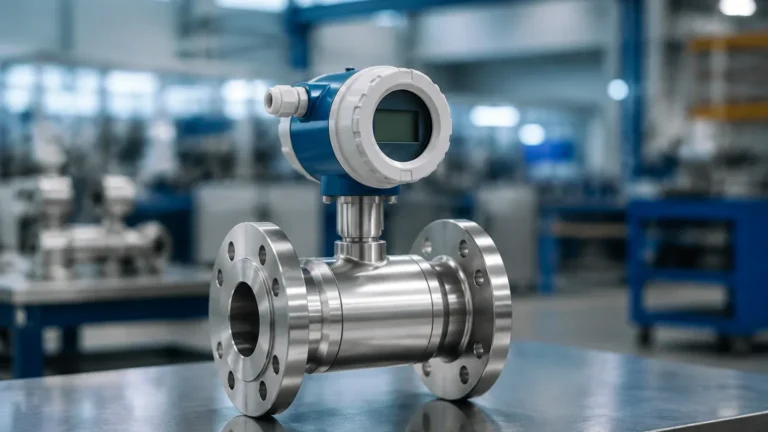
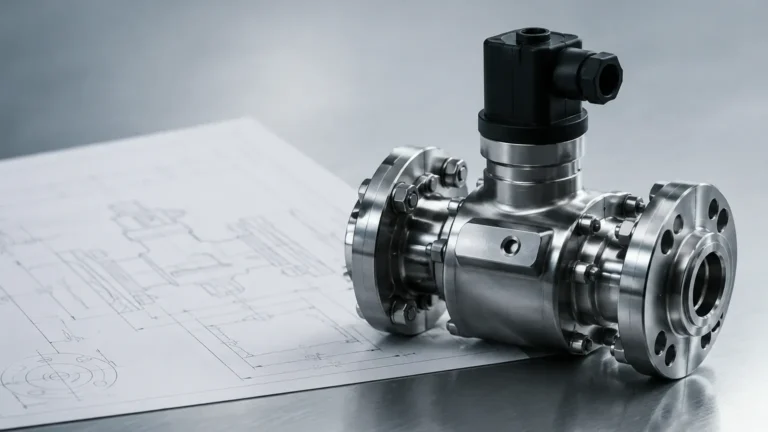
Flow Management Devices
Flow Management Devices
In modern industrial automation, the precise control and monitoring of fluid movement are fundamental to operational efficiency, safety, and regulatory compliance. Flow management devices encompass a broad category of instrumentation designed to measure, regulate, and analyze the movement of liquids and gases through pipes or open channels. While often discussed as standalone components, these devices frequently work in tandem with level measurement systems to provide a comprehensive view of process dynamics.
For engineers and plant managers, selecting the correct flow management devices requires a deep understanding of fluid mechanics, sensor technology, and the specific environmental constraints of the application. Whether managing water treatment facilities, chemical processing plants, or oil and gas refineries, the integration of reliable instrumentation from a professional manufacturer like Welk ensures that data remains accurate and actionable.
Understanding the Role of Flow Management Devices in Industrial Automation
Flow management is more than just measuring velocity; it is about the intelligent oversight of a medium's transition through a system. Flow management devices serve as the "eyes" of the control loop, providing the necessary feedback to pumps, valves, and PLC systems. In many industrial contexts, especially those involving large storage tanks or open-channel effluent systems, flow and level are intrinsically linked. For instance, measuring the level of liquid behind a weir or flume is a primary method for calculating volumetric flow rates.
By utilizing advanced radar level meters, ultrasonic sensors, and hydrostatic transmitters, facilities can implement robust flow management strategies. These strategies help in minimizing waste, preventing overflows, and ensuring that chemical dosing is performed with high precision. As industries move toward Industry 4.0, the demand for smart flow management devices that offer digital communication and self-diagnostics continues to grow.
Core Principles of Measurement for Flow and Level Integration
Before selecting a device, it is essential to understand the physical principles that govern measurement. In the context of flow management devices that utilize level-sensing technology, several key methodologies are prevalent.
Ultrasonic Time-of-Flight
Ultrasonic sensors emit high-frequency sound pulses that reflect off the surface of the liquid. By measuring the time it takes for the echo to return, the device calculates the distance to the surface. In flow management, this is often applied in open-channel flow measurement. By installing the sensor over a calibrated flume or weir, the height (head) of the liquid is converted into a flow rate using standardized formulas. This non-contact method is ideal for wastewater and corrosive liquids.
Radar (FMCW and Pulse)
Radar level meters operate similarly to ultrasonic sensors but use electromagnetic waves instead of sound. Frequency Modulated Continuous Wave (FMCW) radar is particularly effective for flow management devices because it provides high resolution and accuracy even in the presence of steam, dust, or varying vapor pressures. Because radar waves do not require a medium for travel, they are unaffected by air temperature fluctuations, making them superior for outdoor or high-temperature industrial applications.
Hydrostatic Pressure
Hydrostatic level transmitters measure the pressure exerted by a liquid column. Since pressure is directly proportional to the height of the liquid (based on its specific gravity), these devices provide a reliable way to monitor levels in tanks. In flow management, hydrostatic sensors are often used in pressurized vessels where non-contact methods might be hindered by internal structures or extreme foam.
Comparative Analysis of Primary Flow Management Technologies
Choosing the right technology involves balancing accuracy, cost, and environmental compatibility. The following table provides a comparison of common technologies used in flow and level management.
| Technology | Measurement Principle | Best Suited For | Limitations |
| :— | :— | :— | :— |
| Ultrasonic | Sound wave reflection | Open channels, water treatment, sumps | Affected by foam, heavy steam, and high wind |
| Radar (80GHz) | Electromagnetic waves | Chemical tanks, high-precision storage | Higher initial cost compared to ultrasonic |
| Hydrostatic | Pressure at depth | Deep wells, pressurized tanks, oils | Requires contact with the medium; sensitive to density changes |
| Magnetic Gauge | Visual buoyancy | High-pressure boilers, toxic chemicals | Mechanical parts may require more maintenance |
| Level Switches | Point detection | Overfill protection, pump control | Does not provide continuous flow data |
Practical Selection Criteria for Process Engineers
When evaluating flow management devices, engineers must look beyond the basic specifications. The following criteria are vital for ensuring long-term reliability:
1. Media Characteristics: Is the fluid corrosive, viscous, or prone to scaling? For aggressive chemicals, non-contact radar or ultrasonic sensors are preferred to prevent sensor degradation. For clean liquids in high-pressure environments, hydrostatic or magnetic gauges may be more appropriate.
2. Process Environment: Consider the presence of agitation, foam, or vapor. Radar technology is generally the most robust against surface turbulence and atmospheric interference. If the application involves a vacuum or high pressure, the housing and seal ratings (such as IP68 or explosion-proof certifications) become critical.
3. Accuracy Requirements: For billing or custody transfer applications, high-frequency radar (80GHz) offers the precision needed. For general monitoring or pump protection, ultrasonic or hydrostatic sensors provide a cost-effective solution.
4. Integration Needs: Modern flow management devices should support standard industrial protocols such as 4-20mA HART, Modbus, or Profibus. This ensures seamless communication with the broader Main Page of the facility's control architecture.
Installation Best Practices for Reliable Flow Management
Even the most advanced flow management devices will fail to perform if installed incorrectly. Adhering to engineering best practices is essential for data integrity.
Positioning and Orientation
For non-contact sensors (radar and ultrasonic), the beam must have a clear path to the liquid surface. Avoid placing sensors near fill pipes, agitators, or internal tank ladders, as these can create "false echoes." The sensor should ideally be mounted perpendicular to the liquid surface to ensure the maximum signal return.
Dead Zone Management
Every ultrasonic and radar sensor has a "dead zone" or "blocking distance" directly beneath the transducer where measurements cannot be taken. It is crucial to mount the device high enough so that the maximum expected liquid level never enters this zone. For example, if a sensor has a 0.3m (approx. 12 inches) dead zone, the mounting bracket should be positioned at least 0.4m above the highest possible flow level.
Open Channel Considerations
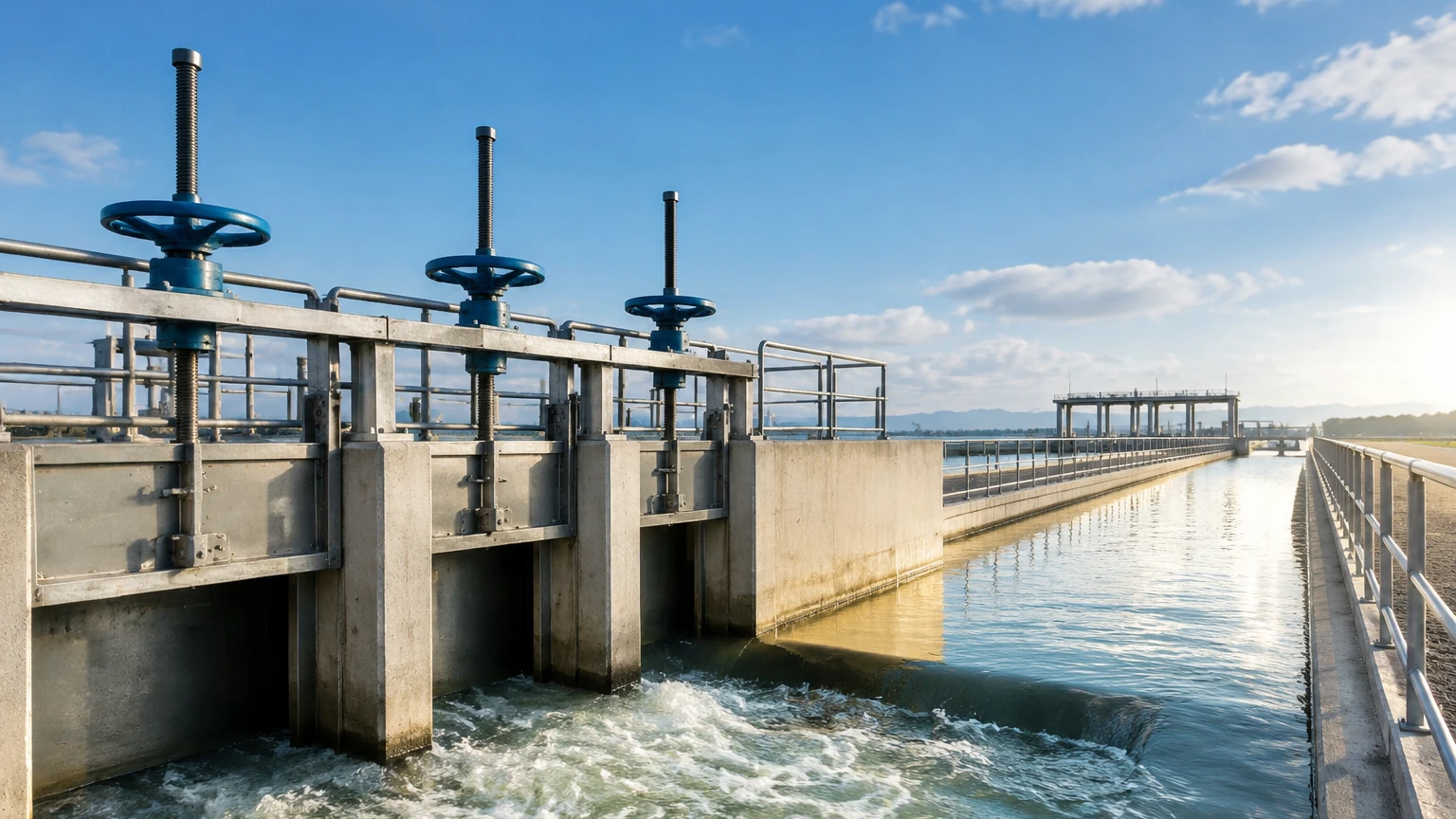
When measuring flow in flumes or weirs, the sensor must be placed at a specific distance upstream from the crest or throat to ensure the liquid surface is stable and not affected by the drawdown effect. This distance is typically defined by the flume manufacturer (e.g., 3 to 4 times the maximum head height for a Parshall flume).
Limitations and Environmental Considerations
While modern flow management devices are highly versatile, they are not universal solutions. Understanding their limitations prevents costly downtime.
* Foam and Turbulence: Heavy foam can absorb ultrasonic signals, leading to signal loss. In such cases, high-power radar or hydrostatic transmitters are better alternatives.
* Temperature Gradients: Rapid changes in air temperature can affect the speed of sound, impacting ultrasonic accuracy. Most high-quality ultrasonic sensors include integrated temperature compensation, but in extreme outdoor environments, radar remains more stable.
* Build-up and Maintenance: In wastewater applications, grease and debris can build up on contact-based sensors. This makes non-contact devices highly desirable for reducing maintenance man-hours. However, even non-contact sensors should be checked periodically for condensation or spider webs on the transducer face.
Frequently Asked Questions (FAQs)
Q: Can level meters be used to measure gas flow?
A: Generally, no. Level-based flow management devices are designed for liquids in open channels or tanks. Gas flow measurement typically requires thermal mass, vortex, or differential pressure flowmeters.
Q: What is the advantage of 80GHz radar over 26GHz radar for flow management?
A: 80GHz radar has a much narrower beam angle. This allows it to be used in narrow tanks or channels without interference from the walls, and it provides better accuracy on turbulent surfaces.
Q: How often should flow management devices be calibrated?
A: Calibration frequency depends on the criticality of the process and regulatory requirements. For most industrial applications, an annual calibration check is standard. However, devices used in environmental discharge monitoring may require more frequent verification.
Q: Are ultrasonic sensors safe for use in explosive environments?
A: Yes, provided they carry the appropriate certifications (such as ATEX or IECEx). Many Welk sensors are designed with intrinsically safe or explosion-proof housings specifically for the oil and gas and chemical industries.
Conclusion
Effective flow management is a cornerstone of modern industrial processing. By selecting the appropriate flow management devices—whether they are radar level meters for precise chemical dosing or ultrasonic sensors for wastewater discharge—operators can ensure their systems run at peak performance. Understanding the relationship between level and flow, adhering to strict installation guidelines, and choosing the right technology for the specific medium are the keys to success. For those looking to upgrade their current systems or design new installations, reviewing the latest advancements in sensor technology is a vital first step toward achieving total process control.
For more detailed technical specifications and to explore a wide range of industrial measurement solutions, visit the Main Page to find the right equipment for your specific application requirements.