Flow Switch Thermal
Flow Switch Thermal
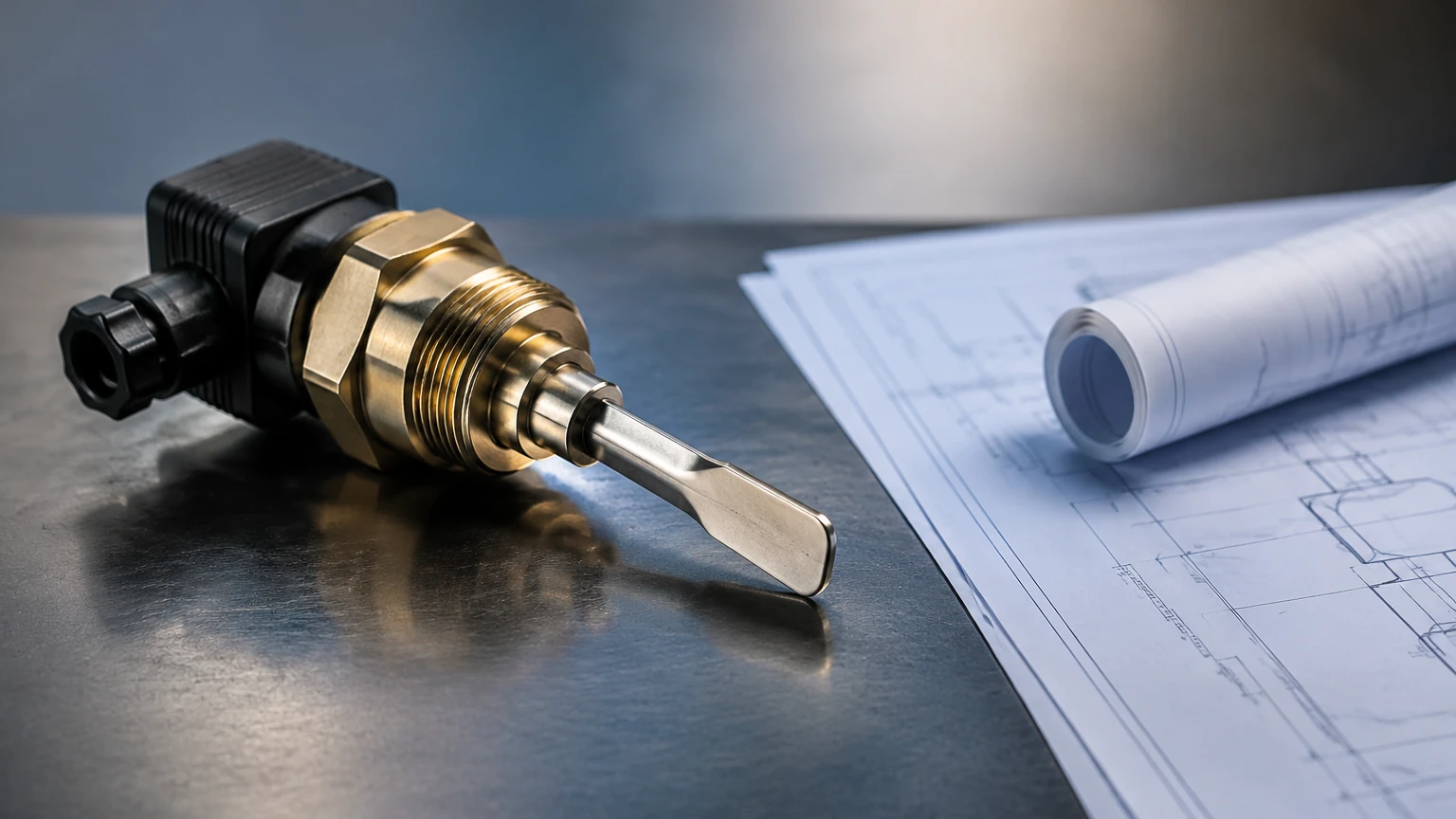
In the landscape of industrial process control, the flow switch thermal—often referred to as a thermal dispersion flow switch—represents a critical component for monitoring fluid movement without the mechanical vulnerabilities of traditional paddle or turbine designs. These solid-state devices provide high reliability in demanding environments, ranging from chemical processing to wastewater management. By utilizing the physical properties of heat transfer, thermal flow switches offer a robust solution for detecting flow presence, low-flow conditions, and dry-run protection in pipelines.
Understanding the Thermal Dispersion Principle
The operation of a flow switch thermal is based on the principle of thermal dispersion, which relates the rate of heat loss from a sensor to the velocity of the fluid passing over it. Unlike mechanical switches that rely on physical force to move a lever or vane, thermal switches use two temperature sensors (typically high-precision Resistance Temperature Detectors or RTDs) housed within a protective metal probe.
The Dual-Sensor Mechanism
One RTD is designated as the "reference sensor." It measures the ambient temperature of the process fluid. The second RTD is the "active sensor," which is internally heated to a specific temperature above the reference sensor. When the fluid is stationary (zero flow), the temperature difference between the two sensors remains constant.
As the fluid begins to move, it carries heat away from the active sensor—a process known as convective cooling. The rate of this heat dissipation is directly proportional to the mass flow rate of the fluid. The internal electronics of the device monitor this temperature differential. Once the flow velocity reaches a user-defined set point, the differential changes sufficiently to trigger a relay or an electronic output (such as a PNP/NPN signal). This solid-state approach ensures that even extremely low flow velocities, which might not be enough to move a mechanical paddle, can be detected with high accuracy.
Key Advantages in Industrial Applications
Choosing a flow switch thermal over mechanical alternatives offers several distinct engineering advantages:
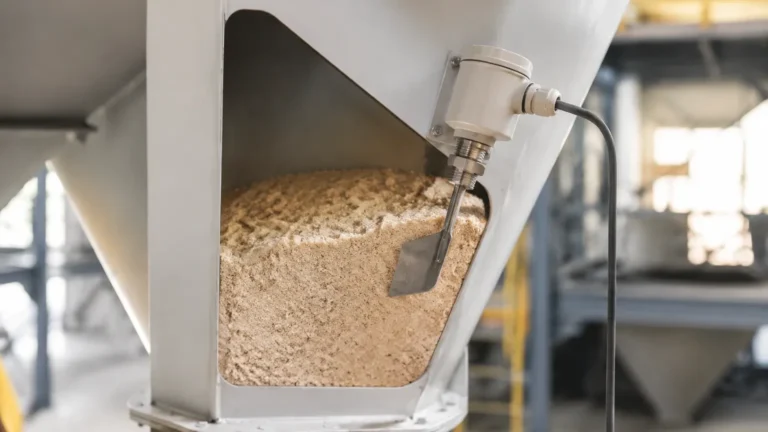
1. No Moving Parts: Because there are no paddles to snap, bearings to wear, or seals to leak, thermal switches have an exceptionally long service life and require minimal maintenance. This makes them ideal for fluids containing particulates that would jam mechanical components.
2. High Sensitivity: These switches are capable of detecting very low flow velocities, often down to 0.01 m/s (0.03 fps) in liquids and 0.1 m/s (0.33 fps) in gases.
3. Low Pressure Drop: The probe design is typically small and streamlined, causing negligible obstruction to the flow path. This is vital in systems where maintaining hydraulic efficiency is a priority.
4. Versatility: Thermal dispersion technology is effective for both liquids and gases. Furthermore, because it measures mass flow, it is less affected by changes in process pressure.
5. Durability: Most industrial probes are constructed from 316L stainless steel or exotic alloys like Hastelloy, providing excellent resistance to corrosive chemicals.
Selection Criteria for Thermal Flow Switches
When specifying a flow switch thermal for a project, engineers must evaluate several technical parameters to ensure compatibility with the process media and environment. For a broader look at how these instruments integrate into wider measurement systems, professionals often consult the Main Page to review product options and application support.
Media Characteristics
The thermal conductivity of the fluid significantly impacts the switch's performance. Water, for instance, is an excellent heat conductor, whereas oils or gases are less efficient. Most modern thermal switches feature adjustable sensitivity to account for different media types. It is also essential to confirm the viscosity; while thermal switches handle viscous fluids better than mechanical ones, extremely high viscosity may slow the response time.
Temperature and Pressure Ratings
Standard industrial models typically operate in temperatures ranging from -20°C to +80°C (-4°F to 176°F), though high-temperature versions can reach up to 150°C (302°F). Pressure ratings usually range from 10 bar (145 PSI) to 100 bar (1450 PSI) depending on the housing and connection type.
Technical Specification Table
| Feature | Standard Specification | High-Performance Option |
| :— | :— | :— |
| Flow Range (Liquid) | 0.03 to 3 m/s (0.1 to 10 fps) | Up to 5 m/s (16.4 fps) |
| Flow Range (Gas) | 2 to 20 m/s (6.5 to 65 fps) | Up to 100 m/s (328 fps) |
| Response Time | 2 to 10 seconds | < 1 second |
| Wetted Material | 316L Stainless Steel | Hastelloy C / PTFE Coating |
| Output Type | Relay (SPDT) | 4-20mA / Transistor (PNP/NPN) |
| Ingress Protection | IP65 | IP67 / IP68 |
Installation Best Practices and Considerations
Proper installation is paramount to the accuracy of a flow switch thermal. Because the device relies on heat transfer, the probe must be in full contact with the moving fluid.
* Probe Orientation: In horizontal pipes, the switch should ideally be installed from the side. Mounting from the top may lead to issues if air pockets develop, while mounting from the bottom can cause sediment to accumulate around the probe, insulating it and causing false readings.
* Pipe Fullness: The sensor must always be fully submerged. In vertical pipes, the flow should ideally be upward to ensure the pipe remains full.
* Straight Pipe Runs: To avoid turbulence, which can cause erratic switching, it is recommended to have at least 5 diameters (5D) of straight pipe upstream and 3 diameters (3D) downstream from the sensor.
* Immersion Depth: The tip of the probe should ideally reach the center of the pipe, where flow velocity is most stable and representative of the total volume.
Comparative Analysis: Thermal vs. Mechanical Switches
| Feature | Thermal Flow Switch | Mechanical (Paddle) Switch |
| :— | :— | :— |
| Moving Parts | None | Paddle, Spring, Pivot |
| Maintenance | Extremely Low | Periodic cleaning/replacement |
| Pressure Drop | Minimal | Moderate to High |
| Low Flow Sensitivity | Excellent | Poor |
| Contaminated Media | Handles well | Prone to clogging/jamming |
| Cost | Moderate | Low |
While mechanical switches are often preferred for simple, low-budget applications where high precision is not required, the thermal dispersion model is the standard for critical industrial automation where downtime must be avoided.
Common Application Scenarios
Pump Protection
One of the most frequent uses of a flow switch thermal is protecting pumps from "dry running." If a pump operates without fluid, the internal components can overheat and seize within minutes. A thermal switch installed on the discharge or suction line can trigger an immediate shutdown if flow drops below a safe threshold.
Cooling Systems
In power plants and manufacturing facilities, large machinery requires constant cooling water flow. Thermal switches monitor these lines to ensure that cooling is active. Their ability to detect small changes in flow makes them superior for identifying partial blockages before they lead to equipment failure.
Chemical Dosing
In water treatment, it is vital to verify that a chemical (like chlorine or flocculant) is actually flowing when the dosing pump is active. The high sensitivity of the thermal switch allows it to detect the very low flow rates typical of chemical injection lines.
Maintenance and Troubleshooting Guide
Although thermal switches are low-maintenance, they are not "set and forget" devices. Periodic inspection ensures long-term accuracy.
1. Coating and Scaling: In some applications, such as calcium-rich water or heavy oils, a layer of scale or film may build up on the probe. Since this layer acts as an insulator, it can slow the response time or cause the switch to fail to detect flow. Probes should be inspected and cleaned with a soft cloth or appropriate solvent during scheduled shutdowns.
2. Rapid Temperature Fluctuations: Because the switch operates on temperature differentials, sudden, extreme changes in the process fluid temperature (thermal shocks) can cause temporary false alarms. Most high-quality switches include temperature compensation circuitry to mitigate this, but it is a factor to consider during the design phase.
3. Wiring and Power: Ensure that the power supply is stable. Voltage drops can affect the heating element's consistency, leading to drift in the set point.
Frequently Asked Questions (FAQ)
Q: Can a flow switch thermal be used for steam?
A: Generally, no. Standard thermal dispersion switches are designed for liquids and gases. Steam presents challenges due to its high temperature and the phase-change nature of the media, which interferes with the thermal dispersion calculation. Specialized high-temperature vortex or differential pressure sensors are typically used for steam.
Q: Does the orientation of the probe matter?
A: Yes. While the switch can technically function in any orientation, it must be installed such that the probe is always fully immersed in the fluid and not trapped in an air pocket or buried in sediment.
Q: How do I calibrate the set point?
A: Most thermal switches feature a potentiometer or digital interface. With the system running at the minimum desired flow rate, the user adjusts the set point until the LED indicator changes state. This "teach-in" process allows the switch to adapt to the specific thermal properties of the process fluid.
Q: Are these switches safe for hazardous areas?
A: Yes, many manufacturers offer explosion-proof (Ex d) or intrinsically safe (Ex i) versions of the flow switch thermal, specifically designed for use in oil and gas or chemical environments where flammable vapors may be present.
By understanding the underlying physics and the specific environmental requirements of a facility, engineers can leverage thermal dispersion technology to create safer, more efficient industrial processes. For those looking to integrate these sensors into a complete level and flow management architecture, visiting the Main Page provides access to the technical documentation and product specifications necessary for informed procurement.