Gas Analysis
Gas Analysis
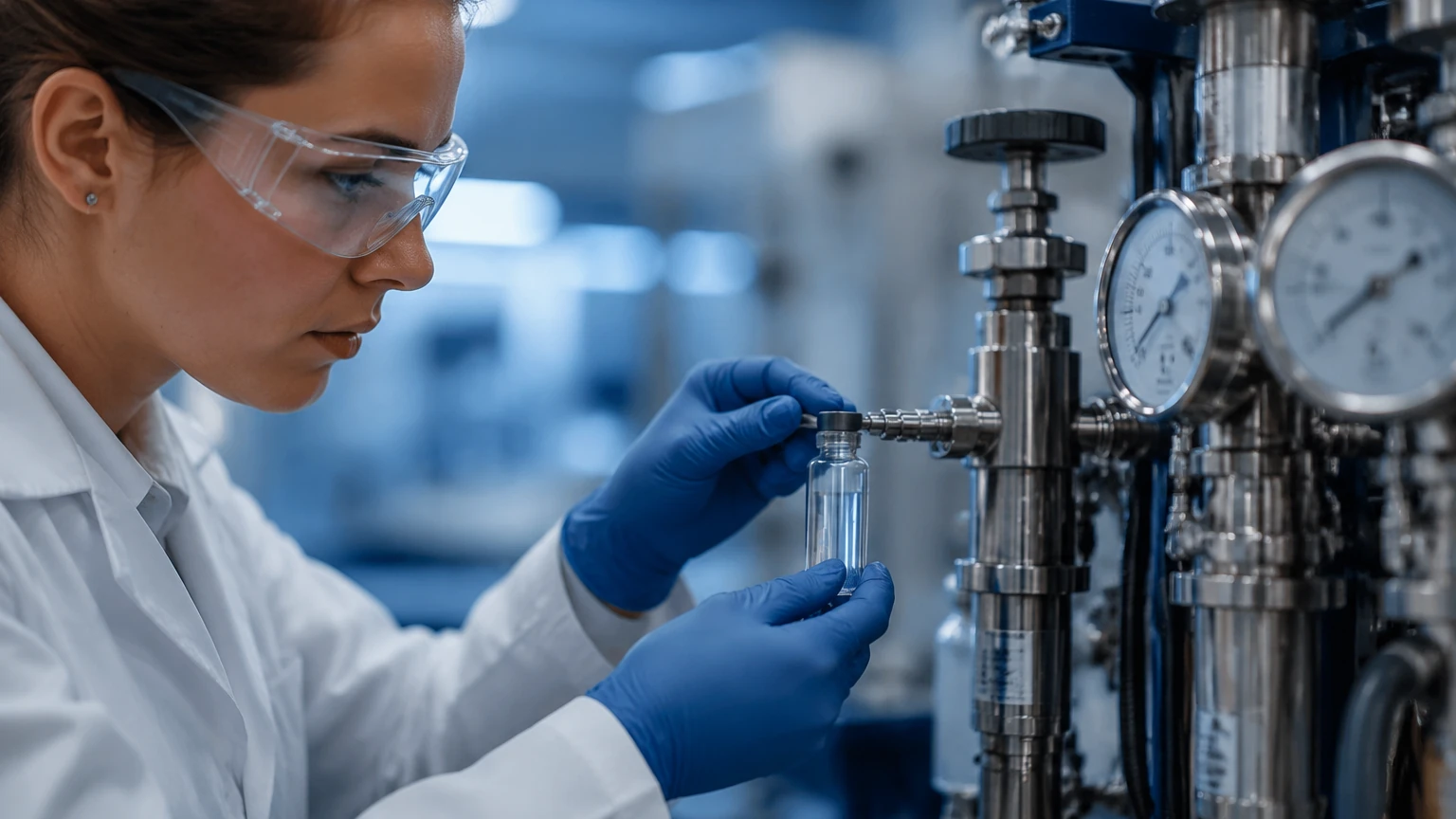
In the landscape of industrial process control, gas analysis stands as a critical discipline alongside level measurement and flow monitoring. While level instruments determine the quantity of a substance within a vessel, gas analysis identifies the composition and concentration of the gaseous phase. This data is indispensable for ensuring operational safety, optimizing combustion processes, and maintaining environmental compliance. For engineers and plant managers, understanding the synergy between headspace gas composition and liquid level dynamics is essential for comprehensive tank management and process automation.
Fundamental Principles of Gas Analysis
Gas analysis relies on various physical and chemical properties of molecules to identify and quantify their presence in a mixture. Before selecting a system, it is vital to understand the underlying measurement principles that govern modern industrial analyzers.
Non-Dispersive Infrared (NDIR)
NDIR is one of the most common technologies for detecting carbon-based gases like CO2, CH4, and CO. It operates on the principle that specific gas molecules absorb infrared (IR) light at unique wavelengths. The analyzer consists of an IR source, a sample chamber, and a detector with a narrow-band filter. As the gas flows through the chamber, it absorbs a portion of the IR energy. The detector measures the attenuation of light, which, according to the Beer-Lambert Law, is proportional to the gas concentration.
Electrochemical Sensors
Electrochemical analysis is widely used for oxygen (O2) and toxic gases like H2S or CO. These sensors function like a small battery. When the target gas diffuses through a membrane into the sensor, it undergoes a chemical reaction (oxidation or reduction) at an electrode. This reaction generates an electrical current directly proportional to the gas concentration. These sensors are valued for their low power consumption and portability, though they have a finite lifespan due to electrolyte depletion.
Thermal Conductivity (TCD)
TCD sensors measure the ability of a gas to conduct heat. Every gas has a specific thermal conductivity coefficient. By comparing the rate of heat loss from a heated filament in the sample gas versus a reference gas, the analyzer can determine the concentration of gases like Hydrogen (H2) or Helium (He). This method is non-specific, meaning it works best in binary or pseudo-binary gas mixtures where the components have significantly different thermal conductivities.
Paramagnetic Analysis
Specifically used for oxygen measurement, paramagnetic sensors exploit the fact that oxygen molecules are attracted to a strong magnetic field. Unlike most gases, which are diamagnetic (repelled by magnetic fields), oxygen’s paramagnetic property allows for highly accurate and stable measurements in process control applications, such as monitoring inerting systems in storage tanks.
The Relationship Between Gas Analysis and Level Measurement
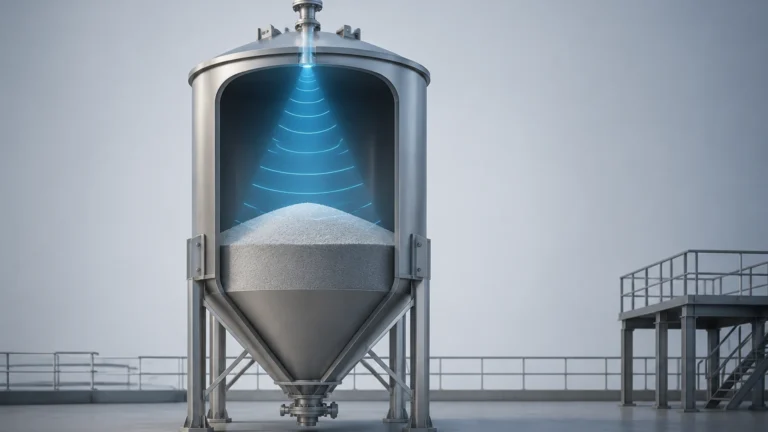
In many industrial applications, gas analysis and level measurement are two sides of the same coin. For instance, in chemical storage tanks, a radar level meter or ultrasonic level sensor tracks the liquid volume, while a gas analyzer monitors the headspace.
1. Gas Blanketing and Inerting: To prevent explosions or oxidation, tanks are often "blanketed" with Nitrogen (N2). Gas analysis ensures the O2 levels remain below the Limiting Oxygen Concentration (LOC), while level switches and transmitters manage the liquid volume to prevent overfills that could displace the protective gas buffer.
2. Vapor Pressure and Density Compensation: In high-pressure storage, the density of the gas phase can affect the accuracy of certain level measurement technologies, such as hydrostatic transmitters or ultrasonic sensors. Understanding the gas composition through analysis allows for more precise calibration and compensation of level data.
3. Environmental Emissions: Monitoring Volatile Organic Compounds (VOCs) in the headspace helps plants comply with air quality regulations. As the liquid level rises, gas is pushed out of the tank; analyzing this gas is crucial for vapor recovery unit (VRU) efficiency.
For a broader look at how these technologies integrate into industrial systems, you can review product options and application support on our Main Page.
Selection Criteria for Industrial Gas Analyzers
Choosing the right gas analysis technology requires a thorough evaluation of the process environment. Engineers must consider the following factors:
* Selectivity: The ability of the sensor to detect the target gas without interference from other gases (cross-sensitivity).
* Measurement Range: Whether the application requires parts-per-million (ppm) sensitivity or percentage-level (%) volume measurements.
* Response Time (T90): The time it takes for the analyzer to reach 90% of the final reading. This is critical for safety-related shut-off systems.
* Environmental Conditions: Temperature, pressure, and humidity. High moisture content often requires sample conditioning systems to prevent condensation within the analyzer.
* Hazardous Area Classification: Instruments used in refineries or chemical plants must often meet ATEX, IECEx, or Class/Division standards for explosive atmospheres.
Practical Selection Table
| Technology | Typical Target Gases | Advantages | Limitations | Common Applications |
| :— | :— | :— | :— | :— |
| NDIR | CO2, CH4, CO, SO2 | Long life, stable, specific | Sensitive to moisture | Flue gas, Biogas |
| Electrochemical | O2, H2S, Cl2, NH3 | Low cost, compact | Consumable sensor, T-sensitive | Safety portables, Toxic leak detection |
| Paramagnetic | O2 | Highly accurate, fast | Sensitive to vibration/tilt | Inerting, Medical gas |
| Thermal Conductivity | H2, He, Ar | Simple, robust | Non-specific in complex mixes | H2 purity in power plants |
| Laser (TDLAS) | H2O, NH3, CH4 | In-situ, very fast, no contact | Higher initial cost | Pipeline quality, De-NOx |
Installation Considerations and Sampling Systems
The accuracy of gas analysis is often determined more by the sampling system than the analyzer itself. There are two primary installation methods: Extractive and In-situ.
Extractive Sampling
In extractive systems, a probe pulls gas from the process line or tank and transports it to a remote analyzer. This allows for sample conditioning, such as:
* Filtration: Removing particulates that could clog the sensor.
* Cooling/Drying: Using Peltier coolers or membrane dryers to remove water vapor, which can interfere with IR measurements or damage sensors.
* Pressure Regulation: Dropping high process pressures to a stable level for the sensor.
In-situ Measurement
In-situ analyzers measure the gas directly in the process stream. This eliminates the need for complex sampling lines and provides the fastest response time. However, these instruments must be rugged enough to withstand process temperatures and pressures, and they can be more difficult to calibrate without removing them from the line.
Key Installation Checklist:
1. Probe Location: Ensure the probe is placed in a representative part of the flow, away from stagnant zones or points of chemical injection.
2. Sample Line Heating: If the gas contains moisture or heavy hydrocarbons, the sample line must be heated (typically to 120°C – 180°C) to prevent condensation.
3. Ventilation: Ensure the analyzed gas is safely vented to a flare header or a safe atmosphere, especially if toxic or flammable gases are being measured.
Limitations and Common Risks
Gas analysis is not without its challenges. Engineers must be aware of the following risks to maintain system integrity:
* Sensor Poisoning: Certain chemicals can permanently deactivate electrochemical or catalytic bead sensors. For example, silicones, lead, and sulfur compounds can "poison" sensors, leading to false low readings in dangerous environments.
* Cross-Sensitivity: An O2 sensor might react to high concentrations of CO2, or a CO sensor might be triggered by Hydrogen. Always consult the manufacturer’s cross-sensitivity charts during the design phase.
* Calibration Drift: All gas analyzers drift over time due to aging components or environmental changes. Regular calibration using certified span gases is mandatory for B2B industrial operations.
* Condensation: This is the leading cause of failure in extractive systems. If the sample gas cools below its dew point before reaching the analyzer, liquid water can block flow or destroy sensitive optical components.
Frequently Asked Questions (FAQs)
Q: How often should gas analyzers be calibrated?
A: This depends on the technology and the criticality of the measurement. Electrochemical sensors may require monthly checks, while stable NDIR systems might only need quarterly or semi-annual calibration. Always follow the manufacturer’s recommendations and local safety regulations.
Q: Can one analyzer measure multiple gases?
A: Yes, multi-gas analyzers are common. For example, a single NDIR bench can often measure CO, CO2, and CH4 simultaneously. However, combining different technologies (like NDIR and Electrochemical) in one housing is also a standard solution for flue gas analysis.
Q: What is the difference between a gas detector and a gas analyzer?
A: Generally, a gas detector is a safety device used to trigger alarms at specific thresholds (e.g., LEL or TLV). A gas analyzer provides a continuous, quantitative measurement of gas concentration for process control or environmental reporting.
Q: How does pressure affect gas analysis?
A: Most gas sensors are partial pressure dependent. If the process pressure changes, the reading will change even if the volume concentration remains the same. High-quality analyzers include integrated pressure compensation to correct these errors.
Conclusion
Effective gas analysis is a cornerstone of modern industrial safety and efficiency. By understanding the specific measurement principles—from NDIR to paramagnetic—and carefully designing sampling systems, facilities can ensure reliable data for process control. When integrated with robust level measurement solutions, gas analysis provides a complete picture of vessel and process status. As a professional manufacturer of industrial level measurement instruments, Welk provides the foundational data needed for tank management, which often works in tandem with these gas analysis systems. For more information on optimizing your industrial measurements, visit our Main Page.