Gas Flowmeter
Gas Flowmeter
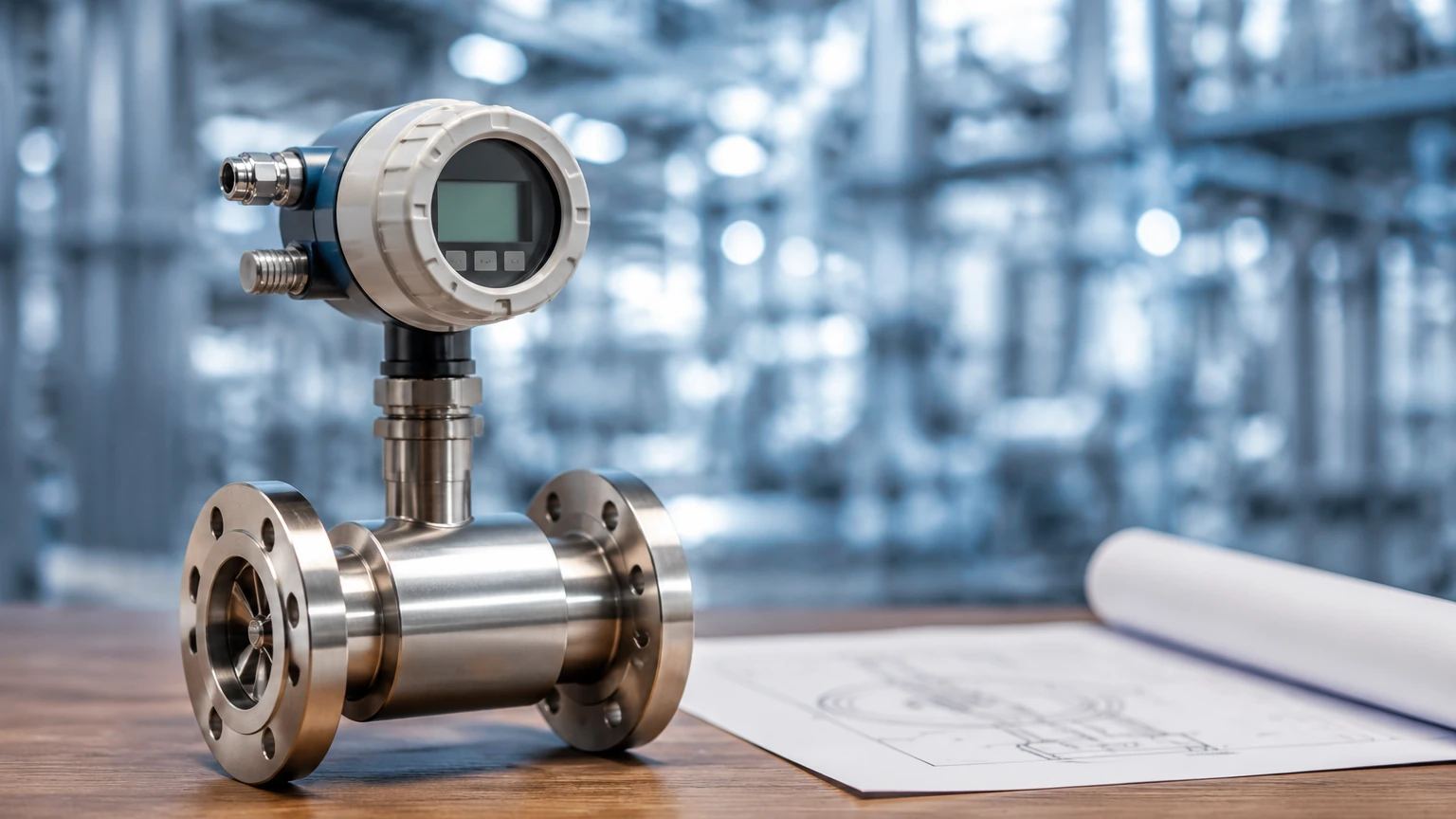
In industrial process control, the accurate measurement of gas flow is as critical as monitoring liquid levels or pressure. A gas flowmeter is an instrument designed to measure the volume or mass of a gaseous fluid passing through a pipe or conduit. Unlike liquids, gases are highly compressible, meaning their volume changes significantly with variations in temperature and pressure. Consequently, selecting and implementing a gas flowmeter requires a deep understanding of fluid dynamics, gas laws, and the specific requirements of the application.
For engineers and facility managers, gas flow measurement is essential for chemical dosing, combustion control, leak detection, and custody transfer. This guide provides a technical overview of gas flowmeter technologies, selection criteria, and installation best practices to ensure reliable performance in demanding B2B environments.
Measurement Principles of Gas Flowmeters
Before selecting a specific instrument, it is necessary to understand the physical principles that govern gas flow measurement. Different technologies interact with gas properties—such as density, thermal conductivity, and velocity—in unique ways.
Thermal Mass Flow Measurement
Thermal mass flowmeters operate based on the principle of thermal dispersion. The instrument typically features two sensing elements: a velocity sensor (heated) and a temperature sensor (reference). As gas flows over the heated sensor, it carries away heat. The amount of heat lost is directly proportional to the mass flow rate of the gas.
One of the primary advantages of this technology is that it measures mass flow directly without requiring additional pressure or temperature compensation. This makes it ideal for low-pressure applications and monitoring gases like compressed air, nitrogen, or biogas.
Vortex Shedding Principle
Vortex flowmeters utilize the Karman Vortex Street effect. When a gas flows past a non-streamlined "bluff body" placed in the flow stream, it creates alternating vortices (swirls) on either side. The frequency at which these vortices are shed is directly proportional to the velocity of the gas. By measuring this frequency, the meter calculates the volumetric flow rate. Vortex meters are robust and have no moving parts, making them suitable for high-temperature and high-velocity steam or gas applications.
Differential Pressure (DP) Measurement
DP flowmeters are among the most established technologies in the industry. They rely on Bernoulli’s principle, which states that an increase in the speed of a fluid occurs simultaneously with a decrease in pressure. By placing a restriction in the pipe—such as an orifice plate, Venturi tube, or Pitot tube—the meter creates a pressure drop. The square root of this pressure differential is proportional to the flow rate. While reliable, DP meters often require external pressure and temperature sensors to calculate compensated mass flow.
Ultrasonic Transit-Time
Ultrasonic gas flowmeters use sound waves to determine flow velocity. In a transit-time configuration, transducers send ultrasonic pulses back and forth across the pipe. Pulses traveling with the flow move faster than those traveling against it. The difference in time is used to calculate velocity. This non-intrusive method is highly accurate and offers a wide turndown ratio, often used in large-diameter pipes and high-pressure natural gas lines.
Key Selection Criteria for Industrial Gas Flowmeters
Choosing the right gas flowmeter involves evaluating the specific gas properties and the environmental conditions of the installation site. Engineers should consider the following factors:
1. Gas Composition: Is the gas a single component (e.g., pure Oxygen) or a mixture (e.g., Natural Gas or Biogas)? Thermal meters, for instance, require specific calibration for the gas mixture's thermal properties.
2. Flow Range and Turndown Ratio: The turndown ratio is the ratio between the maximum and minimum measurable flow. If a process has high variability, a meter with a high turndown ratio (like ultrasonic or thermal) is necessary.
3. Operating Pressure and Temperature: High-pressure applications require robust housings and may influence the choice toward vortex or DP meters. Conversely, very low-pressure flows are best handled by thermal mass meters.
4. Accuracy vs. Repeatability: While custody transfer requires high absolute accuracy, many process control applications prioritize repeatability (the ability of the meter to provide the same result under the same conditions).
Gas Flowmeter Technology Comparison Table
| Technology | Typical Accuracy | Turndown Ratio | Pressure Drop | Primary Advantage |
| :— | :— | :— | :— | :— |
| Thermal Mass | ±1% of Reading | 100:1 | Negligible | Direct mass flow; no compensation needed. |
| Vortex | ±1% to 1.5% | 20:1 | Medium | No moving parts; high temperature tolerance. |
| Ultrasonic | ±0.5% to 1% | 50:1 | None | Non-intrusive; very high accuracy. |
| Differential Pressure | ±1% to 2% | 4:1 to 10:1 | High | Well-standardized; lower initial cost. |
| Coriolis | ±0.5% | 20:1 | Medium | Highest accuracy; direct mass flow. |
Installation Considerations and Best Practices
Even the most advanced gas flowmeter will fail to provide accurate data if installed incorrectly. Proper installation ensures that the flow profile reaching the sensor is stable and predictable.
Straight Pipe Run Requirements
Most gas flowmeters require a specific length of straight pipe upstream and downstream of the installation point. This "straight run" allows turbulence caused by elbows, valves, or reducers to subside, resulting in a laminar flow profile. A common rule of thumb is 10 to 20 diameters (D) of straight pipe upstream and 5D downstream, though specific requirements vary by technology. For example, vortex meters are more sensitive to upstream disturbances than ultrasonic meters.
Orientation and Moisture Management
In gas applications, moisture or condensate can interfere with sensor readings. For horizontal pipes, it is often recommended to install the flowmeter at the top or side of the pipe to prevent liquid from pooling on the sensors. If the gas is saturated (wet gas), specialized drainage or specific meter orientations are required to ensure the liquid phase does not cause "slugging" or measurement errors.
Pressure and Temperature Compensation
Because gas volume is highly dependent on pressure and temperature, many volumetric meters (like vortex or DP) must be paired with a flow computer. This computer takes real-time data from pressure transmitters and RTDs (Resistance Temperature Detectors) to convert the "actual" flow into "standard" or "normal" flow units (e.g., Nm³/h or SCFM). To streamline operations, many facilities Review product options and application support to find integrated solutions that combine these measurements.
Integration with Level Measurement Systems
In many industrial environments, gas flow measurement and level measurement are two sides of the same coin. For instance, in a chemical storage tank, as the liquid level rises (monitored by a radar or ultrasonic level sensor), the displaced gas must be vented or recovered. Measuring the flow of this displaced gas provides a secondary check on the filling rate and ensures that vapor recovery systems are operating within safety limits.
In wastewater treatment, monitoring the level in an anaerobic digester is crucial, but equally important is measuring the biogas flowmeter output. Combining these data points allows operators to calculate the efficiency of the digestion process and manage the energy output of the facility. Advanced automation systems often integrate Welk level transmitters with gas flow data to provide a comprehensive mass balance of the entire plant.
Common Limitations and Risks
While gas flowmeters are highly reliable, certain conditions can compromise their performance:
* Gas Compressibility: Failing to account for the compressibility factor (Z) in high-pressure applications can lead to significant measurement errors.
* Particulate Contamination: In "dirty" gas applications, such as raw natural gas or flue gas, particles can erode vortex bluff bodies or coat thermal sensors, leading to drift. Regular maintenance and the use of filters or separators are recommended.
* Vibration: Vortex and some ultrasonic meters can be sensitive to mechanical pipe vibration. Using proper supports and dampeners can mitigate this risk.
* Low Flow Sensitivity: Some technologies, particularly DP and vortex, have a "cutoff" point below which they cannot accurately measure flow. If your process operates at very low velocities, thermal mass flowmeters are generally the preferred choice.
Frequently Asked Questions (FAQs)
Q: What is the difference between Actual flow and Standard flow?
A: Actual flow (Am³/h) is the volume of gas at the current operating pressure and temperature. Standard flow (Nm³/h or SCFM) is the volume the gas would occupy at a specific reference pressure and temperature (usually 1.013 bar and 0°C or 15°C). Standard flow allows for consistent mass-based accounting across different process conditions.
Q: Can one gas flowmeter be used for different types of gases?
A: It depends on the technology. Vortex and ultrasonic meters measure velocity, so they can often be used for different gases if the electronics are reconfigured. However, thermal mass flowmeters are calibrated for the specific thermal properties of a gas and must be factory-recalibrated if the gas type changes significantly.
Q: How often should a gas flowmeter be calibrated?
A: Calibration frequency depends on the criticality of the measurement and the operating environment. For custody transfer, annual calibration is common. For general process monitoring, a check every 2-3 years may be sufficient, provided the instrument shows no signs of drift or damage.
Q: How do I handle gas flow measurement in hazardous areas?
A: Most industrial gas flowmeters are available with ATEX, IECEx, or North American hazardous area certifications (Class I, Div 1/2). Ensure the instrument housing and wiring meet the specific zone requirements of your facility.
By understanding these technical principles and selection criteria, engineering teams can implement gas flow measurement solutions that enhance process efficiency and safety. Whether monitoring compressed air or managing complex chemical vapors, the right gas flowmeter is a cornerstone of modern industrial automation.