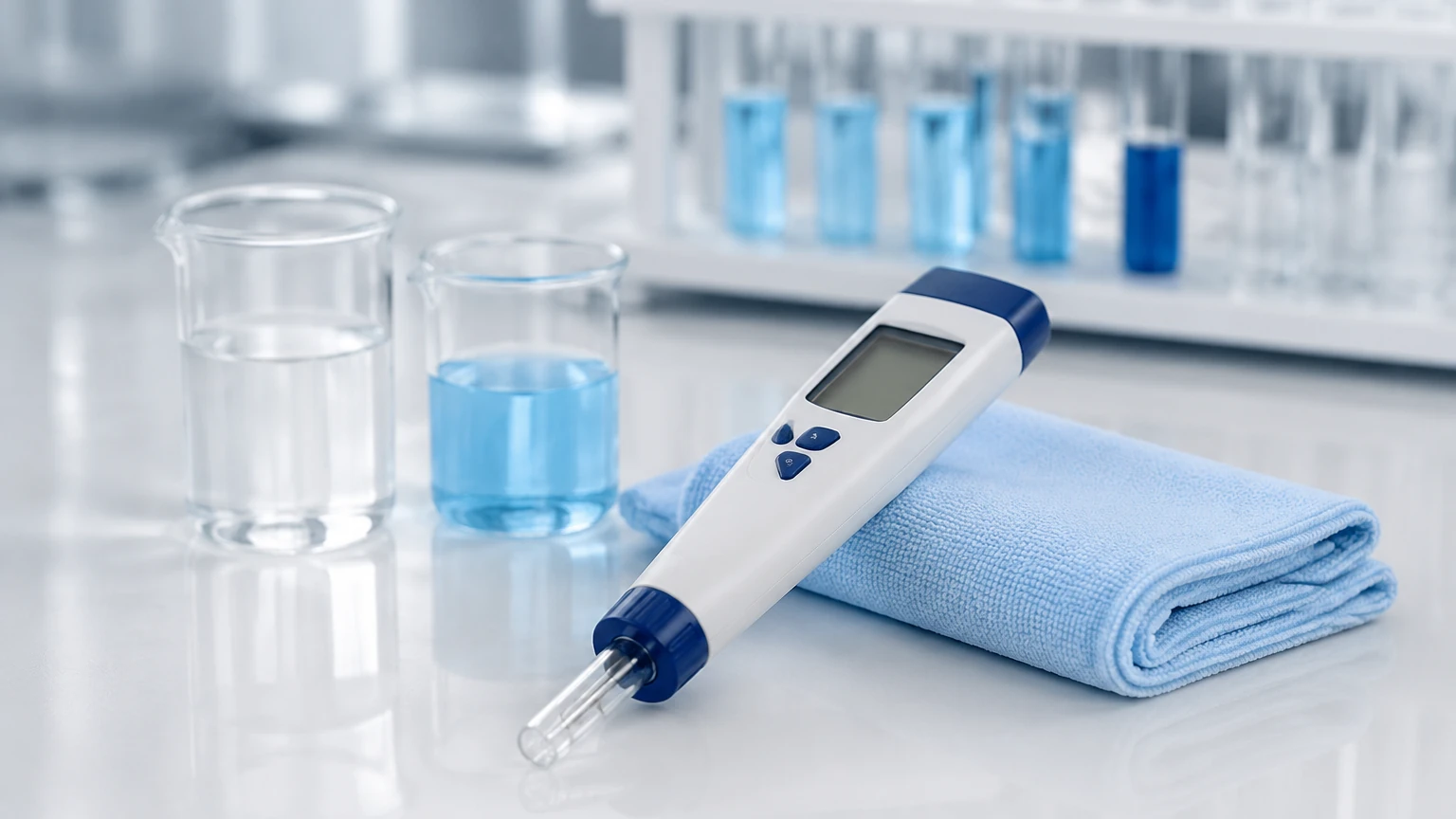
Handheld Ph Tester
Handheld Ph Tester
In industrial liquid management and process control, the ability to accurately determine the acidity or alkalinity of a solution is as critical as monitoring its volume or level. A handheld pH tester serves as a primary tool for field technicians and engineers to conduct rapid, on-site analysis of water quality, chemical concentrations, and process stability. While automated inline sensors provide continuous data, the portability and precision of a handheld device offer a necessary layer of verification and flexibility in diverse environments ranging from wastewater treatment plants to chemical processing facilities.
Understanding pH Measurement Principles
Before selecting a handheld pH tester for industrial use, it is essential to understand the electrochemical principles that govern its operation. The measurement of pH is essentially the measurement of hydrogen ion activity in a solution. Most modern handheld testers utilize the potentiometric method, which involves measuring the voltage difference between two electrodes immersed in the liquid.
The Electrode System
At the core of the tester is the electrode probe, typically consisting of two main components:
1. The Glass Electrode (Sensing Electrode): This electrode features a specialized glass membrane that is sensitive to hydrogen ions. When immersed, a thin layer of hydrated gel forms on the outside and inside of the glass membrane. The potential across this membrane changes in response to the hydrogen ion concentration of the sample.
2. The Reference Electrode: This electrode provides a stable, constant electrochemical potential against which the sensing electrode is compared. It usually contains a reference element (such as silver/silver chloride) submerged in an electrolyte solution (like potassium chloride).
The Nernst Equation
The relationship between the measured voltage (electromotive force) and the pH of the solution is defined by the Nernst equation. In simple terms, for every change of one pH unit, the potential generated at the electrode changes by approximately 59.16 millivolts at 25°C. Because this relationship is temperature-dependent, professional-grade handheld pH testers include Automatic Temperature Compensation (ATC) to ensure accuracy across varying process temperatures.
Key Components of Professional Handheld pH Testers
Industrial-grade handheld pH testers are designed to withstand harsher conditions than laboratory models. When evaluating these instruments, several technical components should be prioritized:
* The Junction: This is the point where the internal electrolyte of the reference electrode meets the sample. In environments with high suspended solids or oils, a "double junction" design is preferred to prevent contaminants from fouling the reference electrode and causing drift.
* The Digital Processor: This unit converts the millivolt signal into a readable pH value. High-quality processors offer rapid stabilization times and the ability to store multiple calibration points.
* Housing and Durability: For B2B applications, an IP67-rated waterproof housing is standard. This ensures the device remains functional even if accidentally dropped into a tank or exposed to heavy rain during field sampling.
* Replaceable Electrode Modules: Since pH electrodes are consumable items that degrade over time, a tester with a user-replaceable probe is more cost-effective than a sealed unit that must be discarded when the sensor fails.
Industrial Applications and Environmental Context
The use of a handheld pH tester is often complementary to comprehensive level measurement systems. In many industrial scenarios, monitoring the "what" (chemistry) is just as important as monitoring the "how much" (level).
Water and Wastewater Treatment
In municipal and industrial wastewater facilities, pH control is vital for biological treatment processes and chemical precipitation. Technicians use handheld testers to verify the accuracy of stationary sensors located in aeration basins or effluent channels. Accurate pH readings ensure that neutralized water meets regulatory standards before discharge.
Chemical Processing
In chemical manufacturing, pH levels dictate the rate of reaction and the quality of the final product. Handheld testers allow for spot-checking in mixing tanks or storage vessels where permanent sensor installation might be difficult due to agitation or corrosive atmospheres.
Cooling Towers and Boilers
Scaling and corrosion are significant risks in HVAC and power generation systems. Regular pH monitoring of cooling water helps in managing chemical dosing, preventing the buildup of calcium carbonate or the corrosion of heat exchangers.
Selection Criteria for Engineering and Maintenance Teams
Choosing the right handheld pH tester requires a balance between technical specifications and operational requirements. The following table provides a comparison of features typically found in industrial-grade instruments.
| Feature | Standard Field Tester | High-Precision Professional Tester |
| :— | :— | :— |
| pH Range | 0.0 to 14.0 | -2.00 to 16.00 |
| Resolution | 0.1 pH | 0.01 or 0.001 pH |
| Accuracy | ±0.1 pH | ±0.01 pH |
| Calibration Points | 1 or 2 points | 3 to 5 points |
| ATC Range | 0°C to 50°C | -5°C to 100°C |
| Data Logging | None | Internal memory with USB/Bluetooth |
| Junction Type | Single Junction | Double Junction or Cloth |
Calibration and Maintenance Protocols
A handheld pH tester is only as reliable as its last calibration. Because the sensitivity of the glass membrane changes over time (a process known as "aging"), regular calibration against certified buffer solutions is mandatory.
1. Buffer Selection: Most industrial applications use a three-point calibration using buffers of pH 4.01, 7.00, and 10.01. The pH 7.00 buffer is used to establish the "zero point" (isopotential), while the 4.01 and 10.01 buffers establish the slope of the electrode.
2. Cleaning Procedures: Electrodes should be cleaned after every use, especially when measuring viscous or oily liquids. Specialized cleaning solutions (acidic or enzymatic) may be required to remove protein or mineral deposits.
3. Storage: The most common cause of failure in a handheld pH tester is a dry electrode. The probe should always be stored in a specialized storage solution (usually 3M or 4M KCl). Storing the probe in deionized or distilled water will leach ions from the glass membrane, permanently damaging the sensor.
Integrating pH Monitoring with Level Measurement Systems
In modern industrial automation, data silos are being replaced by integrated monitoring strategies. While a handheld pH tester provides vital spot-checks, it is part of a broader ecosystem of instrumentation. For example, in a chemical storage tank, a technician might use a handheld device to verify the pH of a batch, while a radar or ultrasonic level meter provides continuous data on the volume of the liquid.
Welk specializes in providing the primary instrumentation for these environments, including advanced radar level meters and hydrostatic transmitters. For engineers looking to optimize their entire tank management system, reviewing the comprehensive range of level sensors on the Main Page is a recommended step. By combining reliable level data with precise chemical analysis from a handheld pH tester, facilities can achieve higher safety standards and process efficiency.
Limitations and Practical Considerations
Despite their versatility, handheld pH testers have specific limitations that engineers must account for:
* Sample Temperature: Although ATC compensates for the electrode's response change due to temperature, it does not account for the actual chemical change in the liquid's pH caused by temperature shifts. Samples should ideally be measured at a consistent reference temperature.
* Low Ionic Strength Liquids: Measuring pH in pure water (e.g., RO water or condensate) is notoriously difficult with standard handheld testers because the lack of ions causes the reading to drift. Specialized "low ionic strength" electrodes are required for these applications.
* Electrode Lifespan: Even with perfect maintenance, a pH electrode typically lasts 6 to 18 months in industrial service. Budgeting for replacement modules is a necessary part of the total cost of ownership.
Frequently Asked Questions (FAQs)
Q: How often should I calibrate my handheld pH tester?
A: For industrial applications where accuracy is critical, daily calibration is recommended. At a minimum, the device should be calibrated before each series of measurements or if it has not been used for several days.
Q: Can I use a handheld pH tester to measure the pH of soil or semi-solids?
A: Standard glass bulb electrodes are designed for liquids. To measure soil or semi-solids (like sludge), a "spear-tip" or flat-surface electrode is required to ensure proper contact and prevent breakage.
Q: Why does my pH reading take so long to stabilize?
A: Slow stabilization is often a sign of a clogged junction or an aging electrode. Cleaning the probe or replacing the electrolyte (in refillable models) can often resolve this. In cold liquids, stabilization naturally takes longer.
Q: Is it necessary to rinse the electrode between samples?
A: Yes. Rinsing with deionized water prevents cross-contamination between samples. However, you should blot the electrode gently with a lint-free tissue rather than wiping it, as wiping can create a static charge that interferes with the reading.
Conclusion
The handheld pH tester remains an indispensable tool for the modern industrial engineer. By providing immediate, accurate data on liquid chemistry, it supports critical decision-making in process control and environmental compliance. When integrated with robust level measurement technologies, such as those found on the Welk Main Page, these instruments ensure that industrial liquid assets are managed with both precision and safety. Proper selection, based on junction type, accuracy requirements, and durability, followed by a rigorous maintenance regime, will ensure that a handheld pH tester provides reliable service in even the most demanding B2B environments.