Hydrocarbon Extraction Machine
Hydrocarbon Extraction Machine
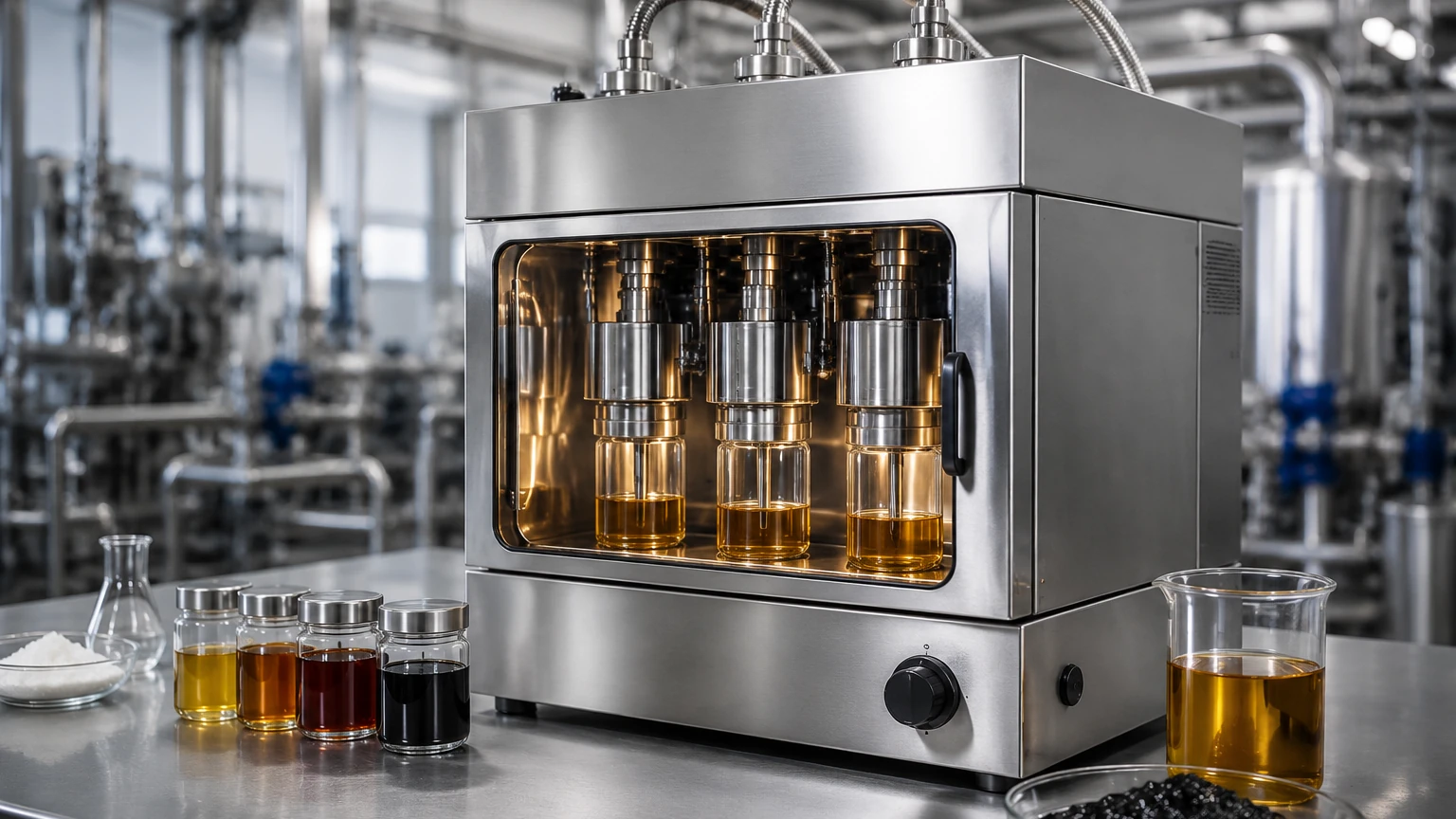
In the industrial processing of botanical oils, resins, and specialty chemicals, the hydrocarbon extraction machine stands as a cornerstone technology. These systems leverage the solvent properties of liquefied petroleum gases (LPG)—primarily butane and propane—to isolate target compounds from raw biomass. Because these solvents are highly flammable and operate under significant pressure, the integration of precise level measurement instrumentation is not merely an operational requirement but a critical safety mandate.
Effective management of a hydrocarbon extraction machine requires a deep understanding of how fluids behave within a closed-loop system. From solvent storage and primary extraction to the recovery and recirculation phases, engineers must monitor liquid levels to prevent pump cavitation, avoid vessel overfills, and ensure consistent extract quality. This guide explores the technical principles of level measurement within these systems and provides a framework for selecting the appropriate instrumentation for hazardous environments.
Principles of Level Measurement in Extraction Systems
Before selecting instrumentation for a hydrocarbon extraction machine, it is essential to understand the physical principles governing level detection. In these pressurized environments, three primary technologies are commonly employed: hydrostatic pressure, radar (microwave) time-of-flight, and magnetic buoyancy.
Hydrostatic Level Measurement
Hydrostatic sensors operate on the principle that the pressure at the bottom of a vessel is directly proportional to the height of the liquid column above it, multiplied by the fluid's specific gravity. In a closed-loop hydrocarbon system, the sensor must account for the headspace pressure exerted by the pressurized gas. This is typically achieved using a differential pressure (DP) transmitter, which subtracts the top-side gas pressure from the total pressure at the bottom to isolate the liquid level.
Radar Level Measurement
Radar level meters, particularly non-contact pulsed radar or guided wave radar (GWR), utilize electromagnetic waves to determine the distance to the product surface. The device emits a signal that reflects off the liquid's surface and returns to the sensor. The time-of-flight is used to calculate the level. Radar is highly effective in hydrocarbon applications because it is largely unaffected by changes in temperature, pressure, or the presence of vapors, provided the dielectric constant of the solvent is sufficient to reflect the signal.
Magnetic Level Gauges
Magnetic level gauges utilize a float containing an internal magnetic assembly that moves in response to the liquid level within a bypass chamber. As the float rises or falls, it actuates a series of external flags or a continuous transmitter. This provides both a local visual indication—critical for manual safety checks—and a remote electronic signal for the control system. Because the fluid is contained within a sealed stainless steel chamber, there is no risk of glass breakage or solvent leakage.
Critical Monitoring Points in a Hydrocarbon Extraction Machine
A standard hydrocarbon extraction machine consists of several stages, each requiring specific level monitoring strategies to maintain process integrity.
Solvent Storage and Supply Tanks
The solvent tank holds the liquefied butane or propane before it is introduced to the extraction vessel. Maintaining an accurate inventory is vital for ensuring the system has enough solvent for a full cycle. Because these tanks are often kept at low temperatures (sub-zero) to maintain the solvent in a liquid state, sensors must be rated for cryogenic or near-cryogenic conditions. For comprehensive product options and application support regarding tank monitoring, engineers often consult the Main Page of specialized instrument manufacturers like Welk.
Extraction and Collection Vessels
In the extraction vessel, the solvent passes through the biomass. The resulting mixture of solvent and extract then moves to a collection vessel. Here, level sensors are used to monitor the accumulation of the extract-heavy solvent. If the level becomes too high, it can lead to "carryover," where liquid enters the vapor recovery lines, potentially damaging the recovery pump. High-level switches are often installed as redundant safety measures in these vessels.
Solvent Recovery and Recirculation
During the recovery phase, heat is applied to the collection vessel to evaporate the solvent, leaving the extract behind. The vaporized solvent is then condensed back into a liquid and returned to the storage tank. Level sensors in the recovery tank ensure that the condensation process is occurring at the correct rate and that the pump is not running dry. Dry-running a recovery pump in a hydrocarbon environment can lead to overheating and mechanical failure, posing a significant fire risk.
Selection Criteria for Level Instrumentation
Selecting the right sensor for a hydrocarbon extraction machine involves evaluating several technical parameters. Failure to match the sensor to the environment can lead to inaccurate readings or premature device failure.
| Feature | Hydrostatic | Radar (Non-Contact) | Magnetic Gauge |
| :— | :— | :— | :— |
| Accuracy | 0.1% to 0.5% | 1mm to 3mm | ±5mm to 10mm |
| Pressure Range | Up to 400 bar | Up to 160 bar | Up to 250 bar |
| Chemical Compatibility | High (Stainless/Hastelloy) | Very High (PTFE/Ceramic) | High (316L/Ti) |
| Installation | Bottom or Side Mount | Top Mount | Side/Bypass Mount |
| Maintenance | Low (No moving parts) | Minimal | Occasional float check |
Chemical Compatibility and Materials
Hydrocarbons like butane and propane are non-corrosive to most metals, but the seals and gaskets must be carefully chosen. Standard Buna-N or EPDM seals may swell or degrade. Instead, FFKM (Perfluoroelastomer) or Viton (FKM) seals are preferred for their resistance to chemical attack and ability to maintain a seal under pressure. Welk level meters typically offer 316L stainless steel wetted parts as a standard to ensure long-term durability in these applications.
Hazardous Area Classifications
Due to the presence of flammable gases, any electrical instrumentation used on a hydrocarbon extraction machine must be certified for hazardous locations. In North America, this typically means Class I, Division 1 or 2 ratings. Internationally, ATEX or IECEx Zone 0, 1, or 2 certifications are required. These ratings ensure that the device is either explosion-proof (contained within a heavy housing) or intrinsically safe (operating at such low energy that it cannot ignite the atmosphere).
Installation and Engineering Considerations
Proper installation is as important as sensor selection. Even the most advanced radar level meter will fail if it is positioned incorrectly within the vessel.
1. Nozzle Interference: For non-contact radar, the sensor must be placed away from the vessel walls and internal obstructions like agitators or spray balls. Reflections from these structures can create "ghost echoes" that interfere with the true level signal.
2. Turbulence and Foam: Extraction processes can involve boiling or agitation, leading to surface turbulence or foam. Guided wave radar (GWR) is often superior in these conditions, as the probe guides the signal directly to the liquid surface, minimizing the impact of foam.
3. Vapor Compensation: In high-pressure hydrocarbon environments, the density of the gas phase can increase significantly. This can affect the speed of the radar signal. Advanced sensors include vapor compensation algorithms or reference pins to calibrate the signal speed in real-time.
4. Mounting Orientation: Hydrostatic sensors must be mounted where they will not be buried by sediment or extract buildup. For magnetic gauges, the chamber must be perfectly vertical to ensure the float moves freely without friction.
Limitations of Common Technologies
While modern instrumentation is highly reliable, each technology has limitations that engineers must account for in the design of a hydrocarbon extraction machine.
* Hydrostatic Limitations: These sensors are sensitive to changes in fluid density. If the ratio of butane to propane changes, or if the concentration of extract in the solvent varies significantly, the level reading will drift unless the system is recalibrated or compensated via a secondary density measurement.
* Radar Limitations: Non-contact radar may struggle with very low dielectric constant (εr) fluids. Pure hydrocarbons often have a dielectric constant between 1.4 and 2.0. Specialized high-sensitivity radar heads or guided wave probes are necessary to ensure a reliable return signal from these surfaces.
* Magnetic Gauge Limitations: These are mechanical systems. If the fluid contains high levels of wax or heavy resins that can coat the float or the internal walls of the chamber, the float may stick. Regular cleaning intervals are necessary for extraction processes involving heavy botanical waxes.
Frequently Asked Questions (FAQ)
Q: Why is level measurement more difficult in a hydrocarbon extraction machine than in a water tank?
A: Hydrocarbons have lower dielectric constants, lower densities, and higher vapor pressures than water. Additionally, the flammable nature of the solvent requires specialized explosion-proof electronics and high-integrity seals that are not necessary for water applications.
Q: Can I use an ultrasonic sensor for hydrocarbon level detection?
A: Generally, no. Ultrasonic sensors rely on sound waves, the speed of which changes drastically based on the composition and pressure of the gas in the headspace. In a pressurized butane or propane environment, ultrasonic readings are often too unstable for process control.
Q: How often should level sensors be calibrated in an extraction facility?
A: Most digital sensors like radar and hydrostatic transmitters should be verified annually. However, if the system is used for custody transfer (buying/selling solvent based on tank levels), more frequent calibration may be required by local regulations.
Q: What is the benefit of using a redundant level switch?
A: Redundancy is a core principle of functional safety. While a continuous level transmitter provides data for process control, a separate point-level switch (like a tuning fork or float switch) acts as a final fail-safe to shut down pumps or close valves if a high-level limit is reached, preventing environmental spills or equipment damage.
By carefully selecting and installing level measurement instruments, operators of a hydrocarbon extraction machine can ensure their processes remain safe, efficient, and compliant with industrial standards. For those seeking specific hardware configurations or technical data sheets, visiting the Main Page of a dedicated manufacturer provides the necessary resources to match instrumentation to the specific demands of hydrocarbon processing.