Hydrostatic Altimeter
Hydrostatic Altimeter
In industrial process control and liquid storage, the term hydrostatic altimeter refers to instruments that utilize the physical principle of hydrostatic pressure to determine the height or depth of a liquid column. While the term "altimeter" is frequently associated with aviation and atmospheric pressure, in the context of level measurement, a hydrostatic altimeter functions as a high-precision pressure transducer designed to convert the weight of a liquid above it into a linear height measurement. This technology is a cornerstone of modern industrial automation due to its reliability, ease of installation, and cost-effectiveness across diverse sectors such as water treatment, chemical processing, and oil and gas.
Understanding the engineering behind these devices is essential for selecting the correct instrument for specific application requirements. For a comprehensive overview of available technologies, engineers often consult the Main Page of industrial instrumentation providers to compare hydrostatic sensors with alternative methods like radar or ultrasonic sensing.
Fundamental Principles of Hydrostatic Measurement
The operation of a hydrostatic altimeter is governed by Stevin’s Law, which states that the pressure exerted by a static liquid column is directly proportional to its height and the density of the fluid. The mathematical expression for this relationship is:
P = ρ × g × h
Where:
* P is the hydrostatic pressure (measured in Pascals or Bar).
* ρ (rho) is the density of the liquid (kg/m³).
* g is the acceleration due to gravity (approximately 9.81 m/s²).
* h is the height of the liquid column (meters).
In a practical industrial setting, if the density of the liquid remains constant, the pressure measured at the bottom of a tank or at a specific depth in a well provides a precise indication of the liquid level. Most hydrostatic altimeters are calibrated to compensate for local gravity and the specific gravity of the media being measured.
Atmospheric Compensation
To ensure accuracy, the sensor must account for the atmospheric pressure acting on the surface of the liquid. In vented (open) tanks, a "gauge pressure" sensor is used. These instruments incorporate a vent tube within the signal cable that allows the internal side of the sensing diaphragm to be exposed to the same atmospheric pressure as the liquid surface, effectively canceling out the atmospheric variable. In pressurized (closed) vessels, a differential pressure approach is required, where a second sensor measures the gas-phase pressure above the liquid to subtract it from the total pressure measured at the bottom.
Technical Configurations of Hydrostatic Altimeters
Hydrostatic altimeters are generally categorized into two primary mechanical designs: submersible transmitters and externally mounted transmitters.
Submersible Level Transmitters
These are designed to be lowered directly into the liquid. They are typically used in deep wells, boreholes, reservoirs, and wastewater lift stations. The sensor housing is hermetically sealed (usually IP68 rated) and constructed from corrosion-resistant materials like 316L stainless steel, titanium, or PVDF. The cable serves a dual purpose: transmitting the electrical signal (4-20mA or digital) and providing the atmospheric vent path.
Externally Mounted (Bolt-on) Sensors
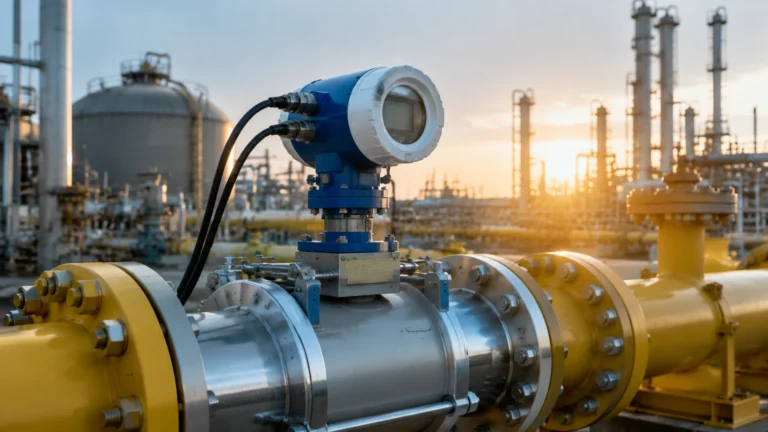
In factory or plant environments where tanks have existing bottom or side ports, a hydrostatic altimeter can be mounted externally via a flange or threaded connection. These are easier to maintain as the sensor can be isolated from the process using a valve without needing to enter the tank. These are common in the food and beverage industry (hygienic versions) and chemical storage.
Selection Criteria and Engineering Considerations
Choosing the right hydrostatic altimeter requires a detailed analysis of the process environment. The following table provides a guideline for selecting sensor types based on common industrial variables:
| Application Factor | Submersible Sensor | Externally Mounted Sensor | Consideration |
| :— | :— | :— | :— |
| Tank Type | Open wells, deep sumps | Vented or pressurized tanks | Submersible is better for depth > 10m |
| Media Type | Clean water, wastewater | Acids, slurries, food products | Material compatibility is critical |
| Temperature | Typically -10°C to +70°C | Up to +120°C (with cooling) | High temps require remote seals |
| Installation | Top-down suspension | Side or bottom flange | Access for maintenance |
| Accuracy | 0.1% to 0.5% FS | 0.05% to 0.25% FS | External sensors often offer higher precision |
Material Compatibility
The diaphragm is the most sensitive part of the hydrostatic altimeter. While stainless steel is standard, aggressive chemicals may require Hastelloy C, Monel, or ceramic diaphragms. Ceramic sensors are particularly favored in abrasive applications or where high overpressure resistance is needed, as they do not deform as easily as metal foils.
Installation and Calibration Best Practices
Proper installation is vital to preventing measurement drift and physical damage to the instrument. Engineers should follow these standard guidelines:
1. Avoid Turbulence: Do not install the sensor directly near an agitator, pump inlet, or fill pipe. The moving liquid can create dynamic pressure (Bernoulli effect), which the sensor will interpret as a change in level, leading to false readings. If turbulence is unavoidable, a stilling well (a perforated pipe) should be used to protect the sensor.
2. Cable Support: For submersible models, the cable should not be used as the primary load-bearing element if the depth exceeds 30 meters (approx. 100 feet). A separate stainless steel support wire or conduit should be used to prevent cable stretching, which can damage the internal vent tube.
3. Moisture Protection: The vent tube must be protected from moisture ingress. Most high-quality hydrostatic altimeters include a desiccant cartridge or a breathable Gore-Tex filter at the termination point of the cable to prevent condensation from blocking the vent path.
4. Zero-Point Calibration: Before the final installation, the sensor should be checked at zero pressure (atmospheric) to ensure the offset is correct. This is especially important in deep-well applications where the weight of a long cable might slightly affect the strain on the sensor housing.

Limitations and Operational Challenges
While highly reliable, the hydrostatic altimeter is not a universal solution. Its primary limitation is its dependence on fluid density. If the density of the liquid changes—due to temperature fluctuations, concentration changes in a chemical mix, or aeration—the sensor will report an incorrect level. For example, if the temperature of oil in a tank rises, the oil expands and its density decreases; the hydrostatic pressure at the bottom will remain the same even though the physical volume (height) has increased.
Furthermore, hydrostatic sensors are "contacting" instruments. In highly viscous liquids or media that tend to crystallize or coat surfaces, the diaphragm can become fouled, leading to sluggish response or total signal failure. In such cases, non-contacting methods such as radar level meters found on the Main Page may be more appropriate.
Frequently Asked Questions (FAQs)
Q: How does a hydrostatic altimeter handle foam on the surface of the liquid?
A: Unlike ultrasonic or radar sensors, which may struggle with signal absorption or false echoes from foam, a hydrostatic sensor is unaffected by surface foam. It measures only the weight of the liquid column, making it an excellent choice for fermenters or wastewater tanks where foaming is common.
Q: Can a hydrostatic altimeter be used in a vacuum tank?
A: Yes, but it requires a differential pressure configuration. A single gauge-pressure sensor will not work because the vacuum would pull on the diaphragm, creating a negative or erratic reading. A DP (Differential Pressure) transmitter measures the difference between the bottom pressure and the vacuum pressure at the top.
Q: What is the typical lifespan of a submersible hydrostatic sensor?
A: In clean water applications, these sensors can last 10 to 15 years. In harsh environments like wastewater or chemical processing, the lifespan may be 3 to 7 years, depending on the frequency of pressure spikes and the corrosiveness of the media.
Q: Is it possible to cut the cable of a submersible sensor to fit?
A: While some models allow for cable trimming, it is generally discouraged because the vent tube is integrated into the cable. Cutting the cable requires specialized tools to ensure the vent tube remains open and protected. It is always better to specify the exact cable length required during the procurement phase.
Conclusion
The hydrostatic altimeter remains a fundamental tool in the industrial instrumentation toolkit. By leveraging the predictable physics of liquid weight, it provides a robust and simple method for monitoring levels in everything from municipal water towers to industrial acid tanks. When density is stable and the sensor is correctly matched to the chemical properties of the fluid, hydrostatic measurement offers a level of precision and longevity that is difficult to match with more complex electronic sensing technologies. For those designing new systems or replacing legacy equipment, reviewing modern specifications on the Main Page ensures that the selected hydrostatic solution meets the rigorous demands of contemporary industrial automation.