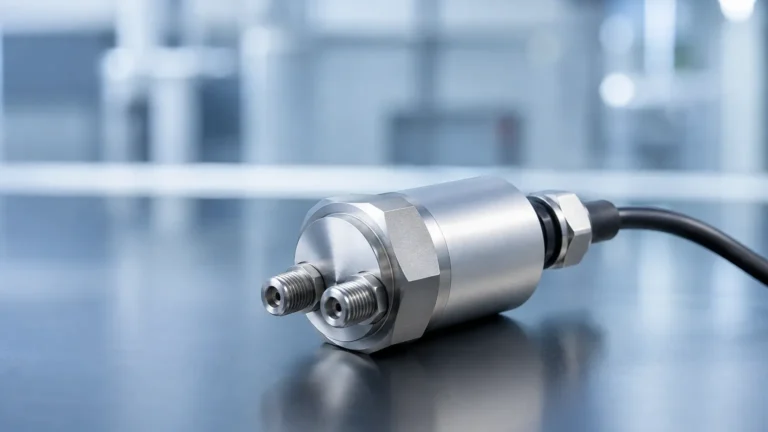
Inline Ph Meter
Inline Ph Meter
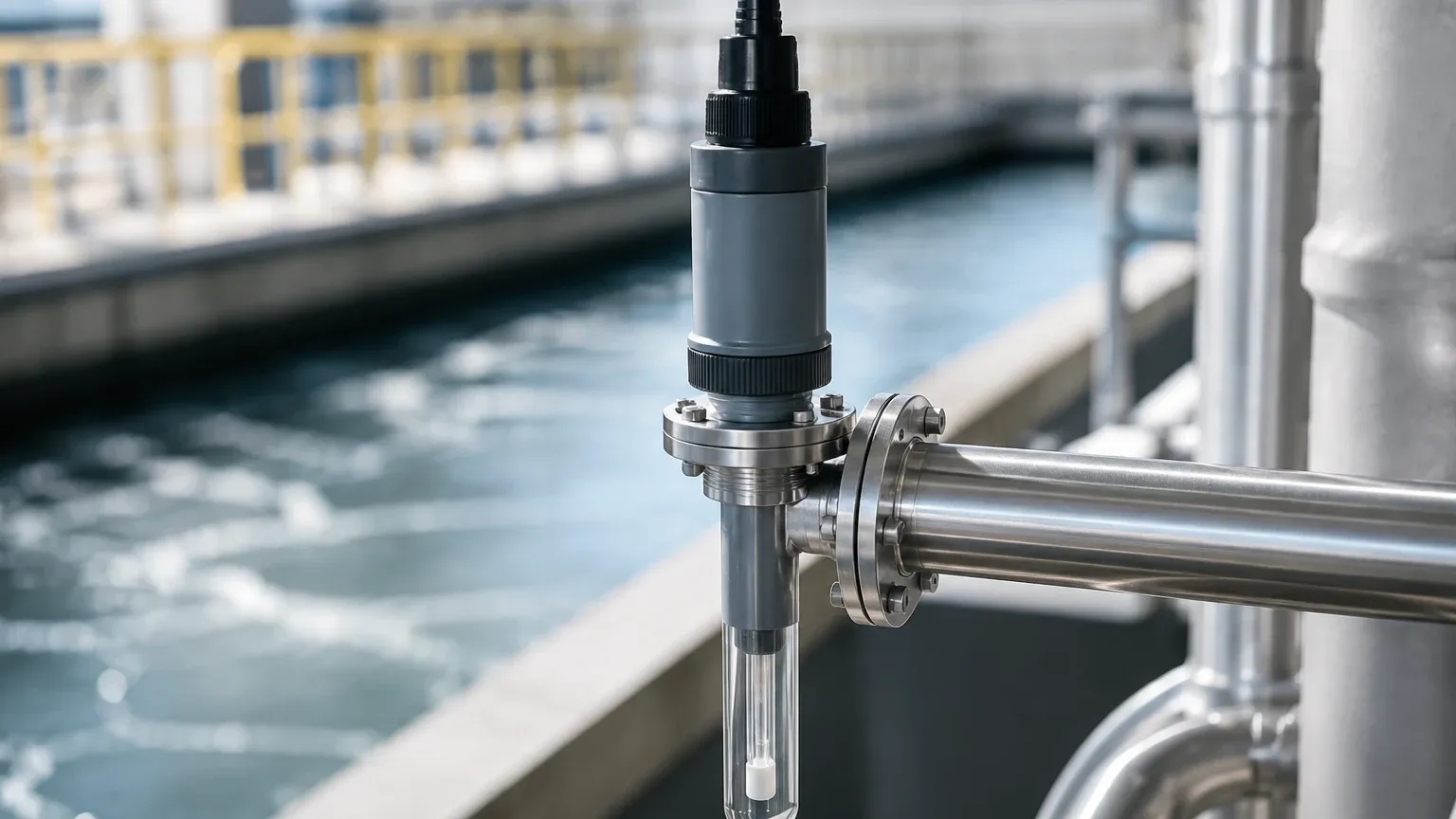
In the landscape of industrial process control, the measurement of liquid acidity or alkalinity is as fundamental as monitoring pressure, temperature, or liquid level. An inline pH meter is a specialized analytical instrument designed to provide continuous, real-time data on the hydrogen-ion activity of a process fluid. Unlike laboratory sampling, which provides a snapshot in time, inline measurement allows for immediate automated adjustments, ensuring product quality, protecting downstream equipment, and maintaining regulatory compliance in water treatment, chemical manufacturing, and pharmaceutical applications.
Understanding the Fundamentals of Inline pH Measurement
The measurement of pH is based on the electrochemical potential of a solution. To understand how an inline pH meter functions, one must look at the Nernst Equation, which defines the relationship between the voltage produced by an electrochemical cell and the concentration of ions in the solution.
The Electrochemical Principle
An inline pH sensor typically consists of two primary elements: a sensing electrode (glass electrode) and a reference electrode. These are often combined into a single "combination electrode" for industrial use.
1. The Glass Electrode: This electrode features a specially formulated pH-sensitive glass membrane. When immersed in a liquid, a thin hydrated layer forms on the outer surface of the glass. A similar layer exists on the inner surface, which is in contact with an internal buffer solution of known pH. The difference in hydrogen-ion concentration between the process liquid and the internal buffer creates an electrical potential across the glass membrane.
2. The Reference Electrode: To measure the potential of the glass electrode, a stable reference point is required. The reference electrode provides a constant voltage, regardless of the pH of the process fluid. It typically uses a silver/silver chloride (Ag/AgCl) system immersed in a concentrated potassium chloride (KCl) electrolyte.
3. The Junction: For the circuit to be complete, a small amount of electrolyte must flow from the reference electrode into the process liquid. This occurs through a porous junction (made of ceramic, PTFE, or wood). The integrity of this junction is critical for accurate inline measurement.
Temperature Compensation
Because the voltage produced by the electrodes is temperature-dependent, industrial inline pH meters must include an Automatic Temperature Compensation (ATC) element, usually a Pt100 or Pt1000 RTD. This allows the transmitter to calculate the correct pH value based on the actual temperature of the process fluid, typically referenced to 25°C.
Key Components of an Industrial Inline pH System
A complete inline pH monitoring setup involves more than just the probe. For reliable performance in harsh industrial environments, the system comprises three main blocks:
* The Sensor (Probe): The primary sensing element that contacts the fluid. It must be selected based on the chemical compatibility of the glass and the body material (often Ryton, PVDF, or stainless steel).
* The Transmitter/Analyzer: This device receives the high-impedance millivolt signal from the sensor, converts it into a readable pH value, and outputs a standard signal (such as 4-20mA, Modbus RS485, or HART) to a PLC or SCADA system.
* The Mounting Assembly: Inline sensors require hardware to interface with the piping. Common options include flow-through cells for bypass lines, immersion probes for tanks, and retractable assemblies that allow the sensor to be removed for cleaning or calibration without shutting down the process line.
Critical Selection Criteria for Inline pH Sensors
Choosing the right inline pH meter requires an analysis of the process conditions. A sensor designed for clean water treatment will fail rapidly in a high-temperature chemical reactor. When evaluating options, engineers should consult the technical specifications found on the Main Page of instrumentation providers to ensure the selected hardware matches the application requirements.
| Feature | Standard Water Treatment | Chemical Processing | Wastewater/Slurry |
| :— | :— | :— | :— |
| Junction Type | Ceramic (Single) | PTFE/Teflon (Double) | Open Junction/Solid Polymer |
| Electrolyte | Gel-filled (Sealed) | Pressurized Liquid | Solid Polymer/Knick-resistant |
| Pressure Rating | Up to 6 bar (87 psi) | Up to 10+ bar (145 psi) | Up to 6 bar (87 psi) |
| Temperature Range | 0°C to 60°C | -10°C to 130°C | 0°C to 80°C |
| Glass Shape | Bulb (General) | Flat Surface (Self-cleaning) | Hemispherical (Robust) |
Installation Best Practices for Process Integration
The longevity and accuracy of an inline pH meter are heavily influenced by how it is installed. Improper placement can lead to air bubbles, sediment buildup, or electrode dehydration.
1. Orientation: Sensors should never be installed horizontally or upside down. The internal electrolyte must stay in contact with the glass membrane. An angle of at least 15° to 45° above the horizontal is recommended to ensure that internal air bubbles do not interfere with the measurement.
2. Flow Velocity: While some flow is necessary to ensure a representative sample and to help keep the sensor clean, extremely high velocities (above 2-3 meters per second) can cause a "streaming potential" error or physical erosion of the glass membrane.
3. Grounding: In industrial piping systems, stray electrical currents can cause significant signal noise. Proper grounding of the liquid and the transmitter is essential. Using a sensor with a built-in solution ground (a metal pin or conductive plastic) can help stabilize the reading.
4. Accessibility: Inline sensors require regular maintenance. Retractable housings are highly recommended for critical lines, as they allow the operator to isolate the sensor from the process pressure for cleaning and calibration.
Maintenance, Calibration, and Troubleshooting
Unlike level meters or pressure transmitters, which are often "set and forget" devices, an inline pH meter is a consumable item that requires active management.
Calibration Procedures
Electrodes naturally drift over time due to the aging of the glass membrane and the depletion of the reference electrolyte. Most industrial systems require a two-point calibration using standard buffer solutions (typically pH 4.0, 7.0, or 10.0).
* Zero Point (Offset): Usually calibrated at pH 7.0. This accounts for the "Asymmetry Potential."
* Slope: Usually calibrated at pH 4.0 or 10.0. This measures the efficiency of the electrode. A slope below 85% of the theoretical Nernstian value (59.16 mV/pH at 25°C) usually indicates the sensor needs replacement.
Cleaning Regimes
In many applications, the primary cause of failure is sensor fouling. Depending on the process, cleaning may involve:
* General debris: Rinsing with deionized water.
* Oils and fats: Mild detergent or isopropyl alcohol.
* Scaling (Calcium): 5% Hydrochloric acid (HCl) soak.
* Proteins: Pepsin in HCl solution.
Limitations and Environmental Factors
While highly effective, inline pH meters have specific limitations that must be acknowledged during the engineering phase:
* Dehydration: If a process line is drained and the sensor is left dry, the hydrated layer on the glass membrane will disappear. This leads to slow response times and eventual sensor failure. In intermittent processes, the sensor must be kept wet.
* Chemical Attacks: Hydrofluoric acid (HF) will dissolve the glass membrane of a standard pH sensor. In such cases, specialized antimony electrodes or HF-resistant glass must be used.
* High Pressure: Standard gel-filled electrodes may suffer from "poisoning" where the process fluid is forced into the reference junction. In high-pressure applications, a pressurized reference system is necessary to ensure the electrolyte always flows outward.
Frequently Asked Questions (FAQ)
Q: How often should I calibrate my inline pH meter?
A: This depends entirely on the process. In stable water treatment applications, once a month may suffice. In aggressive chemical processes, weekly or even daily calibration might be required to maintain 0.05 pH accuracy.
Q: Can I use a pH sensor to measure the level of a tank?
A: No. pH sensors measure chemical activity. For volume or height measurement, you should utilize dedicated level measurement technologies such as radar, ultrasonic, or hydrostatic transmitters. Integrating these diverse data points into a single control system provides a holistic view of the process.
Q: What is the typical lifespan of an inline pH sensor?
A: In benign conditions, a sensor may last 12 to 24 months. In harsh chemical environments with high temperatures or extreme pH levels, the lifespan may be reduced to 3 to 6 months.
Q: Why does my pH reading drift when the flow starts?
A: This is often due to a lack of proper grounding or a clogged reference junction. Ensure the sensor has a solution ground and that the junction is appropriate for the fluid's conductivity.
Conclusion
An inline pH meter is a vital tool for modern industrial automation, providing the continuous data necessary for precision chemistry and environmental protection. By understanding the electrochemical principles of the sensor and adhering to strict installation and maintenance protocols, engineers can ensure high reliability and long-term accuracy. When designing a complete process monitoring station, it is important to pair high-quality analytical sensors with robust level and flow instrumentation to achieve comprehensive control over the industrial environment.