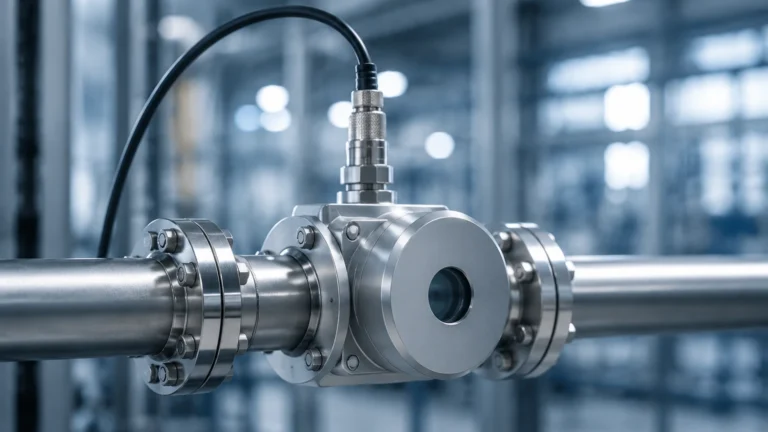
Isfet
Isfet
In the landscape of industrial process control, the Ion-Sensitive Field-Effect Transistor (ISFET) represents a significant shift from traditional electrochemical sensing to solid-state electronics. While level measurement technologies like radar and ultrasonic sensors focus on the physical quantity of a medium, ISFET technology addresses the chemical quality—specifically pH levels—within the same industrial environments. For engineers managing water treatment, chemical processing, or oil and gas facilities, understanding the synergy between level monitoring and chemical sensing is essential for comprehensive automation.
Measurement Principles of ISFET Technology
The ISFET is a specialized type of Metal-Oxide-Semiconductor Field-Effect Transistor (MOSFET). To understand its function, one must first understand the basic structure of a standard transistor. In a MOSFET, a gate electrode controls the flow of current between a source and a drain. In an ISFET, this metal gate is removed, exposing the underlying insulating layer—the ion-sensitive membrane—directly to the process liquid.
When the sensor is immersed in an aqueous solution, the surface of the gate insulator develops an electrical potential. This potential is determined by the concentration of specific ions (usually hydrogen ions for pH measurement) in the liquid. This phenomenon is described by the site-binding model, where the hydroxyl groups on the surface of the insulator can either gain or lose a proton depending on the pH of the surrounding medium.
As the surface potential changes, it creates an electric field that modulates the conductivity of the semiconductor channel between the source and the drain. By maintaining a constant current or voltage across the transistor, the change in potential can be measured and converted into a highly accurate pH reading. Unlike traditional glass electrodes that rely on a delicate membrane and high-impedance signal paths, the ISFET generates a low-impedance signal directly at the point of measurement, making it significantly more resistant to electrical noise.
ISFET vs. Traditional Glass Electrodes
For decades, the glass electrode has been the standard for pH measurement. However, in industrial applications where vibration, pressure, and breakage risks are high, glass electrodes present significant limitations. The following table highlights the primary differences between ISFET sensors and traditional glass-based systems.
| Feature | ISFET Sensor | Traditional Glass Electrode |
| :— | :— | :— |
| Material | Solid-state silicon/ceramic | Thin-walled glass bulb |
| Durability | High; resistant to breakage | Low; fragile and prone to cracking |
| Response Time | Extremely fast (milliseconds) | Moderate to slow (seconds to minutes) |
| Storage | Can be stored dry | Must be stored wet to maintain hydration |
| Size | Miniaturized; ideal for small spaces | Bulky; requires specific housing sizes |
| Impedance | Low; less sensitive to cable noise | High; requires specialized shielded cables |
| Temperature Sensitivity | High; requires active compensation | Moderate; requires compensation |
Integration with Industrial Level Measurement
In practical engineering, chemical sensing and level measurement are rarely isolated. In a chemical storage tank or a water treatment basin, knowing the volume of the liquid is as critical as knowing its acidity or alkalinity. For example, when using a Main Page solution to monitor the level of a corrosive reagent, the ISFET sensor provides the real-time data necessary to ensure the chemical remains within safe processing limits.
In automated dosing systems, the level meter tracks the consumption of the reagent, while the ISFET sensor monitors the effectiveness of the neutralization process. This dual-monitoring approach prevents overfilling (via high-level alarms) and ensures that the discharge water meets environmental regulations regarding pH levels. The integration of these sensors into a single PLC (Programmable Logic Controller) or DCS (Distributed Control System) allows for a holistic view of the process state.
Selection Criteria for Industrial Applications
Choosing the right ISFET sensor requires an evaluation of the specific process conditions. While the solid-state nature of the sensor makes it robust, it is not universal for all applications. Engineers should confirm the following parameters before selection:
1. Chemical Compatibility
The material of the sensor body and the ion-sensitive membrane (often Aluminum Oxide, Tantalum Oxide, or Silicon Nitride) must be compatible with the process media. Tantalum Oxide (Ta2O5) is frequently preferred for industrial use due to its superior stability and wide pH range (0 to 14).
2. Temperature and Pressure Limits
Standard industrial ISFET sensors are typically rated for temperatures up to 100°C (212°F) and pressures up to 10 bar (145 psi). In applications involving Steam-In-Place (SIP) sterilization or high-pressure chemical reactors, specialized housings and high-temperature variants are required.
3. Reference Electrode Type
An ISFET sensor cannot work alone; it requires a reference electrode to complete the electrical circuit. While the ISFET itself is solid-state, the reference electrode may still contain a liquid or gel electrolyte. For low-maintenance applications, look for "dry" reference systems or those with large-area junctions to prevent clogging in dirty water applications.
Installation Considerations
Proper installation is paramount for the longevity and accuracy of an ISFET sensor. Unlike hydrostatic level transmitters that are often mounted at the bottom of a tank, pH sensors must be positioned where there is representative flow and minimal risk of sensor "poisoning."
* Mounting Angle: Most ISFET sensors can be mounted at any angle, including upside down, which is a significant advantage over glass electrodes that must be mounted within 15° of vertical to ensure the internal electrolyte stays in contact with the bulb.
* Flow Velocity: In pipelines, the sensor should be placed in a location with steady flow to prevent the buildup of solids on the chip surface. However, excessively high velocity can cause erosion of the sensitive membrane.
* Submersion Depth: When used in open channels or basins alongside ultrasonic level sensors, the ISFET should be submerged deep enough to avoid surface foam but high enough to avoid the sludge layer at the bottom.
Limitations and Maintenance
Despite their advantages, ISFET sensors have specific limitations that must be managed:
* Light Sensitivity: Because they are semiconductor devices, ISFETs can be sensitive to intense light, which may cause a shift in the baseline signal. Most industrial housings are designed to shield the sensor from direct sunlight or high-intensity plant lighting.
* Drift: Like all pH sensors, ISFETs experience calibration drift over time. Regular two-point calibration using standard buffer solutions is necessary to maintain accuracy.
* Membrane Coating: In oily or high-solid environments, the sensitive gate can become coated, sluggishly responding to pH changes. Periodic cleaning with appropriate detergents or dilute acids is required.
Frequently Asked Questions (FAQs)
Q: Can ISFET sensors be used in hazardous areas?
A: Yes, many ISFET sensors are available with ATEX or IECEx certifications for use in explosive atmospheres, provided they are used with an appropriate intrinsically safe barrier.
Q: How often do I need to calibrate an ISFET sensor?
A: Calibration frequency depends on the process. In stable water treatment applications, monthly calibration may suffice. In aggressive chemical processes, weekly or even daily checks may be necessary.
Q: Is the ISFET sensor completely "glass-free"?
A: Yes, the sensing element itself contains no glass. This makes it ideal for the food and beverage industry where the risk of glass breakage in the production line must be eliminated.
Q: Does temperature affect the reading?
A: Yes, pH is temperature-dependent. Industrial ISFET systems include an integrated temperature sensor (like a Pt100 or Pt1000) to provide automatic temperature compensation (ATC).
Conclusion
The ISFET represents a critical advancement in process analytical technology. By replacing fragile glass with robust silicon, it provides a reliable solution for pH monitoring in demanding industrial environments. When paired with high-quality level measurement instruments, such as those found on the Welk Main Page, ISFET sensors allow for a more resilient and automated approach to fluid management. Whether managing a complex chemical reactor or a municipal wastewater facility, the transition to solid-state sensing reduces downtime and improves the overall safety of the operation.