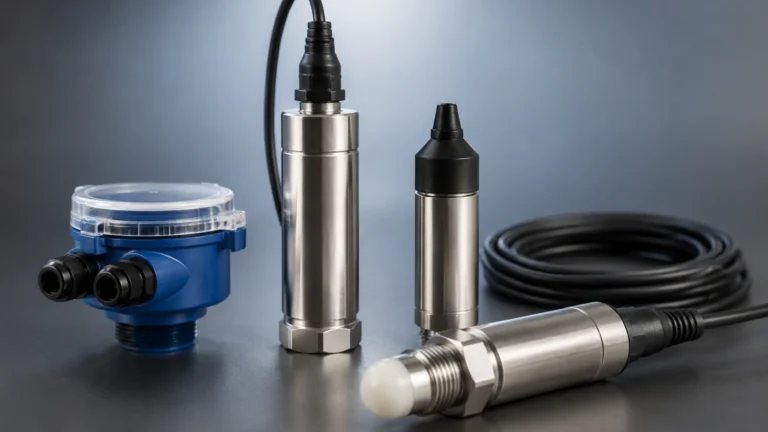
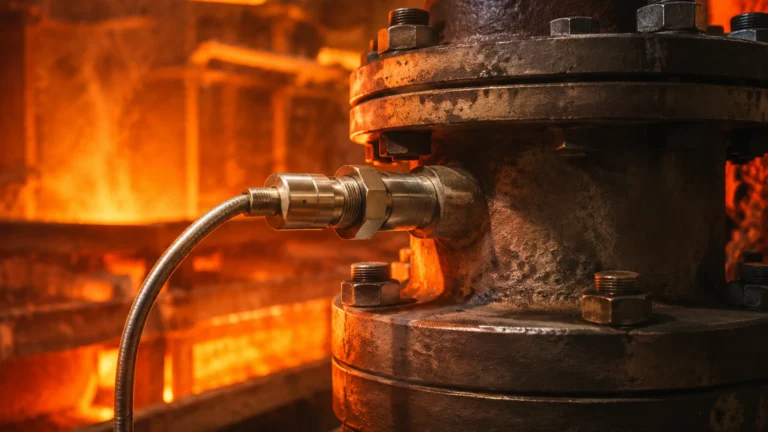
Liquid Analyzers
Liquid Analyzers
In the landscape of industrial process control, monitoring the physical and chemical properties of fluids is essential for safety, quality assurance, and environmental compliance. While level measurement instruments—such as radar, ultrasonic, and hydrostatic transmitters—provide critical data regarding the quantity of a substance, liquid analyzers are tasked with determining the quality and composition of that substance. For engineers and plant managers, integrating robust analytical data with precise level monitoring creates a comprehensive view of the process environment.
This guide explores the fundamental principles of liquid analyzers, their common applications in industries like water treatment and chemical processing, and the technical criteria necessary for selecting and installing these instruments effectively.
Measurement Principles of Liquid Analyzers
Liquid analyzers operate on various physical and chemical principles depending on the parameter being measured. Understanding these principles is the first step in selecting the correct instrument for a specific industrial application.
Potentiometric Measurement (pH and ORP)
The most common liquid analysis involves pH and Oxidation-Reduction Potential (ORP). The pH measurement determines the acidity or alkalinity of a solution based on the concentration of hydrogen ions. This is typically achieved using a glass electrode that develops a potential (voltage) proportional to the hydrogen ion activity in the liquid. This potential is measured against a stable reference electrode. ORP sensors operate similarly but measure the overall ability of a solution to act as an oxidizing or reducing agent, which is vital in wastewater treatment for monitoring dechlorination or cyanide destruction.
Conductive and Inductive Measurement (Conductivity)
Conductivity measures a liquid's ability to conduct an electrical current, which is directly related to the concentration of dissolved ionic species.
1. Conductive Sensors: Use two or more electrodes in direct contact with the liquid. A voltage is applied, and the resulting current is measured. This method is highly sensitive and ideal for pure water applications.
2. Inductive (Toroidal) Sensors: Use two wire-wound coils encased in a plastic housing. One coil induces a current in the liquid, and the second coil detects the strength of that current. Because the sensors do not have exposed metal electrodes, they are resistant to fouling and corrosion, making them suitable for high-concentration acids or wastewater.
Optical Measurement (Turbidity and Dissolved Oxygen)
Optical sensors use light-matter interaction to determine concentration.
* Turbidity: Measures the cloudiness of a liquid caused by suspended solids. Sensors emit light into the medium and measure the amount of light scattered at a 90-degree angle (nephelometry) or the light transmitted through the sample.
* Dissolved Oxygen (DO): Modern optical DO sensors use fluorescence quenching. A sensor film is excited by blue light, and the presence of oxygen "quenches" the resulting red fluorescence. The time it takes for the fluorescence to decay is inversely proportional to the oxygen concentration.
Common Types of Liquid Analytical Sensors
Selecting the right sensor requires matching the technology to the specific chemical environment. Below are the primary categories of liquid analyzers used in industrial automation.
| Sensor Type | Primary Application | Measurement Principle | Typical Industries |
| :— | :— | :— | :— |
| pH Sensors | Monitoring acidity/alkalinity | Potentiometric | Chemical, Water Treatment, Food & Bev |
| Conductivity | Salinity, chemical concentration | Conductive or Inductive | Power Generation, CIP (Clean-in-Place) |
| Dissolved Oxygen | Aeration control, corrosion prevention | Optical or Polarographic | Wastewater, Aquaculture, Boiler Feed |
| Turbidity | Filter breakthrough, effluent quality | Light Scattering | Municipal Water, Beverage Production |
| Chlorine Analyzers | Disinfection monitoring | Amperometric or Colorimetric | Drinking Water, Cooling Towers |
Selecting the Right Liquid Analyzer
When specifying a liquid analyzer, engineers must look beyond the basic measurement parameter. The physical and chemical constraints of the process will often dictate the hardware requirements.
Chemical Compatibility
The wetted materials of the sensor—ranging from glass and stainless steel to specialized plastics like PEEK or PTFE—must be compatible with the process fluid. In the chemical industry, aggressive solvents or strong acids can quickly degrade standard sensors. Ensuring that the sensor body and seals (O-rings) can withstand the chemical load is paramount for longevity.
Temperature and Pressure Ratings
Industrial processes often operate at elevated temperatures (e.g., 80°C to 150°C) and pressures. Standard laboratory-grade sensors will fail under these conditions. Industrial liquid analyzers are rated for specific pressure ranges (often up to 10 bar or higher) and include temperature compensation algorithms, as pH and conductivity readings are highly temperature-dependent.
Integration with Level Instrumentation
In many tank monitoring systems, liquid analyzers are installed alongside level sensors. For instance, in a neutralized waste tank, a Main Page level meter provides the volume data needed for discharge reporting, while a pH analyzer ensures the effluent meets regulatory standards. Coordinating the mounting of these instruments is essential to avoid physical interference and to ensure both sensors are positioned in a representative area of the tank.
Installation Guidelines and Best Practices
Proper installation is often the difference between a reliable measurement and a high-maintenance headache.
Sensor Positioning
Analyzers should be installed where the liquid is well-mixed and representative of the entire process. Avoid "dead zones" in tanks or the very bottom of pipes where sediment might accumulate. For pipe-mounted sensors, ensure the pipe is always full; a partially empty pipe will lead to erratic readings or sensor dry-out.
Flow Requirements
Many liquid analyzers, particularly amperometric chlorine sensors or conductive pH probes, require a minimum flow rate to maintain a stable reading. If the process flow is too low, a bypass line with a flow cell may be necessary to provide a controlled environment for the sensor.
Orientation
* pH Sensors: Should typically be installed at least 15° above the horizontal to ensure the internal electrolyte remains in contact with the glass bulb.
* Optical Sensors: Should be oriented to prevent air bubbles from collecting on the lens, which would be misread as turbidity or solids.

Limitations and Maintenance Requirements
Unlike level meters, which are often non-contact (like radar) and require minimal maintenance, liquid analyzers are almost always contact-based and subject to the harsh realities of the process chemistry.
1. Fouling and Coating: In wastewater or oil-and-gas applications, fats, oils, and greases (FOG) can coat the sensor surface. This increases response time and eventually kills the signal. Automated cleaning systems (using water jets or chemical sprays) are often required.
2. Calibration Drift: All liquid analytical sensors drift over time. pH electrodes lose sensitivity as the glass membrane ages, and DO sensors require periodic air-calibration. A scheduled maintenance program is essential for data integrity.
3. Consumables: Many analyzers have consumable parts, such as reagent chemicals in colorimetric analyzers or replaceable sensor caps in optical DO probes. These operational costs must be factored into the total cost of ownership.
Comparison of Liquid Analysis vs. Level Measurement
While both are critical, they serve different roles in the B2B industrial sector. Level measurement, such as that found on the Welk Main Page, focuses on inventory management and overfill prevention. Liquid analysis focuses on process efficiency and product quality.
| Feature | Level Measurement (Radar/Ultrasonic) | Liquid Analyzers (pH/Cond/DO) |
| :— | :— | :— |
| Contact Type | Often Non-contact | Almost always Contact |
| Maintenance | Low to Moderate | Moderate to High |
| Calibration | Usually once at commissioning | Periodic (Weekly/Monthly) |
| Primary Goal | Volume, Height, Mass | Concentration, Purity, Reaction State |
Frequently Asked Questions (FAQs)
Q: How often should I calibrate my liquid analyzer?
A: This depends entirely on the application. In clean water, a pH sensor might stay accurate for a month. In a chemical reactor, it might need checking weekly. Always start with more frequent checks and extend the interval as you gain confidence in the sensor's stability.
Q: Can I use a liquid analyzer in a tank with an agitator?
A: Yes, but the sensor must be protected. Use a robust immersion assembly or a guard to prevent the physical force of the moving liquid from damaging the sensor. Additionally, ensure the level meter used in the same tank is capable of filtering out the surface turbulence caused by the agitator.
Q: What is the difference between "analytical" and "physical" sensors?
A: Physical sensors measure properties like level, temperature, and pressure. Analytical sensors (liquid analyzers) measure the chemical identity or concentration of components within the liquid. Both are necessary for a complete process control strategy.
Q: Why is temperature compensation important for conductivity?
A: The mobility of ions in a liquid increases as the temperature rises. Without compensation, a change in temperature would look like a change in chemical concentration, leading to incorrect process adjustments.
Conclusion
Liquid analyzers are indispensable tools for modern industrial automation, providing the chemical insights necessary to optimize production and protect the environment. By understanding the underlying measurement principles—whether potentiometric, conductive, or optical—and adhering to strict installation and maintenance protocols, facilities can ensure long-term reliability. When paired with high-quality level measurement solutions, these instruments provide the full spectrum of data required for sophisticated process management. For more information on integrating these technologies into your facility, review product options and application support on the Welk Main Page.