Nsx 2100
Nsx 2100
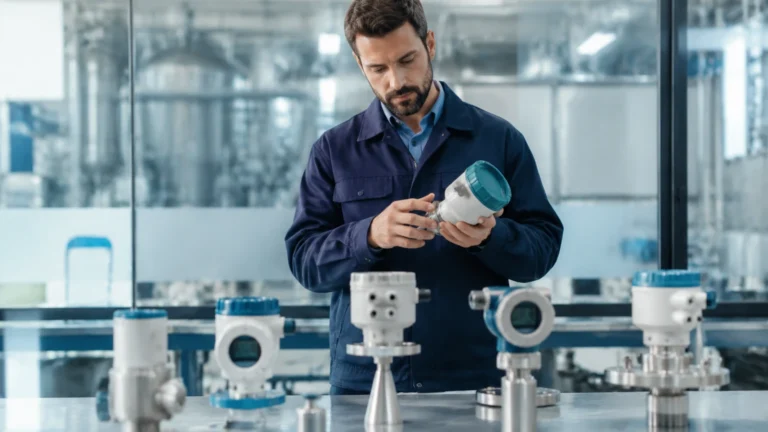
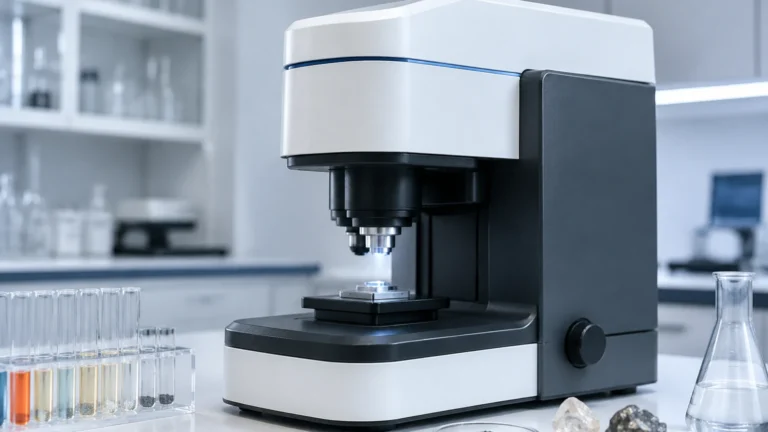
In the landscape of modern elemental analysis, the Nsx 2100 system represents a significant advancement in the detection of nitrogen, sulfur, and halogens. Used extensively in petrochemical, chemical, and environmental laboratories, this analytical platform requires a high degree of automation and precision. For the engineers and facility managers overseeing the infrastructure that supports these analyzers, the integration of reliable level measurement is paramount. Whether managing the feedstock in bulk storage or monitoring the precise levels in automated sampling systems, choosing the correct level sensor ensures that the analytical process remains uninterrupted and accurate.
Effective level measurement in these environments is not merely about volume; it is about process safety, chemical compatibility, and the prevention of downtime. This guide explores the fundamental principles of level measurement technologies suitable for applications involving high-precision analyzers like the Nsx 2100, providing a practical reference for selection and installation.
Fundamental Principles of Level Measurement
Before selecting a sensor for a chemical or analytical application, it is essential to understand the physics behind the primary measurement technologies. In industrial automation, three main principles dominate: Radar, Ultrasonic, and Hydrostatic measurement.
Radar Level Measurement (FMCW and Pulse)
Radar level meters operate on the principle of electromagnetic wave reflection. There are two primary types: Pulse Radar and Frequency Modulated Continuous Wave (FMCW) Radar.
* Pulse Radar: This method involves sending a microwave pulse toward the product surface. The sensor measures the time it takes for the pulse to travel to the surface and back. Distance is calculated using the formula: $Distance = (Speed of Light \times Time) / 2$.
* FMCW Radar: Modern high-precision sensors often use FMCW technology. The transmitter emits a continuous signal with a constantly changing frequency. The difference in frequency between the emitted signal and the reflected signal is proportional to the distance. This method is generally more accurate than pulse radar, especially in complex environments with vapor or turbulence.
Radar is preferred for many chemical applications because it is non-contact and unaffected by changes in temperature, pressure, or the dielectric constant of the vapor space.
Ultrasonic Level Measurement
Ultrasonic sensors use sound waves rather than electromagnetic waves. The transducer emits an ultrasonic pulse that reflects off the liquid surface. The time-of-flight is measured to determine the level.
While cost-effective, ultrasonic measurement is sensitive to the medium's environment. Since sound requires a medium (air) to travel, changes in air temperature, humidity, or the presence of heavy vapors can alter the speed of sound and affect accuracy. Most modern ultrasonic sensors include temperature compensation to mitigate these effects.
Hydrostatic Level Measurement
Hydrostatic measurement is a contact-based method that relies on the relationship between liquid height and pressure. The pressure at the bottom of a tank is directly proportional to the height of the liquid column and its density ($P = \rho gh$). By using a pressure transmitter at the base of the vessel, the level can be inferred. This method is highly reliable for vented tanks but requires precise knowledge of the liquid's density.
Level Measurement in Analytical Contexts
When supporting systems like the Nsx 2100, the level measurement requirements often fall into two categories: bulk reagent storage and sample preparation monitoring. The chemicals involved—often volatile organic compounds (VOCs), solvents, or concentrated acids—demand specific material considerations.
Selection Criteria for Chemical Environments
1. Chemical Compatibility: Sensors must be constructed from materials resistant to corrosion. PTFE (Polytetrafluoroethylene), PVDF (Polyvinylidene fluoride), and high-grade stainless steel (316L) are standard for wetted parts.
2. Accuracy Requirements: For analytical workflows, an accuracy of ±2 mm to ±5 mm is typically required to ensure that automated pumps do not run dry or overflow.
3. Vapor Handling: Many solvents used in nitrogen and sulfur analysis produce heavy vapors. Radar technology is generally superior in these instances as microwaves penetrate vapors that might scatter ultrasonic sound waves.
Practical Selection Table
| Feature | Radar (80GHz) | Ultrasonic | Hydrostatic |
| :— | :— | :— | :— |
| Measurement Type | Non-contact | Non-contact | Contact (Pressure) |
| Accuracy | High (±1 mm) | Moderate (±0.25% range) | High (±0.1% span) |
| Vapor Resistance | Excellent | Poor to Moderate | Excellent |
| Typical Range | Up to 30m+ | 0.25m to 15m | Dependent on sensor |
| Media Compatibility | All liquids | Most liquids | Density-dependent |
| Maintenance | Very Low | Low | Moderate (cleaning) |
Installation Considerations
Proper installation is as critical as sensor selection. Even the most advanced radar meter will fail if placed incorrectly. For facilities utilizing the Nsx 2100, the following installation guidelines should be observed:
Beam Angle and Obstructions
Every non-contact sensor has a beam angle. For radar, a higher frequency (such as 80GHz) results in a narrower beam. It is vital to ensure that the beam does not intersect with tank internals like ladders, agitators, or heating coils. If the beam hits these objects, it creates "false echoes" that can confuse the transmitter.
The Dead Zone (Blocking Distance)
All ultrasonic and radar sensors have a "dead zone" or "blocking distance" immediately below the transducer where measurement is impossible. When designing tanks for sample storage, ensure the maximum liquid level never enters this zone. For ultrasonic sensors, this is typically 0.2m to 0.5m; for high-frequency radar, it may be as small as 0.05m.
Nozzle Mounting
If the sensor is mounted on a nozzle, the height and diameter of the nozzle must be considered. If the nozzle is too narrow or too long, the signal may reflect off the nozzle walls before reaching the liquid. Ideally, the transducer face should protrude slightly into the tank or be set back according to the manufacturer’s specific nozzle-to-diameter ratio charts.

Limitations and Operational Risks
While modern instrumentation is robust, certain process conditions present risks to measurement integrity:
* Foam: Heavy, thick foam can absorb ultrasonic and radar signals. In applications where chemical reactions produce foam, a hydrostatic transmitter or a guided wave radar (GWR) may be more appropriate.
* Turbulence: Rapid filling or agitation can cause surface ripples that scatter signals. Software filtering (damping) can help, but mechanical stilling wells are often the best solution for extreme turbulence.
* Vacuum Conditions: Ultrasonic sensors cannot operate in a vacuum because sound waves require a medium. Radar is the preferred choice for vacuum-rated vessels.
For a comprehensive overview of available technologies and technical specifications, engineers should consult the Main Page of the equipment provider to match sensor capabilities with specific chemical profiles.
Integration with Laboratory Automation
In the context of the Nsx 2100, the level sensor usually feeds data into a PLC (Programmable Logic Controller) or a SCADA system. The most common output is a 4-20mA signal, often with HART (Highway Addressable Remote Transducer) protocol. This allows for digital communication over the analog wiring, providing diagnostic information such as signal strength and internal temperature alongside the level reading.
Frequently Asked Questions (FAQ)
Q: Can I use an ultrasonic sensor for sulfuric acid tanks?
A: Yes, provided the sensor body is made of a compatible plastic like PVDF. However, if the acid is concentrated and fuming, radar is generally more reliable due to the density of the vapors.
Q: How often do radar level meters need calibration?
A: Radar meters are solid-state and do not drift like mechanical systems. In most stable applications, an annual verification is sufficient, though regulated industries may require more frequent cycles.
Q: What is the benefit of 80GHz radar over 26GHz radar?
A: The 80GHz frequency allows for a much narrower beam and a smaller antenna. This makes it easier to install in small tanks with many internal obstructions and provides better performance near the bottom of the tank.
Q: Does the Nsx 2100 require a specific type of level sensor?
A: The Nsx 2100 itself is an analytical instrument, but the peripheral systems that supply it with samples and reagents should use sensors that match the chemical properties of those fluids. Non-contact radar is the industry standard for high-purity chemical storage.
Q: How do I handle level measurement in a pressurized vessel?
A: Radar is ideal for pressurized vessels as the speed of light is not affected by pressure. If using hydrostatic methods, a differential pressure (DP) transmitter must be used to account for the head pressure above the liquid.
By adhering to these engineering principles and selection criteria, process managers can ensure that the infrastructure supporting their Nsx 2100 analyzers remains reliable, safe, and efficient. For further technical assistance and to Review product options and application support, consulting with a specialized manufacturer is recommended to ensure all application-specific variables are addressed.