Optical Dissolved Oxygen Analyser
Optical Dissolved Oxygen Analyser
In industrial water treatment and chemical processing, monitoring dissolved oxygen (DO) is a critical requirement for process efficiency, environmental compliance, and biological health. The optical dissolved oxygen analyser has largely superseded traditional electrochemical methods in modern facilities due to its superior stability and lower maintenance requirements. This guide examines the engineering principles, selection criteria, and installation best practices for optical DO technology within industrial automation frameworks.
Measurement Principles of Optical DO Sensors
Unlike traditional polarographic or galvanic sensors that rely on a chemical reaction and oxygen consumption, an optical dissolved oxygen analyser utilizes the principle of "fluorescence quenching." This is a physical phenomenon where the intensity and lifetime of luminescence are reduced by the presence of oxygen molecules.
The Luminescence Process
The sensor head contains an oxygen-sensitive layer (often a ruthenium-based luminophore) embedded in a gas-permeable membrane. The analyser's internal electronics trigger a blue LED, which emits light toward the sensing film. The luminophore molecules absorb this energy and enter an excited state, subsequently emitting red light as they return to their ground state.
Quenching and Phase Shift
If oxygen molecules are present, they collide with the excited luminophore, absorbing the energy and preventing the emission of red light. This is known as quenching. The analyser measures either the intensity of the returned light or, more commonly in high-precision instruments, the "phase shift" (the time delay between the blue light excitation and the red light emission).
Because the quenching effect is proportional to the partial pressure of oxygen in the medium, the instrument can calculate the DO concentration with high accuracy. Crucially, this process does not consume oxygen, meaning the sensor does not require a constant flow of water to maintain a stable reading—a significant advantage over electrochemical probes.
Key Components of an Optical DO System
A complete optical dissolved oxygen analyser system typically consists of four primary components:
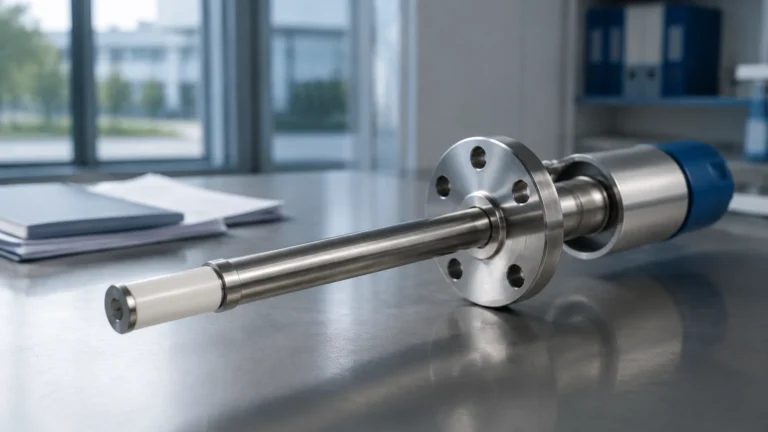
1. The Optical Probe (Sensor): The submerged component containing the LED source, photodetector, and the replaceable sensing cap.
2. The Sensing Cap: A consumable component with a calibrated luminophore layer. These usually require replacement every 12 to 24 months depending on the environment.
3. The Transmitter/Controller: The electronic unit that processes the signal from the probe, provides a digital display, and outputs data via 4-20mA, Modbus RS485, or Profibus.
4. Temperature Element: Since oxygen solubility is highly temperature-dependent, optical probes include an integrated NTC or PT100/PT1000 thermistor for automatic temperature compensation.
Comparison: Optical vs. Electrochemical Technology
For engineers designing process control loops, understanding the operational differences between technologies is vital for long-term reliability.
| Feature | Optical (Luminescence) | Electrochemical (Polarographic/Galvanic) |
| :— | :— | :— |
| Oxygen Consumption | None | Consumes oxygen during measurement |
| Flow Requirement | No minimum flow required | Requires constant flow (typically >0.3 m/s) |
| Maintenance | Annual/Bi-annual cap replacement | Frequent membrane/electrolyte replacement |
| Warm-up Time | Instantaneous | 15 to 60 minutes |
| Calibration Stability | High (months without drift) | Low (requires frequent calibration) |
| Interference | Minimal (H2S, CO2 do not interfere) | Sensitive to H2S, Cl2, and heavy metals |
Technical Selection Criteria
When specifying an optical dissolved oxygen analyser for industrial applications, engineers should evaluate the following parameters to ensure the device meets the specific needs of the facility.
Measurement Range and Accuracy
Most industrial optical DO sensors cover a range of 0 to 20 mg/L (or 0 to 200% saturation). For specialized applications like boiler feed water or semiconductor processing, "low-range" sensors capable of measuring in the parts-per-billion (ppb) range are required. Standard accuracy for industrial units is typically ±1% of the reading.
Materials of Construction
In wastewater treatment, a 316L stainless steel or PVC body is standard. However, in aggressive chemical environments or seawater desalination, titanium or specialized plastics may be necessary to prevent corrosion. The sensing cap must also be resistant to the specific cleaning agents used in the process.
Signal Integration
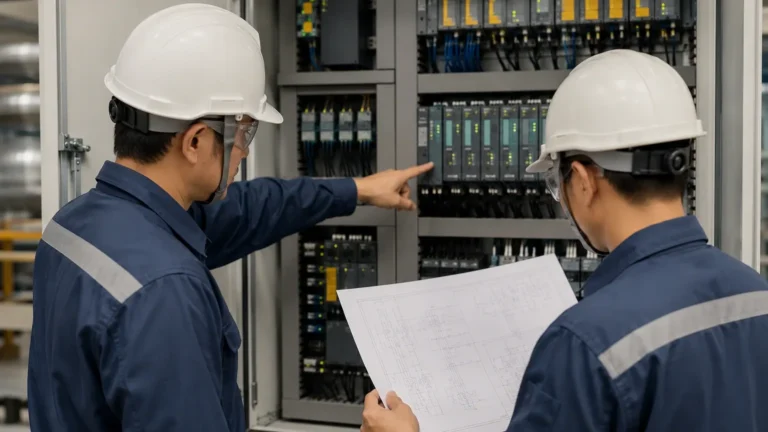
Modern facilities integrate DO data into a broader SCADA or PLC system. Ensure the analyser supports the required communication protocols. For comprehensive process monitoring, integrating DO data alongside tank volume and fluid levels is standard practice. Engineers often visit the Main Page to select compatible level measurement instruments that complete the automation suite for aeration tanks and storage basins.
Installation Considerations
Proper placement of the optical dissolved oxygen analyser is as important as the sensor quality itself. Incorrect installation can lead to air pocket interference or unrepresentative sampling.
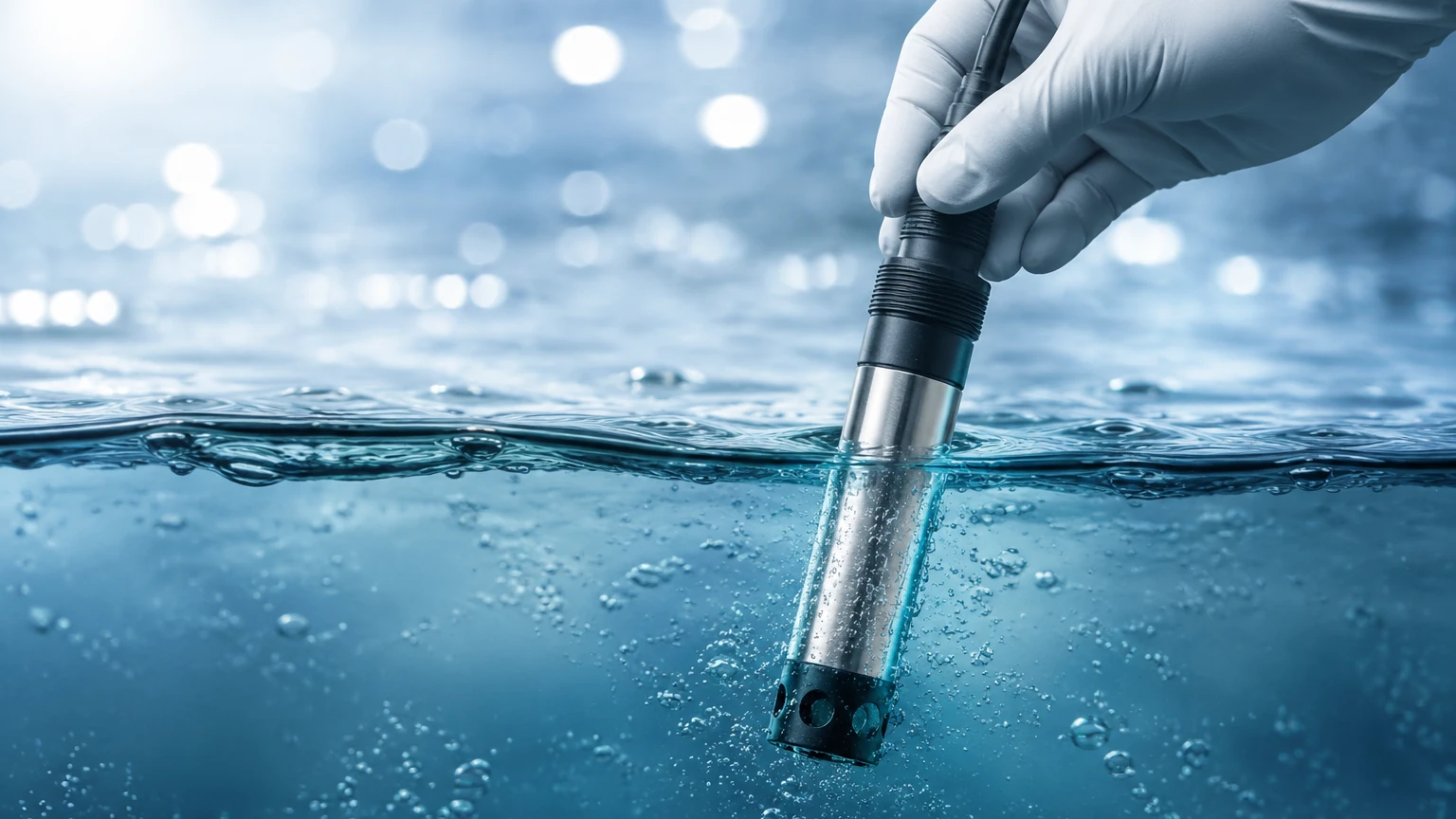
1. Submersion Depth: The probe should be submerged at least 30 cm (approx. 12 inches) below the surface to avoid measuring surface-level oxygen fluctuations caused by atmospheric contact.
2. Angle of Installation: Probes should ideally be installed at an angle (typically 45 degrees) rather than vertically. This prevents air bubbles from becoming trapped on the sensing membrane, which would cause artificially high DO readings.
3. Flow Orientation: While optical sensors do not require flow for measurement, they should be placed in a location with representative mixing. Avoid "dead zones" where water stagnates, as the DO levels there will not reflect the bulk process.
4. Avoiding Sunlight: Direct sunlight can interfere with the optical sensing process. If the sensor is installed in an open-air tank, a sunshade or protective shroud is recommended to maintain signal integrity.
Common Applications in Industry
Wastewater Treatment (Aeration Control)
In the activated sludge process, microorganisms require oxygen to break down organic matter. Aeration blowers are among the largest energy consumers in a treatment plant. An optical dissolved oxygen analyser provides the real-time feedback needed to modulate blower speed, ensuring DO levels stay within the optimal 1.5–2.0 mg/L range, significantly reducing energy costs.
Aquaculture and Fish Farming
Maintaining precise oxygen levels is a matter of survival in intensive aquaculture. Optical sensors are preferred here because they do not require the high-maintenance electrolyte changes that are difficult to perform in field conditions.
Industrial Fermentation
In pharmaceutical and food production, DO levels influence the metabolic pathways of yeast and bacteria. The ability of optical sensors to withstand Clean-in-Place (CIP) and Sterilization-in-Place (SIP) cycles makes them ideal for bioreactors.
Maintenance and Calibration Best Practices
While optical sensors are marketed as "low maintenance," they are not "no maintenance." A routine schedule ensures data reliability.
* Cleaning: The sensing cap should be cleaned periodically with a soft cloth or brush to remove biofouling or mineral scaling. In high-fouling environments, automated air-blast or water-spray cleaning systems can be integrated.
* Calibration: Most optical analysers are calibrated using the "water-saturated air" method. This involves holding the probe in 100% humidity air (just above the water surface) until the reading stabilizes. This is simpler and more accurate than liquid-based calibration.
* Cap Replacement: The luminophore layer eventually degrades. Most transmitters provide a "sensor health" indicator that alerts the operator when the cap's light-emitting efficiency drops below a certain threshold.
Limitations and Potential Risks
Engineers must be aware of specific limitations to avoid measurement errors:
* Physical Damage: The sensing film is delicate. Abrasive solids in the process stream can scratch the coating, leading to drift.
* Temperature Extremes: While the sensors compensate for temperature, operating outside the rated range (typically 0°C to 50°C) can permanently damage the luminophore.
* Chemical Compatibility: High concentrations of organic solvents can dissolve the polymer matrix of the sensing cap. Always verify chemical compatibility during the design phase.
Frequently Asked Questions (FAQ)
Q: How often does an optical DO sensor need calibration?
A: In most stable industrial applications, optical sensors only require calibration checks every 3 to 6 months. This is a significant improvement over electrochemical sensors, which often require weekly calibration.
Q: Can optical DO sensors be used in saltwater?
A: Yes, but salinity must be compensated for. Since salt reduces oxygen solubility, most modern analysers allow you to input the salinity value (in PSU or g/kg) to automatically correct the mg/L calculation.
Q: What is the typical lifespan of the sensing cap?
A: Under normal operating conditions, a cap lasts between 1 and 2 years. Harsh chemical environments or high-temperature cleaning cycles may shorten this lifespan.
Q: Do bubbles affect the reading?
A: Yes. If air bubbles accumulate on the sensor face, the analyser will measure the oxygen in the bubble (approx. 20.9% O2) rather than the dissolved oxygen in the liquid, leading to significant overestimation. Proper mounting angles mitigate this risk.
By selecting the appropriate optical dissolved oxygen analyser and following rigorous installation standards, industrial facilities can achieve precise process control with minimal operational overhead. For those managing complex tank systems, pairing these analysers with robust level measurement technology ensures a holistic approach to industrial automation and fluid management.