Orp Monitor
Orp Monitor
In industrial process control and water quality management, the measurement of Oxidation-Reduction Potential (ORP) is a critical parameter for determining the chemical activity of a solution. An ORP monitor, often referred to as a Redox monitor, measures the tendency of a liquid to either gain or lose electrons. This measurement is indispensable in applications ranging from wastewater treatment and cooling tower maintenance to chemical manufacturing and food processing. By providing real-time data on the oxidative or reductive state of a process, these instruments allow for precise dosing of chemicals, ensuring both safety and efficiency.
Understanding the Measurement Principles of ORP
Before selecting or installing an ORP monitor, it is essential to understand the electrochemical principles that govern its operation. ORP is measured in millivolts (mV) and represents the electrical potential difference between a sensing electrode and a reference electrode.
The Electrochemical Reaction
When a metal electrode is immersed in a solution containing ions in different oxidation states, an exchange of electrons occurs at the surface of the metal. If the solution contains a high concentration of oxidizing agents (such as chlorine, ozone, or hydrogen peroxide), the sensing electrode loses electrons to the solution, resulting in a positive mV reading. Conversely, if the solution is rich in reducing agents (such as sodium bisulfite or organic contaminants), the electrode gains electrons, leading to a negative mV reading.
The Sensor Components
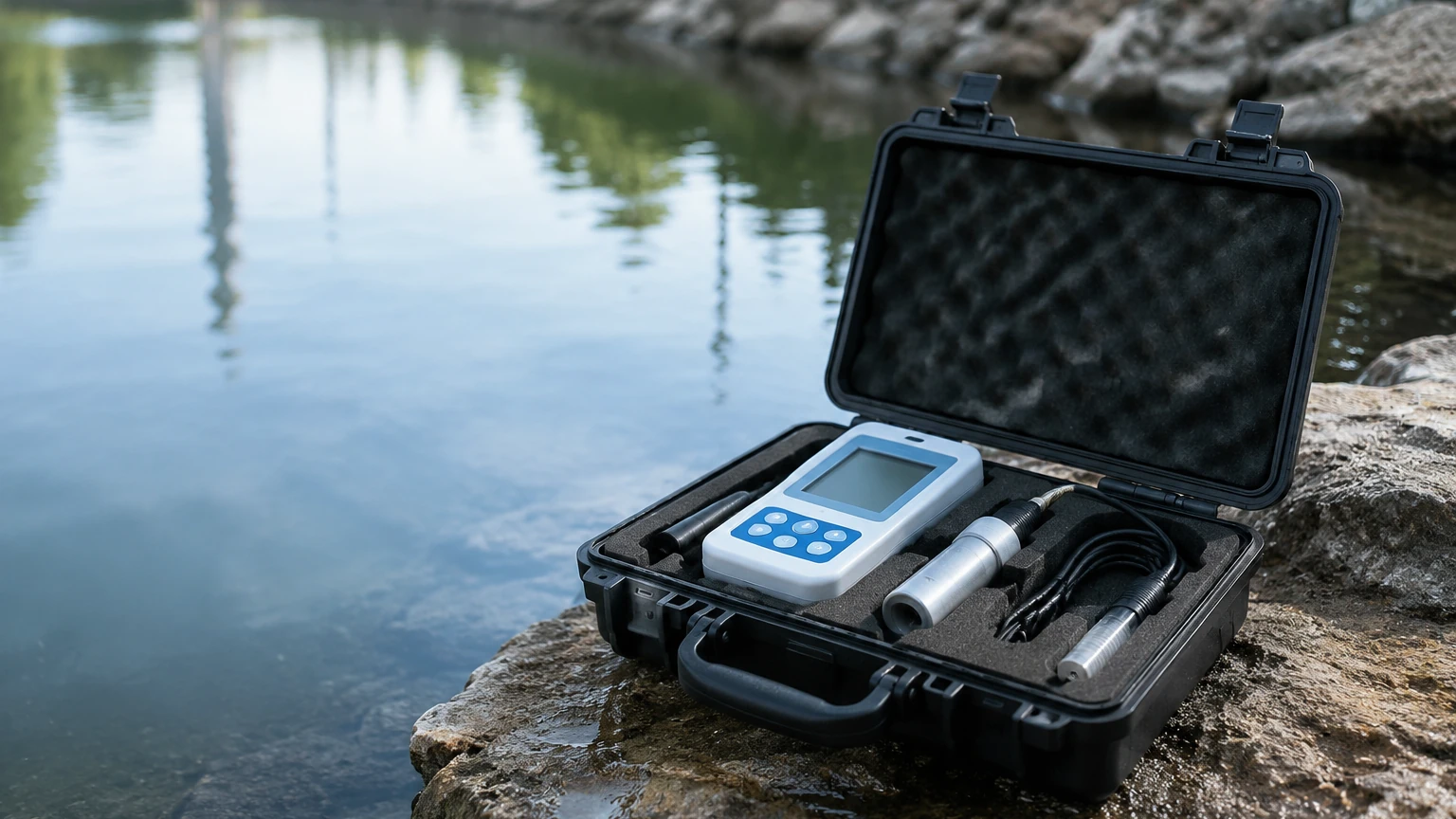
A standard ORP monitor system consists of two primary components: the sensing electrode and the reference electrode.
1. Sensing Electrode: Typically constructed from an inert noble metal, most commonly platinum. Platinum is preferred because it does not participate in the chemical reaction itself but serves as a surface for electron transfer. In specific applications involving cyanide destruction or highly aggressive oxidants, gold electrodes may be used instead.
2. Reference Electrode: This electrode provides a stable, constant potential against which the sensing electrode is compared. The most common type is the Silver/Silver Chloride (Ag/AgCl) electrode, housed in a chamber filled with a concentrated potassium chloride (KCl) electrolyte. The reference electrode maintains contact with the process liquid through a porous junction.
The Role of the Nernst Equation
While ORP is not a direct measurement of concentration, it follows the Nernst Equation, which relates the measured potential to the ratio of oxidized to reduced species. It is important to note that ORP is a non-linear measurement. Small changes in chemical concentration can lead to large swings in mV at certain points, while large additions of chemicals may result in minimal mV changes once the solution reaches a "buffered" redox state.
Key Evaluation Criteria for Selecting an ORP Monitor
Selecting the right ORP monitor requires a thorough analysis of the process environment. Unlike level measurement technologies found on the Main Page, which often rely on physical properties like density or dielectric constants, ORP monitors are sensitive to the chemical composition and temperature of the medium.
Electrode Material Selection
* Platinum: The industry standard for most water treatment and chemical processes. It is highly resistant to corrosion and provides a wide measurement range.
* Gold: Used primarily in applications where the solution contains high levels of free chlorine or in cyanide oxidation processes. Gold is less susceptible to "poisoning" in these specific environments compared to platinum.
Junction Type
The junction is the point where the reference electrolyte meets the process liquid.
* Porous Ceramic: Suitable for clean water applications.
* Teflon (PTFE): Ideal for processes with high suspended solids or oily contaminants, as it resists clogging.
* Double Junction: Recommended for processes containing heavy metals, sulfides, or proteins that could react with the silver ions in the reference electrode and cause premature failure.
Temperature and Pressure Ratings
Industrial ORP sensors must withstand the physical rigors of the pipe or tank. Standard sensors are typically rated for temperatures up to 80°C (176°F) and pressures up to 6 bar (approx. 87 psi). For high-temperature sterilization or high-pressure chemical reactors, specialized glass and reinforced housings are required.
Practical Selection Table
| Application Type | Recommended Electrode | Junction Material | Housing Material |
| :— | :— | :— | :— |
| Municipal Wastewater | Platinum | Double Junction PTFE | Ryton (PPS) |
| Cooling Tower Control | Platinum | Single Junction Ceramic | PVC or Polypropylene |
| Cyanide Destruction | Gold | Double Junction PTFE | CPVC |
| Ultrapure Water | Platinum | Refillable Liquid Junction | Stainless Steel/Glass |
| Chemical Batching | Platinum | Double Junction PTFE | PVDF (Kynar) |
Industrial Applications and Process Control
ORP monitors are utilized wherever the control of chemical reactions is necessary to ensure product quality or environmental compliance.
Water and Wastewater Treatment
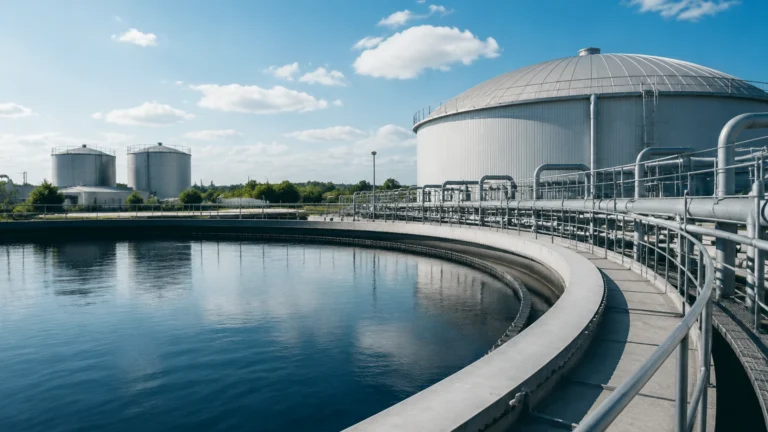
In wastewater treatment, ORP is used to monitor the removal of nitrogen through nitrification and denitrification. It also guides the disinfection process. For example, in chlorination systems, the ORP monitor ensures that enough chlorine is present to kill pathogens without over-dosing, which would be costly and potentially harmful to the environment.
Cooling Tower Management
Cooling towers are prone to biological growth, which can reduce heat exchange efficiency and harbor Legionella bacteria. Automated ORP monitors control the injection of biocides (like bromine or chlorine). When the ORP drops below a setpoint, the monitor triggers a dosing pump to restore the oxidative environment necessary to inhibit microbial growth.
Industrial Automation and Chemical Manufacturing
In chemical synthesis, ORP is used to signal the completion of a reaction. For instance, in the production of bleach or the neutralization of chrome-bearing waste, the ORP value provides a clear indication of when the chemical transformation is complete, allowing for automated batch transitions.
Installation Guidelines and Best Practices
Proper installation is paramount to the longevity and accuracy of an ORP monitor. Unlike non-contact radar level sensors, ORP electrodes are intrusive and subject to the direct forces of the process flow.
1. Orientation: Sensors should be installed at an angle of at least 15° above the horizontal. This ensures that the internal air bubble in the glass electrode stays at the top, maintaining constant contact between the internal buffer and the sensing tip.
2. Flow Velocity: The sensor should be placed in a location with representative flow. However, extremely high velocities can cause "streaming potentials" (electrical noise) or physical erosion of the electrode. A flow rate between 0.5 and 2 meters per second is generally ideal.
3. Submersion vs. In-Line: For tank installations, use a submersion assembly that protects the cable from moisture. For pipe installations, use a T-fitting or a hot-tap retractable assembly that allows the sensor to be removed for maintenance without shutting down the process line.
4. Avoid Air Pockets: Ensure the sensor is always fully immersed. If air bubbles trap against the sensing surface, the reading will drift or become unresponsive.
Maintenance, Calibration, and Troubleshooting
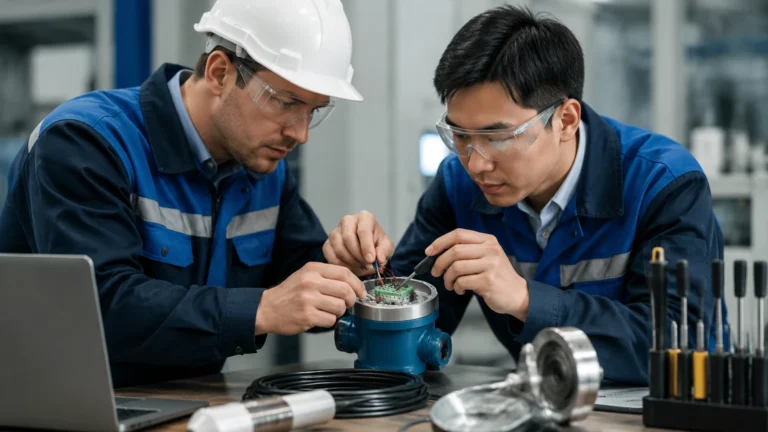
An ORP monitor is an active electrochemical device that requires regular attention. Over time, the sensing surface can become coated, and the reference electrolyte can become depleted or contaminated.
Calibration Procedures
ORP sensors do not require a "zero" calibration like pH sensors, but they do require verification against a known standard. Common standards include Quinhydrone solutions or commercially available Redox buffers (e.g., 200 mV or 475 mV).
* Verification: Immerse the cleaned sensor in the buffer solution and allow it to stabilize. If the reading is within ±20 mV of the theoretical value, the sensor is usually considered functional.
* Correction: If the monitor allows, a small offset can be applied. However, a large deviation usually indicates a fouled sensor or an exhausted reference junction.
Cleaning Protocols
* General Scaling: Use a 5% Hydrochloric Acid (HCl) soak to dissolve mineral deposits.
* Oil and Grease: Use a mild detergent or isopropyl alcohol, followed by a thorough rinse with deionized water.
* Protein Fouling: Use a specialized pepsin-based cleaning solution.
Limitations and Common Risks
While highly effective, ORP monitors have limitations that engineers must account for in their system design.
1. Non-Specificity: An ORP monitor measures the *total* oxidative state. It cannot distinguish between different oxidants. For example, if both ozone and chlorine are present, the monitor will provide a cumulative reading.
2. pH Sensitivity: In many reactions, the ORP value is heavily influenced by the pH of the solution. As pH increases, the ORP typically decreases for the same concentration of oxidant. Consequently, ORP control should often be paired with pH compensation or stable pH control.
3. Electrode Poisoning: Certain chemicals, such as sulfides or heavy metals, can react with the platinum surface or the silver reference wire, leading to a "sluggish" response or permanent failure.
4. Life Expectancy: An ORP electrode is a consumable item. In harsh industrial environments, a sensor may last only 6 to 12 months, whereas in clean water applications, it may last several years.
Frequently Asked Questions (FAQs)
Q: Can I use a pH meter to measure ORP?
A: Most modern pH meters have a "mV mode" that can display ORP if a proper ORP electrode is connected. However, an industrial ORP monitor is designed with specific software features, such as redox-specific temperature compensation and specialized control relays, that a standard pH meter lacks.
Q: Why does my ORP reading take so long to stabilize?
A: Slow stabilization is often caused by a dry or fouled electrode. If the sensor has been stored dry, the hydration layer on the glass or the junction may need several hours in water to recover. Additionally, in solutions with very low ionic strength, the electrical path is weak, leading to slower response times.
Q: Is temperature compensation necessary for ORP?
A: Unlike pH, there is no universally accepted temperature compensation algorithm for ORP because the effect of temperature is highly dependent on the specific chemicals in the solution. Most ORP monitors measure temperature for reference but do not automatically adjust the mV reading unless programmed for a specific, known chemical process.
Conclusion
The ORP monitor is a powerful tool for industrial process optimization, providing a direct window into the chemical dynamics of a liquid. By selecting the appropriate electrode materials, adhering to rigorous installation standards, and maintaining a consistent calibration schedule, facilities can achieve high levels of automation and safety. For those seeking comprehensive solutions in industrial instrumentation, including advanced level measurement technologies, further technical resources and product specifications are available on the Main Page of the Welk technical portal.