Oxygen Sensor Mon Inc
Oxygen Sensor Mon Inc
In the landscape of industrial process control, the integration of liquid analysis and physical level monitoring is essential for maintaining operational efficiency and safety. The term "oxygen sensor mon inc" frequently refers to specialized monitoring solutions, such as those historically associated with Monitek (Mon Inc.), which focus on optical and electrochemical sensing in liquid environments. For engineers and facility managers, understanding how these analytical sensors interact with level measurement technologies—such as radar, ultrasonic, and hydrostatic transmitters—is critical for designing robust automated systems.
This guide explores the principles of oxygen sensing and level measurement, providing a technical framework for selecting and installing these instruments in water treatment, chemical processing, and industrial automation applications.
Principles of Oxygen and Level Measurement
Before selecting instrumentation, it is vital to understand the physics governing the measurement. While an oxygen sensor monitors the chemical state of a fluid, level meters track its physical volume or height. Both are often required in the same vessel to provide a complete picture of the process.
Oxygen Sensing Principles
Industrial oxygen sensors, particularly those used in aeration tanks or chemical reactors, generally operate on two primary principles:
1. Electrochemical (Polarographic/Galvanic): These sensors use a cathode and an anode submerged in an electrolyte, separated from the process by a gas-permeable membrane. Oxygen diffuses through the membrane and is reduced at the cathode, creating an electrical current proportional to the partial pressure of oxygen.
2. Optical (Fluorescence Quenching): Modern "mon inc" style systems often favor optical methods. An LED emits blue light onto a sensing layer, exciting luminophores. When oxygen molecules contact these luminophores, they "quench" the fluorescence. The rate of decay or the phase shift of the reflected light is measured to determine the oxygen concentration. Optical sensors are generally preferred for their lower maintenance requirements and lack of electrolyte depletion.
Level Measurement Principles
Level measurement technologies vary based on the medium and the environment. Welk provides several core technologies:
* Radar Level Meters: These utilize Time of Flight (ToF) technology. High-frequency microwave pulses (typically 26GHz or 80GHz) are emitted from the antenna, reflected off the material surface, and received back. The distance is calculated based on the speed of light. Radar is highly effective in environments with dust, steam, or varying pressure.
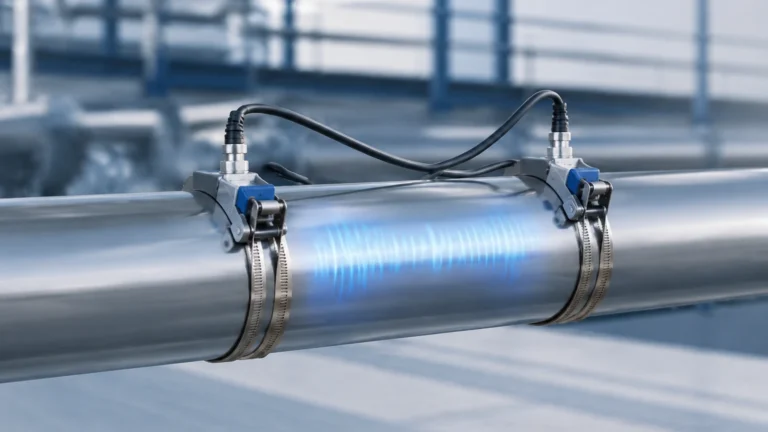
* Ultrasonic Level Sensors: Similar to radar but using sound waves. These sensors are cost-effective for liquid applications but are sensitive to air temperature fluctuations and surface foam.
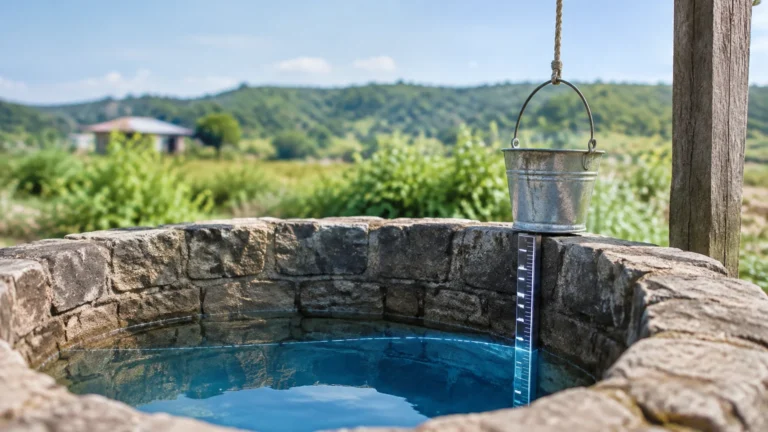
* Hydrostatic Level Transmitters: These measure the pressure exerted by a liquid column. Based on the formula $P = \rho gh$ (where $\rho$ is density, $g$ is gravity, and $h$ is height), the sensor converts pressure into a level reading. This is ideal for deep wells or vented tanks.
Integrating Oxygen Sensors with Level Systems
In applications like wastewater treatment, the data from an oxygen sensor mon inc setup and a level meter must be synchronized. For instance, in an aeration basin, the dissolved oxygen (DO) level dictates the blower speed, while the level meter ensures the basin does not overflow and maintains the correct hydraulic retention time.
Selection Criteria for Combined Systems
When evaluating instrumentation for a project, consider the following technical parameters:
| Feature | Oxygen Sensor (Optical) | Radar Level Meter | Ultrasonic Level Sensor |
| :— | :— | :— | :— |
| Measurement Target | Dissolved O2 / Gas O2 | Liquid/Solid Surface | Liquid Surface |
| Accuracy | ±1% of reading | ±2mm to ±5mm | ±0.25% of range |
| Operating Temp | 0°C to 50°C | -40°C to +250°C | -40°C to +80°C |
| Pressure Limit | Up to 10 bar | Up to 40 bar (standard) | Atmospheric |
| Maintenance | Annual cap replacement | Extremely low | Periodic cleaning |
Practical Selection Table for Industrial Applications
Choosing the right instrument depends on the specific process conditions. The following table provides a guideline for matching technology to the application.
| Application | Recommended Level Tech | Recommended Oxygen Tech | Key Consideration |
| :— | :— | :— | :— |
| Wastewater Aeration | Ultrasonic or Radar | Optical (DO) | Foam can interfere with ultrasonic signals. |
| Chemical Storage | Radar (80GHz) | Electrochemical | Compatibility of wetted parts with corrosives. |
| Fermentation Tanks | Radar | Optical | Must withstand CIP/SIP (Clean-in-Place) cycles. |
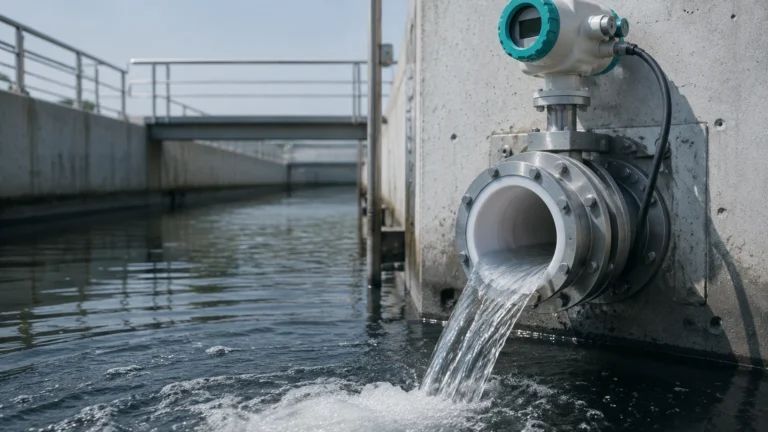
| Open Channels | Ultrasonic | Optical | Level is used to calculate flow via flumes/weirs. |
Installation Considerations and Best Practices
Proper installation is the single most important factor in the longevity and accuracy of both oxygen sensors and level meters.
Level Meter Installation
1. Avoid the "Blind Zone": Every ultrasonic and radar sensor has a dead zone (near-field) where measurements are impossible. Ensure the maximum liquid level never enters this zone.
2. Nozzle Geometry: For radar, the nozzle diameter and height must allow the microwave beam to spread without hitting the nozzle walls, which causes "false echoes."
3. Obstruction Clearance: Ensure the beam path is clear of ladders, agitators, or inlet pipes. If obstructions are unavoidable, use "false wave suppression" software features to mask these signals.
Oxygen Sensor Installation
1. Flow Velocity: Electrochemical sensors require a minimum flow (typically 0.3 m/s) to ensure a fresh sample reaches the membrane. Optical sensors are less dependent on flow but still benefit from moderate movement to prevent biofouling.
2. Submergence Depth: Ensure the sensor is deep enough to avoid surface air entrainment but accessible enough for periodic calibration.
3. Orientation: Install the sensor at an angle (usually 30° to 45° from vertical) to prevent air bubbles from being trapped on the sensing face, which would cause artificially high readings.

Limitations and Environmental Constraints
No sensor is universal. Understanding the limitations prevents costly failures.
* Radar Limitations: While highly versatile, radar can struggle with materials that have a very low dielectric constant (εr < 1.4), such as certain liquefied gases, unless a guided wave radar (GWR) is used.
* Ultrasonic Limitations: These are unsuitable for vacuum applications because sound waves require a medium (air) to travel. They also fail in high-steam environments where the speed of sound is significantly altered.
* Oxygen Sensor Limitations: Electrochemical sensors are susceptible to "poisoning" by gases like hydrogen sulfide ($H_2S$), which can degrade the electrolyte and anode. Optical sensors are immune to $H_2S$ but can be affected by heavy oil coating or extreme turbidity.
Maintenance and Calibration Protocols
To maintain the integrity of an "oxygen sensor mon inc" system alongside level instrumentation, a scheduled maintenance program is required.
1. Level Meters: For non-contact sensors (radar/ultrasonic), maintenance is minimal. Periodically check the antenna or transducer face for condensation or buildup. For hydrostatic sensors, check the vent tube for blockages or moisture ingress.
2. Oxygen Sensors:
* Cleaning: Use a soft cloth or specialized cleaning solution to remove biofilm. Do not use abrasive materials on optical caps.
* Calibration: Perform a "slope calibration" in air (100% saturation) or a zero-point calibration using nitrogen gas or sodium sulfite solution.
* Cap Replacement: Optical caps typically last 12 to 24 months depending on the environment.
Frequently Asked Questions (FAQ)
Q: Can I use a radar level meter in a tank with an agitator?
A: Yes. Modern radar meters, especially those from the Main Page of professional manufacturers, include sophisticated signal processing that can filter out the periodic reflections from agitator blades.
Q: Why is my oxygen sensor reading higher than expected in an aeration tank?
A: This is often caused by air bubbles trapped against the sensor membrane or lens. Re-orienting the sensor to a 45-degree angle usually resolves this issue.
Q: What is the advantage of 80GHz radar over 26GHz radar?
A: 80GHz radar has a much narrower beam angle. This allows it to be installed in smaller nozzles and makes it easier to avoid internal tank obstructions like pipes or heating coils.
Q: Does temperature affect level measurement?
A: For ultrasonic sensors, yes, because the speed of sound changes with temperature. Most ultrasonic units include a temperature compensation probe. Radar is unaffected by temperature changes in the vapor space.
Q: How do I handle signal integration for these two different sensors?
A: Most industrial sensors output a 4-20mA signal with HART protocol. These can be wired into a PLC (Programmable Logic Controller) or a dedicated multi-channel controller that displays both the oxygen concentration and the tank level on a single interface.
Conclusion
Effective process monitoring requires a synergy between analytical data and physical measurements. Whether you are utilizing an oxygen sensor mon inc solution for liquid analysis or a Welk radar meter for inventory control, the principles of correct technology selection and precise installation remain the same. By understanding the strengths and limitations of each sensing method, engineers can ensure long-term reliability and accuracy in their industrial automation systems. For further technical specifications and product comparisons, consult professional resources and review product options and application support to match the instrument to your specific environmental demands.