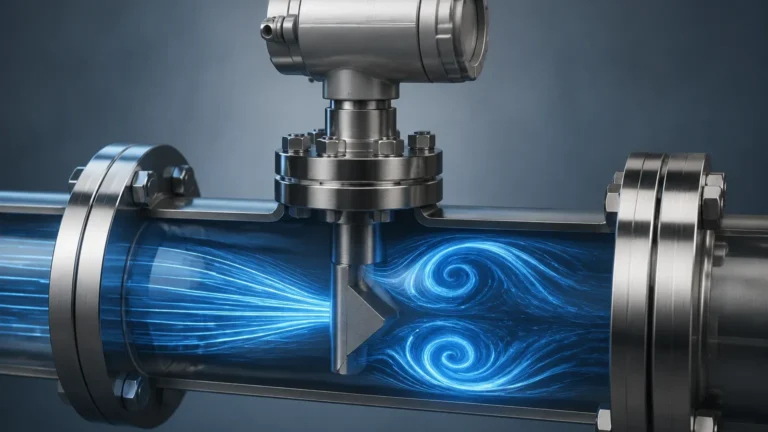
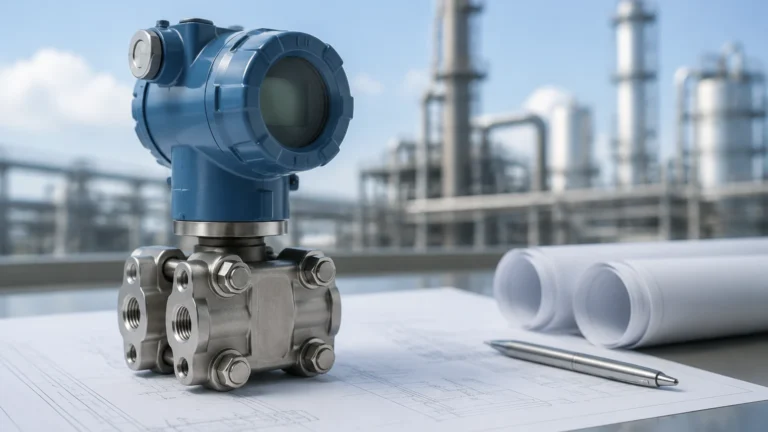
Permanent Ultrasonic Flow Meters
Permanent Ultrasonic Flow Meters
In the landscape of industrial process control, the ability to measure fluid flow without interrupting operations is a critical advantage. Permanent ultrasonic flow meters have emerged as a primary solution for facilities requiring continuous, non-invasive monitoring of liquids. Unlike portable units designed for spot-checking, permanent installations are engineered for long-term stability, integration into SCADA systems, and endurance in harsh industrial environments. As a manufacturer specialized in industrial level and flow measurement, Welk provides these instruments to sectors ranging from municipal water treatment to complex chemical processing.
Selecting the correct permanent ultrasonic flow meter requires a deep understanding of the physics of sound in fluids, the mechanical properties of the piping system, and the specific requirements of the industrial application. This guide serves as a practical engineering reference for evaluating and implementing ultrasonic flow technology.
Understanding Ultrasonic Flow Measurement Principles
Ultrasonic flow meters operate on the principle of acoustic wave propagation. There are two primary methods used in permanent installations: Transit-Time and Doppler Effect. Choosing between them depends entirely on the nature of the fluid being measured.
Transit-Time Method
Transit-time ultrasonic flow meters are the most common choice for clean liquids. This technology utilizes a pair of transducers, each acting as both a transmitter and a receiver. The transducers are mounted on the pipe, and they alternate sending and receiving ultrasonic pulses.
When the fluid is moving, the pulse traveling in the direction of the flow (downstream) moves faster than the pulse traveling against the flow (upstream). The meter measures this infinitesimal time difference (delta-t). This difference is directly proportional to the velocity of the fluid. By factoring in the pipe’s cross-sectional area, the meter calculates the volumetric flow rate. This method is highly accurate but requires relatively clean fluids to ensure the sound waves are not scattered or absorbed.
Doppler Effect Method
The Doppler Effect method is used for "dirty" liquids—those containing entrained air bubbles or suspended solids. The meter transmits an ultrasonic signal into the fluid at a known frequency. This signal reflects off the particles or bubbles moving with the flow. Due to the Doppler effect, the frequency of the reflected signal shifts. The meter measures this frequency shift to determine the flow velocity. While generally less precise than transit-time meters, Doppler meters are indispensable for slurries, wastewater, and aerated liquids where transit-time signals would fail to penetrate.
Types of Permanent Ultrasonic Flow Meters: Clamp-on vs. Inline
When planning a permanent installation, engineers must decide between clamp-on (non-invasive) and inline (wetted) configurations. Each has distinct implications for maintenance and accuracy.
Clamp-on Ultrasonic Flow Meters
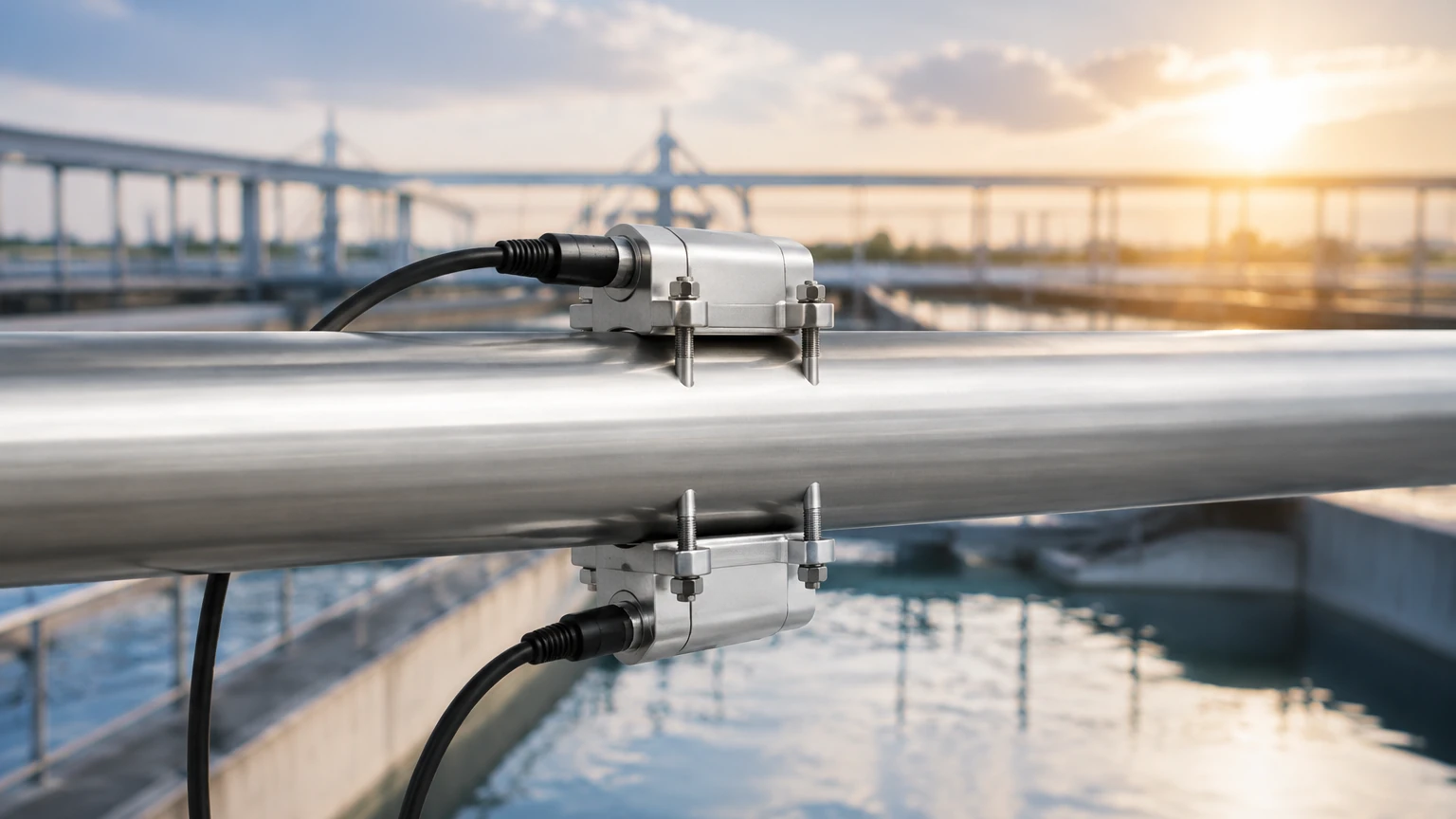
Clamp-on meters are the hallmark of ultrasonic technology. The transducers are strapped to the outside of the pipe, meaning there is no need to cut the pipe or shut down the process.
* Advantages: Zero pressure drop, no risk of leakage, and no contact with corrosive or high-pressure fluids. They are ideal for retrofitting existing systems where downtime is costly.
* Considerations: Accuracy is dependent on the quality of the bond between the transducer and the pipe wall. For permanent installations, high-quality coupling compounds or solid epoxy resins are used to ensure the acoustic signal remains strong over many years.
Inline (Wetted) Ultrasonic Flow Meters
Inline meters involve a spool piece that is flanged or welded into the pipeline. The transducers are built into the spool and are in direct contact with the fluid or protected by a thin buffer.
* Advantages: Higher accuracy and repeatability because the path length and pipe geometry are factory-calibrated. They are less sensitive to pipe wall conditions or external vibrations.
* Considerations: Installation requires process shutdown. Since the sensors are wetted, material compatibility with the fluid must be confirmed to prevent corrosion.
Key Selection Criteria for Industrial Applications
To ensure a permanent ultrasonic flow meter performs reliably, several technical parameters must be evaluated during the specification phase. For a comprehensive overview of compatible instruments, engineers can Review product options and application support to match specific site requirements.
| Feature | Transit-Time (Permanent) | Doppler Effect (Permanent) |
| :— | :— | :— |
| Fluid Type | Clean liquids, water, oils, chemicals | Slurries, wastewater, aerated liquids |
| Suspended Solids | < 2% by volume | > 100 ppm (minimum size 75 microns) |
| Accuracy | ±0.5% to ±2.0% of velocity | ±2.0% to ±5.0% of velocity |
| Pipe Size Range | DN15 to DN6000 | DN25 to DN6000 |
| Pipe Materials | Most metals and plastics | Most metals and plastics |
| Installation | Clamp-on or Inline | Usually Clamp-on |
Pipe Material and Liner Considerations
The acoustic signal must pass through the pipe wall. Standard materials like carbon steel, stainless steel, and PVC are excellent conductors of sound. However, pipes with internal liners (such as cement, rubber, or glass) can be challenging. If the liner is not perfectly bonded to the pipe wall, an air gap can form, which completely blocks the ultrasonic signal. For permanent installations on lined pipes, inline meters are often preferred to bypass the acoustic interface issues.
Temperature and Environment
Permanent meters are often located outdoors or in high-temperature industrial zones. Transducers must be rated for the fluid temperature (standard sensors often handle up to 120°C, while specialized sensors can reach 250°C or higher). Furthermore, the transmitter electronics (the "brain" of the meter) should be housed in an enclosure with an appropriate IP rating (e.g., IP65 or IP67) to protect against moisture and dust.
Installation Guidelines for Long-Term Reliability
The most common cause of failure in permanent ultrasonic flow meters is improper installation. Unlike level meters that look down at a surface, flow meters must account for the profile of the moving fluid.
Straight Pipe Requirements
To achieve a stable reading, the fluid flow must be laminar (smooth) rather than turbulent. This requires a specific length of straight pipe before and after the meter.
* Upstream: Minimum 10 times the pipe diameter (10D).
* Downstream: Minimum 5 times the pipe diameter (5D).
If the meter is placed too close to a pump, valve, or elbow, the resulting turbulence will cause the flow reading to fluctuate or drop out entirely.
Transducer Mounting Methods
For clamp-on permanent ultrasonic flow meters, the orientation of the sensors is vital:
1. V-Method: The signal bounces once off the opposite wall. This is the standard for pipes from DN25 to DN400.
2. Z-Method: The signal travels directly across the pipe to a receiver on the opposite side. This is used for large pipes (DN400+) or where the fluid is slightly attenuating.
3. W-Method: The signal bounces three times. This is used for very small pipes (under DN50) to increase the transit time and improve resolution.
Note: Always mount sensors on the "3 o'clock" and "9 o'clock" positions of a horizontal pipe. Mounting at the top (12 o'clock) risks interference from air pockets, while mounting at the bottom (6 o'clock) risks interference from sediment.
Managing Risks and Understanding Technical Limitations
While highly versatile, permanent ultrasonic flow meters have specific limitations that must be managed to avoid measurement errors.
* Entrained Air: In transit-time systems, air bubbles are the enemy. Even a small percentage of air can scatter the ultrasonic beam. In applications like pump discharge, ensure the pipe is always full and under pressure to keep air in solution.
* Scaling and Fouling: Over years of operation, internal pipe scaling can change the internal diameter or attenuate the signal. Permanent installations should include a signal strength diagnostic in the SCADA alarm system to alert maintenance teams when the "Signal-to-Noise Ratio" (SNR) drops below a certain threshold.
* Zero-Flow Drift: In very low-flow conditions, electronic noise can be interpreted as flow. High-quality meters like those from Welk include a "Zero Cut-off" feature to ensure the meter reads zero when the pumps are off.
* Acoustic Short-Circuiting: In some thick-walled metal pipes, the sound can travel through the pipe wall faster than through the fluid. Advanced digital signal processing (DSP) in modern transmitters is required to filter out these "wall-borne" signals.
Frequently Asked Questions (FAQ)
Q: Can permanent ultrasonic flow meters measure steam?
A: Standard ultrasonic flow meters are designed for liquids. While specialized high-temperature gas ultrasonic meters exist, they are significantly different in construction and cost compared to liquid flow meters.
Q: How often does the coupling gel need to be replaced?
A: For permanent installations, we recommend using solid couplants or high-viscosity silicone grease combined with tension-loaded mounting hardware. If properly installed, these can last 5 to 10 years without maintenance. If signal strength degrades, the couplant is the first thing to check.
Q: Does the pipe need to be full?
A: Yes. Ultrasonic flow meters (both transit-time and Doppler) require a full pipe to calculate volumetric flow accurately. If the pipe is partially full, the meter will not know the fluid level and will provide an incorrect reading.
Q: Can I use a permanent ultrasonic meter on a plastic pipe?
A: Absolutely. Plastic pipes (PVC, PE, HDPE) are excellent for ultrasonic measurement because they have low acoustic impedance, allowing the signal to pass through easily.
Conclusion: Confirming Project Requirements
Implementing permanent ultrasonic flow meters is a strategic investment in process transparency. By eliminating the need for pipe cutting and reducing maintenance overhead, these instruments provide a lower total cost of ownership compared to traditional mechanical meters.
Before finalizing a specification, project engineers should confirm the following:
1. Fluid Characteristics: Is the liquid clean enough for transit-time, or is it a slurry requiring Doppler?
2. Pipe Geometry: Is there sufficient straight run (10D/5D) available for a stable flow profile?
3. Data Integration: Does the transmitter support the required output (4-20mA, Modbus RS485, or HART)?
4. Environmental Rating: Are the transducers and enclosures rated for the local ambient and process temperatures?
By adhering to these factual boundaries and installation standards, facilities can ensure that their flow measurement systems provide accurate, reliable data for the duration of the equipment's lifecycle. For further technical specifications and model selections, visit the Main Page of the Welk product catalog.