Ph Sensor Definition
Ph Sensor Definition
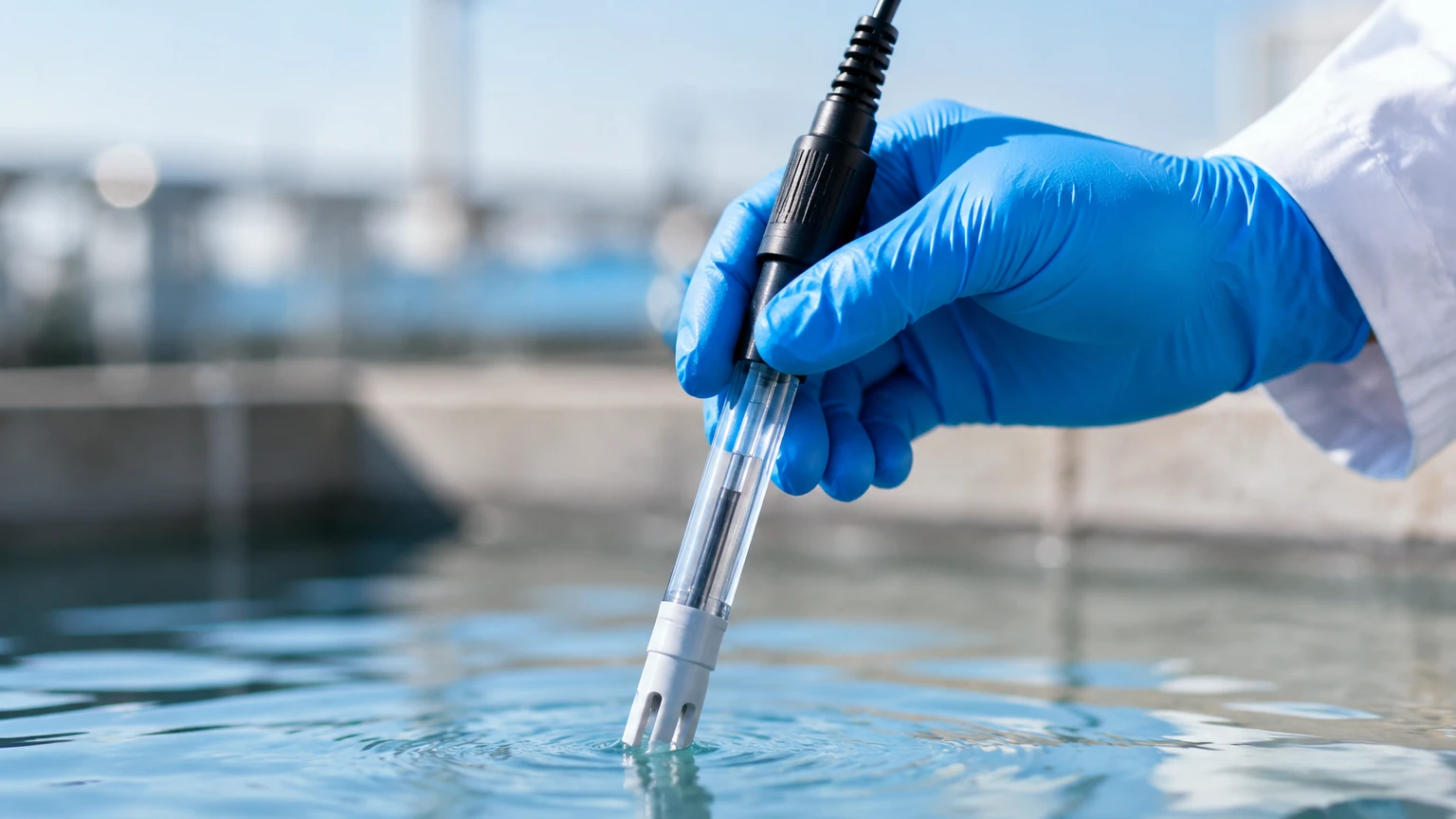
In the landscape of industrial process control and liquid analysis, a pH sensor is defined as a specialized electrochemical instrument designed to measure the hydrogen-ion activity in aqueous solutions, indicating their acidity or alkalinity. For engineers and plant operators, the ph sensor definition extends beyond a simple measurement; it represents a critical data point for ensuring chemical reaction stability, environmental compliance, and product quality in sectors ranging from water treatment to petrochemical refining.
While level measurement instruments like radar or ultrasonic sensors track the physical volume of a substance, pH sensors monitor its chemical state. Understanding the technical definition and the underlying physics of these sensors is essential for selecting the correct equipment for harsh industrial environments.
The Fundamental Measurement Principle
To understand the practical application of a pH sensor, one must first understand the electrochemical principles that govern its operation. Most industrial pH sensors operate based on the potentiometric method, which measures the electrical potential difference between two electrodes immersed in a solution.
The Nernst Equation
The relationship between the electrical potential and the hydrogen ion concentration is defined by the Nernst Equation. In simplified terms, the sensor generates a voltage (measured in millivolts) that is linearly proportional to the pH value of the liquid. At a reference temperature of 25°C, a change of one pH unit corresponds to a change of approximately 59.16 mV.
Electrode Components
A standard industrial pH sensor consists of three primary functional components:
1. Measuring Electrode (Glass Electrode): This component features a specialized pH-sensitive glass membrane. When immersed, a hydrated gel layer forms on the outer and inner surfaces of the glass. Hydrogen ions in the process liquid exchange with ions in the gel layer, creating a potential difference.
2. Reference Electrode: To measure the potential of the glass electrode, a stable reference point is required. The reference electrode is typically a silver/silver chloride (Ag/AgCl) element immersed in a potassium chloride (KCl) electrolyte. It maintains a constant potential regardless of the solution's pH.
3. Reference Junction: Also known as a diaphragm, this porous component allows a small amount of electrolyte to leak into the process liquid, completing the electrical circuit while preventing the process liquid from contaminating the reference system.
Technical Classifications of pH Sensors
Beyond the basic ph sensor definition, these instruments are categorized by their construction and the specific environments they are designed to handle. Choosing the right type is vital for longevity and accuracy.
Analog vs. Digital Sensors
Traditional analog sensors transmit the raw millivolt signal directly to a transmitter. Because the glass electrode has extremely high impedance, these signals are highly susceptible to electromagnetic interference (EMI) and moisture in the cable connections.
Modern digital sensors, often used in sophisticated industrial automation setups, convert the analog signal to a digital protocol (such as Modbus or proprietary signals) within the sensor head itself. This allows for longer cable runs and provides diagnostic data, such as glass impedance and operating hours, which are essential for predictive maintenance.
ISFET Sensors
Ion-Sensitive Field-Effect Transistor (ISFET) sensors represent a non-glass alternative. Instead of a glass membrane, they use a semiconductor chip to detect hydrogen ion activity. These are particularly useful in the food and beverage industry where the risk of glass breakage is a safety violation (the "no-glass" policy).
Practical Selection Criteria
Selecting a pH sensor requires a thorough analysis of the process conditions. Unlike level meters, which often measure from a distance (non-contact), pH sensors are almost always in direct contact with the process medium, making them vulnerable to chemical attack and fouling.
| Criteria | Considerations | Impact on Sensor Choice |
| :— | :— | :— |
| Temperature | Standard processes vs. high-temp sterilization. | Requires high-temperature glass and specialized electrolytes. |
| Pressure | Atmospheric tanks vs. pressurized pipelines. | Requires pressurized reference systems or solid electrolytes. |
| Chemical Compatibility | Presence of hydrofluoric acid or strong bases. | Requires specialized glass formulations (HF-resistant or low-sodium error). |
| Solid Content | Slurries, wastewater, or oils. | Requires open junctions or flat-surface membranes to prevent clogging. |
| Conductivity | Pure water vs. brine. | Low conductivity requires high-flow junctions to maintain a stable signal. |
Installation and Engineering Considerations
Proper installation is as critical as the ph sensor definition itself. If a sensor is installed incorrectly, it will provide drifting or inaccurate data, regardless of its quality.
Mounting Orientation
Most glass-bulb pH sensors must be installed at an angle of at least 15° above the horizontal. This ensures that the internal air bubble stays at the top of the electrode and does not break the electrical contact between the internal buffer solution and the glass membrane. If a vertical installation is not possible, specialized "all-position" sensors must be used.
Flow and Placement
Sensors should be placed in areas with representative flow. In stagnant areas, the pH may not reflect the bulk of the solution. Conversely, excessively high flow velocities can cause "streaming potentials," leading to noisy signals. In pipelines, the sensor should be positioned on the side or bottom to ensure it remains fully submerged even if the pipe is partially empty.
Integration with Level Systems
In many industrial applications, such as chemical dosing in water treatment, pH measurement is used in tandem with level measurement. For instance, a Main Page overview of process automation often highlights how hydrostatic or ultrasonic level transmitters manage the volume of a tank while pH sensors control the chemical feed pumps. Ensuring these instruments are compatible with the same control logic (e.g., 4-20mA or HART) is a key engineering requirement.
Maintenance, Calibration, and Limitations
Every pH sensor is a consumable item. Because the chemical reference system eventually depletes or becomes contaminated, sensors have a finite lifespan, typically ranging from a few months to two years depending on the severity of the application.
Calibration Procedures
Calibration is the process of adjusting the transmitter to match the current performance of the sensor. This is usually done using buffer solutions with known pH values (typically pH 4.0, 7.0, and 10.0). Engineers should monitor two key metrics during calibration:
* Zero Point (Offset): The mV output at pH 7.0. Ideally, this is 0 mV. A large offset (e.g., >30 mV) indicates reference contamination.
* Slope: The efficiency of the sensor, expressed as a percentage of the theoretical Nernstian value. A slope below 80% usually indicates the sensor needs cleaning or replacement.
Common Limitations
* Dehydration: If the glass membrane dries out, it loses its ability to measure hydrogen ions. Sensors must be kept wet, often stored in a KCl solution.
* Coating: In wastewater or oil-heavy processes, substances can coat the glass, slowing the response time or causing a complete loss of signal.
* Temperature Sensitivity: While Automatic Temperature Compensation (ATC) corrects for the Nernstian slope change, it does not correct for the actual chemical pH change of the liquid caused by temperature shifts.
Frequently Asked Questions
Q: Can a pH sensor be used to measure non-aqueous liquids?
A: Standard pH sensors require water to form the hydrated gel layer on the glass membrane. While measurements in non-aqueous solvents (like pure alcohols or oils) are possible with specialized electrodes and electrolytes, the readings do not follow the standard 0-14 pH scale and require careful interpretation.
Q: How often should I calibrate my industrial pH sensor?
A: This depends entirely on the process. In stable water treatment applications, once a month may suffice. In harsh chemical manufacturing, daily calibration might be necessary to maintain the required accuracy.
Q: What is the difference between a pH sensor and an ORP sensor?
A: While they look similar and use the same reference electrodes, an ORP (Oxidation-Reduction Potential) sensor uses a noble metal (like platinum or gold) instead of a pH-sensitive glass membrane. It measures the overall electron-transferring capability of the solution rather than hydrogen ion concentration.
Conclusion
A comprehensive ph sensor definition encompasses the electrochemical hardware, the Nernstian physics, and the practical constraints of the industrial environment. For professionals managing complex fluid systems, the pH sensor is an indispensable partner to level measurement technology. By understanding the nuances of electrode selection, temperature compensation, and maintenance, operators can ensure reliable process control and long-term instrument performance in even the most demanding applications.