Ati Chlorine Analyzer
Ati Chlorine Analyzer
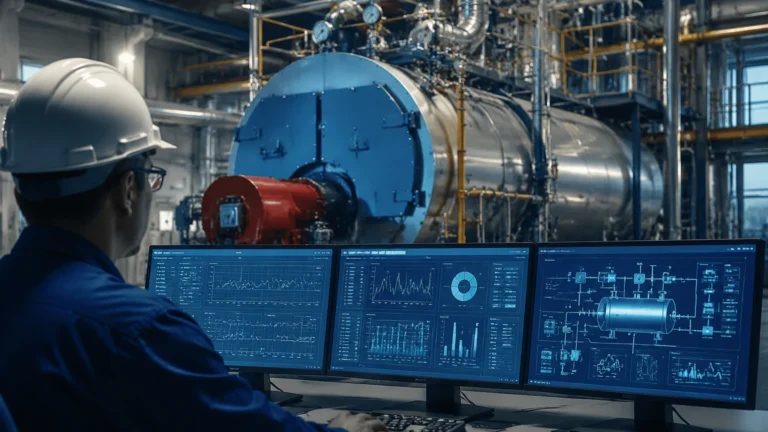
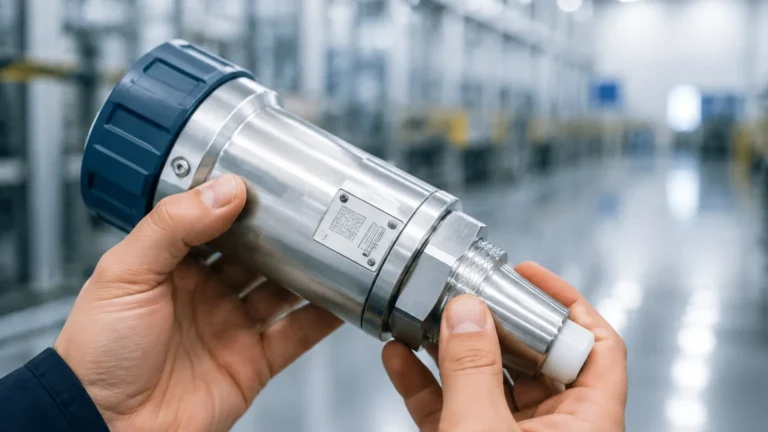
In the realm of industrial water treatment and process automation, the precise measurement of disinfectants is a critical requirement for both safety and regulatory compliance. The Ati chlorine analyzer, specifically those developed by Analytical Technology, Inc. (ATI), represents a standard in reagentless sensing technology. These instruments are designed to provide continuous monitoring of free or combined chlorine in aqueous solutions without the logistical burden of constant chemical replenishment. For engineers and plant operators, understanding the underlying measurement principles and the integration of these sensors with broader process control systems—including tank level management—is essential for maintaining water quality.
Chlorine monitoring is not a standalone task. It is often part of a complex chemical dosing loop where the concentration of the disinfectant must be balanced against the volume of the liquid being treated. This requires a synergy between water quality analytical tools and physical measurement instruments, such as those found on the Main Page of industrial instrumentation providers, to ensure that dosing pumps are operating based on accurate volumetric and concentration data.
Measurement Principles of Chlorine Analysis
Before selecting an Ati chlorine analyzer, it is necessary to understand how the equipment quantifies chlorine levels. Most modern industrial analyzers utilize one of two primary methods: colorimetric or amperometric sensing.
Amperometric Sensing (Polarographic)
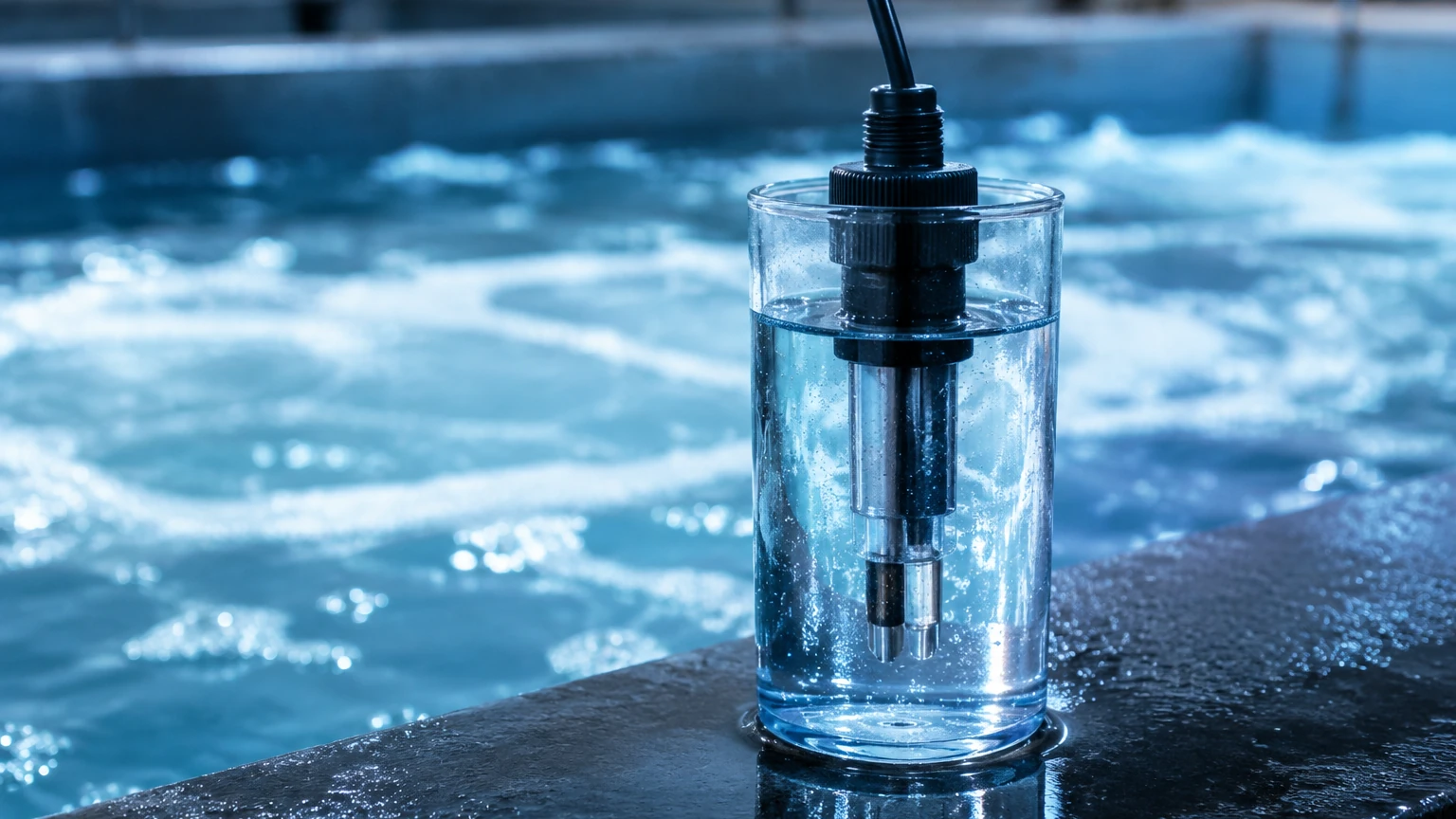
Most ATI models utilize amperometric technology, specifically a polarographic membrane-covered sensor. This method involves a gold cathode and a silver anode submerged in an electrolyte solution, separated from the process water by a gas-permeable membrane.
1. Diffusion: Chlorine molecules (hypochlorous acid or hypochlorite ions) diffuse through the membrane.
2. Reduction: At the cathode, a constant potential is applied, causing the chlorine to be chemically reduced.
3. Current Generation: This reduction generates a current flow between the anode and cathode that is directly proportional to the partial pressure (and thus the concentration) of chlorine in the sample.
The Role of pH Compensation
The effectiveness of chlorine as a disinfectant is highly dependent on the pH of the water. In free chlorine measurement, the sensor primarily detects hypochlorous acid (HOCl). As pH rises, HOCl dissociates into hypochlorite ions (OCl-), which move through membranes at different rates. High-end Ati chlorine analyzers often incorporate an integrated pH sensor to provide automatic software compensation, ensuring accurate "Total Free Chlorine" readings even as the process pH fluctuates between 6.0 and 9.5.
Key Features of the Ati Chlorine Analyzer Series
The ATI Q46H system is a prominent example of this technology. Unlike traditional DPD (N,N-diethyl-p-phenylenediamine) colorimetric analyzers, these units do not require pumps, tubing, or reagents that need monthly replacement.
Reagentless Operation
The primary advantage of the amperometric approach is the elimination of reagents. This reduces the total cost of ownership (TCO) and minimizes the maintenance intervals. In remote locations or large-scale industrial plants, the ability to operate for 3 to 6 months without intervention is a significant operational benefit.
Dual-Channel Capability
Many configurations allow for dual-channel monitoring. This means a single transmitter can process signals from a chlorine sensor and a pH sensor simultaneously, or even two different disinfectant sensors (such as chlorine and chlorine dioxide). This data is typically output via 4-20mA loops or digital protocols like Modbus or Profibus for integration into a SCADA system.
Integrating Chlorine Analysis with Level Measurement
In a typical water treatment facility, chlorine analysis is the "quality" side of the equation, while level measurement is the "quantity" side. To achieve precise dosing, operators must know the exact volume of water in a contact tank or the remaining volume of sodium hypochlorite in a storage vessel.
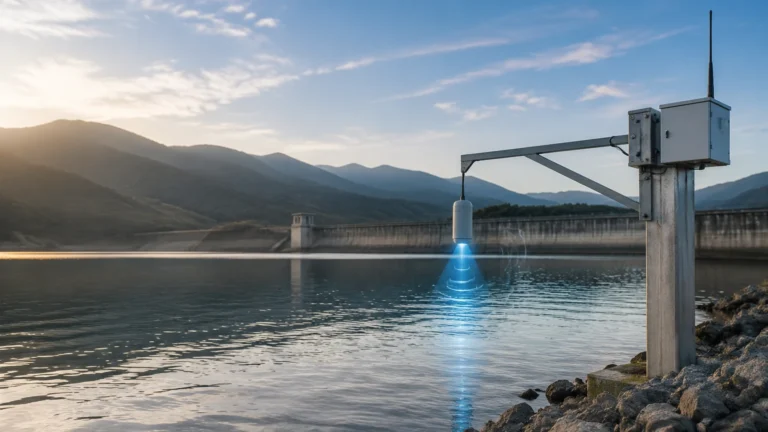
For instance, an ultrasonic level sensor or a hydrostatic pressure transmitter provides the real-time volume data of the chemical storage tank. If the level drops below a certain threshold, the system must trigger an alarm. Simultaneously, the Ati chlorine analyzer monitors the residual chlorine in the effluent. If the chlorine residual is too low, the PLC (Programmable Logic Controller) increases the dosing pump speed, provided the level sensor confirms there is sufficient chemical stock available.
Reliable level measurement solutions, such as those offered by Welk, ensure that the "dry-run" of dosing pumps is prevented, protecting the infrastructure that the chlorine analyzer is meant to regulate. For a comprehensive look at the level sensors that support these chemical loops, engineers often refer to the Main Page for technical specifications on radar and ultrasonic transmitters.
Selection Criteria for Industrial Chlorine Analyzers
Selecting the correct analyzer requires an evaluation of the specific water chemistry and hydraulic conditions of the site.
| Criteria | Requirement | Why it Matters |
| :— | :— | :— |
| Chlorine Type | Free, Combined, or Total | Determines the membrane and electrolyte type needed. |
| pH Range | 5.0 to 10.0 | High pH requires active compensation to maintain accuracy. |
| Flow Stability | Constant Flow Rate | Amperometric sensors are flow-sensitive; a flow cell is usually required. |
| Interfering Elements | Bromine, Ozone, Peroxide | Some oxidants can cause false positive readings on the sensor. |
| Maintenance Access | Accessible for Calibration | Sensors require periodic cleaning and electrolyte replacement. |
Installation and Maintenance Considerations
Proper installation is the most significant factor in the longevity and accuracy of an Ati chlorine analyzer.
1. Constant Head Flow Cell
Since the current generated by the sensor is affected by the velocity of the water passing the membrane, a "constant head" flow cell is used. This device maintains a steady pressure and flow rate (typically 200-400 ml/min) across the sensor face, regardless of fluctuations in the main process line pressure.
2. Positioning
The flow cell should be installed as close to the sample point as possible to minimize lag time. However, it must be positioned after any chemical injection points with sufficient mixing distance to ensure the sample is representative of the entire stream.
3. Electrical Considerations
Ensure that the signal cable between the sensor and the transmitter is shielded. Amperometric signals are in the nano-ampere range and are highly susceptible to electromagnetic interference (EMI) from large motors or variable frequency drives (VFDs) often found in pump rooms.
4. Calibration Procedures
Calibration should be performed using a primary method, such as a DPD colorimetric kit. It is recommended to perform a "zero calibration" using dechlorinated water and a "span calibration" at a concentration near the expected process setpoint.
Limitations and Practical Constraints
While highly effective, Ati chlorine analyzers have specific limitations:
* Minimum Flow: They cannot measure in stagnant water. There must be continuous movement to replenish the chlorine molecules at the membrane surface.
* Membrane Fouling: In wastewater applications, fats, oils, and greases (FOG) can coat the membrane, slowing response times. Regular cleaning with a dilute acid or detergent may be necessary.
* Temperature Sensitivity: The chemical reduction rate is temperature-dependent. High-quality analyzers include an internal thermistor to compensate for temperature changes automatically.
Frequently Asked Questions (FAQs)
Q: How often does the electrolyte in an ATI sensor need to be changed?
A: In most clean water applications, the electrolyte and membrane should be replaced every 6 to 12 months. In harsher industrial environments, this may be required every 3 to 4 months.
Q: Can the Ati chlorine analyzer measure total chlorine?
A: Yes, but it requires a different sensor configuration and often a reagent (like potassium iodide) or a specific buffer if using the reagentless total chlorine model, which converts chloramines into a measurable form.
Q: Does the sensor work in seawater?
A: Yes, but special considerations for salinity and the presence of bromide must be taken into account, as the sensor may detect "Total Oxidant" rather than just chlorine.
Q: How does this integrate with tank level monitoring?
A: The analyzer provides the concentration data, while level meters provide the volume data. Together, they allow the PLC to calculate the mass balance of the disinfectant, ensuring the system remains within safe operating limits. Information on the sensors used for these tanks can be found on the Main Page.
Conclusion
The Ati chlorine analyzer is a robust solution for industries seeking to move away from the high maintenance of reagent-based systems. By leveraging amperometric principles and advanced pH compensation, these instruments provide the high-resolution data necessary for modern water treatment. When paired with accurate level measurement and robust process control, they form the backbone of a safe and efficient disinfection strategy. Engineers should always verify the specific chemical constituents of their process water before final selection to ensure compatibility with the membrane technology.