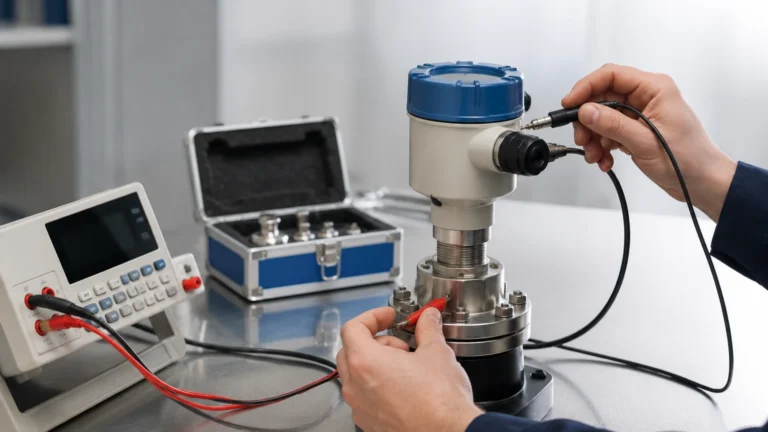
Ph Sensor Maintenance Solution
Ph Sensor Maintenance Solution
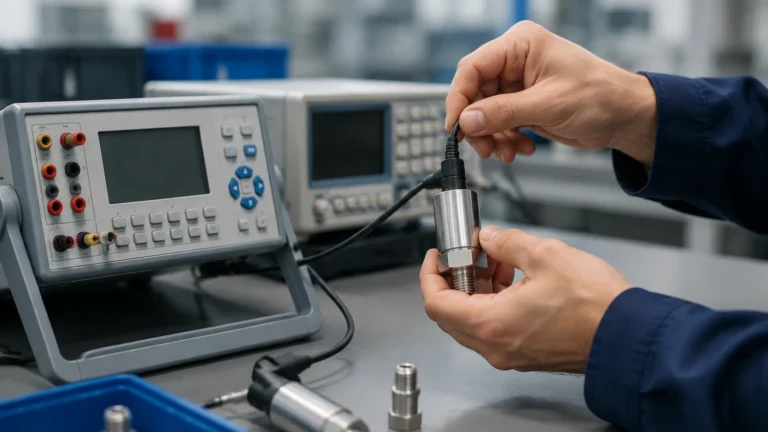
In industrial process control, the accuracy of pH measurement is critical for product quality, environmental compliance, and equipment longevity. Whether in wastewater treatment, chemical processing, or power generation, pH sensors are the primary interface between the process fluid and the control system. However, unlike many physical measurement devices such as radar level meters or hydrostatic transmitters, pH sensors are electrochemical devices that interact directly with the medium. This interaction leads to inevitable degradation, making a robust pH sensor maintenance solution an essential component of any industrial instrumentation strategy.
To ensure reliable data and extend the operational lifespan of these sensitive instruments, engineers must understand the underlying measurement principles and implement a systematic approach to cleaning, calibration, and storage.
Understanding pH Measurement Principles
Before implementing a maintenance protocol, it is necessary to understand how a pH sensor functions. Most industrial pH sensors are "combination electrodes" that house both a sensing electrode and a reference electrode in a single body.
1. The Glass Electrode: This contains a specialized pH-sensitive glass membrane. When immersed in a liquid, a hydrated gel layer forms on the outside and inside of the membrane. The potential difference developed across this membrane is proportional to the hydrogen ion activity (pH) of the solution.
2. The Reference Electrode: This provides a stable electrochemical potential against which the sensing electrode's potential is measured. It typically uses a silver/silver chloride (Ag/AgCl) system and relies on a liquid junction to maintain electrical contact with the process fluid.
3. The Nernst Equation: The relationship between voltage output and pH is governed by the Nernst Equation. At 25°C (298.15 K), a change of one pH unit ideally results in a potential change of 59.16 mV. As temperature fluctuates, this slope changes, necessitating temperature compensation via an integrated PT100 or PT1000 thermistor.
Because the liquid junction can become clogged and the glass membrane can be fouled or dehydrated, the sensor's performance will naturally drift over time. This is where a structured maintenance solution becomes vital.
The Core of a pH Sensor Maintenance Solution
A comprehensive pH sensor maintenance solution focuses on three primary pillars: cleaning, calibration, and proper storage. Neglecting any of these leads to slow response times, "sluggish" readings, and eventually, total sensor failure.
1. Cleaning Procedures
Industrial environments often contain oils, proteins, mineral scales, or biological growth that adhere to the sensor membrane. A fouled sensor cannot accurately exchange ions with the process fluid.
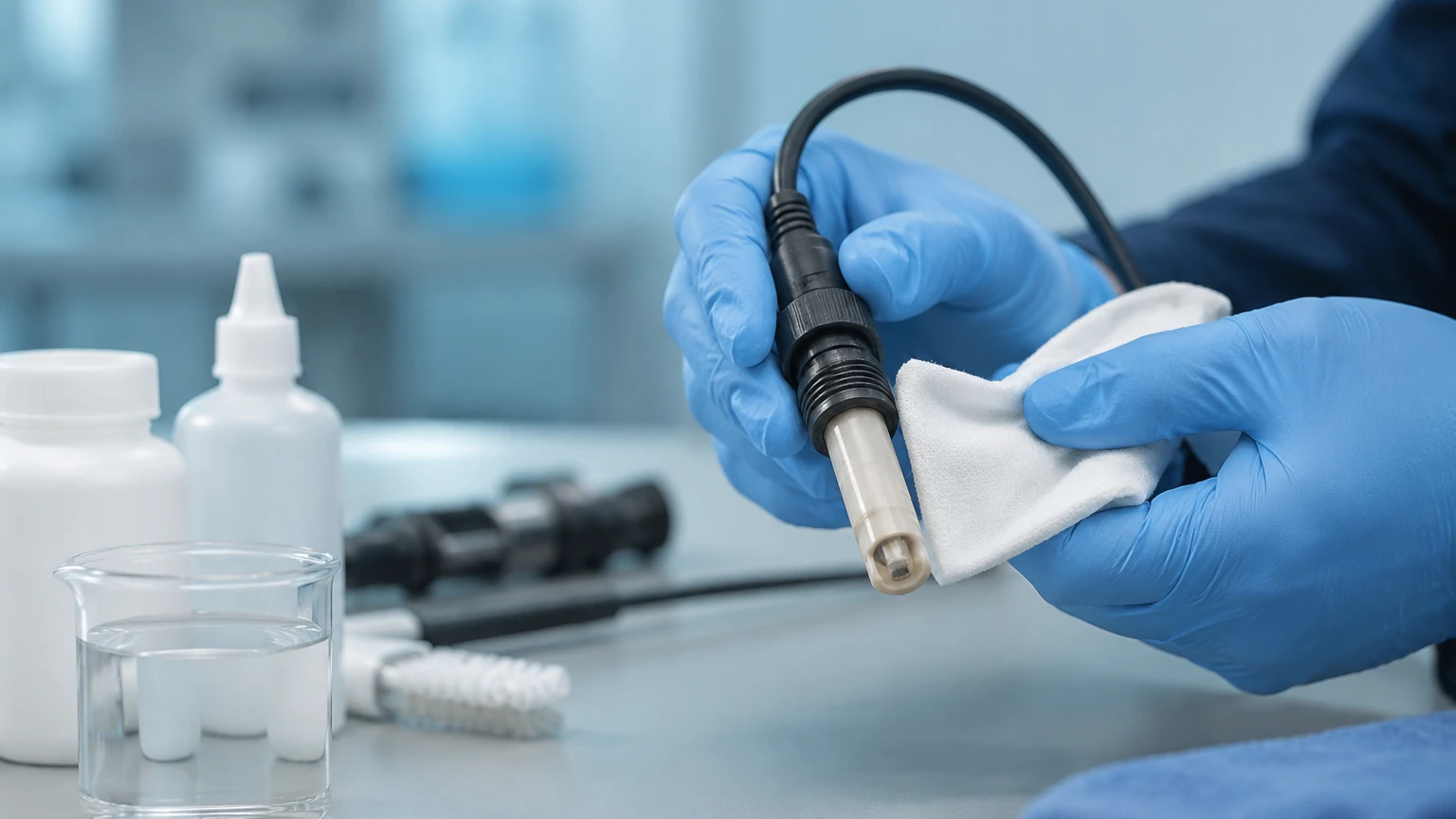
* General Cleaning: For light debris, a warm water rinse with a mild non-abrasive detergent is often sufficient. Use a soft cloth or cotton swab, taking extreme care not to scratch the glass membrane.
* Mineral Scale/Inorganic Deposits: If the sensor is used in hard water or lime-softening applications, calcium carbonate may build up. Soaking the tip in a 5% hydrochloric acid (HCl) solution for 5 to 10 minutes can dissolve these deposits.
* Oil and Grease: In petrochemical or food processing, organic coatings are common. Use a detergent solution or a specialized solvent like isopropyl alcohol. Note that harsh solvents can damage some plastic sensor bodies or seals.
* Protein Fouling: In biotechnology or food production, proteins can block the reference junction. A solution of 1% pepsin in 0.1M HCl is the standard cleaning agent for these applications.
2. Calibration and Verification
Calibration adjusts the transmitter to account for the aging of the electrode. Even with regular cleaning, the "slope" (efficiency) and "offset" (zero point) of the sensor will change.
* Two-Point Calibration: This is the industrial standard. Typically, a pH 7.00 buffer is used to set the zero point (offset), and a pH 4.01 or 10.01 buffer is used to set the slope.
* Slope Evaluation: A new sensor should have a slope between 95% and 102%. If the slope drops below 85% to 90%, the sensor should be replaced, as its response time will be too slow for effective process control.
* Offset Evaluation: The ideal offset at pH 7 is 0 mV. Most transmitters allow for an offset of ±30 mV. If the offset exceeds this range, it usually indicates a contaminated reference junction or depleted electrolyte.
3. Storage Requirements
One of the most common causes of premature sensor failure is improper storage. The pH glass membrane must remain hydrated to function. If it dries out, the hydrated gel layer collapses.
* Short-term Storage: Keep the sensor in a pH 4.01 buffer or a specialized electrode storage solution (usually 3M or 4M KCl).
* Long-term Storage: Use the original protective cap filled with storage solution. Ensure the cap is sealed tightly to prevent evaporation.
* What to Avoid: Never store a pH sensor in deionized (DI) or distilled water. These ultra-pure waters will leach ions out of the reference electrolyte and the glass membrane, significantly shortening the sensor's life.
Technical Selection and Performance Table
Choosing the right sensor for the application is the first step in reducing the maintenance burden. The following table highlights common sensor types and their typical maintenance profiles:
| Sensor Type | Application | Maintenance Intensity | Key Limitation |
| :— | :— | :— | :— |
| General Purpose (Gel) | Water treatment, cooling towers | Low | Not for high temp (>60°C) |
| High-Temperature Glass | Chemical reactors, CIP cycles | Moderate | Fragile at low temps |
| Flat Surface Membrane | Slurries, pulp/paper, high solids | Moderate | Lower sensitivity in pure water |
| PTFE Junction | Oily wastewater, chemical processing | High (Cleaning) | Slower response time |
| Refillable Liquid | High-precision lab, pure water | Very High | Requires electrolyte reservoir |
For engineers managing complex facilities, integrating these sensors with reliable Main Page instrumentation ensures that both chemical properties and physical levels are monitored accurately within the same automation framework.
Installation Considerations for Reduced Maintenance
Proper installation can prevent many common maintenance issues before they occur. When mounting a pH sensor in a pipe or tank, consider the following:
1. Orientation: Sensors should always be installed at least 15° above the horizontal plane. This ensures that the internal electrolyte stays in contact with the glass membrane and prevents air bubbles from being trapped at the tip.
2. Flow Velocity: While some flow is necessary to ensure a representative sample, excessive velocity (typically >2 m/s) can cause "streaming potentials" or physical erosion of the glass. Conversely, stagnant flow allows for faster fouling.
3. Grounding: In plastic piping systems, stray electrical currents can interfere with the low-voltage signal of the pH electrode. Using a grounding ring or a sensor with a built-in solution ground is essential for stable readings.
4. Accessibility: If a sensor is difficult to reach, it will likely be neglected. Use retractable housings (hot-tap assemblies) for sensors in pressurized lines to allow for removal without shutting down the process.
Troubleshooting and Risk Mitigation
When a pH sensor maintenance solution fails to yield accurate results, troubleshooting should follow a logical progression:
* Slow Response: Usually caused by a coated membrane or a clogged junction. Perform a deep clean. If the response remains slow, the glass may be aged (de-vitrified), requiring replacement.
* Drifting Readings: Often caused by a ground loop or a depleted reference electrode. Check the cabling for moisture and ensure the reference junction is not poisoned by process chemicals like sulfides or cyanides.
* Fixed Reading (e.g., always pH 7): This typically indicates a cracked glass membrane, creating a short circuit between the internal and external fluids.
Common Risks to Sensor Longevity
* Chemical Incompatibility: Hydrofluoric acid (HF) will dissolve standard pH glass. For applications containing HF, specialized antimony or HF-resistant glass must be used.
* Pressure Shocks: Rapid pressure changes can force process fluid into the reference junction (poisoning) or cause the glass bulb to implode. Use pressure-compensated sensors in high-pressure applications (above 6 bar).
Frequently Asked Questions (FAQ)
Q: How often should I calibrate my pH sensor?
A: There is no universal rule. In stable water treatment applications, once a month may suffice. In aggressive chemical processes, daily calibration might be necessary. Start with weekly calibrations and adjust based on the drift observed.
Q: Can I use a pH sensor to measure level?
A: No. pH sensors measure acidity or alkalinity. For level measurement in tanks or sumps, you should utilize technologies like ultrasonic sensors, radar level meters, or hydrostatic transmitters available on the Main Page.
Q: How long should a pH sensor last?
A: In clean water at ambient temperatures, a sensor can last 1–2 years. In high-temperature, high-pressure, or highly corrosive environments, the lifespan may be as short as 3–6 months.
Q: What is the "Slope" of a pH sensor?
A: The slope is the mV change per pH unit. The theoretical value is 59.16 mV/pH at 25°C. Transmitters calculate the actual slope during calibration. A slope below 85% usually indicates the sensor is nearing the end of its useful life.
Conclusion
An effective pH sensor maintenance solution is not merely a reactive repair process but a proactive engineering strategy. By understanding the electrochemical nature of the sensors, selecting the appropriate hardware for the environment, and adhering to strict cleaning and calibration schedules, industrial operators can significantly reduce downtime and improve process consistency. While pH sensors require more attention than standard level measurement instruments, their role in chemical and environmental control is indispensable. For comprehensive process monitoring solutions, including both level and analytical instrumentation, consulting with experienced manufacturers like Welk ensures that your facility operates with the highest degree of accuracy and reliability.