Us 2019/0002720 A1 Uv Sensor
Us 2019/0002720 A1 Uv Sensor
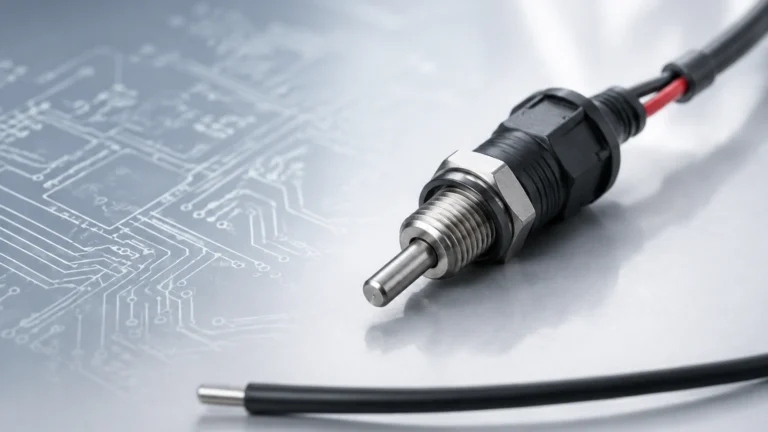
In the landscape of industrial automation and process control, the precision of sensing technology determines the safety and efficiency of complex systems. The publication us 2019/0002720 a1 uv sensor represents a significant technical milestone in the development of ultraviolet (UV) detection. This patent application details a UV sensor and a specific method for manufacturing it, focusing on enhancing sensitivity and reliability through advanced semiconductor structures. For engineers and procurement specialists in sectors like water treatment, chemical processing, and industrial automation, understanding these advancements is crucial for integrating robust monitoring solutions alongside traditional level measurement instruments.
While level measurement focuses on the volume and position of media within a vessel, UV sensors provide critical data regarding the chemical and biological state of that media or the environment surrounding it. This article explores the principles behind the us 2019/0002720 a1 uv sensor, its industrial applications, and how it complements the broader suite of industrial instruments provided by manufacturers like Welk.
Measurement Principles of UV Sensors
To appreciate the innovations in the us 2019/0002720 a1 uv sensor, one must first understand the fundamental physics of ultraviolet detection. UV sensors are designed to detect electromagnetic radiation with wavelengths shorter than visible light, typically ranging from 10 nm to 400 nm.
The Photoelectric Effect
Most industrial UV sensors operate based on the photoelectric effect or the generation of electron-hole pairs in a semiconductor material. When UV photons strike the active area of the sensor, they provide enough energy for electrons to move from the valence band to the conduction band. This movement creates a measurable electrical current proportional to the intensity of the UV radiation.
Wide Bandgap Semiconductors
The us 2019/0002720 a1 uv sensor specifically references the use of wide bandgap materials, such as Aluminum Gallium Nitride (AlGaN). These materials are advantageous because they are inherently "solar blind." This means the sensor is naturally insensitive to visible light and infrared radiation, allowing it to detect UV signals in high-ambient-light environments without the need for expensive optical filters. The manufacturing method described in the patent aims to reduce defects in the crystalline structure of these materials, which minimizes "dark current" (background noise) and improves the signal-to-noise ratio.
Industrial Applications and Integration
The technology described in the us 2019/0002720 a1 uv sensor finds its home in high-stakes industrial environments where accuracy is non-negotiable. Often, these sensors are used in tandem with level measurement devices to provide a complete picture of process health.
Water Treatment and Disinfection
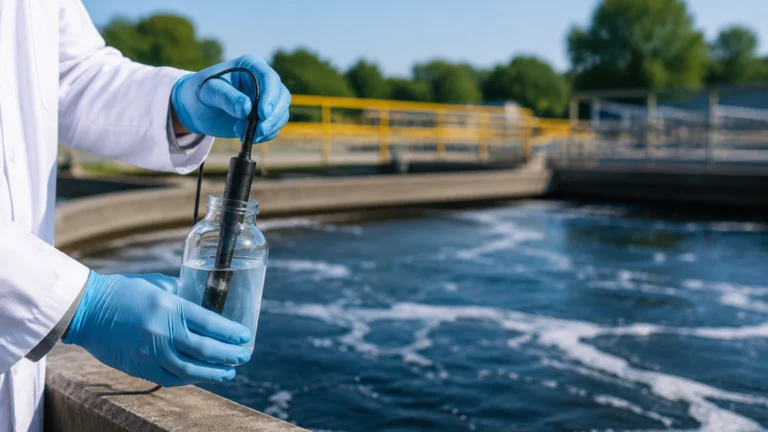
In water treatment facilities, UV-C radiation is used to neutralize pathogens. A UV sensor monitors the intensity of the UV lamps to ensure the dosage is sufficient for sterilization. Simultaneously, ultrasonic or radar level meters are used to manage the flow rate and water level in the disinfection channels. If the water level rises too high or falls too low, the UV exposure time changes, requiring real-time adjustments from the control system.
Flame Detection in Oil and Gas
UV sensors are critical for flame monitoring in industrial boilers and turbines. Because a flame emits a specific UV signature, these sensors can detect a "flame out" condition almost instantaneously. In these same facilities, hydrostatic level transmitters or magnetic level gauges are used to monitor fuel and coolant levels, ensuring that the entire combustion system remains within safe operating parameters.
Chemical Process Monitoring
Certain chemical reactions are triggered or monitored by UV light. The high sensitivity of the us 2019/0002720 a1 uv sensor allows for the detection of trace amounts of specific compounds that absorb or emit UV radiation. This is often integrated into a system where radar level meters track the consumption of reagents in pressurized reactors.
Selection Criteria for Industrial Sensors
When evaluating sensors based on the us 2019/0002720 a1 uv sensor technology or selecting level measurement instruments, several factors must be considered to ensure long-term performance.
| Criteria | UV Sensor Considerations | Level Meter Considerations |
| :— | :— | :— |
| Spectral Range | Must match the application (UV-A, B, or C). | N/A (Focuses on physical distance). |
| Operating Temp | High temps can degrade semiconductor life. | Must account for vapor and pressure. |
| Response Time | Crucial for safety-critical flame detection. | Depends on surface turbulence. |
| Durability | Resistance to UV degradation of the housing. | Chemical compatibility of the probe/diaphragm. |
| Signal Output | Typically 4-20mA or digital (RS485). | Typically 4-20mA, HART, or Modbus. |
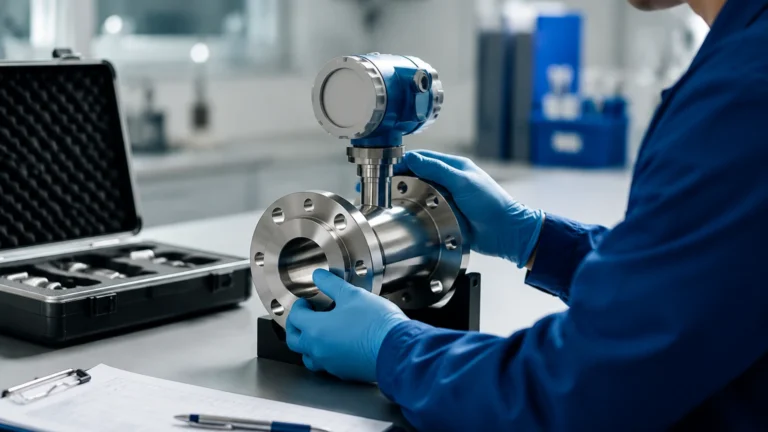
For a comprehensive overview of available industrial measurement technologies, including radar and ultrasonic options, engineers should Review product options and application support to find the best fit for their specific environmental constraints.
Installation and Engineering Considerations
Proper installation is the difference between a reliable data point and a constant maintenance headache. For sensors utilizing the us 2019/0002720 a1 uv sensor design, the following guidelines apply:
1. Optical Path Alignment: The sensor must have a clear line of sight to the UV source. In water treatment, this means ensuring that the quartz sleeve protecting the sensor is kept clean of scale and biofouling.
2. Thermal Management: While AlGaN sensors are more heat-tolerant than silicon-based sensors, they still require adequate cooling if mounted near high-temperature processes like furnaces.
3. Shielding and Grounding: To maintain the precision afforded by the us 2019/0002720 a1 uv sensor manufacturing process, industrial-grade cabling and proper grounding are necessary to prevent electromagnetic interference (EMI) from high-voltage equipment.
4. Calibration Cycles: UV sensors naturally degrade over time due to high-energy photon exposure. Regular calibration against a reference standard is required to maintain accuracy.
Limitations and Risks
Despite the advancements in the us 2019/0002720 a1 uv sensor, there are inherent limitations to UV sensing technology:
* Fouling: Any accumulation of dust, oil, or minerals on the sensor window will attenuate the UV signal, leading to false low readings.
* Spectral Shift: Over time, the sensitivity of the sensor may shift, requiring recalibration to ensure it is still detecting the target wavelength.
* Non-Penetrating Nature: UV radiation does not penetrate opaque solids or many liquids deeply. Therefore, UV sensors are surface or line-of-sight tools, unlike hydrostatic level transmitters which measure through the bulk of the liquid.
Complementary Technologies: Level Measurement
In most B2B applications, a UV sensor does not operate in isolation. It is part of a broader instrumentation strategy. Welk provides several level measurement technologies that work alongside UV systems:
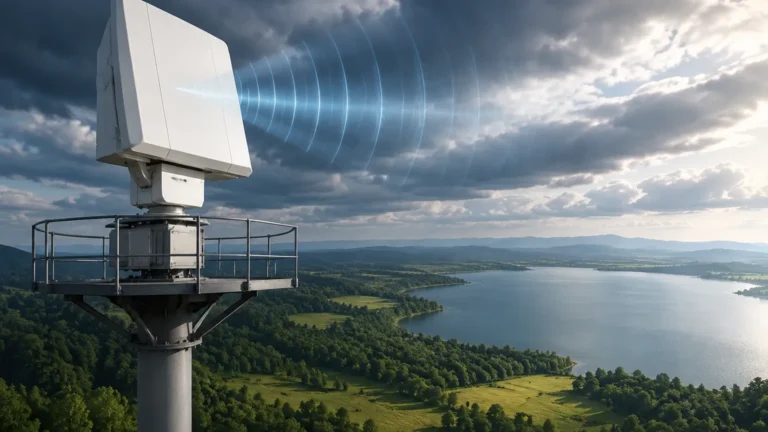
* Radar Level Meters: Ideal for non-contact measurement in chemical tanks where UV sensors monitor the atmosphere or reaction state.
* Ultrasonic Level Sensors: Used in water treatment to measure open channel flow and tank levels in conjunction with UV disinfection banks.
* Hydrostatic Level Transmitters: Provide reliable depth measurement in deep wells or reservoirs where UV sensors might be used to monitor water quality at the surface.
Frequently Asked Questions (FAQ)
Q: How does the us 2019/0002720 a1 uv sensor differ from standard silicon UV sensors?
A: The patent focuses on a manufacturing method for wide bandgap semiconductors like AlGaN. Unlike standard silicon sensors, these do not require external filters to block visible light, making them more efficient and compact for industrial use.
Q: Can UV sensors be used for level measurement?
A: Generally, no. UV sensors detect radiation intensity. While they could theoretically detect a surface by reflection, they are far less effective than radar or ultrasonic sensors which are designed specifically for Time-of-Flight (ToF) distance measurement.
Q: What is the typical lifespan of an industrial UV sensor?
A: Depending on the intensity of the UV exposure and the operating temperature, a high-quality sensor can last between 2 to 5 years before the sensitivity drops below acceptable levels.
Q: Are these sensors suitable for hazardous areas?
A: Yes, provided they are housed in appropriate explosion-proof or intrinsically safe enclosures. Many UV sensors used in flame detection are designed specifically for ATEX/IECEx zones.
Conclusion
The technical advancements found in the us 2019/0002720 a1 uv sensor highlight the ongoing evolution of industrial sensing. By improving the way we detect ultraviolet radiation, manufacturers can offer more reliable safety and quality control tools. For the modern industrial facility, the integration of these specialized sensors with robust level measurement solutions ensures a comprehensive approach to process automation. When selecting instrumentation, it is essential to partner with manufacturers who understand the interplay between different physical measurements and can provide the customized OEM/ODM services required for complex applications.