Ph Transmiter
Ph Transmiter
In the realm of industrial process control, the measurement of hydrogen ion activity—commonly known as pH—is a fundamental requirement for ensuring product quality, equipment longevity, and environmental compliance. A ph transmiter serves as the critical bridge between the delicate electrochemical environment of a liquid sample and the robust digital or analog requirements of a control system. While level measurement instruments, such as those found on the Main Page, provide essential data regarding the quantity of a substance, pH transmitters provide the necessary insight into the chemical state of that substance.
This article provides a comprehensive technical guide to understanding, selecting, and installing pH transmitters within industrial frameworks, emphasizing the synergy between chemical analysis and physical level monitoring.
Measurement Principles of pH Transmitters
To effectively utilize a ph transmiter, one must first understand the electrochemical principles that govern its operation. The measurement is based on the potential difference generated between two electrodes immersed in a solution.
The Nernst Equation
The operational logic of a pH transmitter is rooted in the Nernst Equation. This mathematical model describes the relationship between the electrical potential of an electrode and the activity of the ions in the solution. In simplified terms, for every unit change in pH, the electrode potential changes by approximately 59.16 mV at 25°C. The transmitter’s primary role is to measure this millivolt signal and convert it into a standard industrial output, such as 4-20mA or a digital bus protocol.
The Electrode Pair
A standard pH measurement loop consists of two main elements:
1. The Measuring Electrode: Typically a glass electrode with a specialized hydrogen-ion-sensitive membrane. When immersed, a thin hydrated layer forms on the outside of the glass, allowing an ion exchange that generates a potential.
2. The Reference Electrode: This electrode provides a stable, known potential that is independent of the pH of the solution. It usually utilizes a silver/silver chloride (Ag/AgCl) internal element and a liquid junction that allows electrical contact with the process medium.
High Impedance Conversion
One of the most challenging aspects of pH measurement is the extremely high electrical impedance of the glass electrode, which can exceed 1,000 MΩ. A ph transmiter must possess a high-input impedance stage to prevent "loading" the signal. If the transmitter's input impedance is not significantly higher than the electrode's impedance, the voltage signal will drop, leading to inaccurate readings and slow response times.
Core Components of an Industrial pH System
An industrial-grade pH measurement system is rarely a single piece of equipment. It is an assembly designed to withstand harsh process conditions while maintaining laboratory-grade precision.
The Sensor/Probe
The sensor is the part in direct contact with the process. In industrial settings, "combination electrodes" are common, where both the measuring and reference electrodes are housed in a single body. These often include an integrated temperature sensor (such as a PT100 or PT1000) for Automatic Temperature Compensation (ATC).
The Transmitter (Signal Converter)
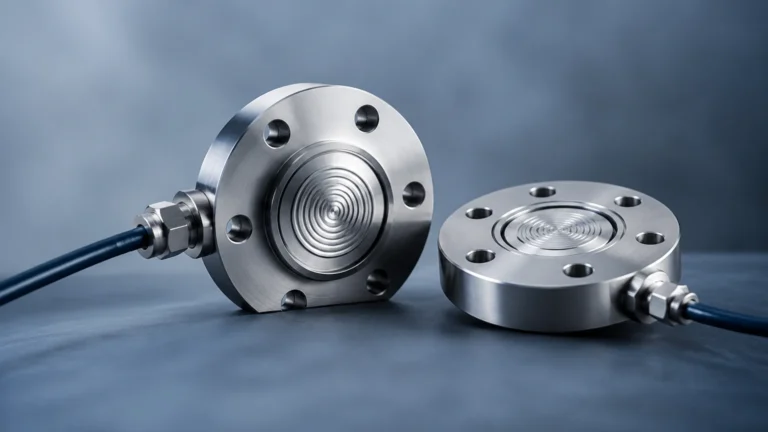
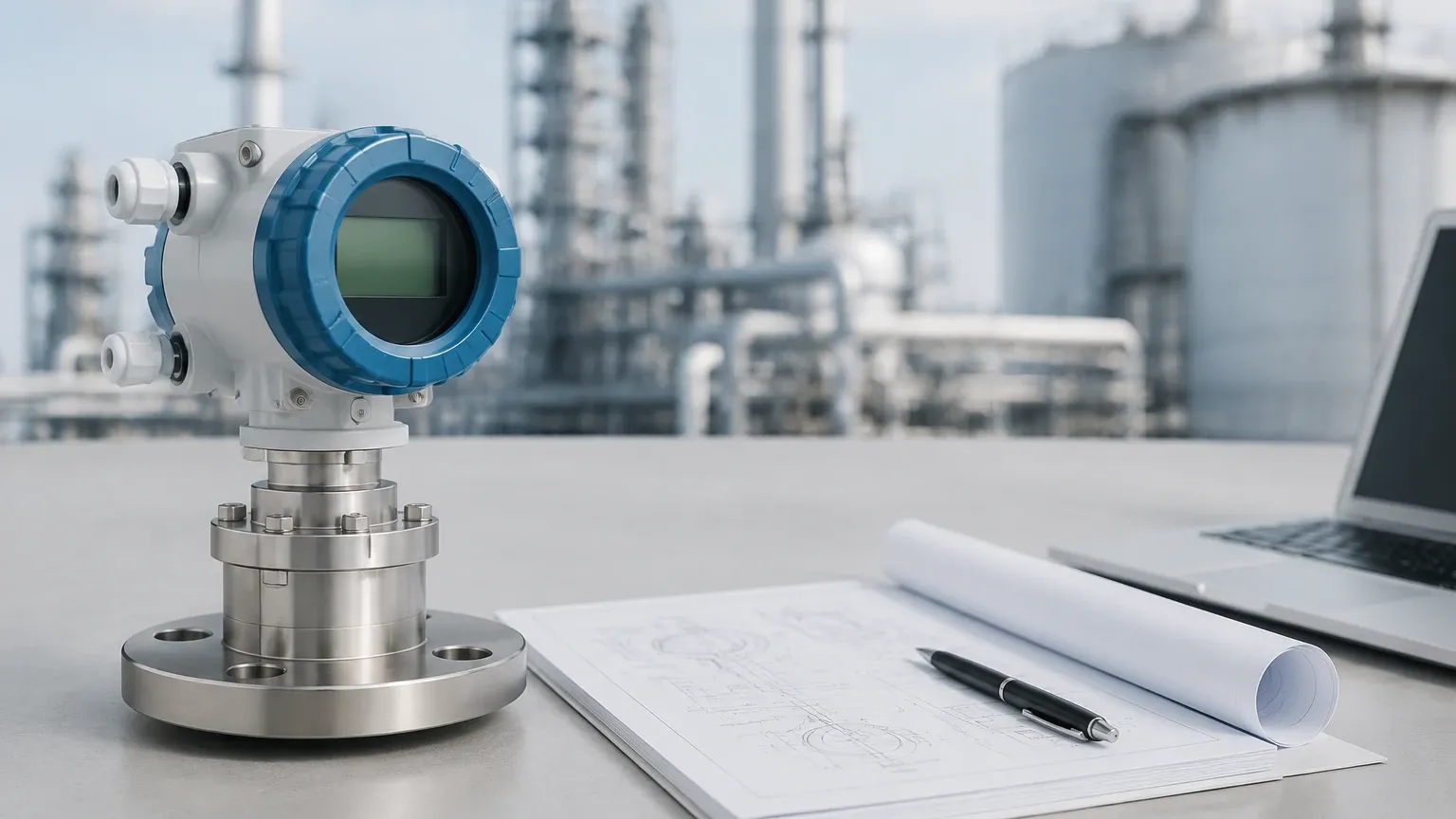
The ph transmiter itself is the electronic unit that processes the raw mV signal. Modern transmitters are "smart" devices, offering local displays, diagnostic tools, and multiple output options. They are often housed in IP66 or IP67-rated enclosures to resist moisture and corrosive vapors.
The Interconnect Cable
Because of the high-impedance nature of the signal, the cable between the sensor and the transmitter must be specially shielded. Noise interference from nearby motors or power lines can easily distort the pH reading. In many modern installations, a pre-amplifier is located at the sensor head to convert the signal to a low-impedance format before it travels along the cable.
Key Evaluation and Selection Criteria
Selecting the right ph transmiter requires an analysis of both the process chemistry and the integration requirements of the facility. Engineers should consider the following factors:
1. Accuracy and Repeatability
In pharmaceutical or fine chemical applications, a resolution of 0.01 pH may be required. For general wastewater treatment, 0.1 pH is often sufficient. The transmitter must support multi-point calibration (typically 2 or 3 points) to account for the electrode's slope and offset.
2. Temperature Compensation
pH is highly temperature-dependent. As temperature rises, ion activity increases, and the sensitivity of the electrode changes. A transmitter must have robust ATC algorithms to normalize the reading to a reference temperature (usually 25°C).
3. Output and Communication
While 4-20mA remains the standard for many PLC and DCS integrations, digital protocols like Modbus RTU, HART, or Profibus are increasingly popular. These protocols allow the transmitter to send diagnostic data, such as electrode "health" or glass impedance, back to the control room.
4. Environmental Protection
For outdoor installations or wash-down areas, the transmitter housing must be durable. Stainless steel or high-grade polycarbonate housings are preferred in corrosive environments. If the unit is installed in a hazardous area, it must carry the appropriate ATEX or IECEx certifications.
Selection Table: pH Transmitter and Electrode Types
| Application Type | Recommended Electrode | Transmitter Feature | Typical Industry |
| :— | :— | :— | :— |
| General Water Treatment | Standard Glass Combination | 4-20mA Output, Basic Display | Municipal Water |
| Chemical Processing | PTFE Junction / High Temp Glass | HART Protocol, Chemical Resistant Housing | Petrochemical |
| Food & Beverage | Non-glass (ISFET) or Gel-filled | Hygienic Fittings (Tri-clamp), IP69K | Dairy / Brewery |
| Wastewater (High Solids) | Flat Surface / Scrubber-compatible | Self-cleaning Control, Relay Outputs | Mining / Pulp & Paper |
| Pure Water (Low Conductivity) | Flow-through Liquid Reference | High Sensitivity, Trace Impurity Logic | Power Generation |
Installation Considerations and Best Practices
Proper installation is often the difference between a system that lasts years and one that fails in weeks. Unlike level meters, which can often be non-contact (like radar solutions found on the Main Page), pH sensors are invasive and subject to the physical dynamics of the flow.
Mounting Orientation
pH electrodes should never be installed horizontally or upside down. They must be mounted at an angle of at least 15° above the horizontal to ensure that the internal electrolyte stays in contact with the pH-sensitive glass bulb and that no air bubbles are trapped inside the sensor.
Flow Velocity and Pressure
High flow velocities can cause "streaming potentials," which result in noisy readings. Conversely, stagnant flow can lead to electrode fouling. Sensors should be placed in a location with a steady, moderate flow. If the process pressure exceeds 7 bar (approx. 100 psi), specialized pressure-compensated electrodes or retractable housings must be used.
Cable Management
Keep pH signal cables separate from high-voltage power lines. If the distance between the sensor and the ph transmiter exceeds 10-15 meters, use a transmitter with a built-in pre-amplifier or a digital sensor system to prevent signal degradation.
Submersion and Immersion
In tanks where the liquid level fluctuates significantly, the pH sensor must be mounted at a depth where it remains submerged even at the lowest operating level. This is where the integration with level measurement becomes vital; a level switch or continuous level transmitter can provide an interlock to prevent the pH sensor from drying out, which would permanently damage the glass membrane.
Common Risks and Limitations
Despite their sophistication, pH measurement systems have inherent limitations that users must manage:
* Electrode Aging: The chemical sensitivity of the glass membrane degrades over time. Most electrodes have a lifespan of 6 to 18 months depending on the temperature and chemical harshness of the process.
* Coating and Fouling: In processes involving oils, fats, or precipitates, the electrode can become coated. This increases response time and reduces accuracy. Automated cleaning systems (using water jets or chemical solvents) controlled by the transmitter can mitigate this.
* Sodium Error: At very high pH levels (above pH 12), the glass electrode may respond to sodium ions as if they were hydrogen ions, leading to a falsely low pH reading. Special "low sodium error" glass must be specified for these conditions.
* Reference Junction Poisoning: Heavy metals or sulfides can react with the silver ions in the reference electrode, clogging the junction and causing the signal to drift.
Synergy with Level Measurement
In industrial automation, chemical analysis and physical measurement are two sides of the same coin. For instance, in a chemical dosing tank, the ph transmiter tells the system *what* is in the tank (the acidity/alkalinity), while a radar or ultrasonic level meter from the Main Page tells the system *how much* is in the tank.
Using these data points together allows for:
* Inventory Management: Calculating the mass of chemicals required for neutralization based on the volume of the tank.
* Safety Interlocks: Preventing the addition of acids or bases if the tank level is too high (overflow risk) or too low (insufficient mixing).
* Process Efficiency: Optimizing the residence time in a reaction vessel by monitoring both the chemical conversion (pH) and the throughput (level changes).
Frequently Asked Questions (FAQs)
How often should a ph transmiter be calibrated?
Calibration frequency depends on the process. In stable, clean water applications, once a month may suffice. In harsh chemical processes with high temperatures, weekly or even daily calibration might be necessary. Always look for a "slope" value during calibration; if the slope falls below 85% or 90%, the electrode likely needs replacement.
Can I use a standard multimeter to check a pH sensor?
No. A standard multimeter does not have the high input impedance required to measure a pH electrode. Attempting to do so will drain the charge from the electrode and provide a false reading. Only a dedicated ph transmiter or a high-impedance pH meter should be used.
What is the difference between a pH controller and a pH transmitter?
A transmitter primarily converts the sensor signal into a standard output for a PLC or DCS. A controller includes additional logic, such as built-in PID loops and relays, to directly manage pumps or valves for pH adjustment without needing an external PLC.
Why does the pH reading drift when the temperature changes?
This is usually due to two factors: the physical change in the chemical activity of the solution (which is real) and the change in the electrode's sensitivity (which is an error). The transmitter's temperature compensation only corrects for the electrode's sensitivity change, not the actual chemical change of the liquid.
How should I store a pH sensor when not in use?
Never store a pH sensor in distilled or deionized water, as this will leach the ions out of the reference electrolyte. Store it in a specialized storage solution (usually 3M or 4M KCl) or a pH 4 buffer solution to keep the glass membrane hydrated.
Conclusion
The ph transmiter is an indispensable tool for modern industrial processing, providing the data necessary to maintain chemical equilibrium and ensure process safety. By understanding the underlying electrochemical principles and carefully selecting components based on the specific demands of the environment, engineers can build robust measurement loops. When integrated with reliable level measurement technologies, such as those detailed on the Main Page, facilities can achieve a comprehensive view of their liquid assets, leading to improved efficiency and reduced operational risk.