Pma300
Pma300
In the landscape of industrial process automation, achieving precise and reliable level measurement is a fundamental requirement for operational safety, inventory management, and process efficiency. The pma300 series represents a specialized class of industrial level measurement instruments designed to meet the rigorous demands of modern manufacturing and processing facilities. Whether managing volatile chemicals, wastewater, or bulk solids, understanding the technical nuances of the pma300 is essential for engineers and facility managers seeking to optimize their instrumentation suites.
As a versatile solution within the broader portfolio of industrial sensors, the pma300 integrates advanced signal processing with robust hardware. This article provides a comprehensive technical overview of the pma300, exploring its underlying measurement principles, selection criteria, and practical installation requirements to ensure long-term reliability in the field.
Measurement Principles of the Pma300 Series
The pma300 is typically deployed using one of two primary non-contact technologies: Radar (Radio Detection and Ranging) or Ultrasonic. Understanding these principles is the first step in determining the suitability of the instrument for a specific application.
Radar Measurement (FMCW or Pulse)
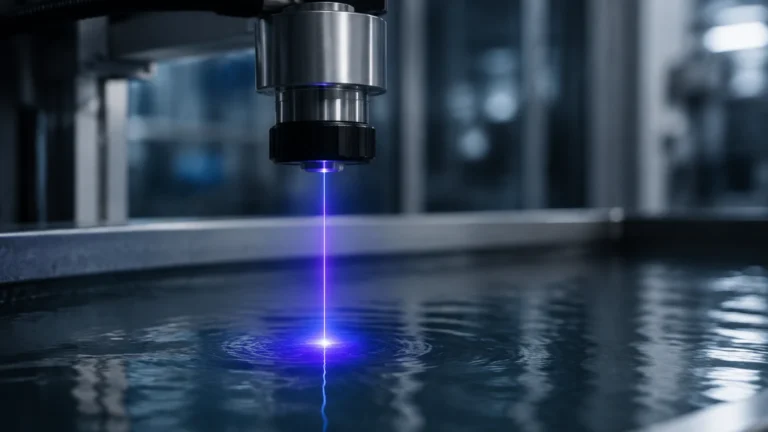
When configured as a radar level meter, the pma300 emits high-frequency electromagnetic waves (typically in the 26GHz or 80GHz range). These waves travel at the speed of light, reflect off the surface of the medium, and return to the sensor.
1. Time of Flight: The instrument measures the time interval between emission and reception.
2. Frequency Modulation (FMCW): High-end pma300 models often use Frequency Modulated Continuous Wave technology. The device emits a continuous signal with a constantly changing frequency. The difference between the emitted frequency and the received frequency is directly proportional to the distance to the product surface.
3. Dielectric Constant (εr): Radar reliability depends on the medium's ability to reflect electromagnetic energy. Materials with higher dielectric constants provide stronger return signals.
Ultrasonic Measurement
In ultrasonic configurations, the pma300 utilizes mechanical sound waves. The transducer emits an ultrasonic pulse that bounces off the liquid or solid surface.
* Speed of Sound: Unlike radar, ultrasonic waves are mechanical and depend on the medium (usually air) through which they travel.
* Temperature Compensation: Because the speed of sound varies with air temperature, the pma300 includes integrated temperature sensors to automatically correct distance calculations, ensuring accuracy across varying environmental conditions.
Technical Specifications and Features
The pma300 is engineered for durability and precision. While specific configurations vary based on the target medium, the following specifications are representative of the series' capabilities:
* Measurement Range: Typically spans from 0.3 meters (1 foot) up to 30 meters (98 feet) for liquids, with extended ranges up to 70 meters (230 feet) for specific solids-optimized models.
* Accuracy: High-frequency radar variants offer precision up to ±2 mm, while ultrasonic variants typically maintain ±0.25% of the full span.
* Process Temperature: Standard units operate between -40°C and +80°C (-40°F to 176°F), with high-temperature options available for specialized chemical processes.
* Output Signals: Supports standard 4-20mA analog outputs, often with HART protocol integration for digital communication and remote diagnostics.
* Housing Materials: Available in aluminum alloy or stainless steel with IP66/IP67 ingress protection ratings.
Selection Criteria for Pma300 Implementation
Choosing the correct pma300 configuration requires an analysis of the process environment. The following table serves as a general guide for selecting between technology types based on common industrial variables.
| Process Condition | Recommended Pma300 Technology | Reason for Selection |
| :— | :— | :— |
| Heavy Foam/Turbulence | Radar (High Frequency) | Radar waves penetrate foam more effectively than sound waves. |
| Vacuum or High Pressure | Radar | Radar waves do not require a medium (air) to travel. |
| Simple Water Storage | Ultrasonic | Cost-effective and highly reliable for non-volatile liquids. |
| Bulk Solids/Dusty Silos | Radar (26GHz/80GHz) | High-frequency radar can penetrate dust clouds that scatter sound. |
| Corrosive Acids | PTFE-Coated Radar/Ultrasonic | Ensures chemical compatibility and prevents sensor degradation. |
| Narrow Tanks | 80GHz Radar | Small beam angle (approx. 3°) avoids interference from tank walls. |
When evaluating these options, engineers should consult the Main Page of the manufacturer's technical database to confirm chemical compatibility charts and pressure-temperature curves.
Installation Guidelines and Best Practices
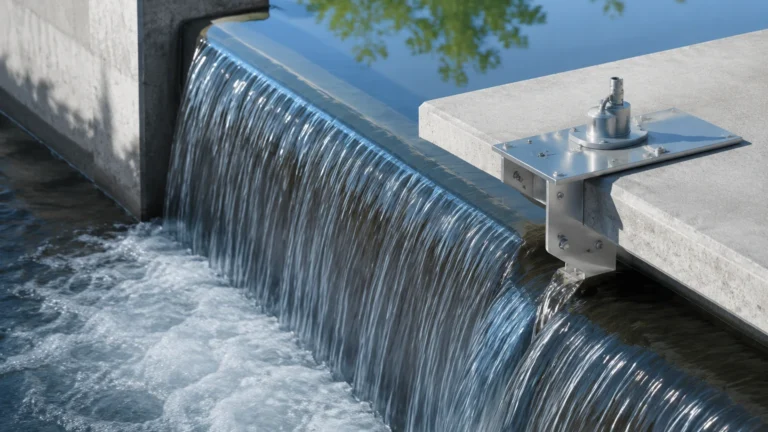
The performance of a pma300 instrument is heavily influenced by its physical installation. Even the most advanced sensor will provide inaccurate data if positioned incorrectly.
Positioning and Clearance
1. Avoid the Center: Do not install the pma300 in the exact center of a circular tank, as this can lead to multiple reflections (parabolic effect) that confuse the sensor.
2. The 1/6th Rule: Ideally, the sensor should be mounted at a distance of 1/6th of the tank diameter from the side wall.
3. Nozzle Height: If mounting on a nozzle, the sensor's antenna or transducer face should extend slightly beyond the nozzle bottom to prevent "ringing" or internal reflections within the pipe.
Internal Obstructions
The pma300 emits a signal beam that spreads as it travels. Any internal structures within this beam—such as heating coils, ladders, or agitators—will create false echoes.
* Beam Angle Awareness: A 26GHz radar might have a beam angle of 8° to 12°, whereas an 80GHz unit may have an angle as narrow as 3°. Narrower beams are preferred for tanks with complex internal geometries.
* False Echo Suppression: Most pma300 units feature software-based "echo mapping" which allows the user to program the device to ignore static reflections from known obstructions.
Environmental Protection
While the pma300 is robust, extreme conditions require additional safeguards. In outdoor installations, a sunshade is recommended to prevent excessive solar heating, which can affect the electronics and, in the case of ultrasonic units, create localized temperature gradients that skew readings.

Limitations and Operational Constraints
Every measurement technology has boundaries that, if exceeded, will result in failure or significant error. For the pma300, users must be aware of the following:
* Minimum Dielectric Constant: For radar-based pma300 units, the medium must have a dielectric constant (εr) of at least 1.4. For materials with lower εr (like certain liquefied gases), guided wave radar or contact-based hydrostatic transmitters may be necessary.
* Dead Zone (Blocking Distance): There is a minimum distance (typically 0.2m to 0.5m) from the sensor face where measurements cannot be taken. If the liquid level enters this zone, the reading will become static or error out.
* Heavy Steam and Condensation: While radar is largely unaffected by steam, heavy condensation on an ultrasonic transducer face can dampen the vibration, leading to a "loss of echo" signal.
Maintenance and Long-term Reliability
The pma300 is designed for low-maintenance operation, particularly in its non-contact forms. However, a routine inspection schedule is recommended to ensure continued accuracy.
1. Visual Inspection: Periodically check the sensor face for buildup. In applications involving crystallizing liquids or heavy dust, a film may form over the antenna. While many pma300 models can "see through" light buildup, heavy accumulation will eventually attenuate the signal.
2. Calibration Verification: Use a manual dip tape or reference point to verify the pma300's output at least once a year. If the deviation exceeds the specified tolerance, a field recalibration may be required.
3. Cable Glands and Seals: Ensure that cable entries remain sealed and that moisture hasn't entered the terminal compartment, which is a common cause of intermittent signal failure.
Frequently Asked Questions (FAQ)
Q: Can the pma300 be used in explosive atmospheres?
A: Yes, specific versions of the pma300 are available with Ex-proof (Explosion-proof) or Intrinsically Safe (IS) certifications, such as ATEX or IECEx, suitable for Zone 0, 1, or 2 environments.
Q: How does the pma300 handle agitated surfaces?
A: The pma300 utilizes digital filtering algorithms to average the signal and provide a stable level reading even when waves or turbulence are present. For extreme agitation, a stilling well may be recommended.
Q: Is the pma300 compatible with HART or Modbus?
A: Most pma300 instruments support 4-20mA with HART as standard. Modbus RS485 and Profibus options are often available upon request for integration into broader SCADA or PLC networks.
Q: What happens if the power is lost?
A: The pma300 features non-volatile memory. All configuration settings and calibration data are retained, and the device will resume normal operation immediately upon power restoration.
Conclusion
The pma300 is a critical component for industrial facilities requiring high-accuracy level monitoring. By understanding the distinction between radar and ultrasonic principles and adhering to strict installation protocols, operators can significantly reduce downtime and improve process consistency. For those looking to integrate these solutions into their specific infrastructure, it is advisable to Review product options and application support to ensure the selected hardware aligns with the chemical and physical properties of the target environment. Proper selection and maintenance of the pma300 ensure that it remains a reliable asset in the pursuit of industrial excellence.