Point Level Sensor
Point Level Sensor
In the landscape of industrial automation and process control, the point level sensor serves as a fundamental component for safety, efficiency, and inventory management. Unlike continuous level measurement systems that provide a constant stream of data regarding the exact volume or height of a substance, a point level sensor is designed to detect the presence or absence of material at a specific, predetermined height. This binary feedback—typically an "on/off" or "high/low" signal—is critical for preventing tank overflows (overfill protection), protecting pumps from running dry, and managing automated filling or emptying cycles.
Selecting the correct point level sensor requires a deep understanding of the physical properties of the medium, the environmental conditions of the vessel, and the mechanical constraints of the installation. This guide provides a comprehensive technical overview of point level detection technologies, selection criteria, and engineering best practices.
Measurement Principles of Point Level Sensors
To choose the right instrument, engineers must first understand the diverse physical principles used to detect material presence. Each technology has specific strengths depending on whether the medium is a liquid, a slurry, or a granular solid.
1. Float Switches (Buoyancy)
Float switches are among the most established technologies. They rely on a buoyant body containing a magnet that moves along a stem or pivots on a hinge. As the liquid level rises, the float moves, and its internal magnet actuates a hermetically sealed reed switch or a microswitch.
* Advantages: Simple, low cost, and requires no external power for the switch contact.
* Limitations: Mechanical parts are prone to wear and can be jammed by debris or high-viscosity liquids.
2. Vibrating Fork Sensors (Tuning Fork)
These sensors utilize a fork-shaped sensing element that is vibrated at its resonant frequency by internal piezoelectric crystals. When the fork is submerged in a liquid or covered by solids, the frequency of vibration changes or is dampened. The electronics detect this shift and trigger a switching output.
* Advantages: Highly reliable, unaffected by bubbles, foam, or vibration. Suitable for both liquids and fine-grained solids.
* Limitations: Not ideal for extremely sticky media that can bridge the gap between the tines.
3. Capacitance Level Sensors
Capacitance sensors treat the sensor probe and the vessel wall (or a second probe) as two plates of a capacitor. The material in the tank acts as the dielectric. As the level changes, the dielectric constant between the probes changes, altering the capacitance. When the capacitance reaches a set threshold, the sensor triggers.
* Advantages: No moving parts, handles high temperatures and pressures well.
* Limitations: Requires calibration and can be sensitive to material buildup on the probe unless "active shield" technology is used.
4. Conductive Level Probes
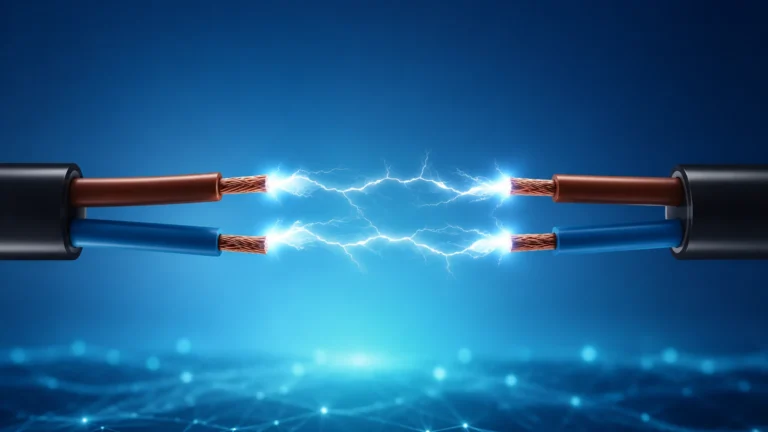
This method is used exclusively for conductive liquids (e.g., water, acids, alkalis). Two or more electrodes are placed in the tank. When the liquid touches the electrodes, an electrical circuit is completed through the medium, triggering the switch.
* Advantages: Extremely simple and cost-effective for water-based applications.
* Limitations: Cannot be used with non-conductive oils or hydrocarbons; prone to electrolysis if DC current is used.
5. Ultrasonic Point Level Sensors
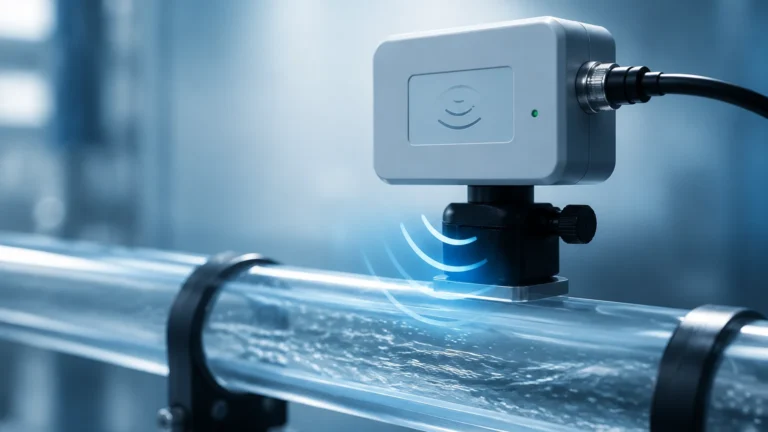
Ultrasonic gap sensors consist of two piezoelectric crystals separated by a small gap. One crystal transmits an ultrasonic signal, and the other receives it. When the gap is filled with liquid, the signal transmits efficiently; when filled with air, the signal is attenuated.
* Advantages: Non-contact (for some variations) and works well with hazardous or corrosive liquids.
* Limitations: Performance can be degraded by heavy foam or high-pressure vapors that change the speed of sound.
6. Rotating Paddle Switches
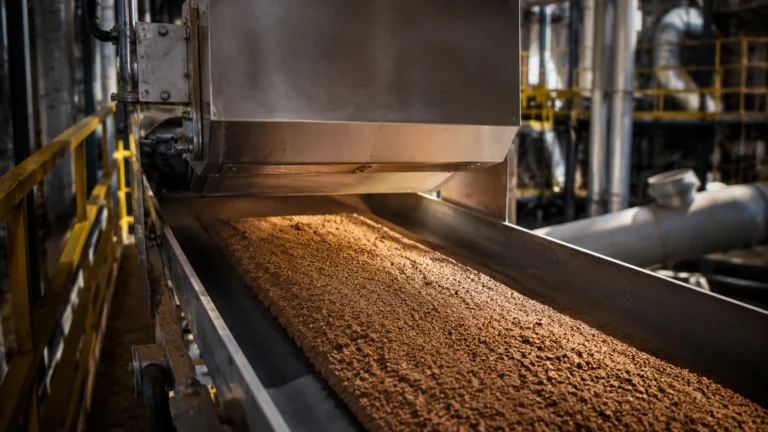
Designed specifically for bulk solids and powders, a small electric motor slowly rotates a paddle. When the material reaches the paddle, it creates resistance, causing the motor to tilt and actuate a switch while simultaneously cutting power to the motor.
* Advantages: Robust for heavy materials like sand, grain, or cement.
* Limitations: Mechanical wear and tear; not suitable for liquids.
Practical Selection Table
The following table provides a quick reference for matching sensor technology with common industrial requirements.
| Technology | Media Type | Best For | Viscosity Limit | Temp. Range (Typical) |
| :— | :— | :— | :— | :— |
| Float Switch | Clean Liquids | Water, Fuel | Low (< 500 cPs) | -40°C to 150°C |
| Vibrating Fork | Liquids/Solids | Overfill Protection | Medium (< 10,000 cPs) | -50°C to 250°C |
| Capacitance | Liquids/Solids | Corrosive Media | High (with coating rejection) | -100°C to 400°C |
| Conductive | Conductive Liquids | Wastewater, Acids | Low | -20°C to 100°C |
| Rotating Paddle | Bulk Solids | Grain, Mining | N/A (Solids only) | -20°C to 80°C |
| Optical | Clean Liquids | Leak Detection | Low | -20°C to 125°C |
Installation Considerations
Proper installation is as critical as sensor selection. Even the most advanced point level sensor will fail if placed incorrectly within the process vessel.
Mounting Position
* Top Mounting: Usually involves long probes or cables. It is ideal for high-level alarms where the sensor remains dry most of the time.
* Side Mounting: Allows for precise detection at a specific height. However, side-mounted sensors are more exposed to mechanical stresses from falling material or turbulent flow.
Turbulence and Agitation
In tanks with mixers or high-velocity inflow, sensors like float switches or vibrating forks can be physically damaged or provide false readings. In such cases, a still-well (a perforated pipe installed around the sensor) should be used to provide a calm environment for measurement.
Dead Zones and Nozzles
Ensure that the sensing element extends beyond the mounting nozzle into the tank. If a vibrating fork or capacitance probe is recessed within a narrow nozzle, material can become trapped (bridging), leading to a permanent "high" signal even when the tank is empty.
Orientation of Vibrating Forks
When installing vibrating forks for solids, the tines should be oriented vertically (or at a specific angle recommended by the manufacturer) so that material can easily flow off them, preventing false triggers caused by buildup.
Limitations and Common Risks
While point level sensors are generally robust, certain conditions present risks to their accuracy:
1. Material Buildup (Coating): In sticky applications like molasses or wastewater sludge, material may coat the sensor. Capacitance and vibrating fork sensors are particularly susceptible unless they feature "coating rejection" electronics or specific geometries.
2. Foam and Bubbles: Many sensors struggle to distinguish between the actual liquid level and a thick layer of foam. For instance, ultrasonic and optical sensors may trigger on the foam surface rather than the liquid.
3. Dielectric Constant Changes: Capacitance sensors rely on a stable dielectric constant ($ε_r$). If the process involves different liquids with varying $ε_r$ values, the sensor may require recalibration for each batch.
4. Pressure and Vacuum: Mechanical seals and housing materials must be rated for the process pressure. High-vacuum applications can cause outgassing in certain materials, affecting sensor performance.
Frequently Asked Questions (FAQs)
Q: Can a vibrating fork sensor be used for both high and low-level detection?
A: Yes. Most vibrating fork sensors can be configured for "fail-safe high" (de-energize when covered) or "fail-safe low" (de-energize when uncovered) to ensure safety in the event of a power failure.
Q: How do I choose between a point level sensor and a continuous level transmitter?
A: Use a point level sensor if you only need to trigger an alarm or a pump. Use a continuous transmitter (like radar or ultrasonic) if you need to know the exact percentage of volume for inventory management or complex process control.
Q: What is the best sensor for detecting the interface between oil and water?
A: Capacitance sensors are often the best choice for interface detection because oil and water have significantly different dielectric constants (approx. 2.0 for oil vs. 80 for water).
Q: Is maintenance required for non-mechanical sensors?
A: While they have no moving parts, non-mechanical sensors should still be inspected periodically for corrosion, scaling, or significant material buildup that could impede the sensing element.
Conclusion
Selecting a point level sensor is a balance between the physical properties of the medium and the operational requirements of the facility. By understanding the underlying measurement principles—from the mechanical simplicity of a float to the electronic precision of a vibrating fork—engineers can implement reliable safety and control systems. For detailed technical specifications and to view a full range of industrial instrumentation, engineers can visit the Welk Main Page for product options and application support.
When specifying a sensor, always confirm the chemical compatibility of the wetted parts (e.g., 316L Stainless Steel, Hastelloy, or PTFE) and ensure the electrical output (PNP/NPN, Relay, or NAMUR) is compatible with your PLC or control system. Following these guidelines ensures long-term reliability and minimizes the risk of costly process interruptions.