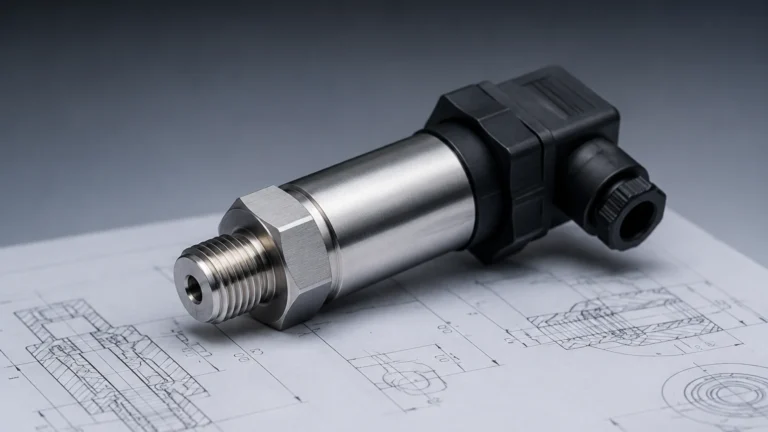
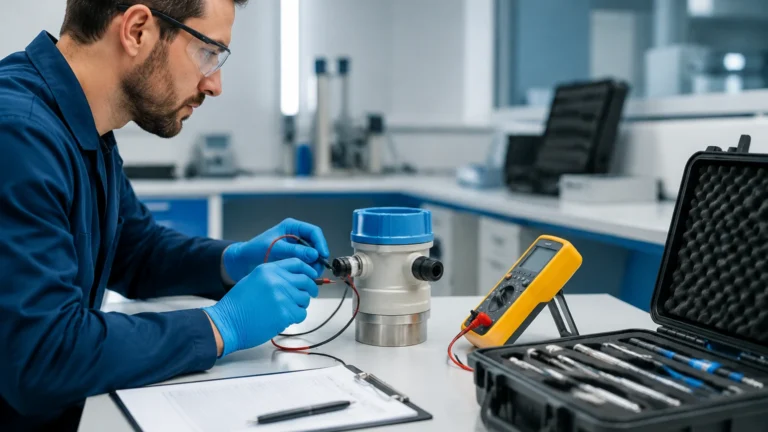
Pressure Measurement Equipment
Pressure Measurement Equipment
In industrial process automation, pressure measurement equipment serves as a fundamental pillar for ensuring operational safety, efficiency, and accurate inventory management. Whether monitoring the pressure within a steam boiler, measuring the flow rate across an orifice plate, or determining the liquid level in a deep-well reservoir, the selection of the correct instrumentation is critical. For engineers and procurement professionals, understanding the underlying physics and the specific technical requirements of an application is the first step toward a reliable installation.
Pressure measurement is not a singular technology but a category of instruments designed to quantify the force exerted by a fluid (liquid or gas) per unit area. In the context of industrial level measurement, pressure instruments—specifically hydrostatic transmitters—are widely utilized to infer the height of a liquid based on the weight of the fluid column above the sensor. This article provides a technical overview of pressure measurement equipment, its operating principles, and the criteria for selecting the right solution for demanding industrial environments.
Fundamental Principles of Pressure Measurement
Before selecting pressure measurement equipment, it is essential to distinguish between the different types of pressure references used in industrial settings. Each reference serves a specific purpose depending on whether the process is open to the atmosphere or contained within a pressurized vessel.
Gauge Pressure
Gauge pressure is measured relative to the local atmospheric pressure. It is the most common form of measurement in industrial applications, such as monitoring pipe pressure or tank levels in vented vessels. When the process pressure equals the atmospheric pressure, the gauge reading is zero.
Absolute Pressure
Absolute pressure is measured relative to a perfect vacuum (zero pressure). This is critical in applications where atmospheric pressure fluctuations could interfere with the accuracy of the reading, such as in vacuum distillation columns or high-altitude aerospace applications.
Differential Pressure (DP)
Differential pressure is the difference between two pressure points. DP transmitters are the workhorse of the industry, used for measuring flow (by detecting pressure drops across a restriction), filter clogging, and liquid level in pressurized tanks. In level applications, one side of the transmitter measures the total pressure at the bottom of the tank, while the other side compensates for the gas pressure in the headspace.
Hydrostatic Pressure
Hydrostatic pressure is the pressure exerted by a fluid at equilibrium due to the force of gravity. The relationship is defined by the formula:
P = ρ × g × h
Where:
* P is the hydrostatic pressure (Pa or bar).
* ρ (rho) is the density of the liquid (kg/m³).
* g is the gravitational acceleration (approximately 9.81 m/s²).
* h is the height of the liquid column (m).
By measuring the pressure at the base of a tank and knowing the density of the medium, pressure measurement equipment can accurately calculate the liquid level. This principle is widely applied by manufacturers like Welk to provide reliable level data in water treatment and chemical processing.
Types of Pressure Measurement Equipment
Industrial pressure instruments utilize various sensing technologies to convert physical force into a readable signal, typically a 4-20mA or digital output (HART, Modbus).
1. Piezoresistive Sensors
These sensors consist of a diaphragm with integrated strain gauges. When pressure is applied, the diaphragm deforms, changing the electrical resistance of the strain gauges. These are highly sensitive and commonly used in hydrostatic level transmitters due to their stability and precision.
2. Capacitive Pressure Sensors
Capacitive sensors measure the change in electrical capacitance between a flexible diaphragm and a fixed metal plate. As pressure moves the diaphragm, the capacitance changes. These sensors are known for their robustness and ability to handle high overpressure conditions without permanent damage.
3. Bourdon Tube Gauges
Used primarily for local mechanical indication, the Bourdon tube is a coiled or C-shaped metal tube that tends to straighten under pressure. While they do not typically provide an electronic signal, they remain essential for manual monitoring and safety backups in plant environments.
4. Submersible Pressure Transmitters
Specifically designed for level measurement in open wells, boreholes, and reservoirs, these instruments are housed in waterproof (IP68) casings. They are lowered into the liquid, and a vented cable allows the sensor to compensate for changes in atmospheric pressure, ensuring an accurate gauge pressure reading of the liquid depth.
Selection Criteria for Industrial Applications
Choosing the right pressure measurement equipment requires a thorough evaluation of the process conditions. Failure to account for chemical compatibility or temperature extremes can lead to premature sensor failure or inaccurate data.
Media Compatibility
The wetted materials of the sensor must be resistant to the process fluid. While 316L stainless steel is standard, aggressive chemicals like hydrochloric acid or seawater may require specialized materials such as Hastelloy C, Tantalum, or PTFE coatings. For food and beverage applications, hygienic diaphragms that prevent bacterial growth are mandatory.
Pressure Range and Overpressure
The instrument should be selected so that the normal operating pressure falls within 50% to 75% of the sensor's full-scale range. Furthermore, the equipment must be rated for potential "pressure spikes" or overpressure events. A sensor with a 10 bar range should ideally have an overpressure rating of at least 2x or 3x to prevent rupture during process upsets.
Accuracy and Stability
In B2B industrial environments, accuracy is typically defined as a percentage of the Full Scale (FS). High-precision transmitters offer accuracies of ±0.1% FS or better, while general-purpose indicators may range from ±0.5% to ±1.0% FS. Long-term stability is equally important, as it determines how often the device requires recalibration.
Environmental Factors
Consider the ambient temperature and the potential for moisture ingress. In hazardous areas (oil and gas, chemical plants), equipment must be certified as intrinsically safe (Ex ia) or explosion-proof (Ex d). For outdoor installations, lightning protection and UV-resistant cabling are necessary for longevity.
Comparison of Pressure Measurement Technologies
| Technology | Primary Use Case | Advantages | Limitations |
| :— | :— | :— | :— |
| Hydrostatic (Submersible) | Deep wells, water tanks | Easy installation, cost-effective | Sensitive to density changes |
| Differential Pressure | Pressurized tanks, flow | High versatility, accurate | Complex piping (impulse lines) |
| Piezoresistive Transmitters | General process piping | High sensitivity, compact | Temperature sensitive |
| Diaphragm Seals | Corrosive or viscous media | Protects sensor from media | Adds complexity to calibration |
Installation and Maintenance Considerations
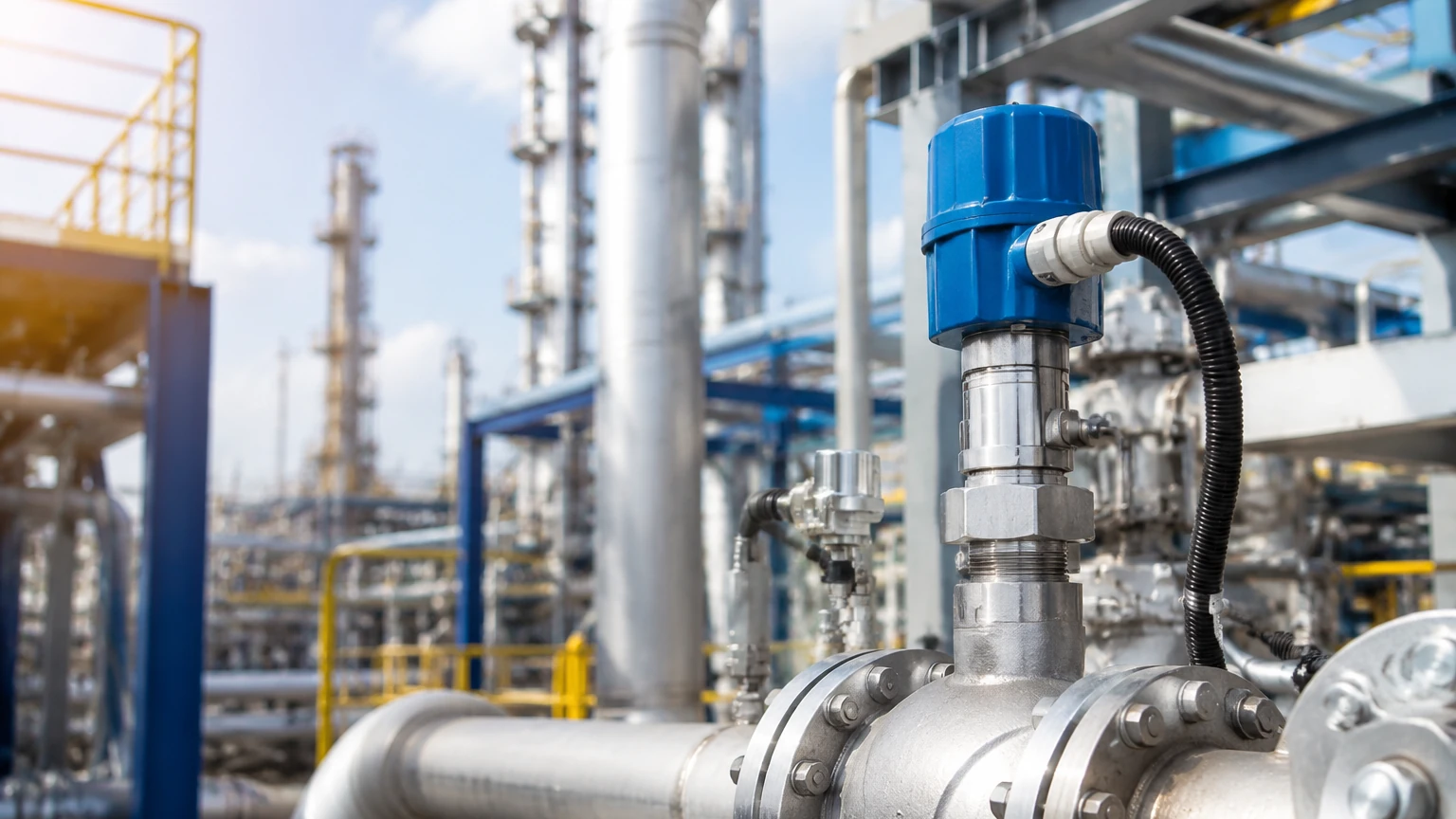
Proper installation is vital for the performance of pressure measurement equipment. For hydrostatic level measurement, the sensor should be located at a point where the fluid is relatively still to avoid "noise" from turbulence or agitators.
Impulse Line Management
In differential pressure setups, impulse lines (the small-bore pipes connecting the process to the transmitter) must be sloped correctly. For gas applications, they should slope upward to allow condensate to drain back into the process; for liquid applications, they should slope downward to prevent gas bubbles from being trapped.
Zero Point Calibration
After installation, it is standard practice to perform a zero-point calibration. This accounts for the mounting position and any static pressure heads created by the installation hardware. Regular maintenance should include checking for clogging in the pressure ports and inspecting the diaphragm for signs of corrosion or pitting.
Use of Manifolds
For pressure transmitters, a 3-way or 5-way valve manifold is highly recommended. This allows the instrument to be isolated from the process for maintenance or calibration without shutting down the entire line.
Common Risks and Limitations
While pressure measurement is a mature technology, several factors can compromise its reliability:
1. Temperature Drift: Rapid changes in process temperature can cause the sensor materials to expand or contract, leading to measurement errors. High-quality transmitters include internal temperature compensation to mitigate this.
2. Density Variations: Since hydrostatic level measurement relies on fluid density, any change in the liquid's composition or temperature (which affects density) will result in a level error. If density varies significantly, a different technology, such as radar level meters, may be more appropriate.
3. Clogging: In wastewater or slurries, the small pressure ports of a standard transmitter can become blocked. In these cases, a flush-diaphragm design is necessary to ensure the sensor remains in contact with the media.
For a comprehensive look at how these instruments integrate into broader automation systems, you can Review product options and application support on the Welk Main Page.
Frequently Asked Questions (FAQ)
Q: What is the difference between a pressure sensor and a pressure transmitter?
A: A pressure sensor is the basic element that detects pressure, whereas a pressure transmitter includes the sensor plus electronic circuitry to condition the signal and output a standardized industrial signal (like 4-20mA).
Q: Can I use a standard pressure transmitter to measure level in a sealed tank?
A: Only if the headspace pressure is constant and known. If the headspace pressure varies, you must use a differential pressure transmitter to subtract the gas pressure from the total pressure at the bottom.
Q: How often should pressure measurement equipment be calibrated?
A: Most industrial standards recommend an annual calibration check, though critical safety applications or harsh environments may require more frequent verification.
Q: Does the length of the cable affect the accuracy of a submersible level sensor?
A: For 4-20mA signals, cable length has minimal impact on accuracy over several hundred meters, provided the power supply voltage is sufficient to overcome the loop resistance. However, the atmospheric vent tube within the cable must remain unobstructed.
By carefully matching the technical specifications of pressure measurement equipment to the unique demands of the application, engineers can ensure long-term reliability and precise control over their industrial processes.