Pressure Transmitter 0 25bar
Pressure Transmitter 0 25bar
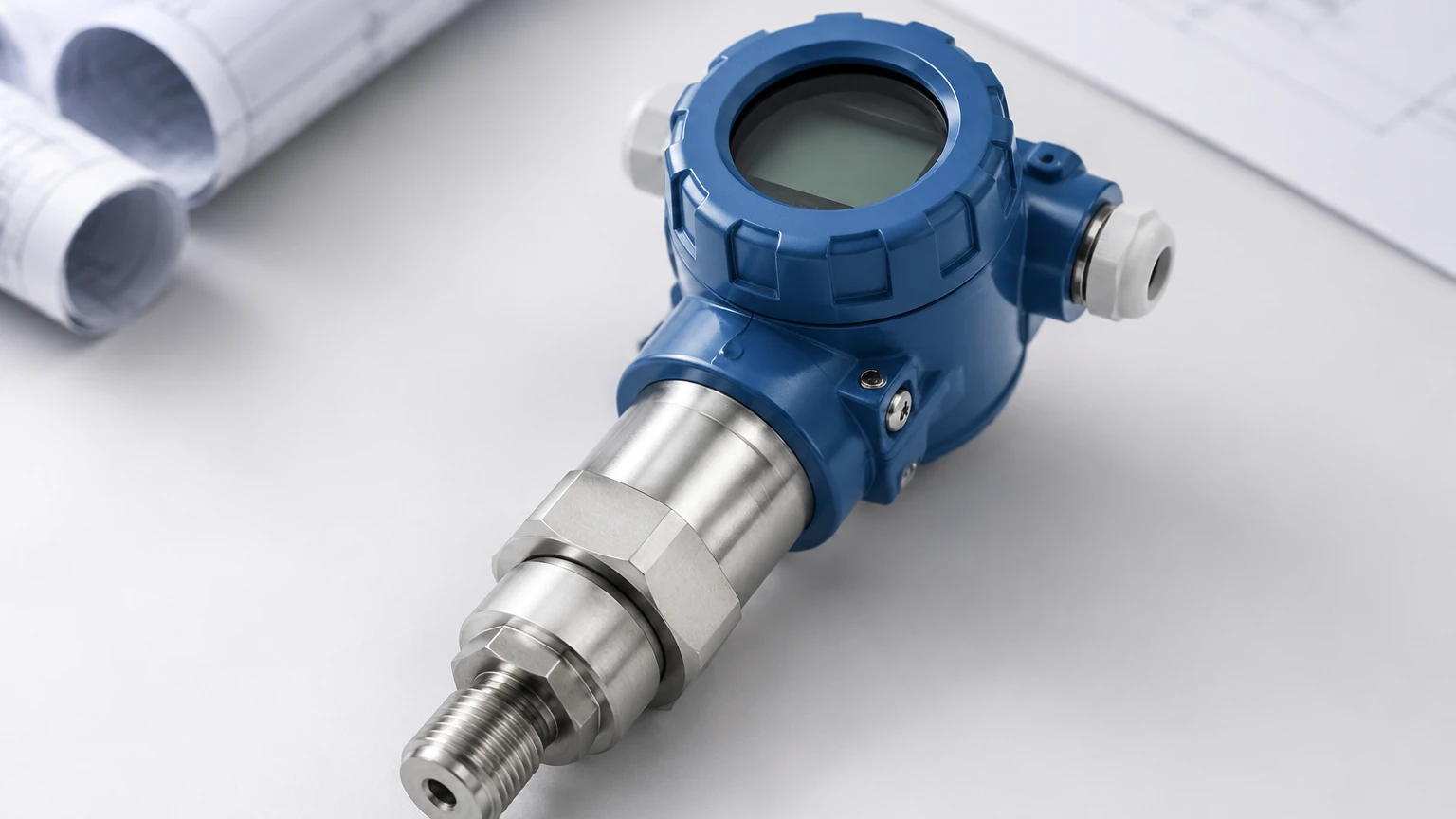
In the landscape of industrial automation and process control, the pressure transmitter 0 25bar serves as a fundamental component for monitoring and managing system pressures. This specific range—covering 0 to 2.5 megapascals (MPa) or approximately 0 to 362.6 pounds per square inch (psi)—is a versatile mid-pressure bracket suitable for a wide array of applications, from municipal water distribution to hydraulic power units. Understanding the technical nuances, measurement principles, and installation requirements of these devices is essential for engineers and procurement professionals aiming to ensure system reliability and safety.
Understanding Pressure Measurement Principles
Before selecting a pressure transmitter 0 25bar, it is critical to understand the underlying technology that converts physical force into an electrical signal. Most modern industrial pressure transmitters utilize one of three primary sensing principles:
Piezoresistive Sensors
Piezoresistive technology is the most common for the 25 bar range. These sensors consist of a diaphragm with integrated strain gauges. When pressure is applied, the diaphragm deforms, causing a change in the electrical resistance of the gauges (the piezoresistive effect). This change is typically measured using a Wheatstone bridge circuit. Piezoresistive sensors are favored for their high sensitivity, stability, and ability to be miniaturized.
Ceramic Thick-Film Sensors
In applications involving aggressive chemicals or abrasive media, ceramic sensors are often preferred. These operate on a capacitive or piezoresistive principle but use a ceramic base (typically Al2O3). The ceramic material provides excellent corrosion resistance and mechanical robustness, making it ideal for the 0-25 bar range in chemical processing where stainless steel might fail.
Metal Thin-Film Sensors
For high-cycle applications, such as hydraulics, metal thin-film sensors are frequently employed. These sensors involve sputtering strain gauges directly onto a stainless-steel diaphragm. This construction offers superior long-term stability and resistance to pressure spikes and vibrations, which are common in 25 bar hydraulic systems.
Technical Specifications and Evaluation Criteria
When evaluating a pressure transmitter 0 25bar, several technical parameters must be confirmed to ensure compatibility with the control system and the environment.
Output Signals
The industry standard for industrial transmitters is the 4-20mA current loop. This signal is highly resistant to electrical noise and can be transmitted over long distances without significant signal loss. Other options include:
- 0-10V DC: Common in HVAC and building automation.
- RS485/Modbus: Used for digital integration and multi-drop networks.
- HART Protocol: Allows for digital communication over the 4-20mA signal for remote configuration and diagnostics.
Accuracy Classes
Accuracy is usually expressed as a percentage of the Full Scale (FS). For a 25 bar transmitter, common accuracy classes include:
- 0.5% FS: Standard industrial grade (±0.125 bar error).
- 0.25% FS: High precision for critical process control.
- 0.1% FS: Laboratory or calibration grade.
Process Connections
The physical interface between the transmitter and the pipe or vessel is vital. Common standards include:
- G1/2 or G1/4 (BSP): Common in Europe and Asia.
- 1/2" NPT or 1/4" NPT: Standard in North America.
- Flanged Connections: Used for high-pressure or hygienic applications.
Selection Table: Comparing Sensor Technologies for 25 Bar
| Feature | Piezoresistive (Silicon) | Ceramic Thick-Film | Metal Thin-Film |
| :— | :— | :— | :— |
| Best Use Case | General Purpose / Water | Corrosive Media | Hydraulics / Vibration |
| Chemical Resistance | Moderate (Requires 316L) | Excellent | Good |
| Overpressure Limit | 2x to 3x FS | 1.5x to 2x FS | 3x to 5x FS |
| Temperature Stability | High (Compensated) | Moderate | Very High |
| Cost | Economical | Mid-range | Premium |
Industrial Applications for the 0-25 Bar Range
The 25 bar pressure range is a "sweet spot" for many industrial sectors. It covers pressures high enough for power transmission but low enough for standard piping schedules.
Water Treatment and Distribution
In municipal water systems, 25 bar transmitters monitor pump discharge pressures and line pressures in high-rise buildings. They are also used in reverse osmosis (RO) desalination plants where feed pressures often fall within the 15-25 bar range.
Hydraulic Systems
While heavy hydraulics can exceed 400 bar, many auxiliary hydraulic circuits and lubrication systems operate at pressures up to 25 bar. The pressure transmitter 0 25bar provides the feedback necessary to maintain constant pressure in these systems, preventing component wear and ensuring smooth operation.
Hydrostatic Level Measurement
As a manufacturer of industrial level measurement instruments, Welk provides solutions where pressure transmitters are used to calculate the level of liquids in deep tanks or pressurized vessels. Since 1 bar of pressure roughly corresponds to 10.2 meters of water column, a 25 bar transmitter can measure liquid levels up to approximately 250 meters, making it suitable for deep wells and large-scale reservoirs. For more information on integrated level and pressure solutions, you may visit the Main Page.
Pneumatic Systems
High-pressure pneumatic systems, especially those used in PET bottle blowing or heavy-duty industrial air tools, often operate in the 20-25 bar range. Precise pressure control is essential here to ensure product quality and energy efficiency.
Installation and Commissioning Guidelines
Proper installation is paramount to the longevity and accuracy of a pressure transmitter 0 25bar. Incorrect mounting can lead to signal drift or mechanical failure.
1. Orientation: While most transmitters can be mounted in any orientation, it is best to mount them vertically with the pressure port facing downwards. This prevents sediment or moisture from accumulating on the diaphragm.
2. Impulse Lines: If the process media is extremely hot (e.g., steam), use a siphon or an impulse line to cool the media before it reaches the sensor. Most transmitters have a maximum operating temperature of 85°C to 100°C.
3. Sealing: Use appropriate sealing materials like PTFE tape for NPT threads or bonded seals (Dowty washers) for BSP threads. Ensure the material is chemically compatible with the process fluid.
4. Electrical Grounding: Ensure the transmitter housing is properly grounded to prevent electrical interference, especially in environments with large motors or VFDs.
5. Zero Adjustment: After installation, it is often necessary to perform a zero-point calibration to account for mounting position effects or atmospheric pressure variations.
Limitations and Maintenance
Despite their robustness, 0-25 bar pressure transmitters have limitations that must be managed.
Overpressure and Pressure Spikes
Exceeding the rated overpressure limit (typically 150% to 300% of the 25 bar range) can permanently deform the diaphragm, leading to inaccurate readings or total failure. In systems prone to water hammer or hydraulic shocks, a pressure snubber should be installed to dampen these spikes.
Temperature Drift
All sensors experience some degree of thermal drift. While modern transmitters include internal temperature compensation, extreme ambient or process temperatures can still affect accuracy. Always check the "Total Error Band" (TEB) which includes temperature effects.
Maintenance Schedule
- Visual Inspection: Monthly checks for leaks or corrosion at the process connection.
- Calibration Verification: Depending on the criticality of the process, transmitters should be verified against a master gauge every 6 to 12 months.
- Cleaning: For viscous or crystallizing media, the diaphragm may need periodic cleaning. Use a soft cloth and compatible solvent; never use sharp objects to clean the sensor face.
Frequently Asked Questions (FAQs)
Q: Can I use a 0-25 bar transmitter for a 10 bar application?
A: Yes, but you will lose resolution. It is generally recommended to select a range where your normal operating pressure is between 50% and 75% of the full scale. For a 10 bar application, a 0-16 bar transmitter might be more precise.
Q: What is the difference between gauge pressure and absolute pressure?
A: A gauge pressure transmitter (the most common type) measures pressure relative to atmospheric pressure. An absolute pressure transmitter measures relative to a perfect vacuum. For most 25 bar industrial applications, gauge pressure is the standard.
Q: Is a pressure transmitter 0 25bar suitable for steam?
A: Yes, provided a pigtail siphon or cooling tower is used to protect the electronics from high temperatures. You must also ensure the wetted materials are compatible with steam and any boiler treatment chemicals.
Q: What does IP67 mean for these devices?
A: IP67 indicates the ingress protection rating. It means the transmitter is dust-tight and protected against the effects of temporary immersion in water (up to 1 meter for 30 minutes). This is standard for most outdoor or wash-down industrial environments.
Conclusion
The pressure transmitter 0 25bar is a workhorse of industrial instrumentation. By selecting the appropriate sensor technology, ensuring correct installation, and adhering to a regular maintenance schedule, operators can achieve precise control over their processes. Whether used for direct pressure monitoring in a hydraulic line or as a hydrostatic level sensor in a deep well, these devices provide the critical data needed for modern industrial automation. For technical support and a comprehensive range of measurement instruments, professionals are encouraged to consult specialized manufacturers to find the optimal fit for their specific application requirements.