Psi Screen
Psi Screen
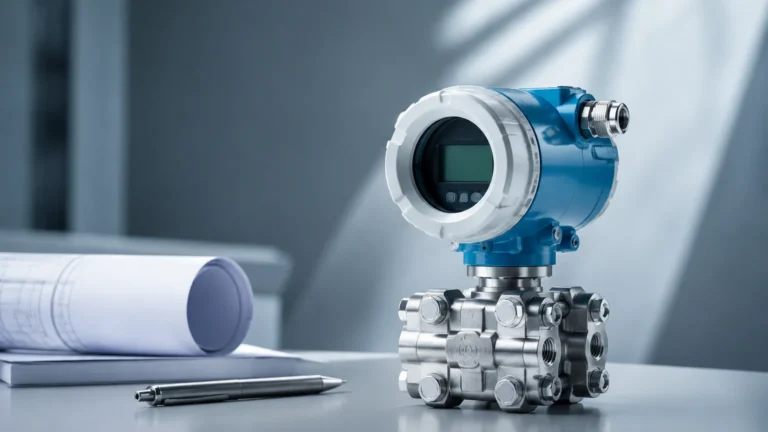
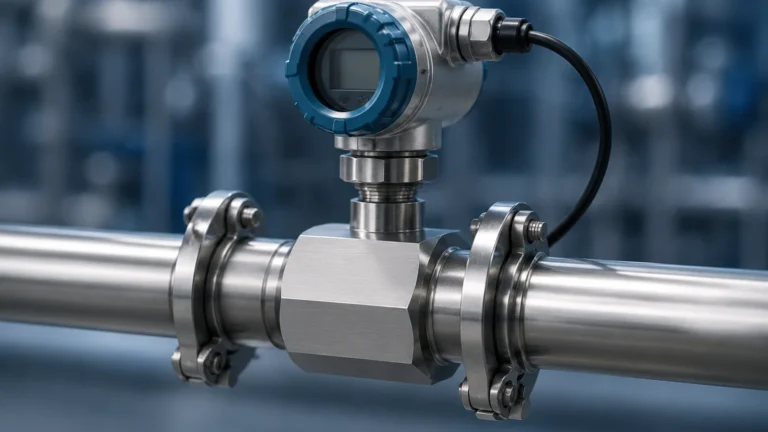
In the field of industrial process control, the term "psi screen" often refers to two distinct but equally critical components in level and pressure measurement systems: the digital interface that displays real-time pressure data (measured in pounds per square inch) and the physical protective screening or filtration used to shield sensitive sensing elements from debris. For engineers and facility managers, understanding the nuances of these components is essential for maintaining the accuracy and longevity of instrumentation in water treatment, chemical processing, and oil and gas applications.
As a professional manufacturer of industrial level measurement instruments, Welk provides a range of solutions where the psi screen—both as a display and a physical barrier—plays a pivotal role. This guide explores the engineering principles, selection criteria, and maintenance requirements for these systems to ensure reliable performance in demanding environments.
Measurement Principles: Converting Pressure to Level
Before evaluating a psi screen, it is necessary to understand the underlying physics of hydrostatic level measurement. Most industrial pressure-based level sensors operate on the principle that the pressure at the bottom of a liquid column is directly proportional to the height of that liquid.
The Hydrostatic Equation
The relationship is defined by the formula:
P = ρ × g × h
Where:
* P is the hydrostatic pressure.
* ρ (rho) is the density of the liquid.
* g is the gravitational constant.
* h is the height of the liquid.
In practical English units, approximately 2.31 feet of water creates 1 psi of pressure. In metric units, 1 meter of water column (mH2O) exerts approximately 0.098 bar (1.42 psi). When a sensor detects this pressure, the internal electronics convert the signal into a readable format. This data is then transmitted to a local psi screen or a centralized control system. For those seeking comprehensive instrumentation options, the Main Page of specialized manufacturers offers a detailed look at how these sensors are integrated into broader automation frameworks.
Signal Transduction
Modern transmitters use piezoresistive or capacitive sensing elements. As liquid level rises, the pressure against the diaphragm increases, altering the electrical resistance or capacitance. The transmitter’s microprocessor then scales this electrical change into a pressure value (PSI) or a level value (meters/feet), which is ultimately rendered on the digital psi screen for the operator.
The Role of Digital PSI Screens in Local Monitoring
The digital psi screen serves as the primary human-machine interface (HMI) at the point of measurement. While many systems transmit data via 4-20mA, HART, or Modbus protocols to a control room, local displays remain indispensable for several reasons:
1. On-site Calibration: Technicians use the local screen to verify zero and span settings during commissioning without needing to communicate with the control room.
2. Troubleshooting: If a PLC (Programmable Logic Controller) reports an error, a local psi screen helps determine if the fault lies in the sensor itself or the transmission loop.
3. Safety Redundancy: In the event of a power failure or signal loss in the main control system, a battery-powered or loop-powered local display provides a critical backup for manual monitoring.
Welk’s instrumentation often features high-contrast LCD or LED screens designed for visibility in direct sunlight or dimly lit industrial corridors. These screens are frequently housed in NEMA 4X or IP67-rated enclosures to withstand harsh environmental conditions.
Physical PSI Screens: Protecting the Sensing Element
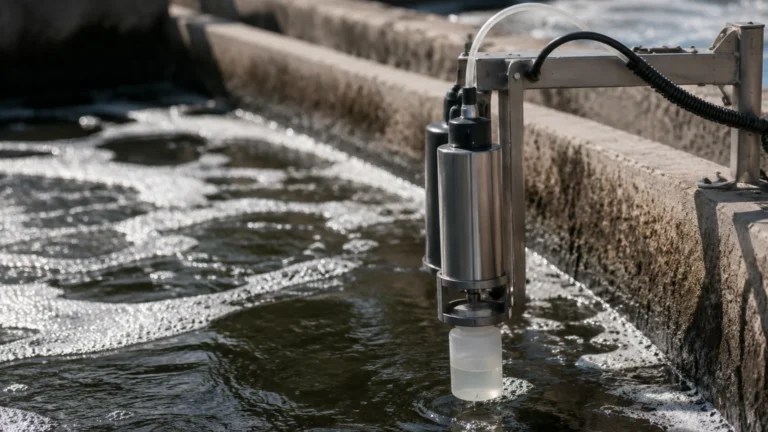
In many applications, particularly in wastewater, open-channel flow, or deep-well monitoring, the term "psi screen" refers to the physical protective cage or filter surrounding a submersible pressure transducer. Because these sensors are submerged directly into the medium, they are vulnerable to silt, biological growth, and floating debris.
The Protective Nose Cone
Submersible transmitters, such as those used in groundwater monitoring, typically feature a "nose cone" with a built-in screen. This screen allows the fluid to exert pressure on the internal diaphragm while preventing solids from making physical contact. If a solid object strikes the thin metallic diaphragm, it can cause permanent deformation, leading to a "shift" in calibration or total sensor failure.
Sludge and Clogging Prevention
In heavy sludge or wastewater applications, a standard fine-mesh screen may clog, leading to false pressure readings. In these instances, engineers often specify "clog-resistant" screens or large-diameter diaphragms that do not require a fine-mesh filter. Choosing the correct physical psi screen configuration is a balance between protecting the sensor and ensuring the fluid can flow freely enough to provide an accurate pressure reading.
Selection Criteria for PSI Screens and Displays
When selecting a level measurement system with an integrated psi screen, several technical factors must be evaluated to ensure compatibility with the process media.
Material Compatibility
The housing and the screen material must be chemically resistant to the liquid. Common materials include:
* 316L Stainless Steel: Standard for water and mildly corrosive chemicals.
* PVC/CPVC: Used for highly corrosive acids where metals would fail.
* PTFE/Teflon Coating: Applied to screens and diaphragms to prevent the adhesion of sticky substances.
Table: Comparison of PSI Screen and Display Types
| Feature | Submersible Protective Screen | Local Digital Display (Transmitter) | Remote HMI / Panel Screen |
| :— | :— | :— | :— |
| Primary Function | Physical protection of diaphragm | Local data visualization & setup | System-wide monitoring & logging |
| Common Units | N/A (Mechanical) | PSI, Bar, mH2O, Feet | Multi-unit configurable |
| Environment | Submerged (IP68) | Outdoor/Industrial (IP65/67) | Controlled Environment (IP20/54) |
| Maintenance | Periodic cleaning of debris | Calibration check | Software updates/Backups |
| Key Risk | Clogging/Silt buildup | UV damage/Display fogging | Signal latency/Network failure |

Installation and Maintenance Considerations
Proper installation is critical to the accuracy of the data shown on any psi screen. For hydrostatic sensors, the position of the sensor relative to the tank bottom or the flow stream can significantly impact results.
Avoiding Turbulence
If a sensor is placed near an inlet pipe or an agitator, the kinetic energy of the moving fluid can create "dynamic pressure" that adds to the hydrostatic pressure. This results in an artificially high reading on the psi screen. Using a stilling well—a vertical pipe that dampens turbulence—is a common engineering solution to provide a stable environment for the sensor.
Atmospheric Venting
For a psi screen to display "gauge pressure" (pressure relative to the atmosphere), the back of the sensing diaphragm must be vented to the air. This is usually achieved through a small vent tube integrated into the sensor cable. If this vent tube becomes blocked or crimped, the psi screen will fluctuate as the local barometric pressure changes, leading to inaccuracies of several inches of water column.
Cleaning Protocols
Physical screens should be inspected regularly. In water treatment applications, bio-fouling (algae growth) can bridge the openings of a psi screen, creating a sealed chamber that no longer reflects the true tank level. A simple maintenance schedule involving a soft-bristle brush or a low-pressure water rinse can extend the life of the instrument significantly.
Limitations and Common Challenges
While psi screens and the sensors they support are highly reliable, they are not universal solutions. Engineers must be aware of the following limitations:
* Density Variations: Since the pressure-to-level conversion depends on liquid density, any change in the fluid's temperature or concentration will affect the psi screen accuracy. If a tank holds brine one day and fresh water the next, the screen must be recalibrated for the new specific gravity.
* Viscous Media: Highly viscous fluids may not flow easily through a fine physical screen. In these cases, a flush-diaphragm transmitter without a screen is often preferred.
* Vapor Pressure: In sealed pressurized tanks, the psi screen at the bottom of the tank measures both the liquid head and the gas pressure above it. To get an accurate level, a differential pressure (DP) transmitter must be used to subtract the head pressure from the total pressure.
Frequently Asked Questions (FAQs)
Q: Can a psi screen be used to measure the level of non-water liquids?
A: Yes, but the display must be scaled according to the specific gravity of the liquid. For example, oil is less dense than water, so a 10-meter tank of oil will exert less PSI than a 10-meter tank of water.
Q: What should I do if the digital psi screen is blank?
A: First, check the power supply or loop current. Most industrial transmitters require 12-36V DC. If the loop current is below 3.8mA, the transmitter may have an internal fault or the wiring may be compromised.
Q: How often should the physical protective screen be replaced?
A: The screen itself rarely needs replacement unless it is mechanically damaged or severely corroded. However, it should be cleaned whenever there is a noticeable lag in the sensor's response to level changes.
Q: Is a local psi screen necessary if I have a SCADA system?
A: While not strictly required for operation, it is highly recommended for safety and ease of maintenance. It allows for "sanity checks" where an operator can compare the physical reality at the tank with the data shown in the control room.
Conclusion
Whether it is the interface that communicates vital process data or the mechanical guard that ensures sensor integrity, the psi screen is a fundamental element of modern level measurement. By selecting the appropriate materials, ensuring correct installation, and performing routine maintenance, industrial operators can achieve high precision and long-term reliability. For further technical specifications and to explore a wide array of measurement technologies, professionals are encouraged to Review product options and application support to find the ideal match for their specific industrial requirements.