Pump Skid Flow Meter
Pump Skid Flow Meter
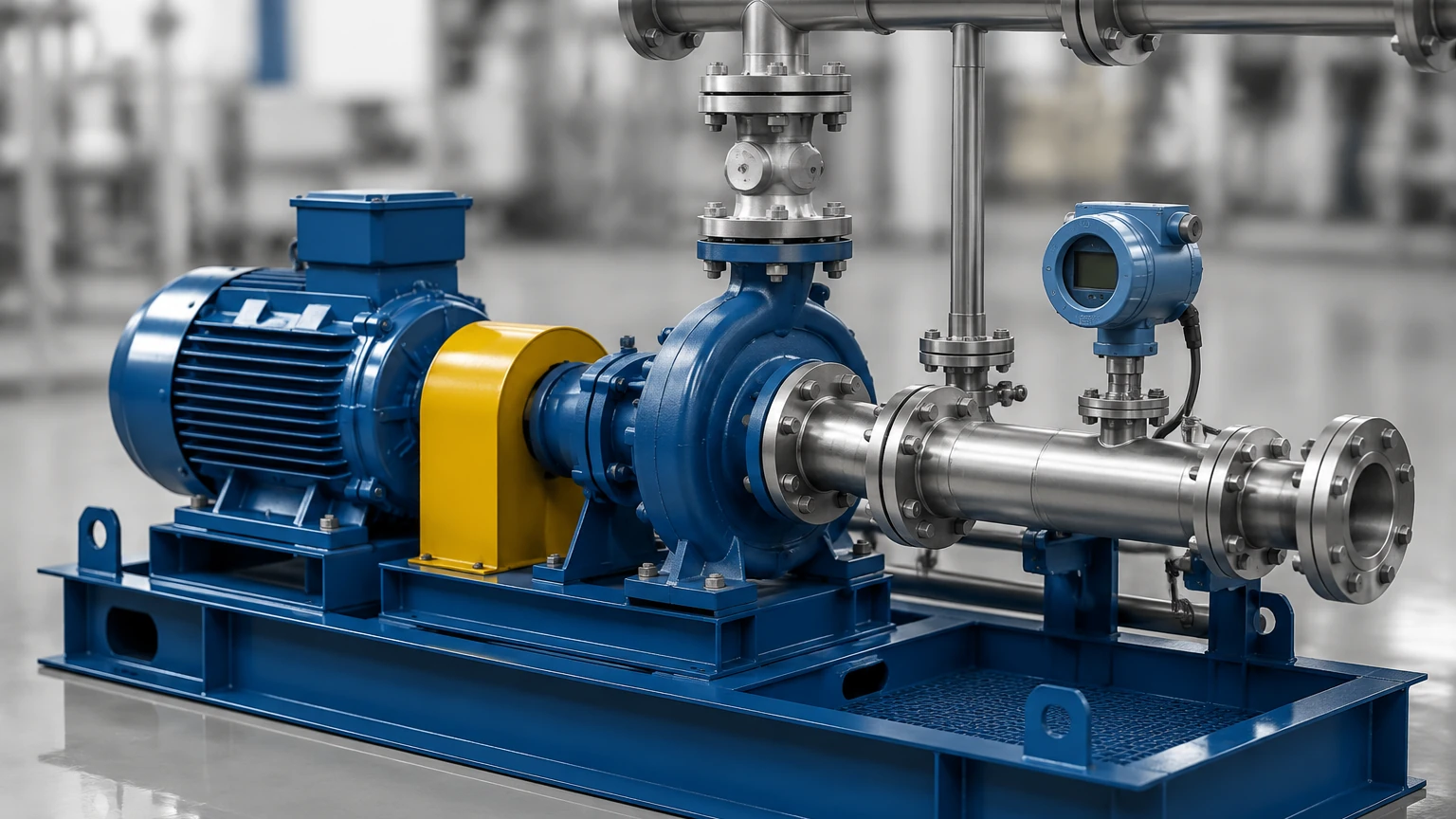
In the landscape of industrial process control, pump skids represent a critical modular solution for fluid transport, chemical dosing, and water treatment. A pump skid is a self-contained system comprising pumps, piping, valves, and instrumentation, all mounted on a structural frame. Within this assembly, the pump skid flow meter serves as the primary diagnostic and control tool, providing real-time data necessary for process efficiency, pump protection, and regulatory compliance.
Accurate flow measurement within a skid allows for precise control of dosing rates, monitoring of pump health, and the prevention of dry-running or cavitation. This article provides a technical overview of flow measurement principles, selection criteria, and installation best practices for engineers and plant managers involved in skid design and maintenance.
Core Measurement Principles
Before selecting a pump skid flow meter, it is essential to understand the underlying physical principles used to derive flow rates. Each technology has specific strengths depending on the fluid's conductivity, viscosity, and cleanliness.
Electromagnetic Flow Meters (Magmeters)
Electromagnetic meters operate on Faraday’s Law of Induction. When a conductive liquid flows through a magnetic field generated by the meter, it produces a voltage proportional to its velocity. Because they have no moving parts and offer no obstruction to the flow, they are ideal for wastewater and corrosive chemicals.
Ultrasonic Flow Meters
These instruments typically use the "Transit-Time" principle. Two transducers transmit and receive ultrasonic signals through the fluid. The difference in time taken for the signal to travel upstream versus downstream is used to calculate flow velocity. For pump skids where piping cannot be easily modified, clamp-on ultrasonic meters provide a non-intrusive solution.
Coriolis Mass Flow Meters
Coriolis meters measure mass flow directly by monitoring the inertia of the fluid moving through vibrating tubes. As the fluid flows, it causes a phase shift in the tube's vibration. This technology is highly accurate and is the preferred choice for high-value fluids or applications where density and temperature vary significantly.
Vortex Flow Meters
Vortex meters utilize the Karman Vortex Street principle. As fluid flows past a bluff body (a non-streamlined object) in the meter, vortices are shed alternately from each side. The frequency of this vortex shedding is directly proportional to the flow velocity. These are robust and suitable for high-temperature liquids and steam within skid systems.
The Role of Flow Measurement in Pump Skid Efficiency
A pump skid flow meter does more than just report a number; it acts as a feedback loop for the entire system. In many industrial applications, the flow rate must be synchronized with tank levels. For instance, in chemical dosing skids, the pump speed is often modulated based on the level of the source tank and the required flow rate at the destination. For more information on the level measurement instruments that complement these flow systems, you can visit the Main Page for a comprehensive overview of industrial sensors.
Pump Protection
Flow meters are vital for detecting "dead-head" conditions (where a pump runs against a closed valve) or dry-running. By setting low-flow alarms, the skid's control system can automatically shut down the pump to prevent mechanical seal failure or motor burnout.
Dosing Accuracy
In chemical injection skids, even a 1% deviation in flow can lead to significant process errors or wasted reagents. High-precision flow meters ensure that the exact volume of chemical is delivered, regardless of changes in backpressure or fluid viscosity.
Selection Criteria for Pump Skid Flow Meters
Selecting the correct meter requires a detailed analysis of the process conditions. Engineers should use the following criteria as a baseline:
1. Fluid Properties: Is the fluid conductive? (Magmeters require >5 μS/cm). Is it viscous? (Coriolis or positive displacement are better for high viscosity). Does it contain solids? (Avoid turbine meters).
2. Accuracy Requirements: Standard process monitoring might require ±1.0% accuracy, whereas custody transfer or precise chemical dosing may require ±0.1%.
3. Pressure and Temperature: Ensure the meter body and liners can withstand the maximum operating pressure (e.g., 16 bar or 40 bar) and temperature (e.g., 120°C).
4. Turn-down Ratio: The ratio between the maximum and minimum flow the meter can measure accurately. A high turn-down ratio is necessary for skids with variable speed drives (VSD).
Selection Table: Technology Comparison
| Technology | Typical Accuracy | Fluid Suitability | Pros | Cons |
| :— | :— | :— | :— | :— |
| Electromagnetic | ±0.5% | Conductive liquids, slurries | No pressure drop, low maintenance | Requires conductive fluid |
| Ultrasonic | ±1.0% to 2.0% | Clean liquids | Non-intrusive, portable options | Sensitive to air bubbles |
| Coriolis | ±0.1% | Most liquids and gases | Measures mass, density, and temp | High initial cost, heavy |
| Vortex | ±1.0% | Low viscosity liquids, steam | Robust, no moving parts | Sensitive to vibration |
| Variable Area | ±2.0% to 5.0% | Clean liquids/gases | No external power needed | Low accuracy, vertical mount |
Integration with Level Measurement
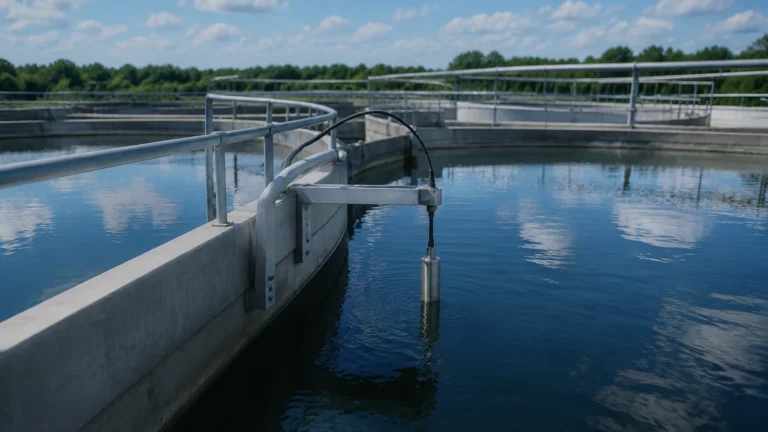
In most pump skid applications, flow measurement is intrinsically linked to level measurement. For example, in a water booster skid, the pump skid flow meter monitors the output to the distribution network, while a radar or ultrasonic level sensor monitors the supply reservoir.
Welk provides specialized level measurement solutions, such as the WRP series radar level meters and WUS series ultrasonic sensors, which are frequently integrated into the same control PLC as the flow meter. This integration allows for advanced logic, such as calculating the "pump down" time or detecting leaks by comparing the volume change in a tank (measured by level) against the totalized flow (measured by the flow meter).
Installation Considerations
The performance of a flow meter is heavily dependent on its installation environment. Pump skids are often compact, which can present challenges for maintaining the required straight pipe runs.
Straight Pipe Requirements
Most flow meters require a certain length of straight pipe upstream (typically 5 to 10 pipe diameters) and downstream (2 to 5 diameters) to ensure a stable, non-turbulent flow profile. If the skid footprint is too small to allow for these runs, flow conditioners or specific meter types (like certain electromagnetic or Coriolis models) that are less sensitive to turbulence should be used.
Orientation and Air Entrainment
For liquid applications, the flow meter should always be installed in a position where the pipe remains full. Vertical upward flow is generally preferred as it ensures the pipe is full and helps prevent the accumulation of air bubbles, which can cause significant measurement errors in ultrasonic and electromagnetic meters.
Vibration and Electrical Noise
Pump skids are high-vibration environments. Vortex and Coriolis meters can be affected by mechanical resonance from the pump. Using flexible couplings and ensuring the meter is properly supported can mitigate these effects. Additionally, electromagnetic meters must be properly grounded to the fluid to prevent electrical noise from interfering with the low-voltage signal.
Limitations and Common Risks
While modern flow meters are highly reliable, certain conditions can lead to failure or inaccuracy:
* Cavitation: If the pressure at the pump inlet drops too low, vapor bubbles form. These bubbles can damage the pump and cause flow meters to provide erratic readings.
* Scaling and Coating: In chemical skids, some fluids may leave deposits on the electrodes of a magmeter or the pipe walls of an ultrasonic meter, leading to a gradual drift in accuracy.
* Material Compatibility: The "wetted parts" of the meter (liners, electrodes, or tubes) must be chemically compatible with the process fluid. For instance, PFA liners are common for aggressive acids, while 316L stainless steel is standard for water and oils.
Frequently Asked Questions (FAQ)
Q: Can a pump skid flow meter measure flow in both directions?
A: Many electromagnetic and ultrasonic meters are bidirectional, meaning they can measure flow in both directions. However, this must be specified during the configuration of the transmitter.
Q: How often should the flow meter be calibrated?
A: For most industrial skids, an annual calibration check is recommended. In critical dosing applications, semi-annual verification may be required to maintain process standards.
Q: What is the impact of high viscosity on flow measurement?
A: High viscosity increases the pressure drop across the meter and can affect the flow profile. Coriolis meters are generally the best choice for high-viscosity fluids as they are largely independent of Reynolds number variations.
Q: How do I handle flow measurement in a skid with significant vibration?
A: Use meters with advanced digital signal processing (DSP) that can filter out mechanical noise. Ensure the meter is installed on a rigid section of the skid frame, away from the immediate discharge of the pump.
Summary for Project Planning
When specifying a pump skid flow meter, it is crucial to confirm the following before procurement:
* The specific conductivity and viscosity of the fluid.
* The minimum and maximum flow rates (to ensure the meter operates within its optimal range).
* The available straight pipe lengths within the skid layout.
* The communication protocol required (e.g., 4-20mA, Modbus, or HART) for integration with the skid's control panel.
By carefully matching the measurement principle to the application and adhering to strict installation guidelines, engineers can ensure that their pump skid operates with the reliability and precision required for modern industrial processes. For further technical support on integrating level and flow measurement, visit the Main Page to connect with application specialists.