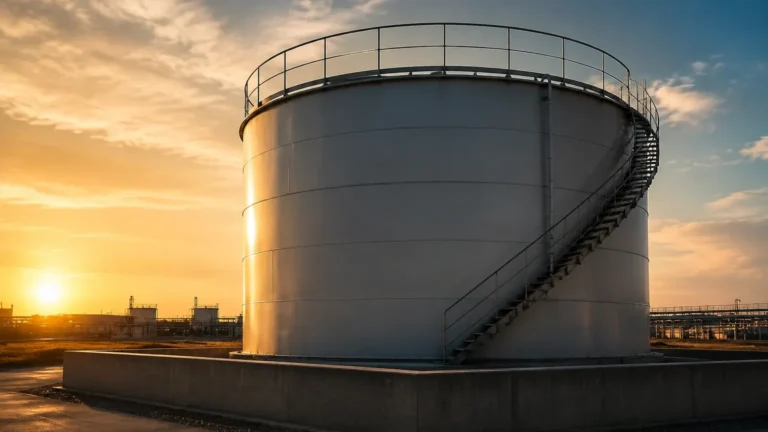
Raman System
Raman System
In the landscape of modern industrial process automation, the ability to monitor chemical composition in real-time has become as critical as monitoring physical parameters like pressure, temperature, and level. A Raman system represents one of the most sophisticated optical analytical tools available to engineers today. By utilizing the principles of light scattering, these systems provide a molecular "fingerprint" of substances, allowing for non-destructive, in-situ analysis of liquids, gases, and solids within a process vessel. For industries ranging from petrochemical refining to pharmaceutical synthesis, integrating a Raman system with traditional instrumentation—such as the high-precision sensors found on the Main Page—creates a comprehensive monitoring solution that ensures both safety and product quality.
Understanding the Measurement Principles of Raman Spectroscopy
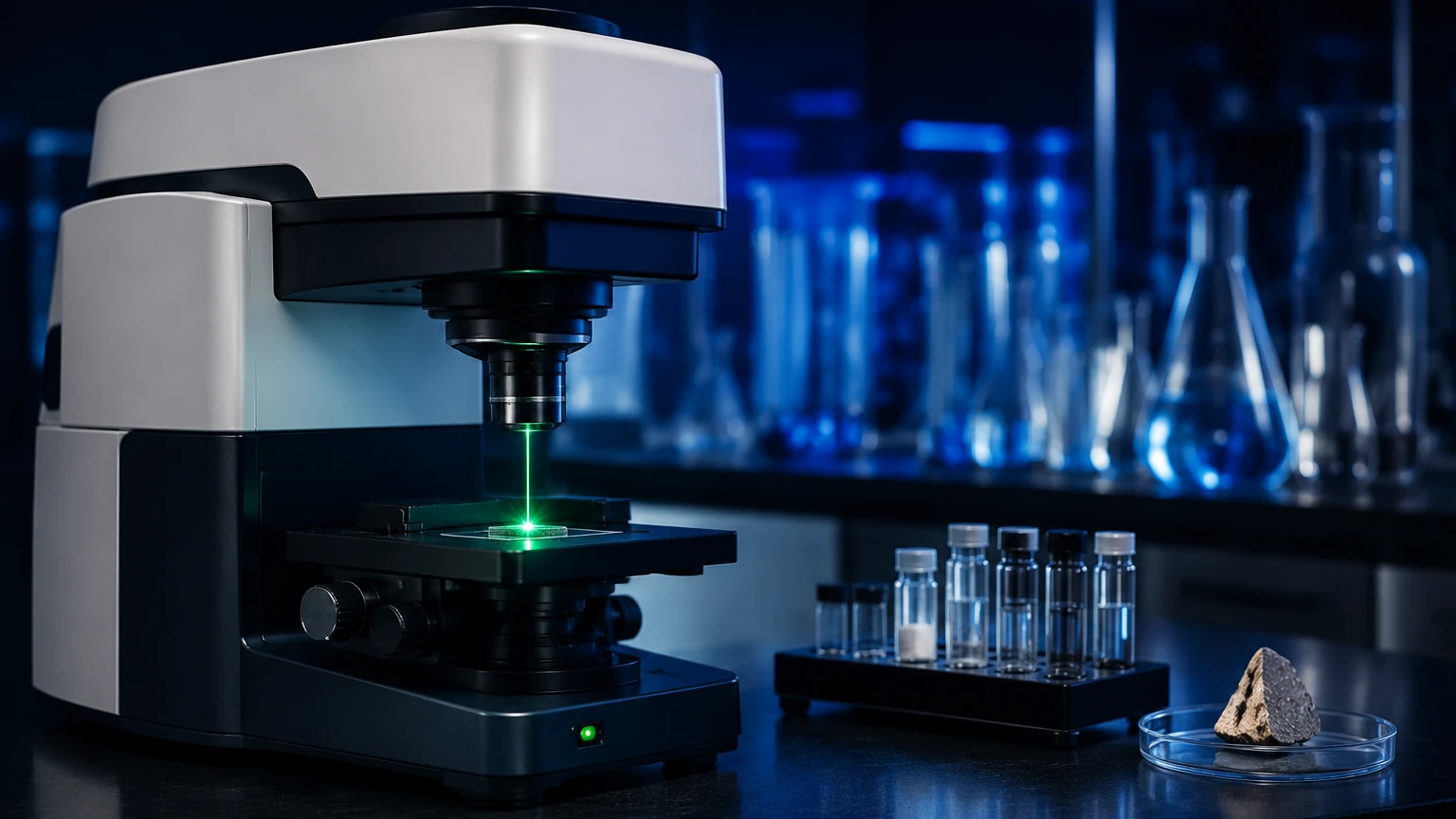
To effectively implement a Raman system, it is essential to understand the underlying physics of Raman scattering. When a monochromatic light source, typically a laser, interacts with a molecular sample, the photons are scattered. The majority of these photons undergo elastic scattering, known as Rayleigh scattering, where the scattered light has the same frequency and wavelength as the incident light.
However, a tiny fraction of the light (approximately one in every ten million photons) undergoes inelastic scattering. This is the Raman effect. In this process, the incident photon exchanges energy with the molecular vibrations of the sample. This results in a shift in the energy of the scattered photon, known as the Raman shift.
Stokes and Anti-Stokes Scattering
There are two primary types of Raman shifts:
1. Stokes Scattering: The scattered photon has less energy (a longer wavelength) than the incident photon because the molecule has absorbed some energy to reach a higher vibrational state.
2. Anti-Stokes Scattering: The scattered photon has more energy (a shorter wavelength) than the incident photon because the molecule was already in an excited vibrational state and transferred energy to the photon.
In industrial Raman systems, Stokes scattering is the primary focus because, at room temperature, most molecules reside in the ground vibrational state. The specific energy shifts recorded by the spectrometer correspond to specific chemical bonds (e.g., C-H, O-H, N-H), allowing the system to identify complex chemical structures and concentrations in real-time.
The Role of a Raman System in Process Automation
While traditional level measurement instruments focus on the physical volume and interface of materials, a Raman system provides qualitative and quantitative data about the material's internal chemistry. In complex industrial environments, these two data sets are often interdependent. For example, in a multi-phase separator tank, a radar level meter might identify the height of the oil-water interface, while a Raman system identifies the purity of the hydrocarbon phase or detects the presence of unwanted contaminants.
By deploying a Raman system, facilities can move from batch sampling—which requires manual extraction and laboratory analysis—to continuous process monitoring. This shift reduces the risk of human error, minimizes exposure to hazardous chemicals, and allows for immediate adjustments to process variables, thereby optimizing yield and reducing waste.
Key Evaluation Criteria for Selecting a Raman System
Selecting the right Raman system requires a detailed assessment of the application environment and the chemical properties of the target substance. Engineering teams should evaluate the following technical specifications:
1. Laser Wavelength Selection
The choice of laser wavelength is a balancing act between signal strength and background interference.
* 532 nm: Offers high signal intensity but is highly susceptible to fluorescence, which can overwhelm the Raman signal.
* 785 nm: The most common industrial standard, providing a good balance between signal strength and reduced fluorescence for many organic chemicals.
* 1064 nm: Significantly reduces fluorescence, making it ideal for dark or highly pigmented samples, though it requires more sensitive detectors and higher laser power.
2. Spectral Resolution
Resolution determines the system's ability to distinguish between two closely spaced spectral peaks. For complex mixtures where chemical signatures overlap, a higher resolution (typically measured in cm⁻¹) is required. Most industrial applications require a resolution between 4 cm⁻¹ and 10 cm⁻¹.
3. Probe Design and Ruggedization
Since the probe is the only part of the Raman system in direct contact with the process, it must withstand the same rigors as a level transmitter. This includes resistance to high pressures (up to 300 bar), extreme temperatures (-20°C to 450°C), and corrosive chemical environments. Probes are often constructed from 316L stainless steel or Hastelloy with sapphire windows for optical clarity.
Industrial Selection Table: Raman Systems vs. Application Needs
| Application Type | Recommended Wavelength | Probe Type | Primary Benefit |
| :— | :— | :— | :— |
| Petrochemical Refining | 785 nm or 1064 nm | Immersion Probe | Real-time octane and aromatics monitoring |
| Pharmaceutical Synthesis | 785 nm | Non-contact / Flow-cell | Monitoring reaction kinetics and polymorphs |
| Water Treatment | 532 nm or 785 nm | Flow-cell | Detection of trace contaminants and polymers |
| Gas Phase Analysis | 532 nm | Long-path Gas Cell | Monitoring gas purity and composition |
| Interface Detection | 785 nm | Side-mounted Probe | Identifying chemical changes at phase boundaries |
Installation and Integration Considerations
Successful deployment of a Raman system involves more than just hardware selection; it requires careful integration into the existing plant infrastructure. Unlike simple level switches, Raman systems involve sensitive optics and high-power lasers.
Fiber Optic Connectivity
One of the greatest advantages of a modern Raman system is the ability to separate the spectrometer from the probe using fiber optic cables. This allows the sensitive electronic components to be housed in a climate-controlled, non-hazardous control room, while the probe is installed directly in an ATEX/Ex-rated zone. Engineers must ensure that fiber optic runs are protected by conduit and that signal attenuation is calculated for distances exceeding 100 meters.
Mounting and Alignment
Probes are typically installed via standard industrial flanges (e.g., DN50 or 2-inch ANSI) or NPT threads. For non-contact measurements, the distance between the optical window and the sample must be precisely maintained to keep the laser in focus. In tank applications, the probe should be positioned where there is sufficient agitation to ensure a representative sample, yet away from areas where heavy scaling or coating might obscure the sapphire window.
Integration with Level Data
For a holistic view of the process, Raman data should be integrated into the plant's Distributed Control System (DCS) or PLC. By combining the chemical concentration data from the Raman system with the volumetric data from a radar or ultrasonic level meter, operators can calculate the total mass of a specific component within a tank. For more information on selecting compatible level sensors for these applications, refer to the Main Page.
Common Risks and Limitations
While powerful, Raman systems are not universal solutions. Engineers must be aware of specific limitations that can impact performance:
* Fluorescence Interference: Some materials naturally fluoresce when hit by laser light. This fluorescence can be orders of magnitude stronger than the Raman signal, effectively "blinding" the detector. Choosing a longer wavelength (1064 nm) is the standard mitigation strategy.
* Sample Color and Opacity: Dark or black samples (like crude oil) absorb laser energy, which can lead to localized heating or even combustion if the laser power is too high. Pulsed lasers or lower power densities are required in these cases.
* Window Fouling: Just as a level sensor's face can become coated, the optical window of a Raman probe can suffer from scaling or biofilm growth. Regular maintenance or the use of automated cleaning sleeves is necessary for consistent data.
* Laser Safety: Industrial Raman systems use Class 3B or Class 4 lasers. Proper interlocks, labeling, and technician training are mandatory to prevent accidental eye exposure during maintenance.
Frequently Asked Questions (FAQ)
Q: Can a Raman system replace a level meter?
A: No. A Raman system identifies *what* a substance is, while a level meter identifies *where* the substance is. They are complementary technologies. A Raman probe cannot accurately determine the distance to a surface in a large tank.
Q: How often does a Raman system require calibration?
A: Most industrial Raman systems feature internal calibration standards (like a neon lamp or a silicon wafer) that allow for automated daily or weekly validation. Full factory re-calibration is typically performed annually.
Q: Is the Raman system safe for use in explosive atmospheres?
A: Yes, provided the system is designed for such environments. The probe itself is passive (optical), but the laser energy must be limited (Op Is – Optical Inherently Safe) to ensure it cannot act as an ignition source if the fiber breaks or the probe window fails.
Q: Can Raman spectroscopy measure moisture content?
A: While Raman is excellent for organic molecules, it is relatively insensitive to water (O-H bonds have a specific signature, but the Raman cross-section is low). This is actually an advantage, as it allows the system to measure chemicals dissolved in water without the water signal overwhelming the analysis.
Conclusion
Implementing a Raman system represents a significant step forward in process analytical technology (PAT). By providing deep insights into the molecular composition of process fluids, these systems enable a level of control that physical sensors alone cannot achieve. When evaluated correctly—considering wavelength, resolution, and probe durability—and integrated with reliable level measurement data from the Main Page, a Raman system becomes an invaluable asset for ensuring process efficiency, safety, and regulatory compliance in the modern industrial environment. Confirmation of chemical compatibility and potential fluorescence should always be the first step for any project team considering this technology.