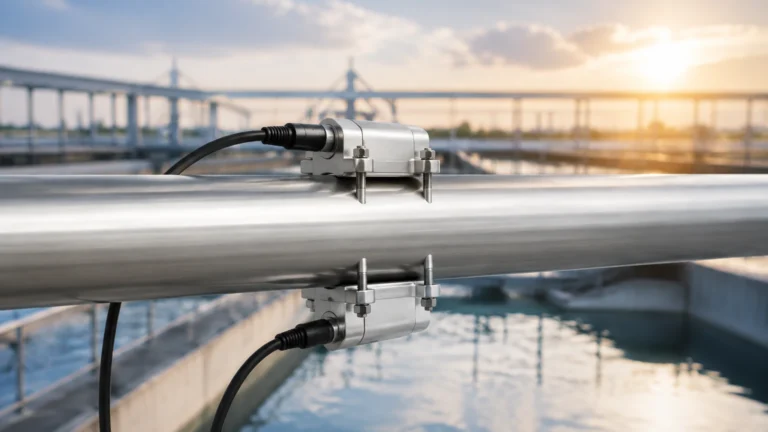
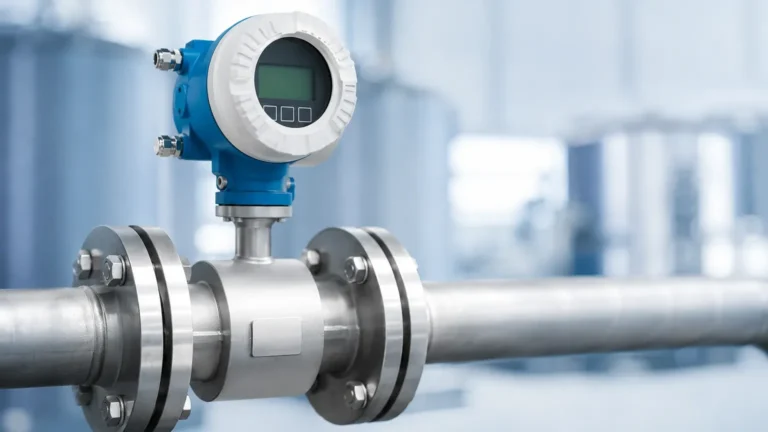
Types of Mass Flow Meter
Types of Mass Flow Meter
In industrial process control, measuring the quantity of a fluid passing through a system is fundamental to efficiency, safety, and billing. While volumetric flow measurement—measuring the space a fluid occupies—is common, it is often insufficient for applications where temperature and pressure fluctuate. In these scenarios, mass flow measurement becomes essential. Because mass does not change with environmental conditions, it provides a more accurate representation of the actual amount of material being moved, whether it is a liquid chemical, a high-pressure gas, or steam.
Selecting the correct equipment requires a deep understanding of the different types of mass flow meter technologies available. This guide explores the principles, applications, and selection criteria for these critical instruments.
Understanding Mass vs. Volumetric Flow
Before examining specific technologies, it is important to distinguish between mass and volume. Volumetric flow meters measure the velocity of a fluid through a known cross-sectional area. However, gases are highly compressible, and liquids expand or contract with temperature changes. A cubic meter of gas at 10 bar contains significantly more molecules than a cubic meter of the same gas at 1 bar.
Mass flow meters solve this by measuring the actual mass of the substance. This is critical in B2B sectors such as chemical processing, where chemical reactions depend on mass ratios (stoichiometry), and in the oil and gas industry for custody transfer, where the value of the product is determined by its mass rather than its volume.
The Coriolis Mass Flow Meter: Principle and Design
The Coriolis mass flow meter is widely regarded as the "gold standard" for accuracy in mass flow measurement. It operates on the principles of motion mechanics, specifically the Coriolis effect.
Measurement Principle
Inside a Coriolis meter, the fluid flows through one or two vibrating tubes. An electromagnetic drive coil causes the tubes to oscillate at their resonant frequency. When a fluid of a certain mass flows through these vibrating tubes, it resists the vertical motion, causing the tubes to twist or distort.
Sensors (pick-off coils) located at the inlet and outlet sides of the tube detect this distortion. The time delay or phase shift between the inlet and outlet vibrations is directly proportional to the mass flow rate. Additionally, the frequency of the vibration changes based on the density of the fluid, allowing the meter to provide real-time density and temperature data alongside mass flow.
Key Advantages
* High Accuracy: Typically offers accuracy within ±0.1% to ±0.05% of the flow rate.
* Multivariable Measurement: Provides mass flow, density, temperature, and calculated volumetric flow from a single device.
* Universal Application: Effective for liquids, gases, and slurries, regardless of conductivity or viscosity.
Limitations
* Cost: Generally higher initial investment compared to other technologies.
* Pressure Drop: The curved tube design can introduce a significant pressure drop in high-flow applications.
* Sensitivity to Vibration: External mechanical vibrations can interfere with the tube's resonant frequency if not properly dampened.
Thermal Mass Flow Meters: Gas Flow Specialization
Thermal mass flow meters are primarily used for gas applications. They utilize the thermal properties of the fluid to determine mass flow without the need for additional pressure or temperature compensation.
Measurement Principle
Most thermal meters use two sensors: a velocity sensor and a temperature sensor. The velocity sensor is heated to a specific temperature above the ambient temperature of the gas (measured by the temperature sensor). As gas flows past the heated sensor, it carries heat away (convective heat transfer).
There are two primary methods for measurement:
1. Constant Temperature Differential: The instrument varies the power to the heated sensor to maintain a constant temperature difference between the two sensors. The power required is proportional to the mass flow.
2. Constant Current: A constant amount of power is supplied to the heater, and the resulting temperature difference is measured. A larger difference indicates lower mass flow.
Key Advantages
* No Moving Parts: High reliability and low maintenance in clean gas applications.
* Low Pressure Drop: The sensors are small probes that do not significantly obstruct the flow path.
* High Turndown Ratio: Excellent at measuring very low flow rates (leak detection).
Limitations
* Fluid Specificity: The meter must be calibrated for the specific gas composition, as different gases have different thermal conductivities.
* Moisture Sensitivity: Droplets of liquid in the gas stream can cause significant measurement errors due to the high heat capacity of liquids.
Indirect (Compensated) Mass Flow Measurement
While Coriolis and Thermal meters are "direct" mass flow meters, many industrial sites use "indirect" methods, often referred to as multivariable or compensated flow measurement. This is common in steam and large-scale gas distribution.
Measurement Principle
This method typically uses a Differential Pressure (DP) flow meter, such as an orifice plate, Venturi tube, or Pitot tube. A DP meter measures the square of the velocity. To convert this to mass flow, the system integrates a pressure transmitter and a temperature transmitter. Using the Ideal Gas Law or specialized steam tables, a flow computer calculates the real-time density and provides a compensated mass flow reading.
For engineers managing complex tank farms or processing plants, integrating these flow readings with level measurement is vital. Reliable data from instruments found on the Main Page of specialized providers helps ensure that mass balance across the entire facility is maintained.
Comparative Analysis of Mass Flow Technologies
When selecting between types of mass flow meter, engineers must weigh performance against cost and process conditions. The following table provides a high-level comparison.
| Feature | Coriolis Meter | Thermal Meter | DP (Compensated) |
| :— | :— | :— | :— |
| Primary Fluid | Liquids, Slurries, Gases | Gases | Steam, Gases, Liquids |
| Accuracy | 0.05% – 0.1% | 1.0% – 2.0% | 1.0% – 3.0% (System) |
| Turndown Ratio | 100:1 | 100:1 to 1000:1 | 5:1 to 10:1 |
| Pressure Drop | Moderate to High | Very Low | High (Orifice) / Low (Pitot) |
| Moving Parts | No (Vibrating tubes) | No | No |
| Cost | High | Moderate | Low to Moderate |
| Maintenance | Low | Low (if clean) | Moderate (Impulse lines) |
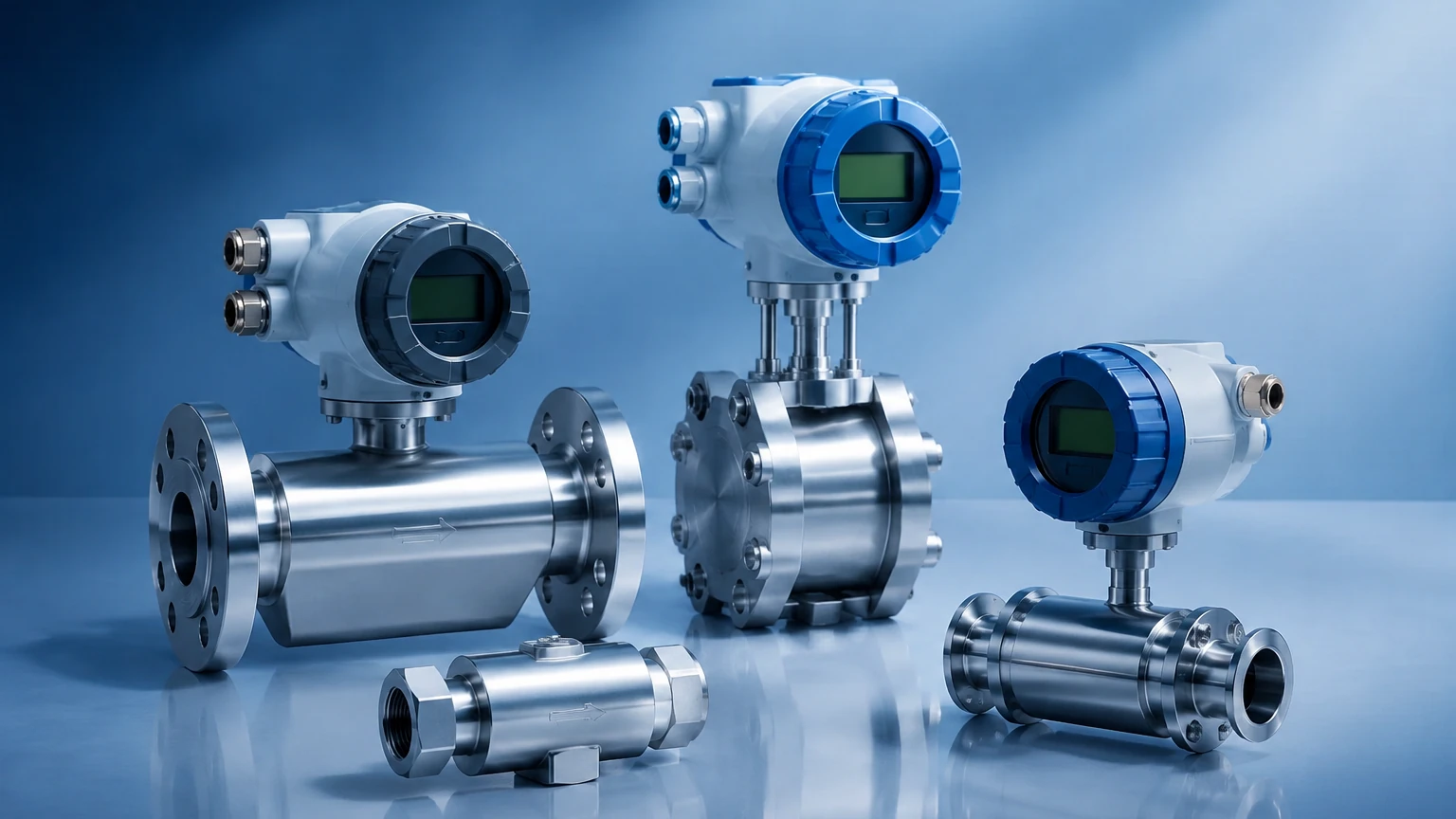
Installation Best Practices and Engineering Considerations
To achieve the specified accuracy of any mass flow meter, proper installation is mandatory. Each technology has unique requirements:
Coriolis Installation
* Orientation: For liquid applications, the tubes should point downward (flag position) to prevent gas bubbles from being trapped. For gas applications, they should point upward to prevent condensate buildup.
* Support: The meter must be rigidly supported on both the inlet and outlet flanges to prevent external pipe vibrations from affecting the internal tube oscillation.
* Zero Calibration: Always perform a "field zero" calibration under full-pressure, zero-flow conditions after the meter is installed and the process has reached operating temperature.
Thermal Installation
* Straight Run Requirements: Thermal meters are sensitive to the flow profile. Typically, a minimum of 20 diameters (20D) of straight pipe upstream and 10 diameters (10D) downstream are required to ensure a fully developed laminar flow profile.
* Insertion Depth: For insertion-style thermal meters, the sensor must be placed exactly at the point of average velocity (usually the center of the pipe or a specific calculated offset).
General Considerations
* Environmental Protection: Ensure electronics are rated for the ambient temperature and hazardous zone classifications (ATEX/IECEx).
* Communication Protocols: Modern B2B applications require integration with PLC/DCS systems via 4-20mA HART, Modbus, or Foundation Fieldbus.
Limitations and Common Risks in Industrial Applications
Despite their advanced technology, mass flow meters are not infallible. Awareness of common risks can prevent costly downtime.
1. Entrained Air in Coriolis Meters: While modern Coriolis meters can handle some "slug flow," excessive air bubbles in a liquid stream cause "damping," where the meter cannot maintain tube oscillation, leading to measurement failure.
2. Gas Composition Changes in Thermal Meters: If a thermal meter is calibrated for pure Methane but the process gas changes to a Methane/Ethane mix, the reading will be inaccurate because the thermal conductivity of the mixture is different.
3. Coating and Scaling: In chemical or wastewater applications, material buildup on the internal walls of a Coriolis tube or the sensor tips of a thermal meter will insulate the sensors or change the tube mass, leading to drift.
4. Pressure Limits: Coriolis tubes are pressure vessels. Operating above the rated pressure of the thin-walled tubes can lead to catastrophic failure.
Frequently Asked Questions (FAQ)
Q: Can a Coriolis meter measure the flow of steam?
A: While technically possible, it is rarely done. The high velocity and high temperature of steam often exceed the mechanical limits of Coriolis tubes. DP meters or Vortex meters with mass compensation are the industry standard for steam.
Q: Why choose a thermal mass flow meter over a Coriolis meter for air?
A: Cost and pressure drop. For compressed air or flue gas, the extreme accuracy of a Coriolis meter is often unnecessary, and the negligible pressure drop of a thermal meter saves energy costs over time.
Q: How often should mass flow meters be calibrated?
A: This depends on the industry. For custody transfer in oil and gas, annual or semi-annual calibration is common. For general process control, a check every 2-3 years may suffice, provided the meter has internal diagnostics (like Coriolis meter health checks).
Q: Do mass flow meters require a specific Reynolds number?
A: Coriolis meters are generally independent of the Reynolds number and can measure in laminar, transitional, or turbulent flow. Thermal meters and DP meters are highly dependent on the flow profile and require turbulent flow for stable readings.
Conclusion
Selecting from the various types of mass flow meter involves a balance of technical requirements and budgetary constraints. Coriolis meters provide unmatched accuracy and density data for critical liquid and high-pressure gas processes, while thermal mass flow meters offer an efficient, low-maintenance solution for gas monitoring and leak detection. By understanding the underlying physics and adhering to strict installation guidelines, industrial operators can ensure reliable data that supports both process efficiency and financial accountability. For broader instrumentation needs, including level measurement solutions that complement flow data, engineers should consult specialized resources like the Welk Main Page to find the right tool for their specific application.