Resin Extraction Machine
Resin Extraction Machine
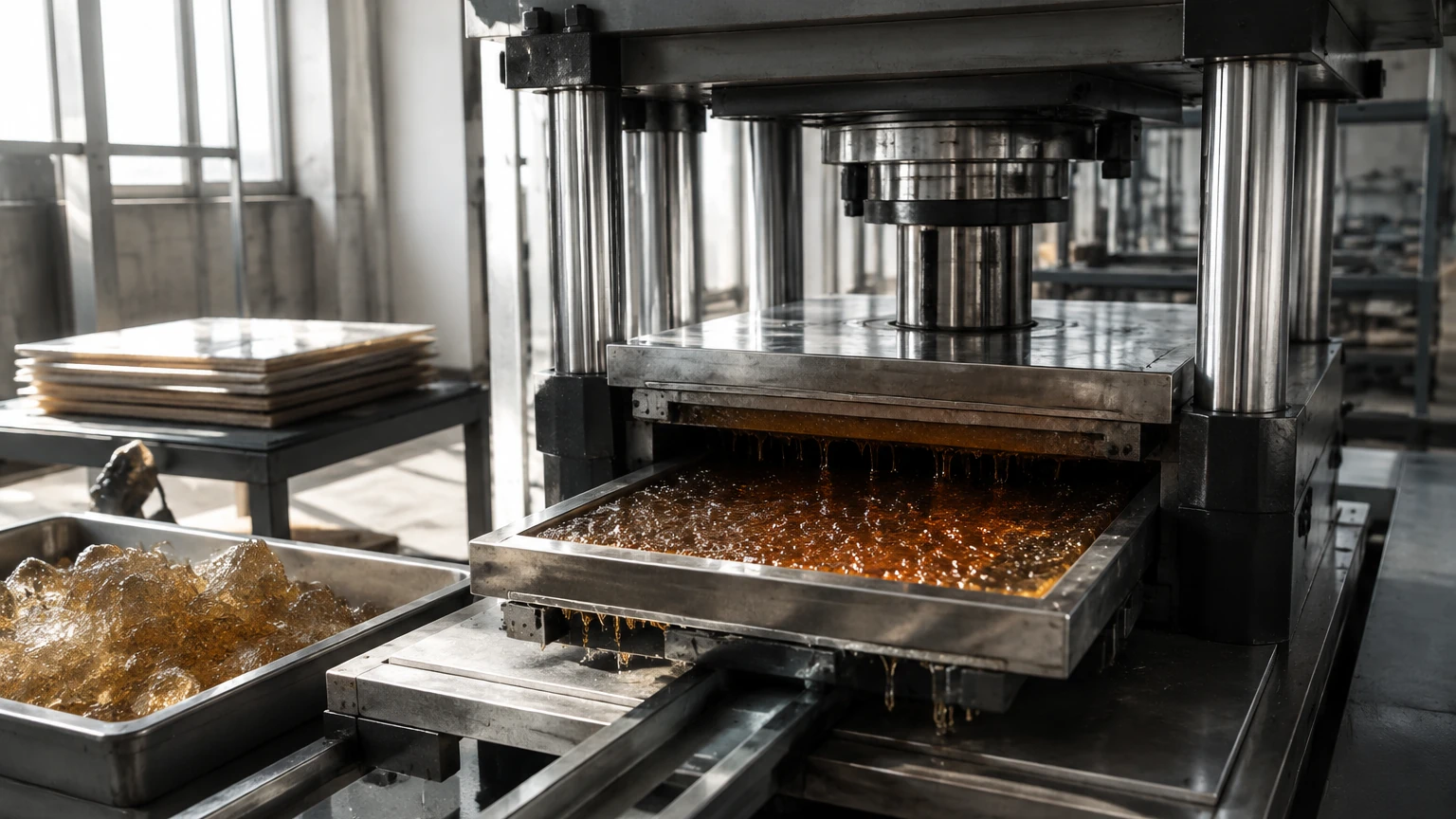
In industrial processing, a resin extraction machine is a specialized system designed to isolate resinous compounds from raw materials, which may include botanical biomass, synthetic polymers, or chemical intermediates. These machines are fundamental to industries such as pharmaceuticals, food and beverage, and chemical manufacturing. The efficiency of the extraction process—whether utilizing solvent-based methods, supercritical fluid extraction, or mechanical separation—relies heavily on the precise control of fluid levels, pressure, and temperature.
For process engineers and plant operators, understanding the integration of level measurement instrumentation within a resin extraction machine is critical for ensuring yield consistency, operational safety, and solvent recovery efficiency. This article examines the technical requirements of extraction systems and the instrumentation necessary to monitor them effectively.
Principles of Resin Extraction and Process Monitoring
Resin extraction typically follows the principle of mass transfer, where a solute (the resin) is moved from a solid or liquid phase into a solvent phase. The most common industrial method is solvent extraction, where a liquid solvent such as ethanol, hexane, or butane is circulated through the raw material.
In a standard resin extraction machine, the process involves several stages:
1. Loading and Soaking: The raw material is placed in an extraction vessel and submerged in solvent.
2. Circulation: The solvent is circulated to maximize the contact area and extraction rate.
3. Filtration: The resin-rich solvent (micella) is separated from the depleted raw material.
4. Evaporation and Recovery: The solvent is evaporated, leaving behind the concentrated resin, while the solvent vapors are condensed and returned to storage for reuse.
Throughout these stages, level sensors are required to monitor solvent storage tanks, extraction vessels, and evaporation chambers. Without accurate level data, the system risks dry-running pumps, overflowing vessels, or failing to maintain the correct solvent-to-biomass ratio, all of which compromise the quality of the final product.
Level Measurement Principles for Extraction Environments
Before selecting instrumentation for a resin extraction machine, it is essential to understand the physics behind different measurement technologies. Extraction environments often involve volatile organic compounds (VOCs), high pressure, and varying fluid densities.
Radar Level Measurement (Non-Contact and Guided)
Radar technology operates on the Time-of-Flight (ToF) principle. A sensor emits high-frequency electromagnetic pulses (typically in the 26 GHz or 80 GHz range). These pulses reflect off the surface of the liquid and return to the sensor. The distance is calculated based on the time interval between emission and reception.
* Non-Contact Radar: Ideal for resin extraction because the sensor does not touch the medium. This prevents contamination and eliminates issues with viscous resin buildup on the probe.
* Guided Wave Radar (GWR): Uses a physical probe to guide the signal. This is highly effective in narrow vessels or when the dielectric constant of the solvent is very low, as the probe concentrates the energy of the pulse.
Ultrasonic Level Measurement
Ultrasonic sensors emit acoustic pressure waves (sound waves). The time it takes for the sound to reflect off the liquid surface and return to the transducer determines the level. While cost-effective, ultrasonic waves are mechanical and require a medium (air) to travel through. In a resin extraction machine, the presence of heavy solvent vapors or vacuum conditions can significantly alter the speed of sound, leading to measurement errors unless temperature and gas-density compensation are applied.
Hydrostatic Pressure Measurement
This principle relies on the relationship between the height of a liquid column and the pressure it exerts at the base of the tank. The formula $P = \rho gh$ (where $P$ is pressure, $\rho$ is density, $g$ is gravity, and $h$ is height) is used. In extraction systems, hydrostatic transmitters are often used in solvent recovery tanks. However, if the density of the resin-solvent mixture changes during the process, the level reading must be adjusted accordingly.
Selection Criteria for Resin Extraction Instrumentation
Choosing the right sensor for a resin extraction machine depends on the physical properties of the solvent and the mechanical design of the extraction vessel. The following table provides a comparison of common technologies used in these applications.
| Technology | Best Use Case | Advantages | Limitations |
| :— | :— | :— | :— |
| 80 GHz Radar | Extraction vessels with agitators | High precision, ignores internal obstructions | Higher initial cost |
| Guided Wave Radar | Small solvent recovery tanks | Reliable with low dielectric fluids | Probe can accumulate resin buildup |
| Ultrasonic | Water-based cleaning tanks | Non-contact, economical | Affected by solvent vapors and foam |
| Hydrostatic | Large solvent storage | Simple installation, durable | Sensitive to changes in fluid density |
| Magnetic Level Gauge | High-pressure CO2 extraction | Visual indication + electronic output | Mechanical parts can wear over time |
When evaluating options, engineers should also consider the hazardous area classification. Most resin extraction processes involve flammable solvents, requiring instruments with ATEX, IECEx, or UL explosion-proof certifications. For more detailed technical specifications on sensor compatibility, professionals can Review product options and application support to ensure the selected hardware meets the specific safety requirements of their facility.
Installation Considerations for Extraction Vessels
Proper installation is as critical as sensor selection. In a resin extraction machine, the internal environment is often turbulent.
1. Avoiding Obstructions: In vessels equipped with agitators or heating coils, non-contact radar sensors should be mounted such that the signal beam does not intersect with these components. Using an 80 GHz radar allows for a narrower beam angle (often as small as 3 degrees), which makes it easier to avoid internal hardware.
2. Nozzle Height and Diameter: The mounting nozzle should be kept as short as possible. For radar sensors, a common rule is to ensure the nozzle diameter is large enough to prevent signal interference from the nozzle walls, typically a minimum of 50 mm (2 inches).
3. Foam Management: Many extraction processes generate foam. Ultrasonic sensors often struggle with foam as it absorbs the sound waves. Radar is more resilient, but in cases of extremely thick, dense foam, a Guided Wave Radar with a coaxial probe may be necessary to ensure a stable reflection.
4. Dead Zones: Every sensor has a "dead zone" or "blocking distance" near the transducer where measurement is impossible. In a resin extraction machine with low-profile tanks, sensors with a small dead zone (e.g., <100 mm) are preferred to maximize the usable volume of the vessel.
Limitations and Operational Challenges
While modern instrumentation is highly advanced, certain factors in a resin extraction machine can still pose challenges:
* Viscosity and Coating: As the solvent evaporates, the remaining resin becomes increasingly viscous. If using contact-based sensors like GWR or float switches, the resin can coat the probe or jam the float. Non-contact radar is the standard solution for these "sticky" applications.
* Vapor Layers: High concentrations of solvent vapor can change the dielectric constant of the air space above the liquid. While radar is largely unaffected by this, it can cause a slight "gas phase shift" in high-pressure systems. Advanced radar units include software algorithms to compensate for these shifts.
* Vessel Geometry: Many extraction machines use conical bottoms to facilitate resin drainage. Level sensors must be calibrated to account for the non-linear volume-to-height relationship in these sections to provide accurate volume readings.
Frequently Asked Questions (FAQ)
Q: Can I use a standard ultrasonic sensor in a butane extraction system?
A: It is generally not recommended. Butane vapors are significantly denser than air, which slows down the ultrasonic pulse and causes the sensor to report a level that is deeper than the actual level. Furthermore, butane is highly flammable, requiring a sensor with specific explosion-proof ratings that many standard ultrasonic units lack.
Q: How does temperature affect level measurement in a resin extraction machine?
A: Temperature affects liquid density, which impacts hydrostatic pressure sensors. It also affects the speed of sound for ultrasonic sensors. Radar is the most temperature-stable technology, as electromagnetic waves are not significantly influenced by temperature fluctuations within standard operating ranges of -40°C to +200°C.
Q: What is the benefit of using an 80 GHz radar over a 26 GHz radar?
A: The 80 GHz radar offers a much higher frequency, resulting in a narrower beam and better signal focus. This is particularly useful in the complex interior of a resin extraction machine where you need to avoid hitting agitator blades or narrow vessel walls.
Conclusion
Integrating a high-performance resin extraction machine into a production line requires more than just mechanical engineering; it demands a sophisticated approach to process monitoring. By selecting the appropriate level measurement technology—whether it be radar for its precision in volatile environments or hydrostatic sensors for bulk storage—operators can ensure their extraction process remains safe, efficient, and profitable. For technical guidance on selecting the right instrumentation for your specific extraction setup, visiting the Main Page of an experienced manufacturer can provide the necessary data sheets and application notes to make an informed decision.