Rosen Usa Interdrive East Houston Tx
Rosen Usa Interdrive East Houston Tx
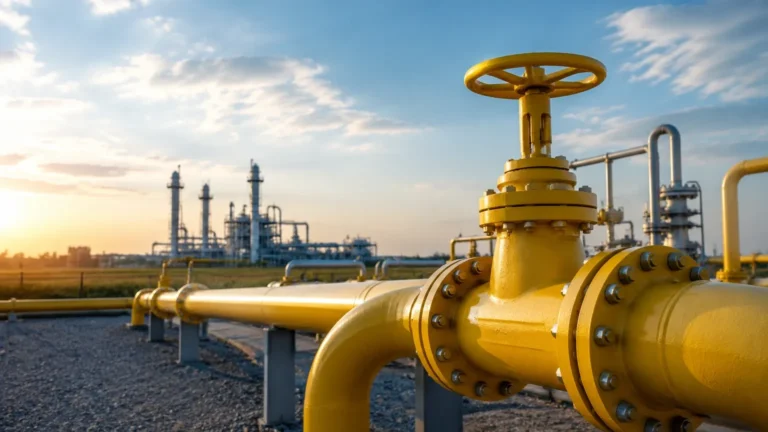
The industrial landscape of Houston, Texas, serves as a global epicenter for the energy, chemical, and logistics sectors. Specifically, the area surrounding Interdrive East in North Houston is home to critical infrastructure service providers like Rosen USA, which specializes in pipeline integrity and inspection. For engineers and facility managers operating within this high-stakes environment, the integration of reliable level measurement instrumentation is a fundamental requirement for maintaining safety, environmental compliance, and operational efficiency.
In the context of oil and gas midstream operations, chemical processing, and large-scale storage terminals, choosing the correct level sensor technology is not merely a procurement decision but a critical engineering task. This guide explores the principles of industrial level measurement, selection criteria for harsh environments, and the technical considerations essential for facilities located in industrial hubs like Houston.
Fundamental Principles of Industrial Level Measurement
Before selecting a specific instrument for a tank farm or processing plant, it is essential to understand the physics behind the various measurement technologies. Each principle offers distinct advantages depending on the physical properties of the medium and the environmental conditions of the site.
Radar Level Measurement
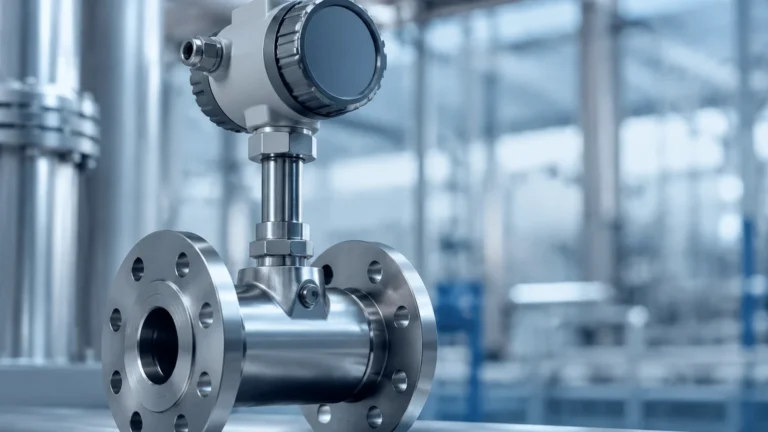
Radar level meters are among the most versatile tools in modern industrial automation. They operate on the principle of Time Domain Reflectometry (TDR) or Frequency Modulated Continuous Wave (FMCW).
1. Non-Contact Radar: This technology emits high-frequency microwave pulses (typically in the 26 GHz or 80 GHz range) toward the material surface. The sensor measures the time it takes for the signal to reflect back. Because microwaves do not require a physical medium to travel, they are unaffected by vacuum, high pressure, or temperature fluctuations.
2. Guided Wave Radar (GWR): GWR utilizes a physical probe (cable or rod) to guide the microwave signal to the liquid surface. This is particularly effective in liquids with low dielectric constants or in applications where surface turbulence and foam might scatter a non-contact signal.
Ultrasonic Level Sensors
Ultrasonic sensors function by emitting high-frequency sound waves. The sensor calculates the distance based on the time elapsed between the emission of the sound pulse and the reception of its echo.
* Advantages: They are cost-effective and easy to install for non-contact measurement in water treatment and simple chemical storage.
* Limitations: Sound speed is affected by air temperature and gas composition. In the humid and variable climate of Houston, ultrasonic sensors require integrated temperature compensation to maintain accuracy. They are generally unsuitable for vacuum applications or high-pressure tanks where sound propagation is inhibited.
Hydrostatic Level Transmitters
Hydrostatic measurement relies on the principle that the pressure at a specific depth in a liquid is proportional to the height of the liquid column above it. The formula used is $P = \rho \cdot g \cdot h$, where $P$ is pressure, $\rho$ (rho) is the density of the liquid, $g$ is gravity, and $h$ is the height.
These transmitters are typically submerged at the bottom of a tank or mounted to a side flange. They are highly reliable for vented tanks but require careful calibration if the density of the liquid changes due to temperature shifts.
Magnetic Level Gauges
Magnetic level gauges provide a high-visibility mechanical solution for high-pressure and high-temperature environments. A float containing a permanent magnet moves within a bypass chamber connected to the vessel. As the float rises and falls with the liquid level, it flips magnetic flags or rollers on an external scale, providing a clear visual indication without requiring power.
Industrial Applications Near Rosen USA Interdrive East Houston TX
The industrial corridor near Interdrive East in Houston is characterized by heavy-duty pipeline services and logistics. Companies like Rosen USA provide the inspection data necessary to prevent leaks, but the physical management of the fluids within these systems depends on accurate level monitoring.
In terminal operations, level meters are used for:
* Inventory Management: Precise measurement of crude oil, refined products, and chemical feedstocks.
* Overfill Prevention: High-level switches act as critical safety barriers to prevent environmental disasters and equipment damage.
* Interface Measurement: In separators, sensors must distinguish between oil and water layers, a task often handled by guided wave radar or specialized hydrostatic sensors.
Selection Criteria for Level Measurement Instruments
Selecting the appropriate instrument requires a systematic evaluation of the process conditions. The following table provides a comparison of common technologies used in the industrial sector.
| Technology | Typical Accuracy | Max Range | Media Suitability | Environmental Sensitivity |
| :— | :— | :— | :— | :— |
| 80 GHz Radar | ±1 mm | 120 m | Liquids, Solids, Slurries | Low (Immune to dust/vapor) |
| Ultrasonic | ±0.25% of range | 15 m | Water, Dilute Chemicals | High (Affected by temp/wind) |
| Hydrostatic | ±0.1% to 0.5% | 200 m | Clean Liquids, Oils | Medium (Density dependent) |
| Magnetic Gauge | ±5 mm | 6 m+ | Hazardous/Corrosive | Low (Mechanical reliability) |
| Capacitance | ±1% | 10 m | Non-conductive liquids | High (Coating/Build-up) |
Critical Evaluation Factors
1. Chemical Compatibility: For facilities handling corrosive substances, wetted parts must be constructed from materials like 316L stainless steel, PTFE, or Hastelloy.
2. Process Temperature and Pressure: Houston’s industrial applications often involve high-pressure storage. Radar and magnetic gauges are typically rated for higher pressures than standard ultrasonic units.
3. Vapor and Dust: In heavy oil applications or solid silos, dust and heavy vapors can attenuate ultrasonic signals. Radar is the preferred choice here due to its ability to penetrate these atmospheric interferences.
Installation and Engineering Considerations
Proper installation is as important as the technology selection itself. Even the most advanced radar meter will fail if installed incorrectly.
Avoiding Obstructions
Internal tank structures such as ladders, heating coils, and agitators can create "false echoes." When installing non-contact sensors, the beam angle must be calculated to ensure a clear path to the liquid surface. Modern sensors often include "false signal suppression" software to ignore these static echoes.
Dead Zones (Blocking Distance)
Every ultrasonic and radar sensor has a "dead zone" directly beneath the transducer where measurement is impossible. For example, an ultrasonic sensor might have a dead zone of 0.3 meters (approx. 1 foot). The sensor must be mounted high enough that the maximum liquid level never enters this zone.
Turbulence and Foam
In tanks with active mixing or high-speed filling, the surface may be turbulent or covered in foam. Foam can absorb ultrasonic and radar signals, leading to signal loss. In these scenarios, a stilling well (a vertical pipe installed inside the tank) can be used to provide a calm surface for measurement.
Technical Limitations and Common Risks
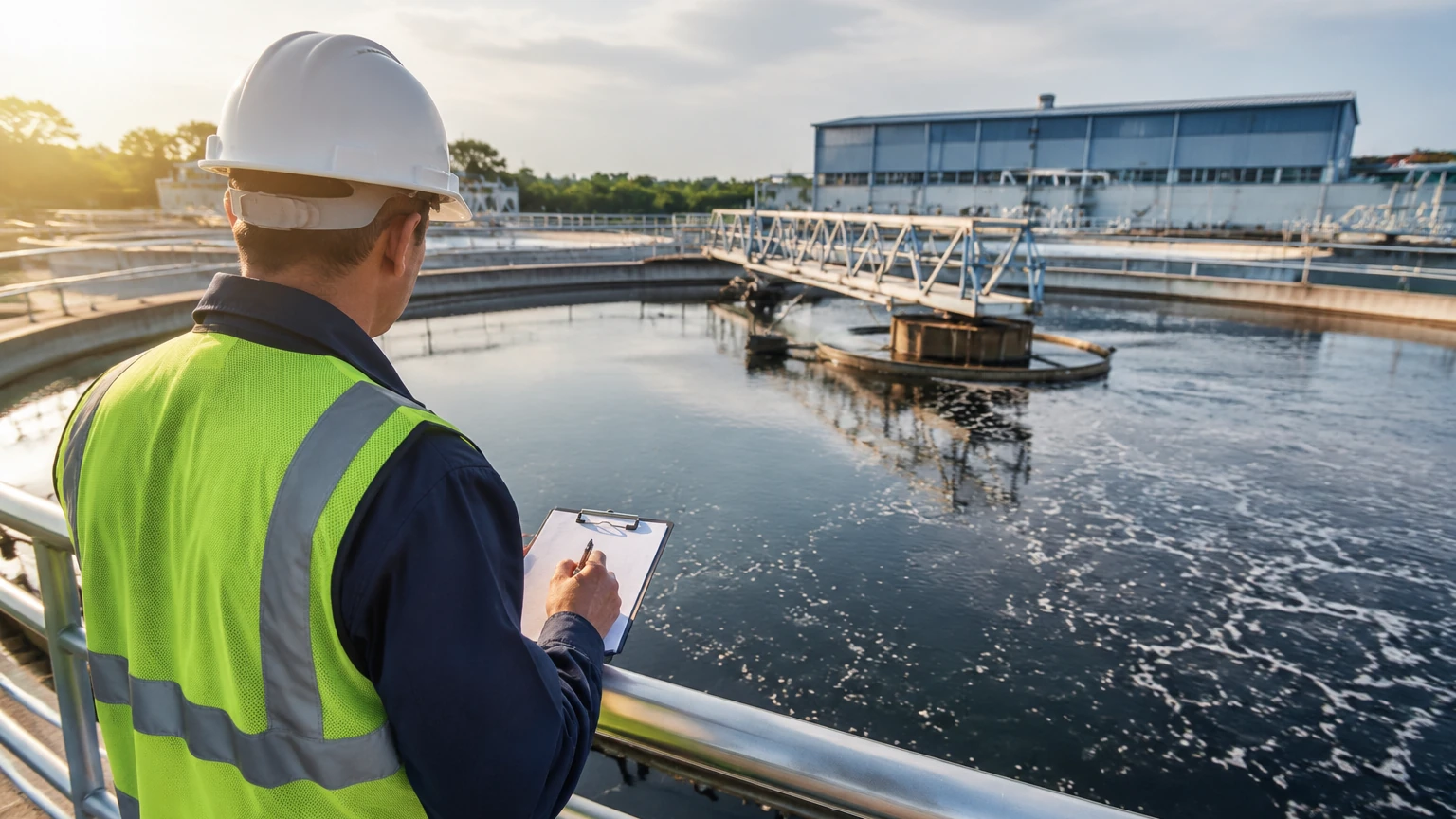
While modern instrumentation from manufacturers like Welk is highly advanced, engineers must remain aware of specific limitations:
* Dielectric Constant (εr): Radar signals rely on the dielectric difference between the air and the medium. Materials with very low dielectric constants (like some liquefied gases) reflect very little energy, requiring specialized high-sensitivity probes or GWR.
* Ambient Temperature Extremes: In Houston, outdoor tanks can reach high temperatures in the summer. Electronic housings should be UV-resistant and, in some cases, equipped with sunshades to prevent electronics from overheating.
* Build-up and Coating: In sticky or viscous media, material can build up on the sensor face or probe. While some radar units can compensate for minor coating, significant build-up will eventually cause measurement drift or failure.
Frequently Asked Questions (FAQ)
Q: How often should level meters be calibrated in a pipeline terminal environment?
A: Standard practice suggests an annual calibration check, though critical safety-instrumented systems (SIS) may require more frequent proof testing according to SIL (Safety Integrity Level) standards.
Q: Can one sensor work for both liquid and solid measurement?
A: High-frequency radar (80 GHz) is excellent for both. However, the internal software settings usually need to be toggled between "Liquid Mode" and "Solid Mode" to account for the different reflection characteristics of the surface.
Q: What is the benefit of using a 2-wire vs. a 4-wire transmitter?
A: 2-wire (loop-powered) transmitters are easier and cheaper to install as they carry both power and the 4-20mA signal on the same pair of wires. 4-wire transmitters are used when the sensor requires more power, such as for heated displays or high-power radar pulses.
Conclusion
For industrial operations in the Houston area, from the specialized integrity services of Rosen USA at Interdrive East to the massive refineries along the ship channel, precision in level measurement is non-negotiable. By understanding the underlying physics of radar, ultrasonic, and hydrostatic technologies, engineers can implement solutions that reduce downtime and enhance safety. For a comprehensive overview of available instrumentation and technical support for your specific application, please visit our Main Page to explore our full range of industrial level measurement solutions.