Silica Analyzers
Silica Analyzers
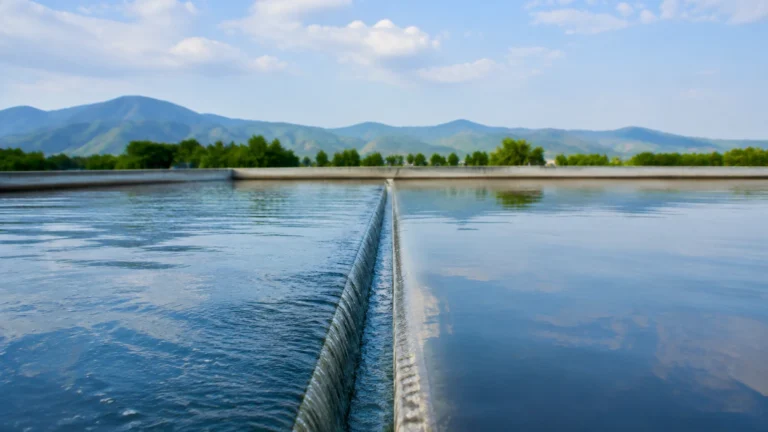
In the landscape of industrial water chemistry and process automation, silica analyzers represent a critical line of defense against equipment degradation and process inefficiency. Silica ($SiO_2$), while naturally occurring, is one of the most problematic contaminants in high-pressure steam cycles and ultrapure water production. For plant engineers and procurement specialists, understanding the technical nuances of silica detection is as vital as managing tank volumes and flow rates. This guide provides a comprehensive technical overview of silica analysis technology, its application in industrial environments, and how it integrates into broader process control frameworks.
Understanding Silica Measurement Principles
Silica measurement in industrial water is predominantly performed using wet chemistry automation. Unlike physical parameters such as level or temperature, silica concentration requires a chemical reaction to become detectable by optical sensors. The most widely accepted method for online analysis is the Molybdenum Blue colorimetric principle.
The Molybdenum Blue Method
This process involves a multi-step chemical reaction designed to produce a colored complex whose intensity is proportional to the silica concentration. The typical sequence is as follows:
1. Acidification: The water sample is first acidified, usually with sulfuric or hydrochloric acid, to ensure the silica is in a reactive state and to prevent the precipitation of other minerals.
2. Reagent Addition (Ammonium Molybdate): Ammonium molybdate is added to the sample. It reacts with the dissolved silica (and phosphates) to form yellow silicomolybdic acid complexes.
3. Phosphate Masking: Since phosphates also react with molybdate, a masking agent (such as oxalic or citric acid) is added to destroy the phosphomolybdic acid, ensuring that only silica is measured.
4. Reduction: A reducing agent (typically an amino-acid-based reagent or ascorbic acid) is introduced to convert the yellow silicomolybdic acid into an intense blue complex known as "Heteropoly Blue."
5. Photometric Detection: The analyzer passes a light beam through the blue sample. By measuring the absorbance at a specific wavelength—usually between 810 nm and 820 nm—the instrument calculates the silica concentration based on the Beer-Lambert Law.
Alternative Methods
While colorimetry is the standard for online monitoring, other methods exist for specific laboratory or high-end applications:
* Ion Chromatography (IC): Used primarily in laboratories for multi-ion analysis. It offers high precision but is complex and expensive for continuous online monitoring.
* Atomic Absorption Spectroscopy (AAS): Provides elemental analysis but is rarely used for real-time process control due to the need for combustible gases and high maintenance.
Why Silica Monitoring is Critical in B2B Industrial Processes
Silica is often referred to as a "silent killer" in industrial utility systems. Its presence, even in parts-per-billion (ppb) levels, can lead to catastrophic failures in high-stakes environments.
Power Generation and Steam Cycles
In high-pressure boilers, silica can volatilize into the steam. As the steam expands through a turbine, the temperature and pressure drop, causing the silica to precipitate and form hard, glass-like scales on turbine blades. This scaling disrupts the aerodynamic profile of the blades, reduces efficiency, and can cause mechanical imbalances leading to costly shutdowns. Effective monitoring ensures that silica levels remain below the strict limits (often <10 ppb) required by turbine manufacturers.
Semiconductor and Electronics Manufacturing
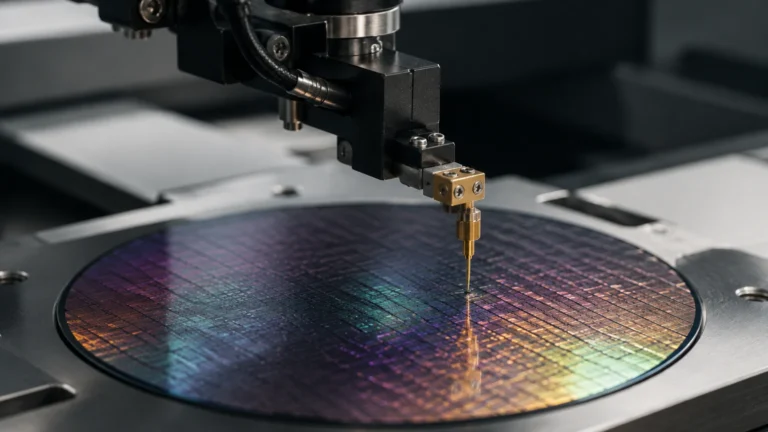
Ultrapure water (UPW) is the lifeblood of microchip fabrication. Silica can interfere with the etching and cleaning processes, leading to wafer defects. Online silica analyzers are deployed at the outlet of ion exchange beds to detect "silica slip," which often occurs before other ions break through, acting as an early warning system for resin exhaustion.
Industrial Automation and Level Control
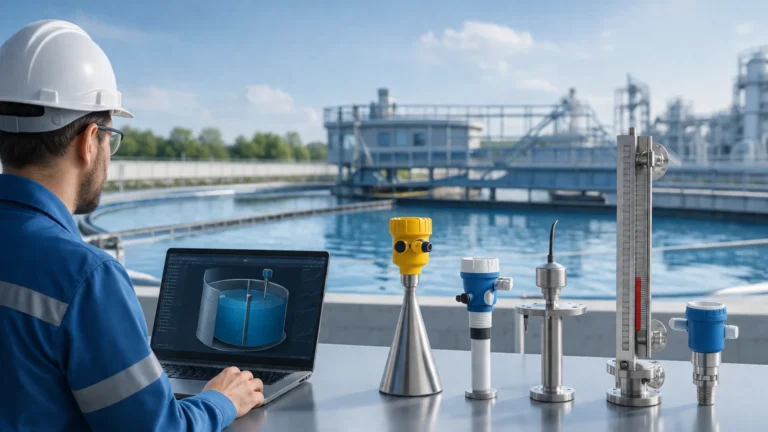
In chemical processing and water treatment plants, silica analyzers work in tandem with other instrumentation. For instance, while a silica analyzer monitors the quality of the effluent, industrial level meters ensure that the chemical reagent tanks feeding the analyzer are properly managed. For those seeking reliable instrumentation for these supporting roles, reviewing the Main Page of professional manufacturers can provide the necessary hardware for a complete system integration.
Key Evaluation Criteria for Silica Analyzers
When selecting a silica analyzer for industrial use, B2B buyers must look beyond the initial purchase price and evaluate the Total Cost of Ownership (TCO) and technical performance.
1. Detection Limit and Range: For boiler feed water, an analyzer must have a Lower Limit of Detection (LOD) of at least 0.5 ppb. For cooling water applications, a range extending into the parts-per-million (ppm) level is more appropriate.
2. Reagent Consumption: Reagents are the primary recurring cost. Analyzers that use micro-fluidics or optimized injection sequences can significantly reduce chemical waste and maintenance frequency.
3. Multi-Stream Capability: Many modern analyzers can sequence samples from multiple sources (e.g., three different boiler drums). This reduces the cost per measurement point but requires a robust internal valve manifold.
4. Calibration Frequency: Automatic calibration using an internal standard is a highly desirable feature, as it ensures accuracy without manual intervention.
Selection Table: Comparing Silica Analysis Technologies
| Feature | Low-Range Online (Colorimetric) | High-Range Online (Colorimetric) | Laboratory Photometer | Ion Chromatography |
| :— | :— | :— | :— | :— |
| Typical Range | 0.5 ppb – 5,000 ppb | 0.1 ppm – 100 ppm | 1 ppb – 100 ppm | 0.1 ppb – 1,000 ppm |
| Accuracy | ±2% of reading | ±5% of reading | ±3% of reading | ±1% of reading |
| Analysis Time | 10–15 minutes | 5–10 minutes | Manual (5–20 min) | 20–40 minutes |
| Maintenance | Monthly reagent swap | Monthly reagent swap | Daily cleaning | High (Specialist) |
| Primary Use | Turbine protection | Cooling water/Process | Spot checks | Research/Validation |
Installation and Maintenance Considerations
Proper installation is paramount to the accuracy of a silica analyzer. Because these instruments measure at the ppb level, even minor contamination can skew results.
Sample Conditioning
Industrial process water is often too hot or under too much pressure for direct analysis. A sample conditioning skid is usually required to:
* Reduce Temperature: The sample must be cooled to between 20°C and 40°C. Fluctuating temperatures can affect the kinetics of the chemical reaction.
* Regulate Pressure: A constant flow rate is necessary for the analyzer’s internal dosing system to function correctly. Pressure should typically be regulated to around 0.5–2.0 bar (approx. 7–29 psi).
* Filtration: While silica is dissolved, suspended solids can clog capillaries. A 60-micron filter is a common requirement.
Piping Materials
To avoid leaching silica into the sample, stainless steel or high-density polyethylene (HDPE) tubing should be used. Standard glass containers or low-grade plastics must be avoided, as they can contribute trace amounts of silica to the water, leading to false high readings.
Reagent Management
Reagents have a finite shelf life, typically 3 to 6 months. Analyzers should be placed in a climate-controlled environment to prevent the degradation of heat-sensitive reducing agents. Furthermore, the level of these reagents must be monitored to prevent the analyzer from running dry, which could damage the internal pumps or lead to air bubbles in the optical cell.

Limitations and Common Risks
While silica analyzers are highly accurate, they are not without limitations. Engineers must be aware of the following risks:
* Phosphate Interference: If the phosphate masking step fails (due to reagent exhaustion), the analyzer will report a combined silica/phosphate value, leading to unnecessary blowdowns or resin regenerations.
* Temperature Sensitivity: The color development reaction is temperature-dependent. If the analyzer is installed in an environment with extreme temperature swings without internal compensation, the results may drift.
* Reactive vs. Non-Reactive Silica: Colorimetric analyzers only measure "reactive" silica (monomeric silica). They do not detect colloidal or particulate silica. In some water sources, colloidal silica can be significant and may require additional treatment or different analytical methods like ICP-OES for total silica determination.
Integrating Analysis with Level Control Systems
In a complex B2B industrial environment, a silica analyzer does not operate in isolation. It is part of a broader ecosystem of fluid management. For example, the reagents used in the analyzer are often stored in small tanks that require precise level monitoring to ensure continuous operation.
Furthermore, the water treatment skids where silica analyzers are installed—such as demineralizers or reverse osmosis (RO) units—rely heavily on level sensors to manage tank levels and prevent pump dry-run. High-precision radar or ultrasonic level meters, such as those found on the Main Page, provide the necessary data to the PLC (Programmable Logic Controller) to coordinate the entire treatment process. When the silica analyzer detects a breakthrough, the system can automatically trigger a valve to divert the water, while the level sensors ensure there is enough storage capacity in the waste or recycle tanks.
Frequently Asked Questions (FAQs)
Q: How often should a silica analyzer be calibrated?
A: Most industrial online analyzers perform an automatic zero-point calibration daily. A full span calibration using a known silica standard is typically recommended once a week or whenever reagents are replaced.
Q: Can one analyzer monitor multiple points?
A: Yes, multi-stream analyzers can handle up to 6 or 8 streams. However, the cycle time increases with each stream. If you have 4 streams and each takes 15 minutes to analyze, each point is only updated once per hour.
Q: What is the difference between dissolved silica and colloidal silica?
A: Dissolved silica is chemically reactive and easily measured by colorimetry. Colloidal silica consists of polymerized silica molecules that are not chemically reactive in standard tests. Colloidal silica can still cause scaling if it breaks down under high temperature and pressure in a boiler.
Q: What is the typical reagent life for an online silica analyzer?
A: Depending on the sample frequency and the specific model, reagents usually last between 30 and 90 days. It is critical to monitor reagent levels to avoid downtime.
Conclusion
Silica analyzers are indispensable tools for maintaining the integrity of high-value industrial assets. By providing real-time data on silica concentrations, they allow for proactive management of water chemistry, preventing the catastrophic scaling of turbines and boilers. When selecting an analyzer, engineers must balance the need for ppb-level sensitivity with the practicalities of reagent consumption and maintenance.
Integrating these analyzers into a robust control system—supported by reliable level measurement technologies for reagent and process tanks—ensures a holistic approach to industrial automation. For more information on the level measurement components that support these critical processes, engineers are encouraged to Review product options and application support to find the right solutions for their specific industrial requirements.