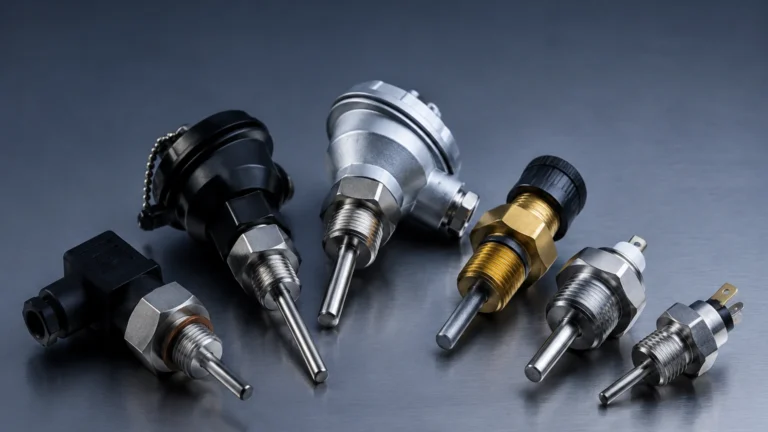
Tss Probe
Tss Probe
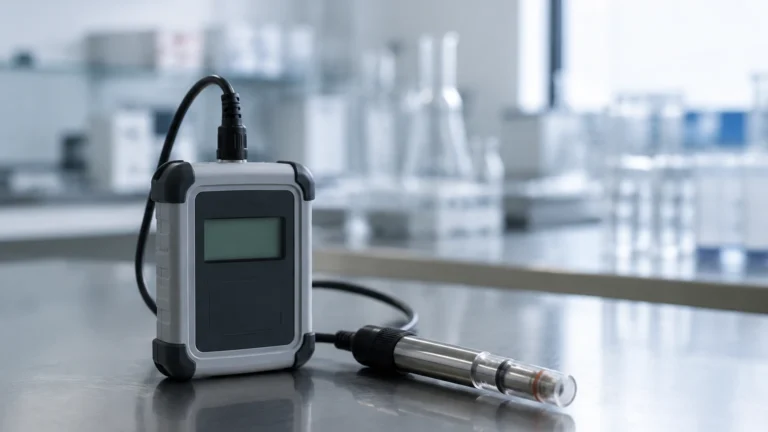
Total Suspended Solids (TSS) measurement is a critical parameter in wastewater treatment, industrial process control, and environmental monitoring. A tss probe is an in-situ analytical instrument designed to provide real-time data on the concentration of suspended particles in a liquid medium. Unlike laboratory gravimetric analysis, which requires manual sampling and drying processes that can take hours, an electronic probe offers immediate feedback, allowing for automated chemical dosing and process adjustments.
In industrial automation, the integration of TSS monitoring alongside level measurement ensures a comprehensive understanding of tank dynamics and effluent quality. As a professional manufacturer, Welk provides a variety of measurement solutions, which can be explored further on our Main Page, to help engineers optimize their liquid management systems.
Core Measurement Principles of a TSS Probe
To select the correct instrument, it is essential to understand the physics behind how a TSS probe detects particles. Most modern probes utilize optical methods, specifically light scattering or light absorption, to correlate optical signals with mass concentration.
1. Light Scattering (Nephelometry)
This principle is based on the ISO 7027 standard. The probe emits a light beam—typically in the near-infrared range (860 nm) to minimize interference from the color of the liquid. When this light hits suspended particles, it scatters. Sensors positioned at a 90-degree angle to the light source measure this scattered light. This method is highly sensitive and is primarily used for low to medium concentrations of suspended solids.
2. Backscattering
For high-concentration environments, such as activated sludge or industrial slurries, 90-degree scattering becomes unreliable due to multiple scattering events where light is blocked by the density of the particles. In these cases, a TSS probe uses backscattering (often at 135 or 180 degrees). The sensor measures the light reflected directly back toward the source, which allows for accurate readings in very thick media where light cannot penetrate deeply.
3. Light Attenuation (Absorption)
This method measures the decrease in light intensity as it passes through a fixed gap in the probe. The more particles present, the more light is absorbed or blocked. This is often used in flow-through cells or high-range probes where the concentration exceeds the limits of scattering sensors.
Key Technical Specifications and Evaluation Criteria
When evaluating a TSS probe for industrial use, engineers must look beyond the basic measurement range. The durability of the sensor and its ability to maintain accuracy in harsh environments are paramount.
Measurement Range and Units
TSS is typically measured in mg/L (milligrams per liter), g/L (grams per liter), or ppm (parts per million). It is important to note that while turbidity (measured in NTU) and TSS are related, they are not the same. Turbidity measures light clarity, while TSS measures mass. A TSS probe often requires a site-specific calibration to correlate optical turbidity to the specific mass of the solids present in that particular process.
Material Compatibility
The probe body must withstand the chemical nature of the process liquid. Common materials include:
* Stainless Steel (316L): Standard for most water and wastewater applications.
* PVC or PP: Used for corrosive chemical environments where metals might react.
* Titanium: Reserved for highly aggressive media or seawater applications.
* Sapphire Glass: Often used for the optical window due to its extreme scratch resistance.
Cleaning Mechanisms
One of the biggest challenges for any submerged optical sensor is biofouling or mineral scaling. A high-quality TSS probe will feature an integrated cleaning system, such as a mechanical wiper, an air-blast port, or an ultrasonic cleaning head, to ensure the optical window remains clear without manual intervention.
Selection Guide: Matching Probes to Industrial Applications
Different stages of a process require different sensor configurations. Use the following table as a general reference for selection:
| Application | Typical Range | Preferred Principle | Recommended Features |
| :— | :— | :— | :— |
| Effluent Monitoring | 0–100 mg/L | 90° Scattering | High sensitivity, fine resolution |
| Aeration Tanks | 2,000–5,000 mg/L | Backscattering | Mechanical wiper, rugged housing |
| Return Activated Sludge | 5,000–15,000 mg/L | Backscattering/Absorption | High-range calibration, fouling resistance |
| Industrial Slurry | Up to 100 g/L | Attenuation | Specialized optical path length |
| Drinking Water | 0–10 mg/L | 90° Scattering | Ultra-low range, sanitary fittings |
Installation Considerations for Accurate Monitoring
The physical placement of a TSS probe significantly impacts the reliability of the data. Even the most accurate sensor will provide poor results if installed in a location that does not represent the bulk liquid.
1. Avoid Air Bubbles: Entrained air bubbles scatter light just like solid particles, leading to artificially high readings. Probes should be installed in areas of steady flow, away from pumps, flumes, or splashing inlets where air might be introduced.
2. Flow Velocity: A minimum flow velocity (typically >0.3 m/s) is often required to keep particles in suspension and prevent them from settling on the sensor face. Conversely, extremely high velocity can cause cavitation or physical damage.
3. Orientation: In pipe installations, the probe should ideally be mounted on the side (3 o'clock or 9 o'clock position). Mounting on the bottom risks the sensor being covered by settled grit, while mounting on the top risks interference from air pockets.
4. Submergence Depth: For open channel or tank installations, the probe should be submerged deep enough to avoid surface foam but high enough to avoid the sludge blanket at the bottom.
5. Ambient Light Shielding: While most modern probes use pulsed infrared light to filter out ambient noise, installing the probe in direct, intense sunlight can sometimes interfere with sensitive low-range measurements. Using a sunshade or installing the probe deeper in the tank can mitigate this.
Maintenance and Calibration Protocols
To maintain the integrity of a TSS probe, a structured maintenance schedule is required. Unlike level meters, which are often "set and forget," analytical probes interact directly with the chemistry of the fluid.
Calibration
Calibration is typically a two-step process:
* Zero Calibration: Performed using deionized or filtered water to ensure the sensor reads zero when no solids are present.
* Slope/Span Calibration: This must be done using a sample of the actual process liquid. A sample is taken at the same time the probe takes a reading. The sample is then analyzed in a lab using the gravimetric method. The probe’s internal slope is then adjusted to match the lab result. Because the shape, color, and density of particles vary between sites, a factory calibration is rarely sufficient for TSS.
Routine Inspection
Even with an automatic wiper, the seals and the wiper blade itself are wear items. In typical wastewater applications, wiper blades should be inspected every 3 to 6 months and replaced if they show signs of hardening or tearing. The optical window should be checked for scratches or "filming" that the wiper cannot remove.
Common Challenges and Limitations
While a TSS probe is an invaluable tool, users should be aware of its factual boundaries and limitations:
* Particle Size Sensitivity: Optical probes are sensitive to particle size distribution. If the process changes such that the particles become significantly smaller or larger (even if the total mass remains the same), the optical reading may shift.
* Color Interference: Although infrared light minimizes color interference, extremely dark or highly refractive dyes in industrial wastewater can still affect light absorption rates.
* Representative Sampling: The probe only measures the small volume of liquid directly in front of its sensor. If the tank is not well-mixed, the probe reading will not reflect the average concentration of the entire vessel.
Conclusion
Implementing a TSS probe into an industrial or municipal water system allows for precise control over solids management, reducing chemical costs and ensuring environmental compliance. By understanding the optical principles of scattering and absorption, and by following rigorous installation and calibration standards, engineers can achieve reliable, continuous data. For a complete range of industrial measurement instrumentation, including level transmitters and analytical sensors, visit the Welk Main Page to find the right solution for your specific application requirements.
Frequently Asked Questions
Q: How often does a TSS probe need to be calibrated?
A: This depends on the stability of the process. In most municipal wastewater applications, a monthly check against a lab sample is standard. If the process is highly volatile, weekly checks may be necessary initially.
Q: Can a TSS probe measure dissolved solids (TDS)?
A: No. TSS probes measure suspended (insoluble) solids. Dissolved solids do not scatter light in the same way and must be measured using conductivity or specialized TDS sensors.
Q: What is the difference between a submersible probe and a flow-through sensor?
A: A submersible probe is designed to be lowered into a tank or open channel. A flow-through sensor is integrated into a pipe system, often via a bypass line, allowing for measurement under pressure and easier maintenance access without reaching into a tank.