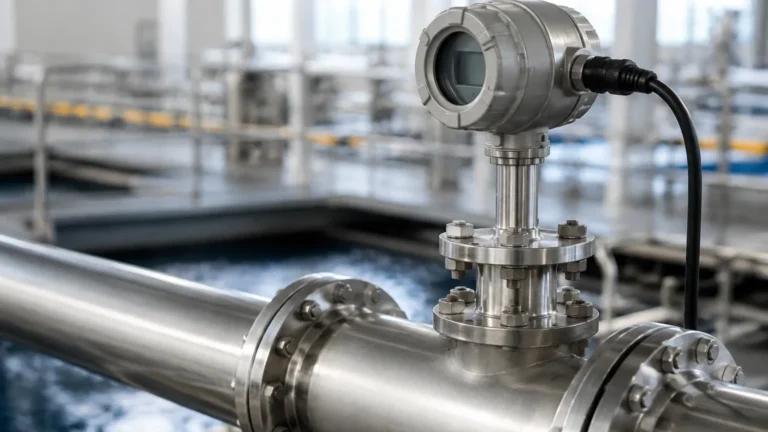
Specialized Sensor for Combustion Gas Analysis
Specialized Sensor for Combustion Gas Analysis
In the landscape of industrial automation and process control, the specialized sensor for combustion gas analysis serves as a critical component for optimizing fuel efficiency, ensuring environmental compliance, and maintaining operational safety. Whether in a power plant, a chemical refinery, or a large-scale boiler room, understanding the composition of flue gases allows engineers to adjust the air-to-fuel ratio, reducing waste and harmful emissions. This guide explores the fundamental principles, selection criteria, and installation requirements for these sensors, while contextualizing their role alongside other vital process instruments like level measurement systems.
Measurement Principles of Combustion Gas Sensors
Before selecting a specialized sensor for combustion gas analysis, it is essential to understand the underlying physical and chemical principles that govern their operation. Different gases require different detection technologies to ensure accuracy and longevity in harsh environments.
Zirconia (Zirconium Oxide) Sensors
Zirconia sensors are primarily used for oxygen (O2) measurement in high-temperature flue gases. The sensor consists of a ceramic tube or disc made of zirconium dioxide, stabilized with yttrium oxide. At temperatures above 600°C, the zirconia becomes a solid electrolyte that conducts oxygen ions. By creating a concentration cell with a reference gas (usually ambient air) on one side and the process gas on the other, a voltage (EMF) is generated according to the Nernst equation. This voltage is proportional to the logarithm of the ratio of the oxygen partial pressures, providing a highly accurate reading of excess oxygen in the combustion chamber.
Electrochemical Sensors
Commonly used for toxic gases such as carbon monoxide (CO), nitrogen oxides (NOx), and sulfur dioxide (SO2), electrochemical sensors operate at much lower temperatures. These sensors feature a sensing electrode, a counter electrode, and sometimes a reference electrode, all submerged in a liquid or gel electrolyte. When the target gas diffuses into the sensor, a chemical redox reaction occurs at the electrode surface, generating an electrical current proportional to the gas concentration. These are often found in portable analyzers or low-temperature flue applications.
Non-Dispersive Infrared (NDIR) Sensors
NDIR sensors are optical devices used to detect infrared-active gases like CO, CO2, and hydrocarbons (CH4). The principle is based on the Beer-Lambert Law, which states that different gases absorb specific wavelengths of infrared light. An NDIR sensor consists of an IR source, a sample chamber, a wavelength filter, and an IR detector. As the combustion gas passes through the chamber, the target gas absorbs a portion of the IR energy. The reduction in intensity measured by the detector allows the system to calculate the gas concentration. These sensors are valued for their long-term stability and lack of moving parts.
Integration with Level Measurement Systems
In a comprehensive industrial process, gas analysis does not exist in isolation. For instance, in a thermal power plant, the efficiency of the combustion process is directly linked to the consistent supply of fuel. Monitoring the volume of fuel oil or pulverized coal in storage silos requires robust level measurement solutions.
Advanced technologies such as radar level meters and ultrasonic sensors provide the real-time data necessary to manage these inventories. For engineers looking to optimize their entire process loop—from fuel storage to emissions monitoring—reviewing product options and application support on the Welk Main Page is a practical step toward achieving integrated automation. By correlating fuel consumption levels with combustion gas data, operators can identify leaks, inefficiencies, or variations in fuel quality that might otherwise go unnoticed.
Practical Selection Criteria
Choosing the right specialized sensor for combustion gas analysis depends on the specific demands of the process. The following table summarizes the key characteristics of common sensor types used in industrial combustion monitoring.
| Sensor Technology | Primary Target Gases | Operating Temperature Range | Typical Accuracy | Expected Lifespan |
| :— | :— | :— | :— | :— |
| Zirconia | O2 | 600°C to 1400°C | ±1% of reading | 3 to 5 years |
| Electrochemical | CO, NO, SO2, O2 | -20°C to 50°C | ±2% of full scale | 1 to 2 years |
| NDIR | CO, CO2, CH4 | 0°C to 70°C | ±1% of full scale | 5 to 10 years |
| Tunable Laser (TDLS) | O2, CO, NH3, H2O | Up to 1500°C | ±1% of reading | 5+ years |
Key Evaluation Factors
1. Response Time (T90): In closed-loop control systems, the speed at which a sensor detects a change in gas concentration (the time to reach 90% of the final value) is critical. Zirconia sensors usually offer very fast response times, making them ideal for "trim" control.
2. Cross-Sensitivity: Some sensors may react to gases other than the target. For example, electrochemical CO sensors can be sensitive to hydrogen. Selecting a sensor with high selectivity or integrated filters is necessary for accurate data.
3. Dust and Particulate Loading: Flue gas often contains fly ash or soot. Sensors must be protected by high-quality ceramic or metallic filters to prevent clogging and abrasion.
4. Corrosive Environment: The presence of SO2 and water vapor can form sulfuric acid, which is highly corrosive. Sensor housings and wetted parts must be constructed from corrosion-resistant materials like Hastelloy or high-grade stainless steel.
Installation Considerations
The physical placement of a specialized sensor for combustion gas analysis significantly impacts the reliability of the measurements. Poor installation can lead to stratified gas readings or premature sensor failure.
Probe Placement
The probe should be installed in a section of the flue or duct where the gas flow is well-mixed and representative of the entire combustion stream. It is generally recommended to install the probe at least five duct diameters downstream and two diameters upstream from any bends, dampers, or obstructions.
In-Situ vs. Extractive Sampling
* In-Situ Installation: The sensor is placed directly into the gas stream. This eliminates the need for complex sampling lines and provides the fastest response time. However, the sensor must be able to withstand the full heat and particulate load of the flue.
* Extractive Sampling: Gas is pulled from the flue through a heated line to an analyzer located in a controlled environment. This allows for better filtration and moisture removal (conditioning) but introduces a delay in measurement and requires more maintenance of the sampling system.
Condensate Management
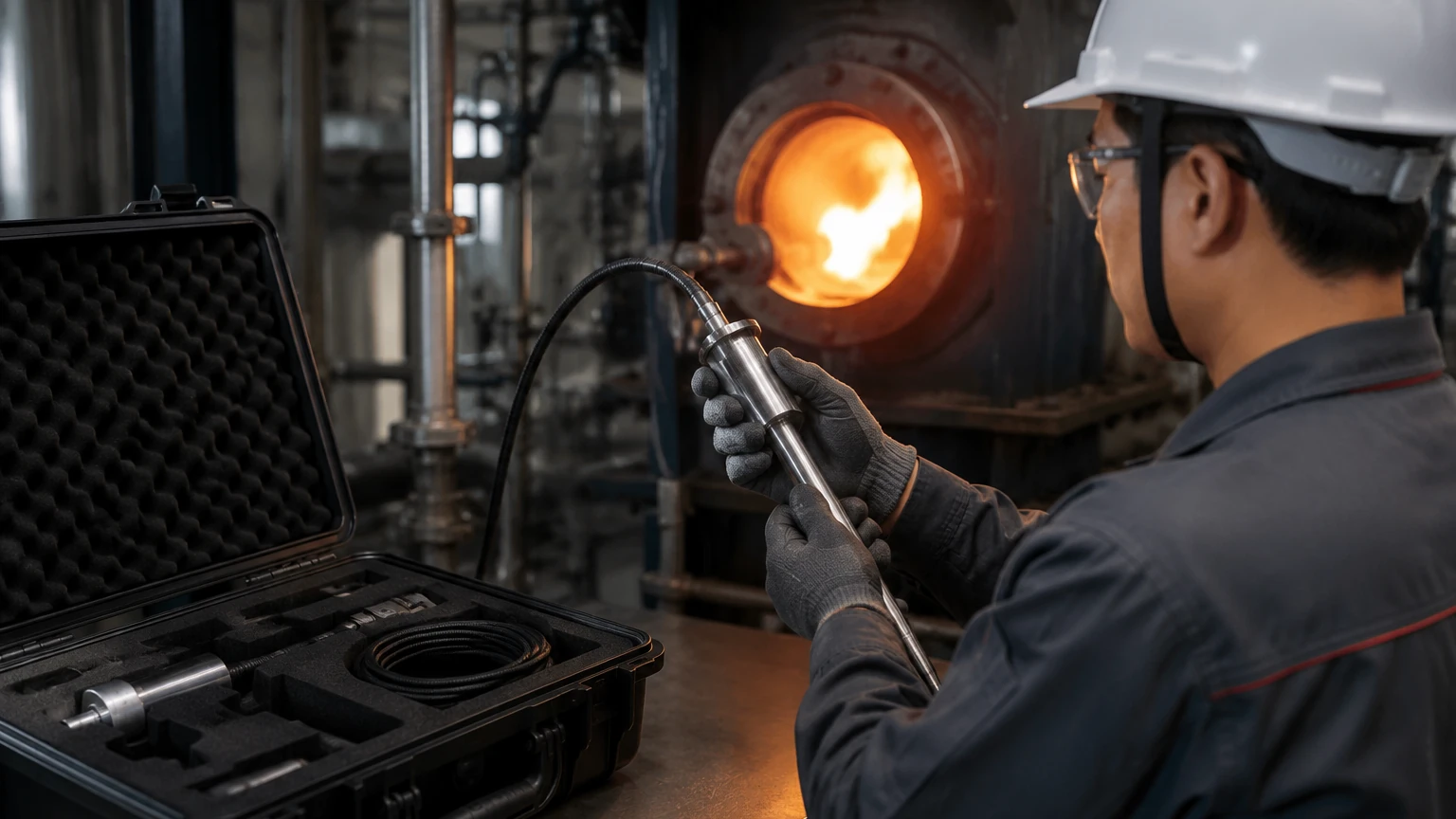
Combustion gases contain significant amounts of water vapor. If the gas cools below its dew point, condensate will form. This liquid water can damage electrochemical sensors or interfere with the optical path of NDIR sensors. In extractive systems, a sample cooler or water trap is mandatory to remove moisture before the gas reaches the specialized sensor for combustion gas analysis.
Limitations and Common Risks
While highly effective, these sensors have inherent limitations that must be managed through proper engineering and maintenance.
* Sensor Poisoning: Certain chemicals, such as lead, silicon, or high concentrations of sulfur, can "poison" the catalyst in electrochemical or zirconia sensors, leading to a permanent loss of sensitivity.
* Calibration Drift: All gas sensors experience some degree of drift over time due to aging or environmental changes. Regular calibration using certified span gases is necessary to maintain accuracy.
* Temperature Sensitivity: If an in-situ sensor's cooling system fails or if the process temperature exceeds the sensor's rated limit, the sensing element may suffer irreversible thermal damage.
* Pressure Fluctuations: Changes in duct pressure can affect the partial pressure of the gases being measured, leading to false readings. High-end analyzers often include pressure compensation sensors to mitigate this effect.
Frequently Asked Questions (FAQs)
Q: How often should a combustion gas sensor be calibrated?
A: For most industrial applications, a monthly calibration check is recommended. However, in critical safety or high-accuracy control loops, weekly or even daily automated zero/span checks may be necessary.
Q: Can a zirconia sensor measure oxygen in a reducing atmosphere?
A: Zirconia sensors are designed for oxidizing atmospheres (excess air). In a reducing atmosphere (where there is no free oxygen), the sensor will read near zero, but prolonged exposure to reducing conditions at high temperatures can damage the electrodes.
Q: What is the difference between "Dry" and "Wet" gas analysis?
A: "Wet" analysis measures the gas as it exists in the flue, including water vapor (common with in-situ sensors). "Dry" analysis removes the water vapor before measurement (common with extractive systems). To compare the two, a mathematical correction based on the moisture content must be applied.
Q: How does dust affect NDIR sensors?
A: Dust can coat the optical windows or the internal reflective surfaces of the sample cell, reducing the light intensity reaching the detector. This is usually compensated for by a reference beam, but excessive dust will eventually trigger a low-signal alarm and require cleaning.
Summary and Next Steps
Implementing a specialized sensor for combustion gas analysis is a vital step for any facility aiming to improve its energy efficiency and reduce its carbon footprint. By understanding the principles of Zirconia, NDIR, and electrochemical technologies, engineers can select the most appropriate tool for their specific environment.
Successful combustion management requires a holistic view of the process. This includes not only gas analysis but also the precise monitoring of the liquid and solid levels in fuel and chemical tanks. For detailed specifications on the level measurement side of process automation, visiting the Welk Main Page provides access to technical data on radar, ultrasonic, and hydrostatic transmitters that complement gas analysis systems. Proper selection, combined with strategic installation and a rigorous maintenance schedule, ensures that these sensors provide reliable data for years to come.
Download Specialized Sensor for Combustion Gas Analysis as a PDF