Sulfur Pit
Sulfur Pit
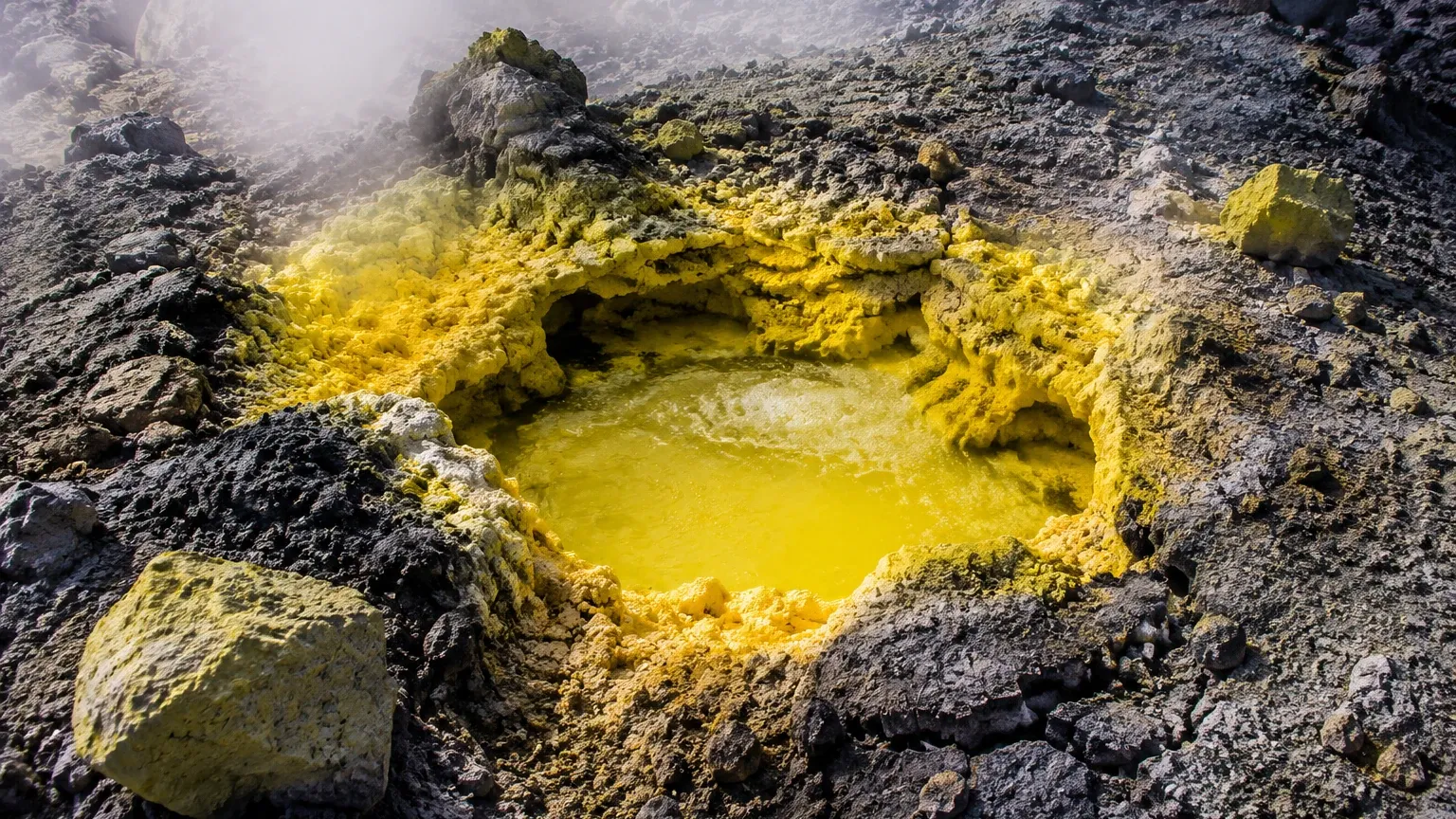
In the refining and natural gas processing industries, the sulfur recovery unit (SRU) plays a critical role in environmental compliance and byproduct management. At the heart of this process is the sulfur pit, a specialized storage vessel designed to collect and hold molten sulfur before it is degassed, granulated, or transported. Managing a sulfur pit presents unique engineering challenges, particularly regarding level measurement, due to the extreme physical properties of elemental sulfur and the hazardous nature of the gases involved.
Understanding the Sulfur Pit Environment
Liquid sulfur is a demanding medium. To remain in a pumpable, liquid state, it must be maintained within a narrow temperature window, typically between 125°C and 155°C (257°F to 311°F). If the temperature drops below approximately 119°C, the sulfur solidifies, potentially clogging pipes and damaging instrumentation. Conversely, if the temperature exceeds 160°C, the viscosity of the sulfur increases dramatically—rising from approximately 7 centipoise to over 90,000 centipoise—making it nearly impossible to pump.
Beyond temperature control, the sulfur pit atmosphere is highly corrosive and toxic. It contains hydrogen sulfide (H2S) and sulfur dioxide (SO2), along with sulfur vapors that can sublimate (transition from gas to solid) on cooler surfaces. These factors make the selection of level measurement instruments a critical decision for process safety and operational continuity.
Principles of Level Measurement in Sulfur Pits
To effectively monitor the liquid level in a sulfur pit, engineers must deploy technologies that can withstand the heat, resist corrosion, and ignore the heavy vapors present in the headspace. Several measurement principles are commonly applied, each with specific advantages and requirements.
1. Non-Contacting Radar (FMCW)
Frequency Modulated Continuous Wave (FMCW) radar, particularly operating at high frequencies like 80GHz, is often considered the gold standard for sulfur pit applications. This technology works by emitting a continuous signal with a changing frequency. The difference between the emitted and received frequency is proportional to the distance to the liquid surface.
* Advantages: No moving parts, no contact with the corrosive medium, and high accuracy. High-frequency radar (80GHz) offers a narrow beam angle, which is essential for avoiding internal obstructions like heating coils or pit walls.
* Considerations: To prevent sulfur sublimation on the antenna, radar units are typically equipped with a purging system (using nitrogen or steam) and an isolation window or lens.
2. Guided Wave Radar (GWR)
Guided Wave Radar utilizes Time Domain Reflectometry (TDR). A low-energy microwave pulse is sent down a probe (waveguide). When the pulse hits the liquid sulfur, which has a higher dielectric constant than the air/vapor space, the signal is reflected back to the transmitter.
* Advantages: GWR is highly effective in narrow tanks or pits where internal structures might interfere with non-contacting signals. It is also less affected by changes in vapor composition.
* Considerations: Because the probe is in direct contact with the molten sulfur, it is susceptible to "freezing" if the probe is not sufficiently heated. Single-rod probes are preferred over coaxial probes to minimize the risk of sulfur buildup bridging the gap.
3. Magnetic Level Gauges (MLG)
Magnetic level gauges operate on the principle of buoyancy. A float containing a magnet moves with the liquid level inside a bypass chamber. This magnet actuates flags or a transmitter located outside the chamber.
* Advantages: Provides a clear visual indication for local operators and does not require power for the visual display.
* Considerations: For sulfur pits, the chamber must be fully steam-jacketed to prevent the sulfur from solidifying inside. If the sulfur freezes, the float will become stuck, leading to false readings.
Technology Selection Criteria
Selecting the right instrument requires a thorough evaluation of the pit's physical layout and the specific process conditions. The following table provides a comparison of the most common technologies used in sulfur pit level monitoring.
| Feature | 80GHz Non-Contact Radar | Guided Wave Radar (GWR) | Magnetic Level Gauge |
| :— | :— | :— | :— |
| Measurement Principle | FMCW (Time of Flight) | TDR (Guided Pulse) | Buoyancy / Magnetic |
| Contact with Medium | Non-contacting | Contacting (Probe) | Contacting (Float) |
| Maintenance Level | Low (with purging) | Moderate | High (chamber cleaning) |
| Accuracy | ±2 mm | ±3 mm | ±5 mm |
| Vapor Resistance | Excellent | Good | Excellent |
| Primary Risk | Sublimation on lens | Sulfur buildup on probe | Float sticking/freezing |
Installation Considerations for Sulfur Pits
Successful level measurement in a sulfur pit depends as much on the installation method as it does on the instrument itself. Because the environment is prone to solidification and corrosion, several best practices should be followed:
1. Steam Jacketing and Tracing: Any part of the instrument that comes into contact with the sulfur or the vapor space must be kept at a constant temperature (typically 135°C–145°C). This includes the mounting nozzles, bypass chambers for MLGs, and the process connections for radar units.
2. Purging Systems: For non-contacting radar, a continuous nitrogen purge is highly recommended. This creates a positive pressure barrier that prevents H2S and sulfur vapors from reaching the antenna lens, thereby preventing crystallization and corrosion.
3. Nozzle Design: Nozzles should be as short and wide as possible to minimize the surface area where sulfur can collect and solidify. If using radar, ensure the nozzle does not interfere with the signal beam angle.
4. Stilling Wells: In pits with significant turbulence or surface foam, a stilling well (a vertical pipe submerged in the liquid) can provide a calm surface for radar measurement. However, the stilling well itself must be heated to prevent sulfur from plugging the equalization holes.
Limitations and Common Risks
Despite advances in technology, measuring levels in a sulfur pit is never without risk. Engineers must be aware of the following limitations:
* Dielectric Constant (εr): Liquid sulfur has a relatively low dielectric constant (approximately 3.0 to 3.5). While this is sufficient for radar and GWR, it requires the transmitter to be correctly calibrated to ensure the signal reflection is strong enough to be distinguished from background noise.
* H2S Hazards: Sulfur pits often accumulate high concentrations of hydrogen sulfide. Any maintenance on level instruments must follow strict safety protocols, including the use of personal H2S monitors and, in many cases, supplied air respirators.
* Sublimation: Even with purging, sulfur can eventually accumulate on the cooler parts of the instrument flange. Periodic inspection and cleaning are usually necessary during scheduled plant turnarounds.
Frequently Asked Questions (FAQ)
Q: Why is ultrasonic level measurement rarely used in sulfur pits?
A: Ultrasonic sensors rely on sound waves, which are significantly affected by the temperature gradients and the heavy concentration of H2S and sulfur vapors in the pit. These factors change the speed of sound, leading to massive inaccuracies. Furthermore, sulfur can easily solidify on the ultrasonic transducer face.
Q: Can I use a pressure transmitter for hydrostatic level measurement?
A: While possible, it is difficult. The impulse lines or the diaphragm must be kept hot to prevent sulfur solidification. If the sulfur freezes against the diaphragm, the sensor will fail or provide a static, incorrect reading.
Q: How do I handle the high H2S levels during instrument maintenance?
A: Instruments should be mounted on isolation valves where possible. Before removal, the area should be purged, and technicians must follow all site-specific hazardous gas protocols, often involving the use of specialized PPE and gas detection equipment.
Conclusion
Reliable level measurement in a sulfur pit is essential for preventing overflows, protecting downstream equipment, and ensuring the safety of the SRU. While the environment is one of the most challenging in the petrochemical industry, modern 80GHz radar and steam-jacketed magnetic gauges provide robust solutions when installed with proper purging and heating systems. Understanding the physical properties of sulfur—specifically its melting point and viscosity changes—is the first step in designing a measurement system that remains accurate over the long term.
For more detailed technical specifications and to explore our full range of industrial level measurement solutions, please visit our Main Page. Our team of experts is available to assist with custom configurations for high-temperature and corrosive applications.