Switch Temperature
Switch Temperature
In the landscape of industrial automation, the term "switch temperature" refers to the thermal limits and operational characteristics of level switches when exposed to varying process and ambient conditions. For engineers and plant operators, understanding the thermal envelope of a level switch is critical for ensuring process safety, preventing equipment failure, and maintaining measurement accuracy. Whether managing cryogenic liquids or molten materials, the interaction between the instrument’s electronics, its mechanical seals, and the process temperature dictates the longevity and reliability of the installation.
Level switches are binary devices—they provide an on/off signal when a specific level is reached. However, the physical properties of the medium being measured (density, viscosity, and dielectric constant) are often temperature-dependent. Consequently, the "switch temperature" is not merely a survival rating for the device; it is a fundamental variable that influences the switching point itself.
Measurement Principles and Temperature Influence
Before selecting a level switch for a specific temperature range, it is essential to understand how different technologies respond to thermal fluctuations. Each measurement principle has a unique relationship with the switch temperature of the process.
Buoyancy-Based Switches (Float Switches)
Float switches rely on a magnetic float moving with the liquid level to actuate a reed switch. The primary concern here is liquid density. As temperature increases, most liquids expand and their density decreases. If the density drops below the float's minimum buoyancy requirement, the switch may fail to rise, leading to a false "low" reading. Furthermore, high switch temperatures can demagnetize the internal components or cause the float to collapse if the internal pressure rises due to thermal expansion.
Vibrating Fork Level Switches
Vibrating forks (or tuning forks) operate by detecting changes in frequency when the fork is immersed in a medium. While these are highly robust, the mechanical resonance of the stainless steel forks can shift slightly with extreme temperature changes. Modern electronics compensate for this, but the primary limit for vibrating forks is the piezoelectric crystal used to drive the vibration. Standard crystals may fail if the switch temperature exceeds 150°C (302°F), necessitating the use of high-temperature extensions or specialized ceramics.
Capacitive Level Switches
Capacitive sensors measure the change in capacitance between an electrode and the tank wall. The dielectric constant of many chemicals changes significantly with temperature. If the switch temperature fluctuates wildly, the "set point" of the capacitance change may drift, leading to premature or delayed switching. High-temperature capacitive switches often utilize PTFE or ceramic insulators to withstand process heat up to 400°C (752°F).
Hydrostatic and Ultrasonic Considerations
While hydrostatic transmitters are often used for continuous measurement, they frequently serve a switching function in high/low alarms. The diaphragm in a hydrostatic sensor is sensitive to thermal expansion of the internal fill fluid. Similarly, ultrasonic sensors are limited by the speed of sound, which varies with air temperature. In these cases, the switch temperature refers to the integrated compensation range required to keep the alarm point stable.
The Impact of High and Low Temperatures on Level Switches
Operating outside the specified switch temperature range introduces several risks that can compromise an entire industrial process.
Material Integrity and Sealing
At high temperatures, elastomers used in O-rings and gaskets (such as Viton or EPDM) can harden and crack, leading to leaks. Conversely, in cryogenic applications (below -100°C), standard metals can become brittle. Welk level instruments utilize 316L stainless steel and specialized sealing materials to maintain pressure integrity across a wide thermal spectrum.
Electronic Component Longevity
The housing of a level switch contains the signal processing electronics. Even if the probe is rated for high heat, the ambient switch temperature around the housing must be managed. Excessive heat leads to the degradation of capacitors and semiconductors, while extreme cold can cause LCD displays to freeze or electronic circuits to fail to start.
Process Fluid Behavior
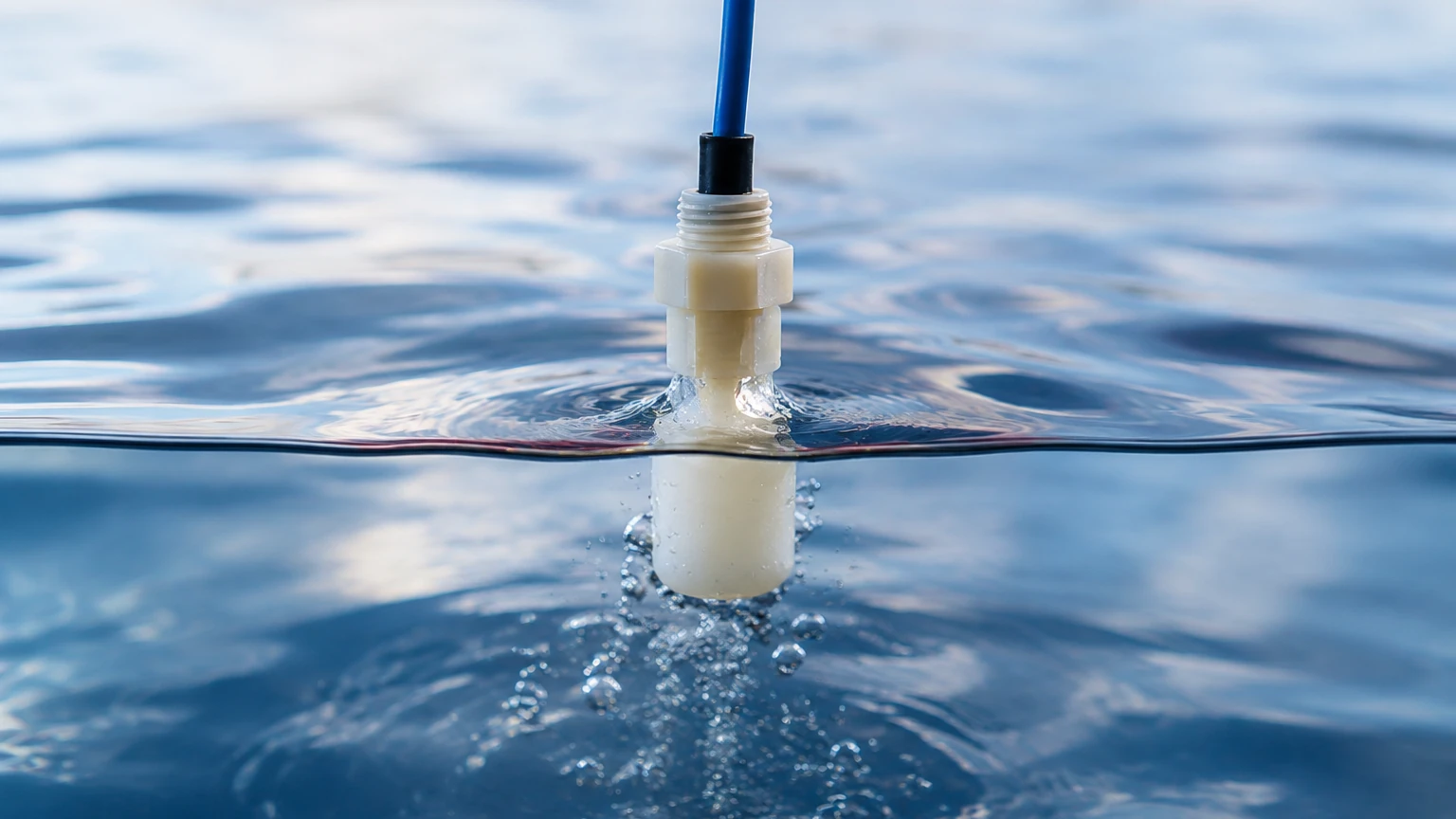
Temperature changes can cause liquids to crystallize, coat the sensor, or create steam blankets. A switch temperature that approaches the boiling point of a liquid may result in cavitation or bubbling around the sensor, which can cause "chatter" (rapid, false switching) in ultrasonic or vibrating fork models.
Technical Selection Table: Technology vs. Temperature
When evaluating hardware, the following table provides a general guideline for the thermal capabilities of common level switch technologies.
| Technology | Standard Range (°C) | High-Temp Range (°C) | Cryogenic Capability | Typical Application |
| :— | :— | :— | :— | :— |
| Magnetic Float | -20 to 120 | Up to 200 | No | Water tanks, oil sumps |
| Vibrating Fork | -40 to 150 | Up to 250 | Yes (Specialized) | Chemical processing, food |
| Capacitive | -40 to 80 | Up to 400 | Yes | Solids, high-heat liquids |
| Ultrasonic | -40 to 80 | N/A | No | Wastewater, acids |
| Radar (Point) | -40 to 150 | Up to 450 | Yes | Reactors, molten metal |
Installation and Maintenance Considerations
Proper installation is the most effective way to extend the allowable switch temperature of a device. If the process temperature exceeds the rating of the switch electronics, several engineering solutions can be applied:
1. Temperature Extensions (Neck Extensions): By increasing the distance between the process connection and the electronic housing, heat is dissipated through the metal neck. This is a standard requirement for vibrating forks and capacitive switches in steam applications.
2. Heat Sinks and Cooling Fins: For extremely high-temperature environments, specialized housings with cooling fins can be used to radiate heat away from the sensitive internal components.
3. Remote Electronics: In some cases, the sensing element is separated from the transmitter. The probe remains in the high-temperature zone, while the electronics are mounted several meters away in a controlled ambient environment.
4. Insulation Practices: While it is common to insulate tanks, the housing of a level switch should often remain uninsulated to allow for air circulation, unless the ambient temperature is so low that it risks freezing the electronics.
For more specific technical drawings and installation guides for high-temperature models, engineers can consult the Main Page for comprehensive documentation.
Limitations and Common Risks
Despite advancements in sensor technology, certain limitations regarding switch temperature remain:
* Thermal Shock: Rapid changes in temperature (e.g., during a Clean-in-Place or CIP cycle in food processing) can cause ceramic insulators to crack or metal probes to fatigue. Always check the maximum allowable thermal gradient for the instrument.
* Condensation: In applications where the process is much colder than the ambient air, condensation can form inside the housing. This is often more damaging than heat, as it leads to short circuits and corrosion. Using potted electronics or desiccant packs is recommended.
* Hysteresis Drift: As temperature changes, the point at which a switch resets (the differential) may shift. This is particularly relevant in high-accuracy applications like pharmaceutical batching.
Frequently Asked Questions (FAQs)
Q: How do I determine the maximum switch temperature for my application?
A: You must consider both the process temperature (the medium touching the probe) and the ambient temperature (the air surrounding the housing). Most manufacturers provide separate ratings for these two variables.
Q: Can I use a standard level switch in a steam-jacketed vessel?
A: Only if the switch is equipped with a high-temperature extension. Standard electronics are usually rated to 80°C (176°F), while steam can easily exceed 150°C (302°F).
Q: Does temperature affect the pressure rating of the switch?
A: Yes. As temperature increases, the maximum allowable pressure for a flange or threaded connection typically decreases. This is known as the pressure-temperature rating of the material.
Q: What is the best technology for cryogenic switch temperature?
A: Vibrating forks and specialized radar sensors are often preferred for cryogenic service, provided they use materials like 316L stainless steel that remain ductile at low temperatures.
Summary of Selection Criteria
To ensure the selected instrument matches the required switch temperature, confirm the following data points before procurement:
* Minimum and Maximum Process Temperature: Include startup and cleaning (CIP/SIP) conditions.
* Ambient Temperature Range: Consider seasonal extremes and proximity to other heat-generating equipment.
* Medium Properties at Temperature: Does the density or dielectric constant change enough to require recalibration?
* Mounting Orientation: Horizontal mounting may expose the housing to more rising heat than vertical mounting.
By carefully matching the instrument technology to the thermal demands of the environment, operators can ensure long-term stability and safety. For a full range of industrial level measurement solutions designed for diverse temperature profiles, please visit the Main Page to review product options and application support.