Terpene Extractor
Terpene Extractor
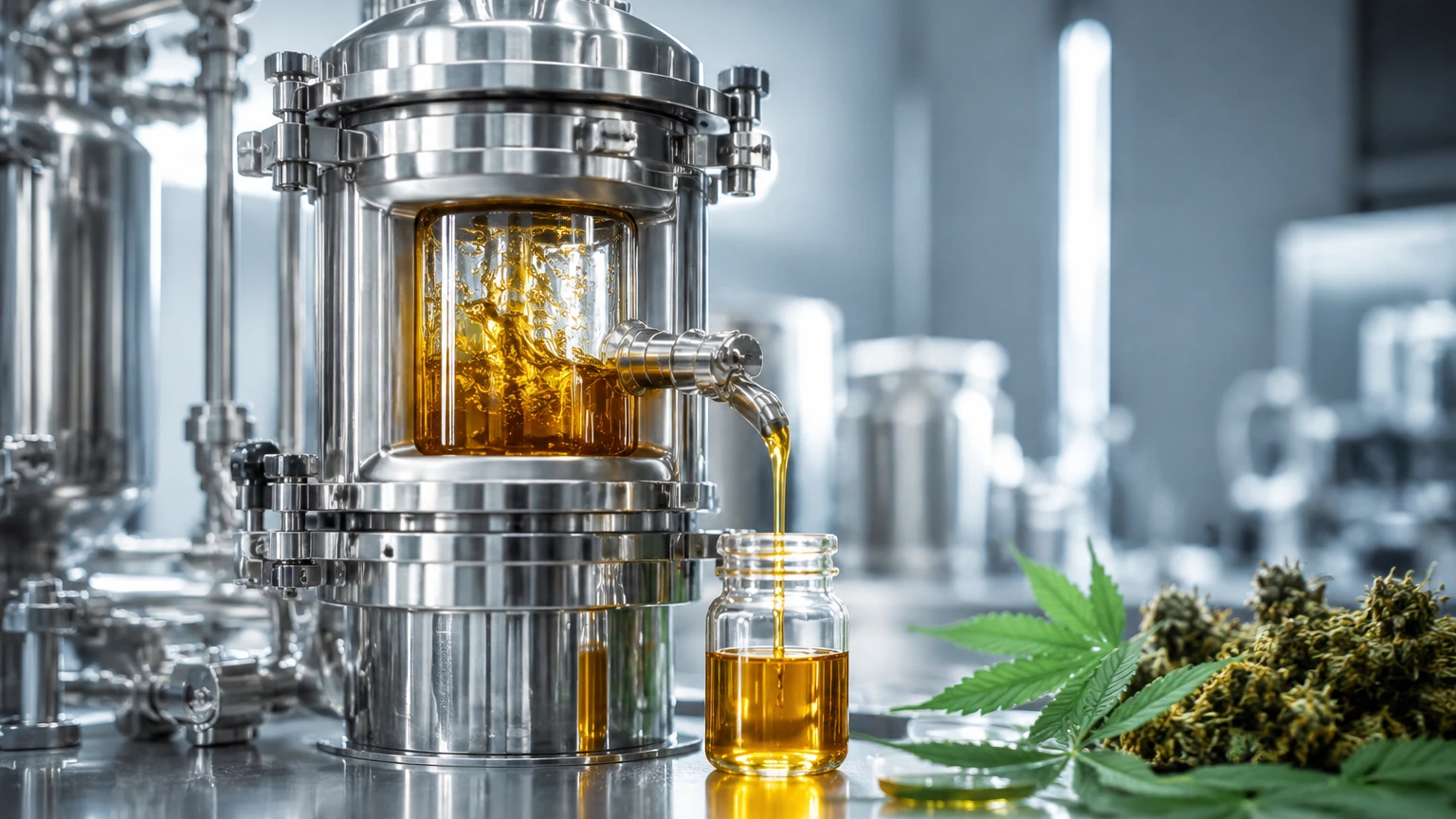
In the specialized field of botanical processing, a terpene extractor is a critical piece of industrial equipment designed to isolate volatile organic compounds from plant biomass. Terpenes are the aromatic oils that provide distinct flavors and scents in plants ranging from citrus fruits to lavender and hemp. Because these compounds are highly volatile and sensitive to thermal degradation, the extraction process requires precise control over temperature, pressure, and fluid levels.
For engineers and facility managers, the efficiency of a terpene extractor depends not only on the extraction method itself but also on the integration of accurate monitoring systems. Level measurement is a fundamental component of these systems, ensuring that solvent ratios remain consistent, recovery tanks do not overflow, and the delicate balance of the extraction environment is maintained. This guide explores the technical landscape of terpene extraction and the role of level measurement technology in optimizing these industrial processes.
Understanding Terpene Extraction Principles
Before selecting instrumentation for a terpene extractor, it is essential to understand the underlying physical principles of the extraction methods. Terpenes are typically extracted using one of three primary methods: steam distillation, hydrocarbon extraction, or supercritical CO2 extraction.
Steam Distillation
In steam distillation, steam is passed through the plant material. The heat from the steam breaks down the cellular structures, releasing terpenes into a vapor phase. This vapor is then condensed. Because terpenes are hydrophobic, they separate from the water, allowing for collection. Level sensors in this process monitor the water level in the boiler and the oil-water interface in the separator.
Hydrocarbon Extraction
This method utilizes solvents like butane or propane. These solvents have low boiling points, allowing for extraction at lower temperatures which preserves the terpene profile. The process involves a pressurized closed-loop system. Level measurement is vital here to track solvent levels in the supply tank and the concentration of the extract in the collection vessel.
Supercritical CO2 Extraction
CO2 is pressurized until it reaches a supercritical state, where it exhibits properties of both a gas and a liquid. It acts as a solvent to dissolve terpenes. This method is highly tunable but operates under extremely high pressures (often exceeding 70 bar/1015 psi). Level instruments in these systems must be rated for high-pressure environments to ensure the solvent remains in the correct phase and volume.
Level Measurement Technologies for Extraction Systems
Accurate level detection in a terpene extractor prevents equipment dry-run, protects pumps, and ensures the purity of the final product. Different technologies are applied based on the physical properties of the fluids involved.
Radar Level Measurement (Non-Contact)
Radar level meters operate on the Time-of-Flight (ToF) principle. The device emits high-frequency microwave pulses that reflect off the surface of the liquid and return to the sensor. The distance is calculated based on the time taken for the pulse to travel.
In terpene extraction, non-contact radar is preferred for its ability to measure through vapors and foam, which are common in solvent-based systems. Since the sensor does not touch the medium, there is no risk of contaminating the high-value botanical extracts. For more detailed technical specifications on radar sensors, you can visit the Main Page of our product catalog.
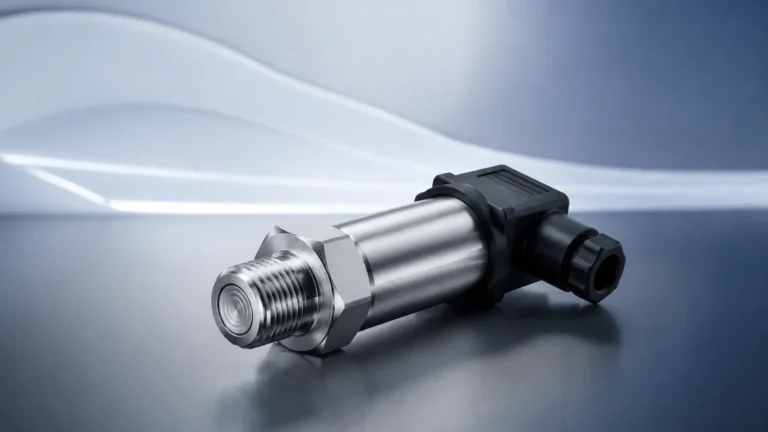
Hydrostatic Level Transmitters
Hydrostatic measurement determines the level by measuring the pressure exerted by the liquid column. The formula used is $P = \rho \cdot g \cdot h$, where $P$ is pressure, $\rho$ is the density of the fluid, $g$ is gravity, and $h$ is the height of the liquid.
This technology is highly effective for large solvent storage tanks. However, because terpene extractors often operate under internal pressure, a differential pressure (DP) setup is required. One sensor measures the liquid pressure at the bottom, while another measures the gas-space pressure at the top, allowing the system to calculate the true liquid level by subtracting the head pressure.
Magnetic Level Gauges
Magnetic level gauges provide a visual indication of the fluid level outside the tank. A float containing a magnet moves with the liquid level inside a bypass chamber. This movement flips magnetic flaps or moves a follower on the outside of the chamber. These are often used in hydrocarbon extraction where a clear, mechanical backup to electronic sensors is required for safety and redundancy.
Selection Table for Extraction Level Instruments
The following table provides a comparison of common level measurement technologies used in terpene extractor applications.
| Technology | Accuracy | Pressure Range | Temp. Range | Best Use Case |
| :— | :— | :— | :— | :— |
| Guided Wave Radar | ±2 mm | Up to 40 bar | -40 to 250°C | Precise solvent recovery |
| Non-Contact Radar | ±3 mm | Up to 16 bar | -40 to 150°C | Agitated tanks, foam |
| Hydrostatic DP | ±0.1% FS | Up to 100 bar | -20 to 80°C | Large bulk storage |
| Magnetic Gauge | ±5 mm | Up to 320 bar | -196 to 400°C | High-pressure CO2 tanks |
| Ultrasonic | ±5 mm | Atmospheric | -40 to 70°C | Water/Wastewater tanks |
Installation Considerations for Terpene Extractors
When integrating level sensors into a terpene extractor, several engineering factors must be addressed to ensure long-term reliability and safety.
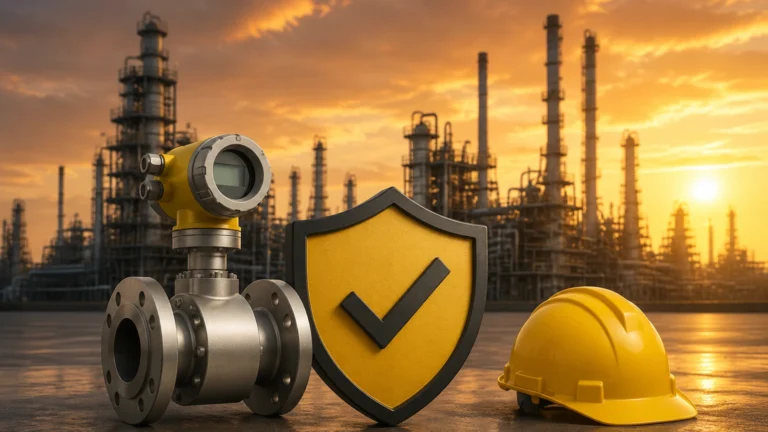
1. Hazardous Area Ratings: Most terpene extraction processes involve flammable solvents (ethanol, butane, propane). Sensors must be certified for hazardous locations, such as ATEX or IECEx Zone 0 or Zone 1. Explosion-proof housings and intrinsically safe wiring are standard requirements.
2. Sanitary Requirements: Since terpenes are often used in food, beverage, or pharmaceutical products, the instruments must meet sanitary standards. This includes using 316L stainless steel for wetted parts and ensuring the surface finish (Ra) is smooth enough to prevent bacterial growth. Tri-clamp fittings are the preferred mounting method for easy removal and cleaning.
3. Vapor and Condensation: In steam distillation, condensation can form on the sensor face. Choosing a radar sensor with a PTFE (Teflon) antenna cover can help shed droplets and maintain signal integrity.
4. Tank Geometry: Many extraction vessels are small or have internal agitators. Guided wave radar (GWR) is often used in these scenarios because the signal is confined to a probe, preventing interference from tank walls or mixing blades.
Limitations and Operational Challenges
While modern instrumentation is highly advanced, certain conditions in a terpene extractor can challenge measurement accuracy:
* Dielectric Constant ($ε_r$): Many organic solvents used in extraction have low dielectric constants. Radar signals reflect poorly off these liquids. Selecting a high-sensitivity radar or using a guided wave radar with a coaxial probe can overcome this limitation.
* High Pressure Fluctuations: In supercritical CO2 systems, rapid pressure changes can affect the density of the gas above the liquid. This can cause errors in ultrasonic sensors (which rely on the speed of sound) and hydrostatic sensors (if not properly compensated). Radar is generally unaffected by pressure changes.
* Sticky Residues: Crude botanical extracts can be viscous and sticky. Over time, build-up on a contact-based probe (like a tuning fork or GWR) can cause false readings. In these cases, non-contact radar or magnetic level gauges are superior.
Frequently Asked Questions (FAQs)
Q: Why can't I use a standard ultrasonic sensor in a hydrocarbon terpene extractor?
A: Ultrasonic sensors rely on the speed of sound through air. In a hydrocarbon extractor, the "air" space is filled with solvent vapors. The speed of sound in butane or propane vapor is significantly different from air, leading to massive measurement errors. Furthermore, most standard ultrasonic sensors are not rated for the explosive environments found in solvent extraction.
Q: How do I handle level measurement in a vessel with heavy foam?
A: Foam can absorb radar and ultrasonic signals. For heavy foam, guided wave radar or hydrostatic pressure sensors are recommended, as they measure the liquid level from beneath or along a probe, which is less affected by surface foam.
Q: What is the maintenance schedule for level sensors in an extraction facility?
A: For sanitary applications, sensors should be inspected during every Clean-in-Place (CIP) cycle. Electronic calibration should be verified annually, although high-frequency radar units typically exhibit very low drift over time.
Conclusion
A terpene extractor is a sophisticated assembly of thermal and fluid dynamics. To achieve high-purity results and maintain a safe industrial environment, the integration of professional-grade level measurement is non-negotiable. Whether utilizing the precision of radar or the robustness of hydrostatic pressure, selecting the right instrument requires a deep understanding of the chemical properties of the terpenes and the solvents used.
For engineers seeking to optimize their extraction lines, reviewing the technical capabilities of various sensors is the first step toward process automation. For a comprehensive overview of available measurement solutions and technical support for your specific application, please refer to the Main Page for further engineering resources.