Thc Oil Extractor
Thc Oil Extractor
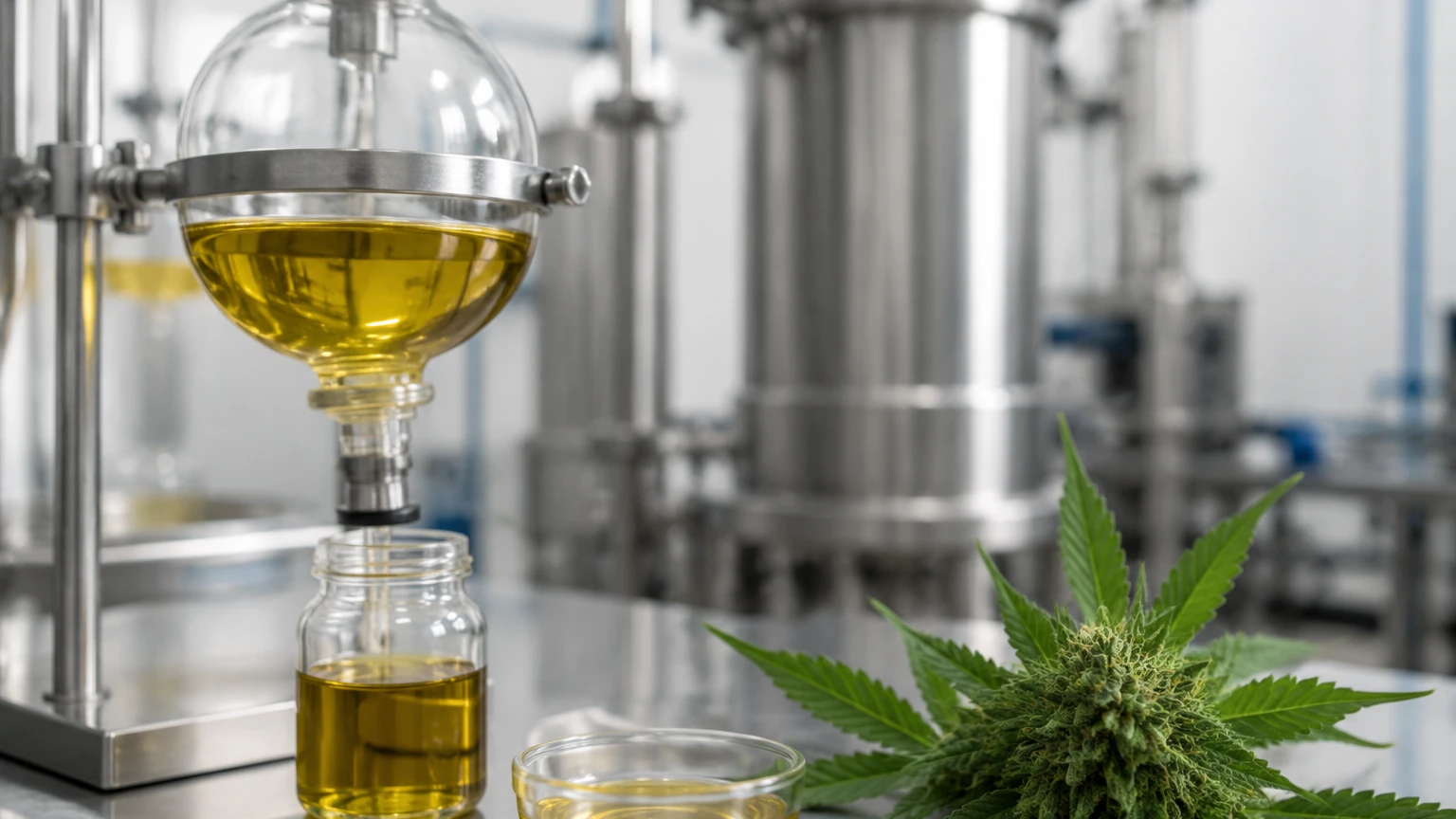
In the rapidly evolving landscape of botanical processing, the industrial thc oil extractor has transitioned from small-scale laboratory setups to sophisticated, automated production lines. At the heart of these high-throughput systems lies the need for precise process control. For engineers and plant managers, the efficiency of an extraction facility is often determined by how accurately they can monitor and manage the fluids—solvents, crude extracts, and refined oils—moving through the system. Level measurement instrumentation is a critical component in this architecture, ensuring safety, preventing waste, and maintaining the rigorous standards required for pharmaceutical-grade botanical oils.
The Role of Level Measurement in Extraction Systems
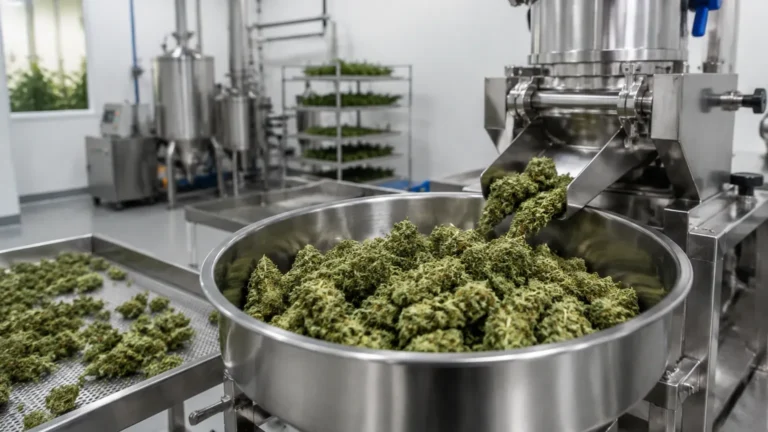
An industrial thc oil extractor typically utilizes solvents such as ethanol, CO2, or hydrocarbons (butane/propane) to separate cannabinoids and terpenes from biomass. This process involves multiple stages: solvent storage, extraction vessels, filtration, evaporation, and final oil collection. Each stage presents unique challenges for level sensing.
For instance, in the solvent recovery phase, maintaining the correct level in the evaporation flask or falling film evaporator is essential to prevent equipment damage and ensure optimal heat transfer. Similarly, in storage tanks, accurate inventory management prevents overfilling and ensures a steady supply for continuous processing. Because many of these solvents are flammable or operate under high pressure, the instrumentation must not only be accurate but also compliant with hazardous area regulations.
Measurement Principles for Extraction Environments
Before selecting a sensor for a thc oil extractor, it is vital to understand the underlying measurement principles. Different technologies interact with the process media in distinct ways, making some more suitable for crude oils and others better for volatile solvents.
1. Radar Level Measurement (Non-Contact and Guided Wave)
Radar technology uses high-frequency electromagnetic waves (typically in the GHz range). In non-contact radar, the sensor emits a signal that reflects off the surface of the liquid and returns to the antenna. The time-of-flight determines the distance. Guided Wave Radar (GWR) uses a physical probe to direct the signal, which is particularly effective in vessels with internal obstructions or low-dielectric fluids.
* Advantages: Unaffected by vapor, pressure, or temperature changes. Highly accurate for both solvents and thick oils.
* Application: Ideal for solvent recovery tanks and pressurized CO2 storage.
2. Ultrasonic Level Sensors
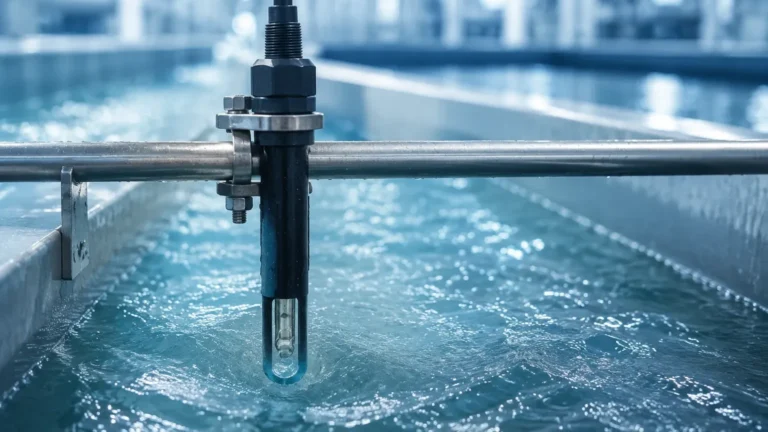
Ultrasonic sensors emit sound pulses that bounce off the liquid surface. The sensor measures the time it takes for the echo to return. Since sound speed is affected by air temperature and vapor density, these sensors often include temperature compensation.
* Advantages: Cost-effective and easy to install for atmospheric tanks.
* Limitations: Can struggle in the presence of heavy foam or dense solvent vapors which can attenuate the sound signal.
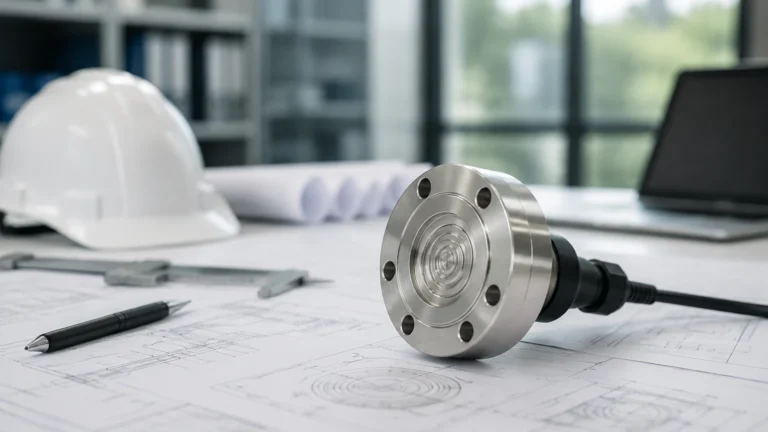
3. Hydrostatic Pressure Transmitters
This principle measures the pressure exerted by the liquid column at the bottom of a tank. Since pressure is proportional to the height of the liquid and its density ($P = \rho gh$), the level can be calculated accurately if the density is known and constant.
* Advantages: Robust and reliable for bulk storage of refined oils.
* Application: Best used in vented tanks where the liquid density is stable.
4. Capacitance and Level Switches
Point level switches are often used as a secondary safety layer. They detect when a liquid reaches a specific height to trigger alarms or shut off pumps. Capacitance sensors measure the change in electrical capacitance between two electrodes as the liquid rises.
* Application: High-level overflow protection and low-level pump protection.
Technical Selection Criteria for Extraction Equipment
When integrating level sensors into a thc oil extractor system, several technical factors must be evaluated to ensure long-term reliability and accuracy. For a detailed look at specific instrument models and their technical data sheets, professionals often refer to the Main Page of specialized manufacturers to compare performance metrics.
| Technology | Best Use Case | Accuracy | Chemical Resistance | Pressure/Temp Limits |
| :— | :— | :— | :— | :— |
| Non-Contact Radar | Solvent Tanks / Crude Oil | ±2 mm | Excellent (PTFE/SS316) | High / High |
| Guided Wave Radar | Small Vessels / Foam | ±3 mm | High | High / High |
| Ultrasonic | Water/Wastewater / Buffer Tanks | ±0.25% Range | Good (Plastic/PVDF) | Low / Moderate |
| Hydrostatic | Bulk Oil Storage | ±0.1% Span | Moderate | Moderate / Moderate |
| Level Switch | Overfill Protection | N/A (Point) | High | High / High |
Installation Considerations and Challenges
The physical environment inside a thc oil extractor can be harsh. Proper installation is key to avoiding signal interference and mechanical failure.
1. Nozzle Interference: For radar and ultrasonic sensors, the mounting nozzle should be short and smooth. If the nozzle is too long, the signal may reflect off the internal walls, creating "noise" that obscures the actual liquid level.
2. Agitators and Baffles: Extraction vessels often contain agitators to mix biomass and solvent. Radar sensors must be positioned to avoid these moving parts. Guided wave radar can be installed in a bypass chamber or stilling well to provide a stable measurement surface.
3. Hazardous Area Certification: Since many botanical extraction processes involve ethanol or hydrocarbons, sensors must be rated for hazardous locations (e.g., Class I, Division 1 or ATEX Zone 0/1). This requires intrinsically safe wiring or explosion-proof housings.
4. Cleaning and Sanitation: The equipment must often undergo Clean-in-Place (CIP) cycles. Sensors should have high IP ratings (IP67/IP68) and be constructed from food-grade materials like 316L stainless steel with sanitary tri-clamp fittings.
Limitations of Common Technologies
While modern instrumentation is highly advanced, every technology has its constraints within a thc oil extractor workflow:
* Foam: Heavy foam during the evaporation process can absorb ultrasonic signals and scatter radar waves. In these instances, GWR or hydrostatic sensors are preferred.
* Vapor Clouds: High concentrations of solvent vapor can change the speed of sound, making ultrasonic sensors inaccurate unless they are specifically calibrated for that vapor environment. Radar is generally immune to this.
* Build-up: Crude oil is viscous and can leave a residue on sensors. Tuning fork level switches or non-contact radar are better suited here than mechanical floats, which can become stuck.
Maintenance and Calibration
To maintain the integrity of a thc oil extractor, regular maintenance of the level instrumentation is required. Calibration should be verified at least annually, or whenever the process media changes significantly (e.g., switching from ethanol to a different solvent blend).
For hydrostatic sensors, zero-point calibration is necessary to account for any drift in the pressure cell. For radar units, software-based "false echo suppression" can be used to map out internal tank obstructions, ensuring the sensor only tracks the true liquid surface.
Frequently Asked Questions (FAQ)
Q: Can I use the same sensor for both ethanol and finished oil?
A: While some technologies like radar are versatile enough for both, the dielectric constant of ethanol is different from that of botanical oil. Radar sensors usually handle this automatically, but hydrostatic sensors would need to be recalibrated for the different densities ($0.789 \text{ g/cm}^3$ for ethanol vs. approximately $0.92 \text{ g/cm}^3$ for oil).
Q: Why is non-contact radar preferred over ultrasonic for solvent recovery?
A: Solvent recovery involves high vapor concentrations. Radar waves pass through these vapors without interference, whereas ultrasonic sound waves can be reflected or slowed down by the vapor, leading to significant measurement errors.
Q: What is the best way to prevent tank overfills in a thc oil extractor?
A: The industry standard is a "1-out-of-2" or "2-out-of-3" redundancy system. This involves using a continuous level transmitter (like radar) for monitoring and a separate, independent high-level switch (like a vibrating fork) to trigger a hard-wired emergency shutdown.
Q: Are there sensors that can handle the high pressures of CO2 extraction?
A: Yes. CO2 extraction often operates at pressures exceeding 70 bar (1000 psi). Specialized high-pressure radar sensors or magnetic level gauges with high-pressure ratings are designed specifically for these conditions.
Conclusion
Selecting the right level measurement technology for a thc oil extractor is a matter of balancing accuracy, safety, and cost. By understanding the physical principles of radar, ultrasonic, and hydrostatic measurement, engineers can design systems that are both efficient and compliant with industrial standards. For those seeking to explore the full range of industrial measurement solutions, visiting the Main Page provides access to technical specifications and application-specific guidance necessary for modern botanical processing facilities.