Vega Ultrasound System
Vega Ultrasound System
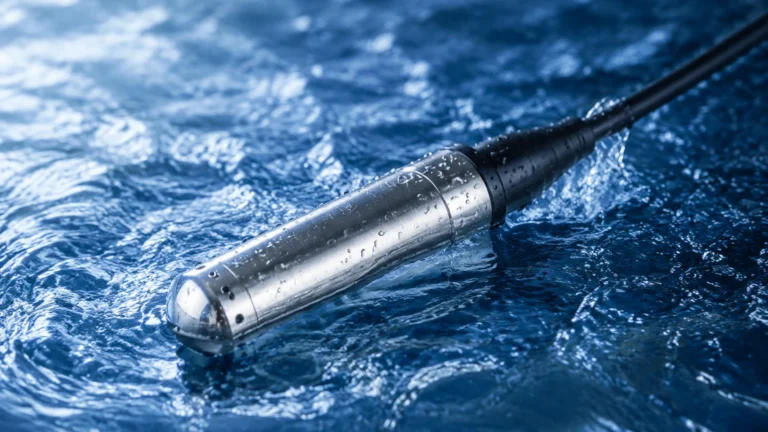
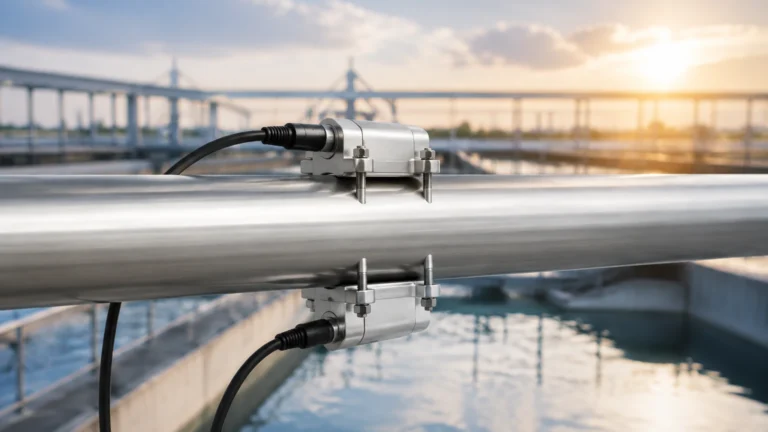
In the landscape of industrial automation, precise level measurement is a cornerstone of process efficiency and safety. The Vega ultrasound system has long been recognized as a reliable solution for non-contact level measurement in both liquid and bulk solid applications. By utilizing high-frequency sound waves to detect the distance to a medium, these systems provide a versatile tool for engineers across water treatment, chemical processing, and logistics sectors.
As a professional manufacturer of industrial level measurement instruments, Welk emphasizes the importance of understanding the underlying physics of these systems before integration. This article serves as a practical engineering reference for evaluating the Vega ultrasound system, its operational principles, and its application within modern industrial frameworks.
Understanding Ultrasonic Measurement Principles
Ultrasonic level measurement is based on the "time-of-flight" principle. The system's transducer emits a series of ultrasonic pulses—mechanical sound waves at frequencies typically ranging from 30 kHz to over 70 kHz, which are above the range of human hearing. These waves travel through the air or gas space in a vessel, strike the surface of the product (the medium), and are reflected back to the transducer.
The sensor acts as both a transmitter and a receiver. By measuring the time interval between the emission of the pulse and the reception of the echo, the system calculates the distance to the surface using the known speed of sound in the medium (usually air). The formula is expressed as:
Distance = (Speed of Sound × Time) / 2
Since the height of the vessel is a known constant, the system subtracts the measured distance from the total tank height to determine the actual level of the product.
The Role of Temperature in Accuracy
A critical factor in the accuracy of any ultrasonic system, including the Vega ultrasound system, is the temperature of the vapor space. The speed of sound in air changes by approximately 0.17% for every degree Celsius change in temperature. To maintain precision, high-quality ultrasonic sensors incorporate an integrated temperature sensor to provide real-time compensation for these fluctuations. Without this compensation, a 20°C shift in temperature could result in a measurement error of several centimeters.
Core Features of the Vega Ultrasound System
The Vega ultrasound system, specifically the VEGASON series, is engineered to handle a wide variety of industrial environments. These systems are characterized by several technical features that distinguish them from entry-level sensors:
1. Non-Contact Measurement: Because the sensor never touches the medium, it is immune to corrosion, clogging, or contamination from the product. This is particularly valuable in wastewater and aggressive chemical applications.
2. Integrated Signal Processing: Modern systems utilize advanced algorithms to filter out "false echoes" caused by internal tank obstructions like agitators, ladders, or pipes. This process, often called echo mapping, allows the sensor to identify the true surface even in complex geometries.
3. Versatile Output Options: These systems typically support standard industrial protocols, including 4-20mA HART, Profibus PA, and Foundation Fieldbus, ensuring seamless integration into existing PLC or SCADA systems.
4. Adjustable Beam Angles: Transducers are designed with specific beam angles (often between 5.5° and 11°) to concentrate the acoustic energy, minimizing interference from vessel walls.
For engineers seeking to compare these features with other high-precision instruments, reviewing the Main Page of the Welk product catalog provides additional context on how ultrasonic technology fits into a broader instrumentation strategy.
Selection Criteria for Industrial Applications
Choosing the correct configuration for a Vega ultrasound system requires a detailed analysis of the process environment. The following table outlines the primary selection criteria used by engineering teams:
| Criterion | Requirement/Detail | Impact on System Choice |
| :— | :— | :— |
| Measuring Range | 0.1 m to 25 m (Liquids) | Determines transducer frequency; lower frequencies travel further. |
| Process Temperature | -40°C to +80°C | Requires integrated temperature compensation. |
| Process Pressure | 0.7 bar to 2 bar | Ultrasonic waves require a medium; they cannot function in a vacuum. |
| Medium Type | Liquid, Slurry, or Solids | Solids require higher power due to sound absorption. |
| Beam Angle | 5° to 11° | Narrower beams are better for tall, narrow tanks. |
| Chemical Compatibility | PVDF, EPDM, or Stainless Steel | The transducer face must withstand the vessel's atmosphere. |
Installation and Mounting Guidelines
Proper installation is the most significant factor in the long-term reliability of an ultrasonic system. Engineering teams should adhere to the following best practices:
The Blocking Distance (Dead Zone)
Every ultrasonic transducer has a "blocking distance" (also known as a dead zone) immediately in front of the sensor face. In this zone, the sensor cannot receive an echo because the transducer is still vibrating from the pulse emission. For a typical Vega ultrasound system, this distance ranges from 0.2 m to 0.6 m depending on the model. The sensor must be mounted high enough so that the maximum product level never enters this blocking distance.
Positioning and Orientation
* Avoid the Center: In cylindrical tanks with arched roofs, mounting the sensor in the exact center can create a "parabolic effect," focusing unwanted echoes and causing signal instability. It is generally recommended to mount the sensor at 1/3 the radius of the tank.
* Perpendicular Alignment: The transducer face must be parallel to the product surface. If the sensor is tilted, the sound waves will reflect away from the receiver rather than back to it, resulting in signal loss.
* Inflow Interference: Never mount the sensor directly above the filling stream. The turbulence and air entrainment from the inflowing material will scatter the ultrasonic signal.
Environmental Limitations and Compensation
While the Vega ultrasound system is robust, certain physical conditions can attenuate or distort ultrasonic waves. Understanding these limitations is essential for risk mitigation:
* Foam: Heavy, dense foam on the surface of a liquid acts as an acoustic absorber. It soaks up the sound energy rather than reflecting it, which can lead to a "lost echo" condition. In such cases, radar technology or hydrostatic transmitters may be more appropriate.
* Dust and Powders: In bulk solid applications, significant dust during filling can scatter the signal. High-power transducers with lower frequencies are typically used to penetrate dust clouds.
* Vapors and Gases: If the tank atmosphere contains gases other than air (such as heavy solvent vapors), the speed of sound will change significantly. If the gas composition is inconsistent, ultrasonic measurement may become unreliable.
* Vacuum: Ultrasonic waves require a gas medium to travel. Therefore, these systems cannot function in a vacuum or near-vacuum conditions.
Ultrasonic vs. Radar: Choosing the Right Technology
In the B2B sector, a common question arises: when should one use an ultrasonic system versus a radar level meter? While both are non-contact, they rely on different physical principles. Radar uses electromagnetic waves, which are unaffected by air temperature, pressure, or vacuum.
However, the Vega ultrasound system remains a cost-effective choice for many standard applications, particularly in the water and wastewater industry. Ultrasonic sensors are generally more economical for open-channel flow measurement and simple liquid storage where extreme temperatures and pressures are not present. For more complex process conditions, engineers often turn to radar solutions, which can be explored in detail on our Main Page.
Maintenance and Operational Reliability
Ultrasonic systems are largely maintenance-free due to their non-contact nature. However, periodic inspections are recommended to ensure optimal performance:
1. Transducer Face Cleaning: In applications with high humidity or splashing, condensation or material buildup may occur on the transducer face. While many Vega sensors have self-cleaning properties through vibration, a manual wipe-down may be necessary if a heavy crust forms.
2. Signal Quality Monitoring: Most modern transmitters provide a "signal-to-noise ratio" or "echo strength" metric. Monitoring this via the HART protocol can provide early warning of changing process conditions, such as the onset of foaming.
3. Cable Integrity: Ensure that the cable glands are tight and that there is no moisture ingress into the housing, which is the most common cause of electronic failure in outdoor installations.
Frequently Asked Questions (FAQ)
Q: Can the Vega ultrasound system measure the level of solids in a silo?
A: Yes, but it requires a sensor specifically rated for solids. Solids have a different reflection pattern (diffuse reflection) compared to liquids, and the sensor must be powerful enough to handle the increased signal attenuation.
Q: What happens if the sensor is mounted too close to the tank wall?
A: If the beam hits the tank wall, it will create a strong false echo. The system may lock onto this distance instead of the product level. Always check the beam angle and ensure the "clearance zone" is free of obstructions.
Q: Is it possible to use ultrasonic sensors in pressurized tanks?
A: Ultrasonic sensors can typically handle up to 2 bar of pressure. Higher pressures change the density of the air, which affects the speed of sound and can cause the transducer to fail mechanically.
Q: How does the system handle agitators?
A: Through a process called "False Signal Suppression." The user can record an echo curve of the empty tank with the agitator running. The software then identifies these static echoes and ignores them during normal operation.
Conclusion
The Vega ultrasound system provides a reliable, non-contact solution for a vast array of industrial level measurement tasks. By understanding the impact of temperature, the necessity of avoiding the dead zone, and the limitations posed by foam and vacuum, engineers can successfully implement these systems to improve process control.
For organizations looking to optimize their instrumentation suites, it is vital to source equipment from manufacturers who provide not only the hardware but also the technical expertise required for proper selection. To review further product options, technical data sheets, and application support for various level measurement technologies, please visit our Main Page.